

Leadplant Seeds – Amorpha Canescens Flower Seeds – 2000 Seeds for Butterfly Garden
Original price was: 35.99 $.15.99 $Current price is: 15.99 $.
Cultivate a vibrant butterfly garden with Leadplant seeds (Amorpha Canescens). This native shrub provides erosion control and supports wildlife. Each pack contains 2000 seeds for abundant planting.
Estimated arrival
Oct 19
Oct 24 - Oct 26
Oct 26 - Oct 31
See our Shipping Policy.
Get in touch with us via email, and our team will review your concerns.
Our Alive & Thrive Guarantee covers issues with your plants within the first 30 days. Read our Refund & Returns Policy.
-
USDA Hardiness Zone
3-8 -
Soil Type
Well-draining, sandy or loamy soil -
Sunlight Exposure
Full sun -
Expected Planting Period
Early spring (indoors) or late fall/early spring (outdoors)
Overview
Embark on a rewarding gardening journey with premium Leadplant seeds, scientifically known as Amorpha Canescens. These exceptional seeds offer the opportunity to cultivate a robust and beautiful native shrub, perfect for enhancing any landscape. The Leadplant is a striking perennial, cherished for its unique foliage and attractive purple-blue flower spikes that emerge in summer. It’s an ideal choice for gardeners looking to create a sustainable and biodiverse environment, especially a thriving butterfly garden. Growing from seed allows for a large-scale planting, making it excellent for prairie restoration projects or simply adding a touch of natural beauty to your backyard. This resilient plant is well-adapted to various conditions, promising a rewarding experience for both novice and experienced gardeners. Discover the enduring charm and ecological benefits of this remarkable plant.
The Leadplant (Amorpha Canescens) is a North American native, renowned for its deep root system which contributes significantly to soil stabilization and erosion control. Its common name, Leadplant, is thought to originate from the grayish-green, ‘lead-colored’ hue of its leaves, which are covered in fine, soft hairs. This plant is not only visually appealing but also plays a crucial role in local ecosystems, providing essential food and habitat for various wildlife, including pollinators and beneficial insects. Cultivating these Amorpha Canescens seeds is an investment in both aesthetic beauty and ecological integrity. With 2000 seeds, you have ample opportunity to establish a significant planting, creating a haven for local fauna and a stunning visual display.
Key Benefits
The Leadplant offers a multitude of benefits, making it an excellent addition to diverse garden styles. Its resilience and ecological value are just a few reasons why these Leadplant seeds are a fantastic choice for your planting projects. Explore the advantages of incorporating this native gem into your landscape:
- Attracts Pollinators: The vibrant purple-blue flower spikes are a magnet for bees, butterflies, and other beneficial pollinators, making it an essential component for any butterfly garden seeds planting.
- Erosion Control: With its extensive and deep root system, the Leadplant is exceptionally effective at stabilizing soil and preventing erosion, particularly on slopes or disturbed areas.
- Drought Tolerance: Once established, Amorpha Canescens is highly drought-tolerant, requiring minimal supplemental watering, which makes it a sustainable choice for water-wise gardening.
- Wildlife Support: Beyond pollinators, the plant provides food and shelter for various wildlife, contributing to a healthier and more biodiverse ecosystem.
- Prairie Restoration: As a native species, Leadplant is frequently used in prairie and grassland restoration projects, helping to re-establish natural habitats.
- Low Maintenance: This hardy perennial requires very little care once mature, thriving with minimal intervention and offering long-lasting beauty.
- Aesthetic Appeal: The distinctive silvery-green foliage and striking summer blooms add unique texture and color to garden beds, borders, and naturalized areas.
Plant Care & Growing Tips
Growing Leadplant seeds successfully begins with understanding their specific needs. While generally hardy, providing the right conditions from the start will ensure robust growth and a thriving plant. Amorpha Canescens prefers full sun exposure, meaning at least 6-8 hours of direct sunlight per day. It can tolerate some partial shade, especially in hotter climates, but flowering may be less prolific. When starting Leadplant seeds indoors, sow them in early spring. For outdoor planting, sow directly after the last frost, or in late fall for natural cold stratification over winter. These native plant seeds benefit from a period of cold stratification to break dormancy, which can be achieved by placing them in a moist medium in the refrigerator for 60-90 days before planting.
The ideal soil for Leadplant is well-draining, sandy, or loamy soil with a neutral to slightly alkaline pH. It is highly adaptable and can tolerate poor soil conditions, making it an excellent choice for challenging areas. Avoid heavy clay soils that retain too much moisture, as this can lead to root rot. Water consistently during the initial establishment phase, ensuring the soil remains moist but not waterlogged. Once established, the Leadplant is remarkably drought-tolerant and will only require watering during extended dry periods. Fertilization is generally not necessary, as this plant thrives in nutrient-poor soils and is efficient at fixing nitrogen. Pruning can be done in early spring to maintain shape and encourage bushier growth. The typical USDA hardiness zones for Leadplant are 3-8, indicating its impressive cold tolerance. Keep an eye out for common garden pests, though Amorpha Canescens is generally resistant to most diseases and insects, further solidifying its status as a robust and easy-care option for your garden.
Size & Details
When fully mature, the Leadplant (Amorpha Canescens) typically reaches a height of 24 to 40 inches (60-100 cm) and spreads to a similar width, forming a semi-erect, shrub-like perennial. Its growth rate is moderate, establishing itself well within the first couple of seasons. These Leadplant seeds are provided in a generous quantity of 2000 seeds, ensuring ample material for larger planting areas or multiple gardening projects. The plant usually begins to bloom in early to mid-summer, showcasing its distinctive purple-blue flower spikes. The seeds are shipped in a protective packet, ready for planting. Expect to see germination within a few weeks after proper stratification and planting, with the plant reaching its mature size and flowering potential in 2-3 years. This makes it an excellent choice for those looking to develop a long-term, sustainable landscape with prairie restoration seeds.
Frequently Asked Questions
- Q: How big does this plant get? A: The Leadplant typically grows to a height of 24 to 40 inches (60-100 cm) and can spread to a similar width, forming a beautiful, shrub-like perennial. Its semi-erect growth habit makes it a striking addition to any garden or landscape.
- Q: Is this an indoor or outdoor plant? A: Leadplant (Amorpha Canescens) is primarily an outdoor plant, thriving in full sun conditions. It is ideal for garden beds, native plant landscapes, and prairie restoration projects, making these Amorpha Canescens seeds perfect for outdoor cultivation.
- Q: How much sunlight does it need? A: This plant requires full sun exposure, meaning at least 6-8 hours of direct sunlight per day. Adequate sunlight is crucial for optimal growth and abundant flowering of your Leadplant.
- Q: Is this plant easy to care for? A: Yes, the Leadplant is considered a low-maintenance plant once established. It is drought-tolerant and generally resistant to pests and diseases, making it an excellent choice for both beginner and experienced gardeners.
- Q: What condition will the seeds arrive in? A: The Leadplant seeds will arrive in a protective packet, ensuring their viability and readiness for planting. They are carefully packaged to withstand transit and maintain optimal condition.
- Q: How long until it blooms? A: While germination can occur within weeks, the Leadplant typically takes 2-3 years to reach maturity and begin flowering. Once established, it will provide beautiful blooms each summer.
- Q: Will it survive winter in my zone? A: Yes, Leadplant is very cold-hardy, generally thriving in USDA Zones 3-8. It is well-adapted to survive cold winters and return vigorously each spring.
- Q: Do these Leadplant seeds require any special treatment before planting? A: Yes, Amorpha Canescens seeds benefit significantly from cold stratification. This can be achieved by placing them in a moist medium in the refrigerator for 60-90 days before planting to help break dormancy.
- Q: Can I use these seeds for a butterfly garden? A: Absolutely! The Leadplant is an excellent choice for a butterfly garden as its flowers are highly attractive to various pollinators, including butterflies and bees, contributing to a vibrant and healthy ecosystem.
- Q: What kind of soil does Leadplant prefer? A: Leadplant thrives in well-draining, sandy or loamy soils. It is quite adaptable and can tolerate poorer soil conditions, but good drainage is essential to prevent root rot.
Be the first to review “Leadplant Seeds – Amorpha Canescens Flower Seeds – 2000 Seeds for Butterfly Garden”
Related products


Flower Seeds

Flower Seeds
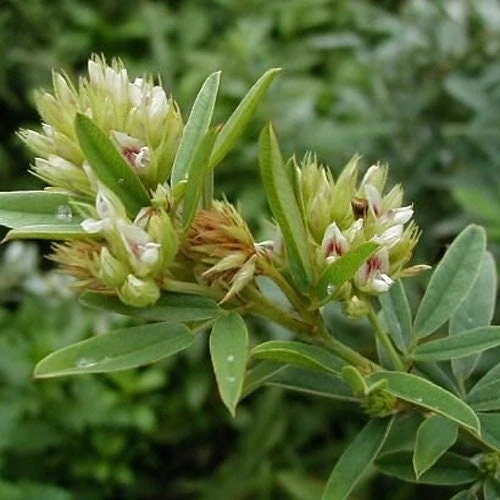
Lespedeza Capitata Seeds – Round Headed Bush Clover – 2000 Seed Pack – Perennial Flower


You May Like

Hardneck vs. Softneck Garlic: Which Should You Grow?
Have you ever stood in front of a seed catalog in mid-September, staring at dozens [...]
Oct

When to Plant Music Garlic: Ultimate US Fall Guide
Have you ever spent your fall weekend placing carefully chosen garlic cloves into rich, dark [...]
1 Comment
Oct

5 Best Bulbs for Fall Planting: Brighten Your Garden This Spring
Are you dreaming of a garden full of vibrant colors in the spring? The key [...]
Aug

10 Houseplants That Will Thrive in Your Kitchen
Are you tired of your kitchen feeling dull and lifeless? Want to add a little [...]
1 Comment
Aug
Reviews
There are no reviews yet.