
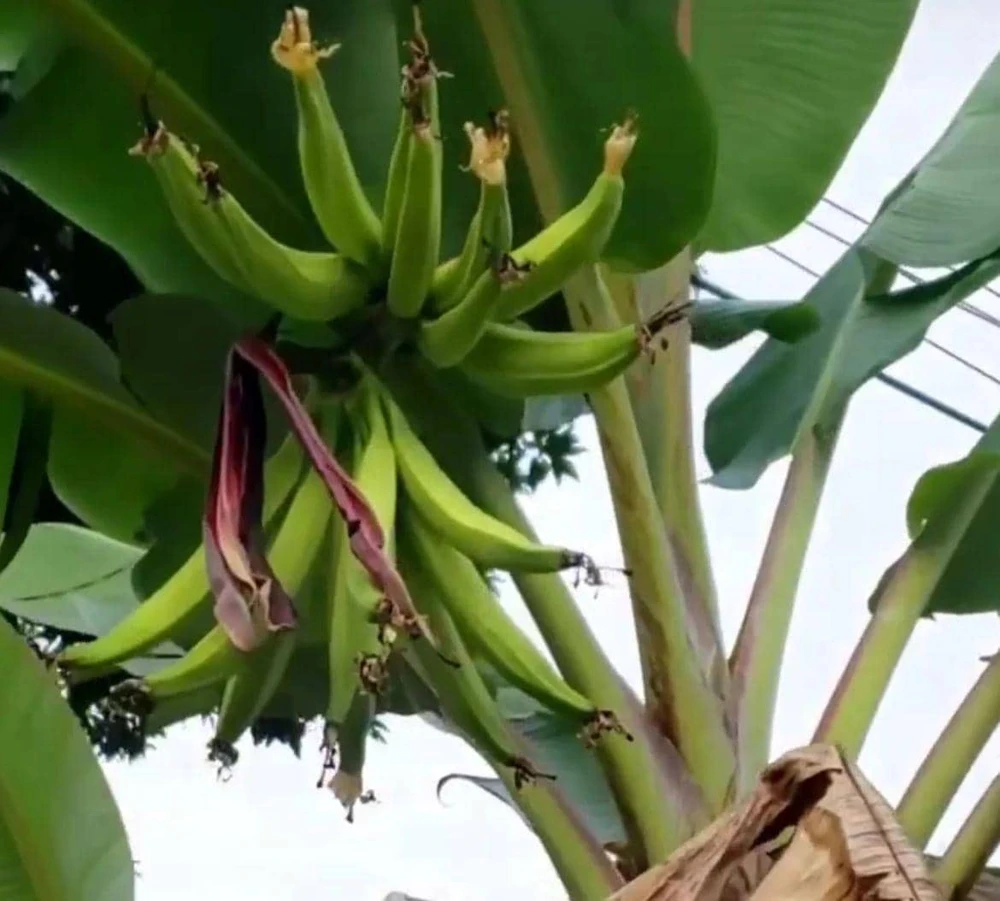
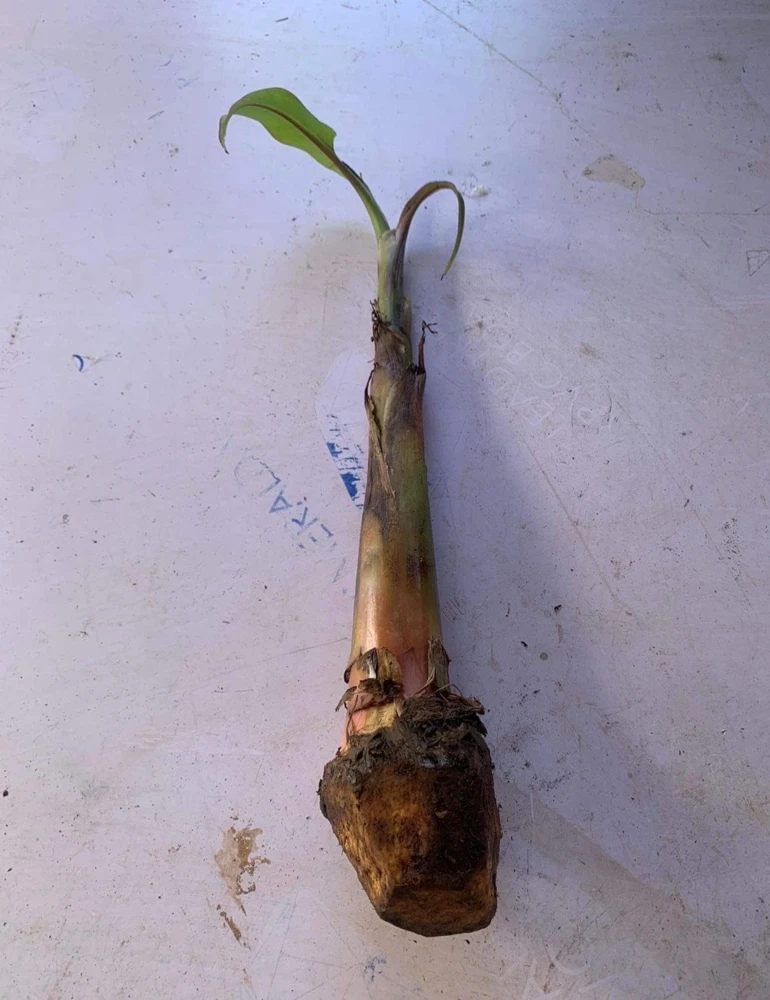
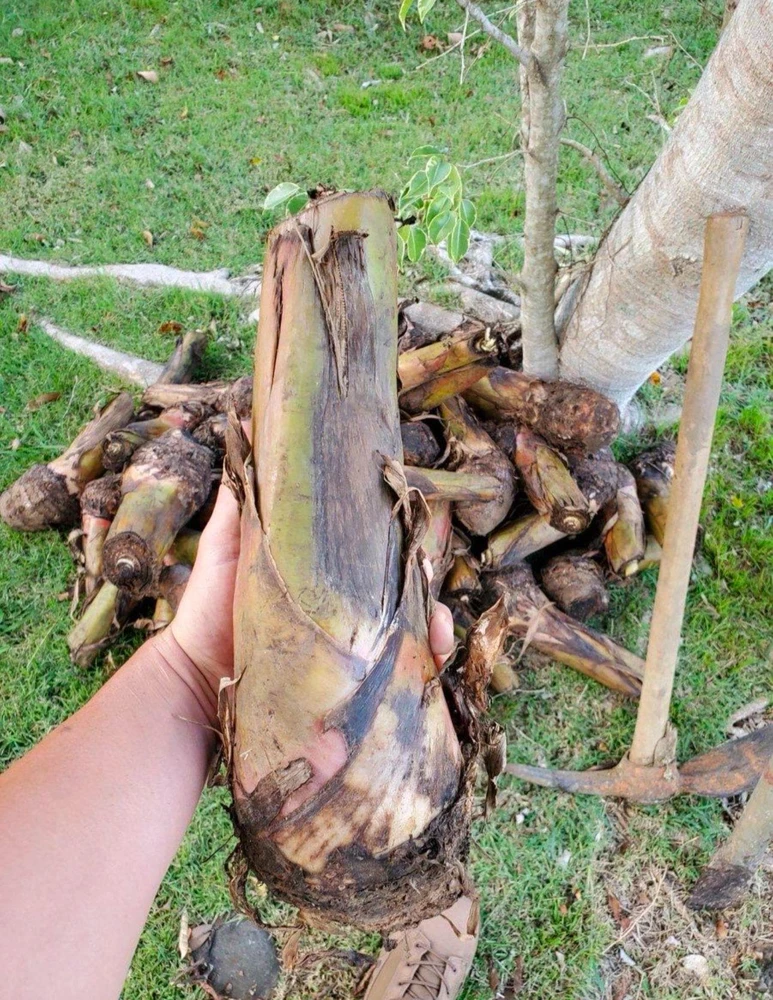
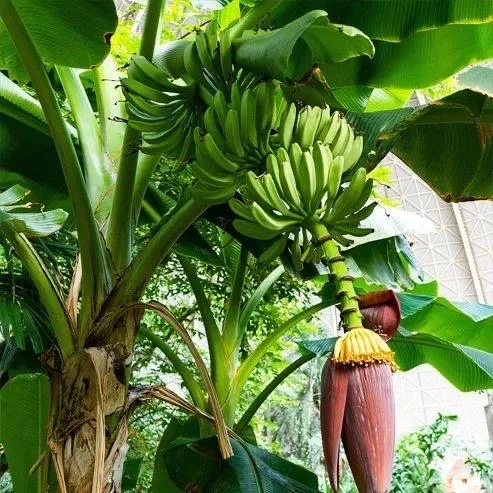
Rhino Horn Plantain Fruit Plant – Musa Acuminata Balbisiana – Live Plant (10-18in)
Original price was: 125.60 $.75.60 $Current price is: 75.60 $.
Cultivate your own delicious, homegrown plantains with this robust rhino horn plantain live plant. This healthy Musa acuminata balbisiana specimen, measuring 10-18 inches, is perfect for tropical and subtropical climates, offering easy care and prolific fruit production for your garden or farm.
Estimated arrival
Oct 18
Oct 23 - Oct 25
Oct 25 - Oct 30
See our Shipping Policy.
Get in touch with us via email, and our team will review your concerns.
Our Alive & Thrive Guarantee covers issues with your plants within the first 30 days. Read our Refund & Returns Policy.
-
USDA Hardiness Zone
USDA Zones 9-11 -
Soil Type
Rich, well-draining soil (pH 6.0-7.0) -
Sunlight Exposure
Full sun (6-8+ hours daily) -
Expected Planting Period
Year-round in warm climates; Spring in cooler zones
Overview
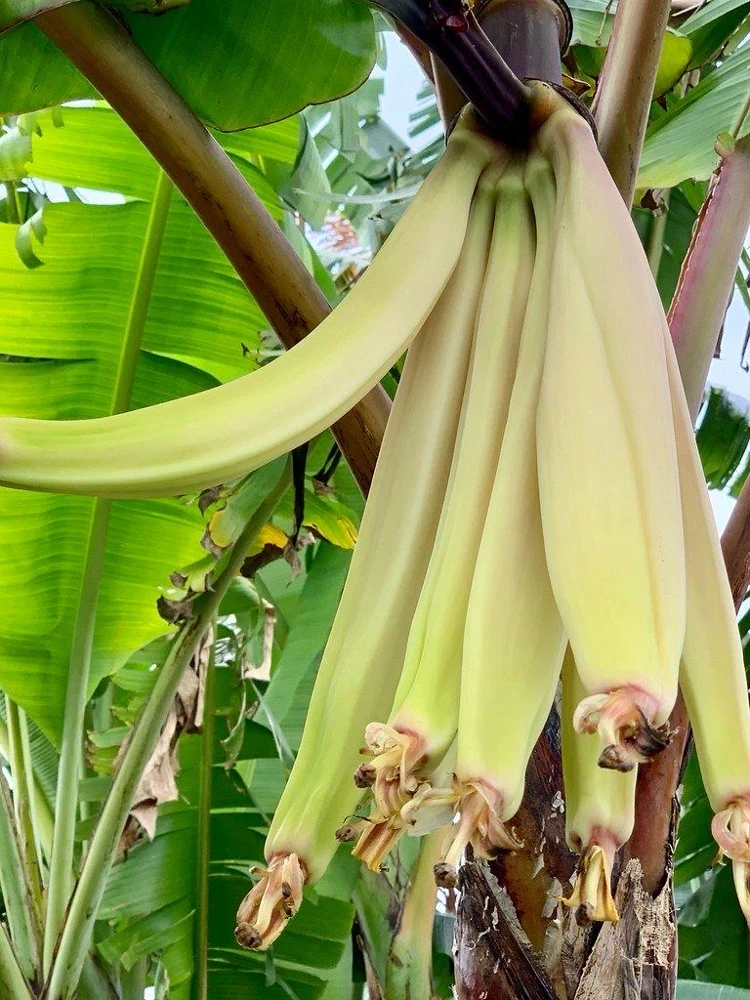
Embark on a rewarding gardening journey with the magnificent rhino horn plantain live plant (Musa acuminata balbisiana). Known for its exceptionally large and curved fruit, this variety is a prized addition to any tropical or subtropical garden. Our healthy and robust plantain seedlings arrive ready to thrive, offering you the unique opportunity to grow your own fresh, organic plantains right at home. Often referred to simply as ‘platano’ in many regions, this vigorous grower is celebrated not only for its impressive fruit size but also for its resilience and adaptability. Perfect for both novice and experienced gardeners, the rhino horn plantain live plant promises a bountiful harvest of culinary-grade fruit.
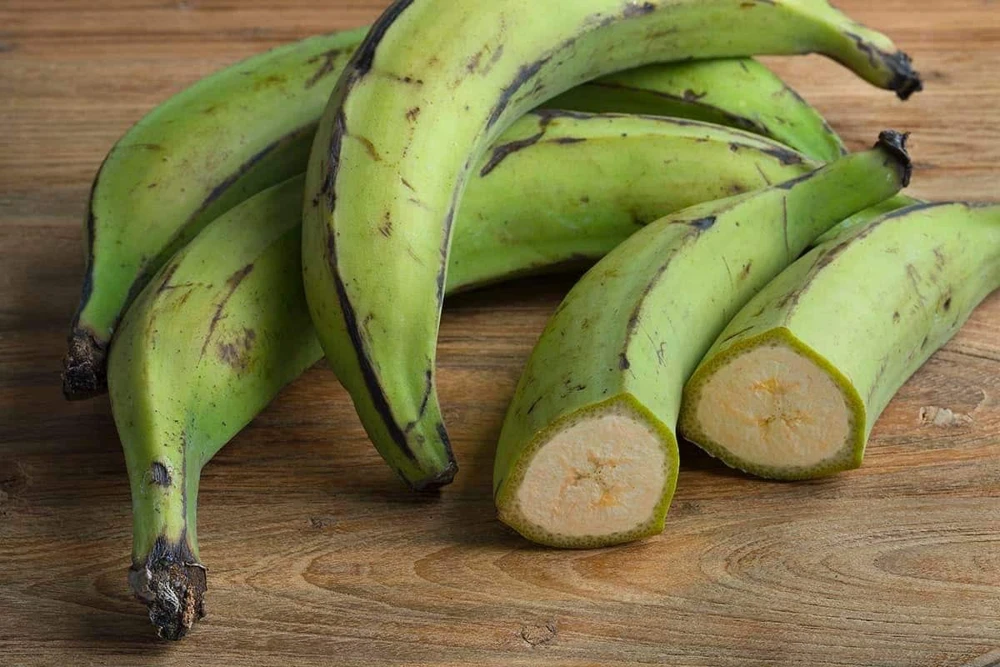
The Musa acuminata balbisiana is a fascinating species, representing a key ancestor of many modern banana and plantain varieties. This particular cultivar, the Rhino Horn, stands out due to its distinctive, elongated, horn-like fruit that can reach considerable lengths. When fully mature, these plantains offer a starchy, firm texture ideal for cooking, frying, or baking, becoming a staple in many cuisines worldwide. Each plant is carefully nurtured to ensure it reaches you in optimal condition, ready to establish quickly and begin its journey towards fruit production. Growing your own rhino horn plantain live plant is a step towards sustainable living and enjoying the freshest produce possible.
Key Benefits
Adding a rhino horn plantain live plant to your garden provides numerous advantages beyond just fresh fruit. These plants are not only productive but also offer an attractive, tropical aesthetic to your landscape.
- Abundant, Unique Fruit: Enjoy a steady supply of exceptionally large, curved plantains, perfect for a variety of culinary uses. The distinctive ‘rhino horn’ shape makes them a conversation starter.
- Organic Homegrown Produce: Cultivate plantains free from pesticides and chemicals, ensuring you and your family consume the healthiest, freshest fruit possible. Experience the satisfaction of farm-to-table dining from your own backyard.
- Tropical Garden Aesthetic: The large, lush leaves of the Musa acuminata balbisiana create a stunning tropical ambiance, adding beauty and a vibrant feel to any garden or patio space.
- Relatively Easy to Grow: These robust plants are known for their hardiness and straightforward care requirements, making them suitable even for those new to growing fruit trees. They adapt well to various suitable climates.
- Versatile Culinary Ingredient: Plantains are incredibly versatile, used in dishes ranging from savory fried plantains to sweet baked desserts. Having a fresh supply opens up a world of culinary exploration.
- Sustainable Food Source: Growing your own rhino horn plantain live plant contributes to a more sustainable lifestyle, reducing your carbon footprint and reliance on commercially produced goods.
- Health Benefits: Plantains are a good source of vitamins, minerals, and dietary fiber, contributing to a healthy diet.
Plant Care & Growing Tips
Caring for your rhino horn plantain live plant is relatively simple, provided you meet its basic needs for sunlight, water, and nutrients. These tropical plants thrive in warm, humid environments, mimicking their natural habitat. For optimal growth and fruit production, select a site that receives at least 6-8 hours of direct sunlight per day. While they can tolerate some partial shade, full sun will encourage stronger growth and more prolific fruiting. If growing in containers, ensure they are large enough to accommodate the plant’s root system and can be moved indoors if temperatures drop too low.
Watering is crucial for plantains. They prefer consistently moist soil but do not like to sit in standing water, which can lead to root rot. Water deeply and regularly, especially during dry spells and the fruiting period. Allow the top inch or two of soil to dry out slightly between waterings. The ideal soil for a rhino horn plantain live plant is rich, well-draining, and slightly acidic to neutral (pH 6.0-7.0). Amending heavy clay soils with organic matter like compost or peat moss can improve drainage and fertility. Fertilize every 1-2 months during the growing season with a balanced, slow-release fertilizer high in potassium to support fruit development. Protect your organic plantain plant from strong winds, as their large leaves can tear easily.
These plants are sensitive to cold. They are best suited for USDA Hardiness Zones 9-11, where temperatures rarely drop below freezing. In cooler climates, they can be grown in large containers and brought indoors during winter or treated as annuals. Watch out for common pests like aphids and spider mites, which can be managed with insecticidal soap. Proper pruning involves removing dead or yellowing leaves and suckers (new shoots) to direct the plant’s energy into fruit production. Learning how to grow plantains successfully involves understanding these basic environmental and nutritional requirements.
Size & Details
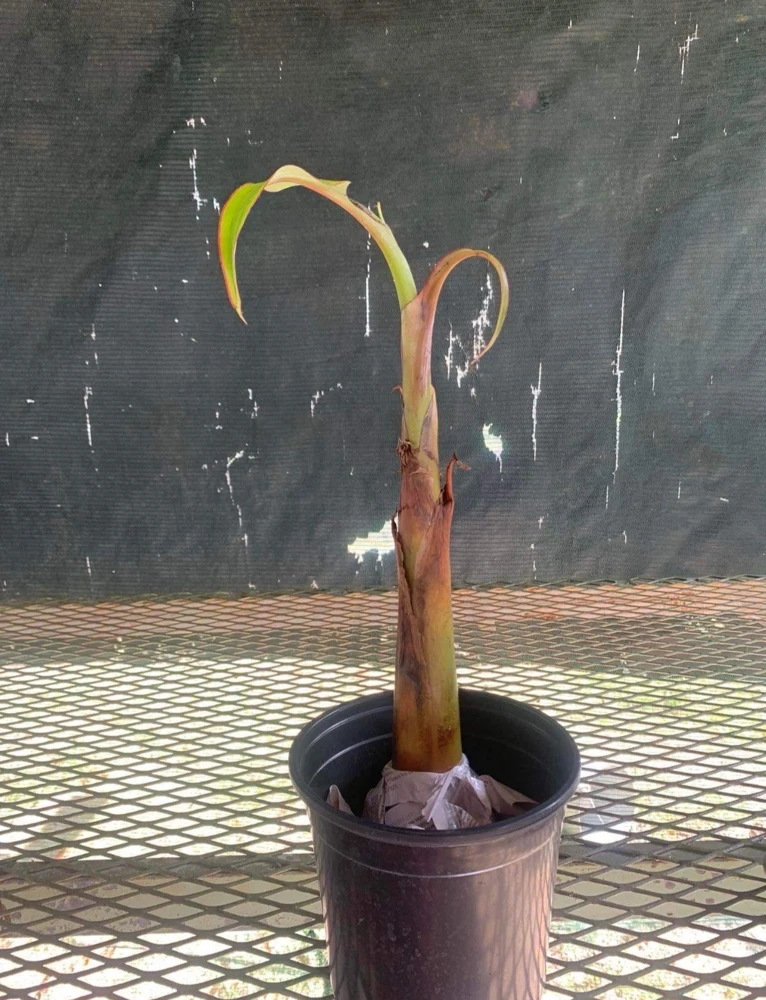
This offering is for one healthy rhino horn plantain live plant, typically measuring between 10 to 18 inches in height upon arrival. These young plants are well-rooted and established, ready for transplanting into your garden or a larger container. Plantain plants, including the Musa acuminata balbisiana, are known for their rapid growth under ideal conditions. While the mature size can vary, expect your plant to reach heights of 10-15 feet or more, with a spread of 5-8 feet, forming a significant tropical presence in your landscape. The plant is shipped in a nursery pot with soil, ensuring minimal shock during transit.
Under optimal care, you can typically expect your plantain fruit tree to begin producing fruit within 12-18 months of planting. The ‘Rhino Horn’ variety is known for its impressive fruit size, with individual plantains often growing up to 18-24 inches long. Each plant will produce one large bunch of fruit before the main stem dies back, making way for new suckers to grow and continue the cycle. This continuous production ensures a long-term supply of fresh plantains from a single planting. The robust nature of this plant makes it a rewarding choice for anyone interested in growing their own tropical fruit.
Frequently Asked Questions
- Q: How big does this plant get? A: This rhino horn plantain live plant typically arrives at 10-18 inches tall. In ideal conditions, mature plants can reach heights of 10-15 feet or more, with a spread of 5-8 feet, forming a substantial tropical specimen.
- Q: What size pot does it come in? A: The plant is shipped in a standard nursery pot with soil, ensuring it is well-protected and ready for transplanting upon arrival. The exact pot size may vary but will be appropriate for the plant’s current height.
- Q: Is this an indoor or outdoor plant? A: The rhino horn plantain live plant is primarily an outdoor plant, thriving in tropical and subtropical climates (USDA Zones 9-11). In cooler regions, it can be grown in large containers and brought indoors during winter.
- Q: How much sunlight does it need? A: For best growth and fruit production, your plantain plant requires at least 6-8 hours of direct sunlight per day. While it can tolerate some partial shade, full sun is highly recommended.
- Q: Is this plant easy to care for? A: Yes, the rhino horn plantain live plant is considered relatively easy to care for, especially in suitable climates. It requires consistent watering, rich well-draining soil, and regular fertilization.
- Q: What condition will it arrive in? A: Your plantain plant will arrive healthy and robust, carefully packaged in a nursery pot with soil to ensure its well-being during transit. We take great care to minimize stress during shipping.
- Q: Can I use plantains in cooking? A: Absolutely! Plantains are a versatile culinary ingredient. They are typically cooked before eating and can be fried, baked, boiled, or roasted in both savory and sweet dishes.
- Q: How long until it produces fruit? A: Under optimal growing conditions, you can expect your plantain fruit tree to start producing fruit within 12-18 months after planting.
- Q: Will it survive winter in my zone? A: The rhino horn plantain live plant is hardy in USDA Zones 9-11. If you are in a colder zone, you will need to protect it from frost, either by bringing it indoors or providing significant winter protection.
- Q: What is the best way to get a good harvest from my organic plantain plant? A: To maximize your harvest, ensure your plant receives plenty of sun, consistent water, rich soil, and regular feeding, especially with potassium-rich fertilizer during the fruiting stage.
Be the first to review “Rhino Horn Plantain Fruit Plant – Musa Acuminata Balbisiana – Live Plant (10-18in)”
Related products


You May Like

Hardneck vs. Softneck Garlic: Which Should You Grow?
Have you ever stood in front of a seed catalog in mid-September, staring at dozens [...]
Oct

When to Plant Music Garlic: Ultimate US Fall Guide
Have you ever spent your fall weekend placing carefully chosen garlic cloves into rich, dark [...]
1 Comment
Oct

5 Best Bulbs for Fall Planting: Brighten Your Garden This Spring
Are you dreaming of a garden full of vibrant colors in the spring? The key [...]
Aug

10 Houseplants That Will Thrive in Your Kitchen
Are you tired of your kitchen feeling dull and lifeless? Want to add a little [...]
1 Comment
Aug
Reviews
There are no reviews yet.