
Prunus Domestica European Plum Seeds – 10 Count Fruit Seeds for Outdoor Growing
Original price was: 19.98 $.15.99 $Current price is: 15.99 $.
Cultivate your own delicious fruit with our European Plum seeds (Prunus Domestica). This pack contains 10 high-quality seeds, perfect for starting your own plum trees outdoors. Enjoy fresh, homegrown fruit from these hardy, self-pollinating trees.
Estimated arrival
Nov 27
Dec 02 - Dec 04
Dec 04 - Dec 09
See our Shipping Policy.
Get in touch with us via email, and our team will review your concerns.
Our Alive & Thrive Guarantee covers issues with your plants within the first 30 days. Read our Refund & Returns Policy.
-
USDA Hardiness Zone
unknown -
Soil Type
Well-draining loamy soil -
Sunlight Exposure
Full Sun -
Expected Planting Period
Fall or early spring
Overview
Embark on a rewarding gardening journey by growing your own fruit trees from seed. This offering includes premium European Plum seeds (Prunus Domestica), providing you with the opportunity to cultivate delicious plums right in your backyard. Known for their sweet and juicy fruit, European Plums are a favorite for fresh eating, baking, and preserves. These perennial fruit seeds will mature into deciduous trees that produce an abundance of edible plums. The Prunus Domestica species is renowned for its adaptability and robust growth, making it a fantastic choice for both novice and experienced gardeners eager to establish a productive home orchard. Each packet contains 10 viable seeds, carefully selected to ensure a successful start to your plum-growing adventure.
The Prunus Domestica seeds are a fantastic way to introduce a long-term fruiting plant to your garden. These trees not only provide a bountiful harvest but also add ornamental value with their beautiful spring blossoms. If you’re looking to grow European Plum varieties, starting from seed offers a unique connection to the plant’s life cycle, from germination to fruit production. These seeds are ideal for anyone passionate about sustainable living and enjoying fresh, organic produce.
Key Benefits
Growing your own European Plum seeds offers a multitude of advantages, both for your garden and your table. These benefits extend beyond just the delicious fruit, enhancing your gardening experience:
- Abundant Harvest: Once established, European Plum trees are known for their generous yields, providing plenty of fruit for fresh consumption, canning, or freezing.
- Fresh, Organic Produce: Enjoy the satisfaction of harvesting your own plums, free from pesticides and chemicals, ensuring the freshest taste and quality.
- Ornamental Appeal: Beyond their fruit, these trees offer beautiful white flowers in spring, adding significant aesthetic value to your landscape.
- Self-Pollinating Varieties: Many Prunus Domestica varieties are self-pollinating, meaning you may only need one tree to get a good harvest, simplifying the planting process.
- Long-Term Investment: As perennial trees, European Plums represent a long-term investment in your garden, providing fruit for many years to come with proper care.
- Educational Experience: Starting from plum tree seeds is a wonderful educational project for families, teaching about plant life cycles and sustainable food practices.
- Versatile Culinary Use: The plums can be enjoyed fresh, baked into pies and tarts, made into jams and jellies, or dried for a healthy snack.
Plant Care & Growing Tips
To successfully grow European Plum trees from seed, proper care and attention are essential. Begin by stratifying your Prunus Domestica seeds, as they require a period of cold to break dormancy. Place the seeds in a moist medium like peat moss or sand, seal them in a plastic bag, and refrigerate for 2-3 months at temperatures between 35-45°F (1-7°C). After stratification, plant the seeds about 1 inch deep in well-draining soil, either directly outdoors in fall or indoors in pots in early spring.
European Plum trees thrive in full sun, requiring at least 6-8 hours of direct sunlight daily for optimal fruit production. They prefer a rich, well-draining soil with a pH between 6.0 and 7.0. While relatively drought-tolerant once established, young trees need consistent moisture. Water deeply, especially during dry periods, ensuring the soil remains moist but not waterlogged. Fertilize young trees annually with a balanced slow-release fertilizer in early spring. Pruning is crucial for plum trees; remove dead or diseased branches and thin out crowded areas to encourage better air circulation and fruit development. Watch out for common pests like aphids and plum curculio, and diseases such as brown rot, addressing them promptly with organic or chemical treatments as needed. These outdoor fruit trees are hardy and can withstand various conditions, but protection from harsh winter winds is beneficial for young saplings.
Size & Details
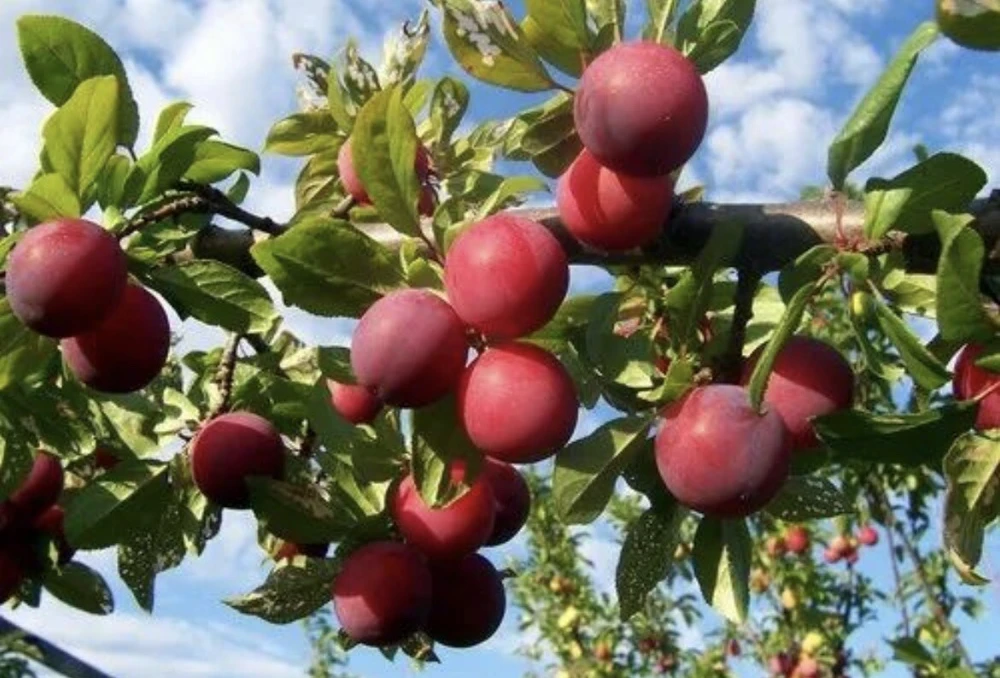
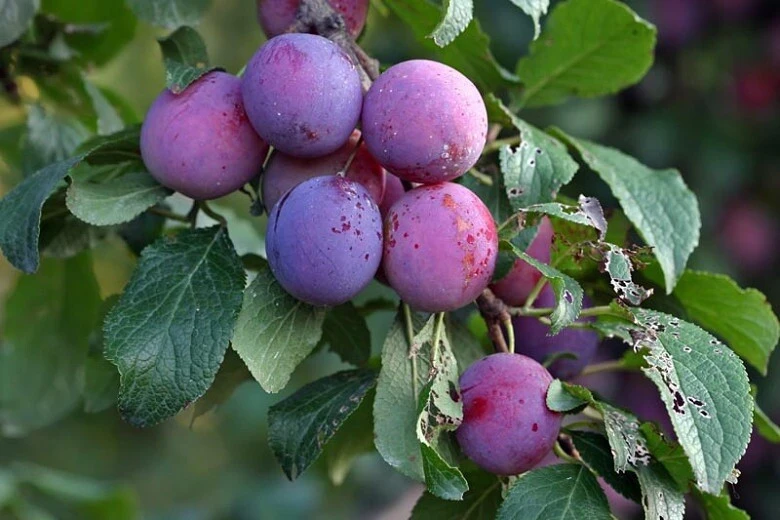
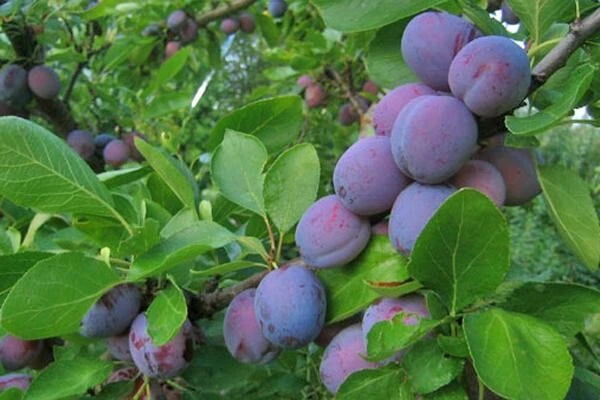
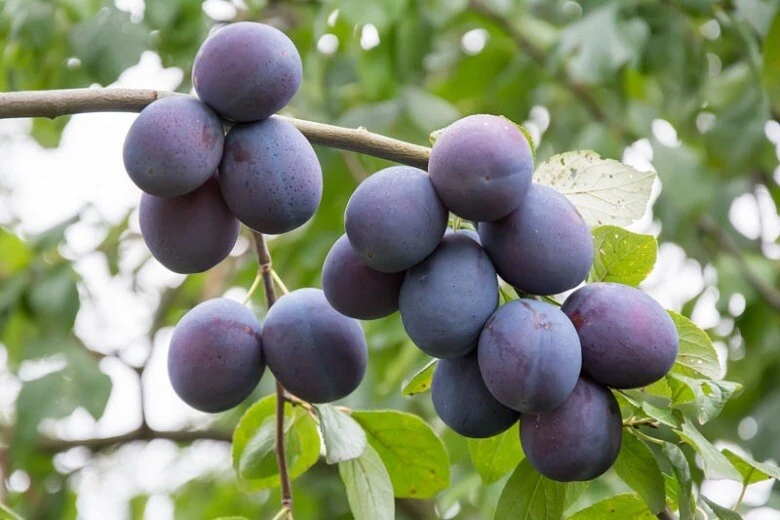
This offering includes 10 European Plum seeds, ready for planting. Once established, plum tree seeds will grow into medium-sized deciduous trees, typically reaching heights of 15-20 feet with a spread of 10-15 feet. Growth habit is generally clumping, forming a rounded canopy. The trees are perennial, meaning they will return year after year, providing continuous harvests. Expect your plum trees to begin bearing fruit within 3-6 years after planting, with full production typically achieved around 5-8 years. The fruit itself varies in color from green to purple, often with a whitish bloom, and ripens from late summer to early fall depending on the specific variety and climate. These outdoor fruit seeds are perfect for integrating into a diverse garden or creating a dedicated orchard space.
Frequently Asked Questions
- Q: How big do these plum trees get? A: European Plum trees typically grow to a height of 15-20 feet with a spread of 10-15 feet, forming a medium-sized, rounded canopy.
- Q: Is this an indoor or outdoor plant? A: These European Plum seeds are intended for growing outdoors. Plum trees require ample space and sunlight to thrive and produce fruit.
- Q: How much sunlight does it need? A: Plum trees require at least 6-8 hours of direct sunlight per day to ensure healthy growth and optimal fruit production. Full sun exposure is ideal.
- Q: Is this plant easy to care for? A: While growing plum trees from seed requires some initial patience and care, established trees are relatively low-maintenance, making them suitable for gardeners of varying experience levels.
- Q: What condition will the seeds arrive in? A: The seeds will arrive as a packet of 10 dried, viable Prunus Domestica seeds, ready for stratification and planting.
- Q: How long until it blooms and fruits? A: Plum trees grown from plum tree seeds typically begin to bloom and produce fruit within 3-6 years, with full production reached around 5-8 years.
- Q: Will it survive winter in my zone? A: European Plum trees are generally hardy and can survive winters in many temperate zones. They are deciduous and go dormant in winter. Consult your local USDA hardiness zone for specific compatibility.
- Q: What is the best time to plant these plum tree seeds? A: After stratification, you can plant the seeds directly outdoors in late fall for natural germination in spring, or start them indoors in pots in early spring.
- Q: Are these European Plum trees self-pollinating? A: Many varieties of Prunus Domestica are self-pollinating, meaning you may only need one tree to produce fruit. However, planting multiple trees can often lead to a larger harvest.
- Q: What kind of soil do these outdoor fruit seeds need? A: These seeds thrive in rich, well-draining soil with a pH between 6.0 and 7.0. Amend heavy clay soils with organic matter to improve drainage.
Be the first to review “Prunus Domestica European Plum Seeds – 10 Count Fruit Seeds for Outdoor Growing”
Related products


You May Like

How to Grow Passion Flower (Passiflora) for Tropical Blooms
Few climbing vines in the home garden command attention quite like the exotic Passion Flower (Passiflora). [...]
Nov

Thanksgiving Cactus Care: How to Get Thanksgiving Cactus to Bloom
Is your Thanksgiving cactus growing well but not giving you any flowers? Maybe it looked [...]
Nov

How to Grow Garlic for a Bountiful Home Harvest
Garlic (Allium sativum) is one of the most satisfying, low-maintenance, and flavor-packed crops you can [...]
Oct

Hardneck vs. Softneck Garlic: Which Should You Grow?
Have you ever stood in front of a seed catalog in mid-September, staring at dozens [...]
1 Comment
Oct

When to Plant Music Garlic: Ultimate US Fall Guide
Have you ever spent your fall weekend placing carefully chosen garlic cloves into rich, dark [...]
1 Comment
Oct

5 Best Bulbs for Fall Planting: Brighten Your Garden This Spring
Are you dreaming of a garden full of vibrant colors in the spring? The key [...]
Aug

10 Houseplants That Will Thrive in Your Kitchen
Are you tired of your kitchen feeling dull and lifeless? Want to add a little [...]
1 Comment
Aug
Reviews
There are no reviews yet.