

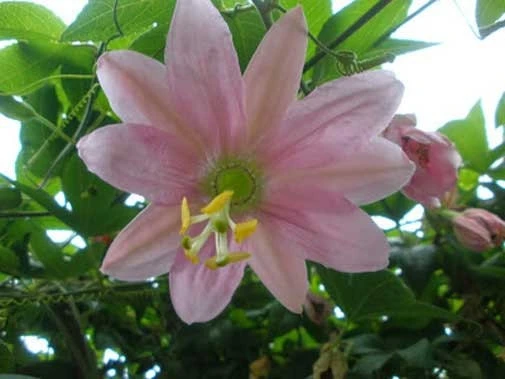
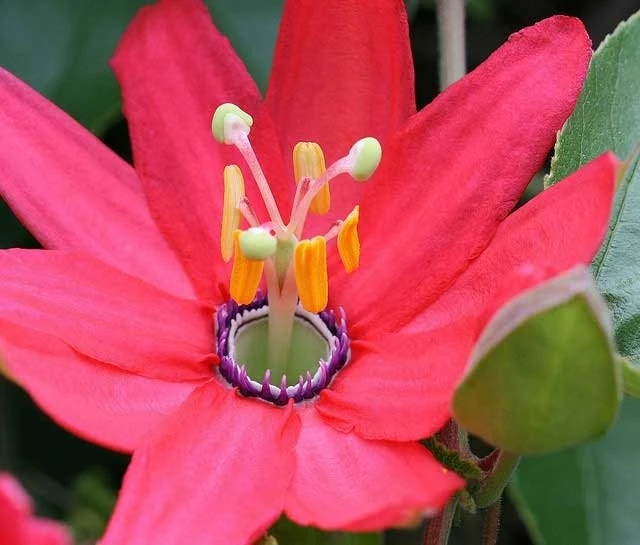
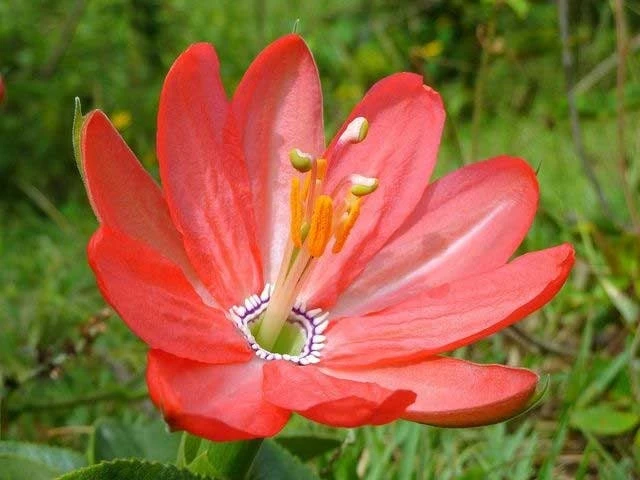
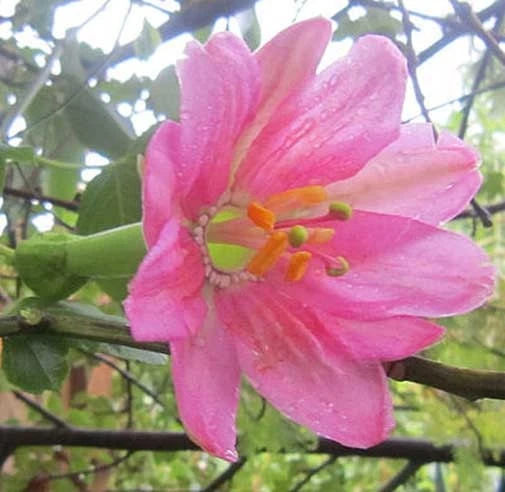
Passiflora mixta Seeds – Curuba Banana Passionfruit – 5 Seed Pack
Original price was: 56.91 $.27.91 $Current price is: 27.91 $.
Cultivate the exotic passiflora mixta seeds, also known as Curuba or Northern Banana Passionfruit. This pack contains 5 seeds of a unique vine known for its striking pink to reddish-orange flowers and edible green-yellow fruits. Perfect for gardeners in USDA Zones 9-11 looking for an attractive and productive addition to their garden.
Estimated arrival
Nov 27
Dec 02 - Dec 04
Dec 04 - Dec 09
See our Shipping Policy.
Get in touch with us via email, and our team will review your concerns.
Our Alive & Thrive Guarantee covers issues with your plants within the first 30 days. Read our Refund & Returns Policy.
-
USDA Hardiness Zone
USDA Zones 9-11 -
Soil Type
Well-draining, rich in organic matter -
Sunlight Exposure
Full sun to partial shade -
Expected Planting Period
Spring to early summer
Overview
Embark on a rewarding gardening journey with passiflora mixta seeds. Also known by various common names such as Curuba, Curuba de Indio, Curuba de Monte, Curubita, Palta, Parcha, and Tacso, this species offers a fascinating blend of ornamental beauty and edible bounty. This important Passiflora species is renowned for its distinctive long flower tube, which boasts a captivating color range from delicate pink to vibrant reddish-orange. Cultivating curuba seeds allows you to grow a vigorous vine that not only adds tropical flair to your landscape but also produces delicious fruit. Often referred to as the northern banana passionfruit, this plant is a significant species in passion fruit breeding, contributing valuable genetic traits to hybrid varieties. It’s an excellent choice for gardeners interested in unique fruit-bearing plants or those looking to attract specific wildlife.
These passiflora mixta seeds provide an opportunity to grow a plant that thrives in USDA Hardiness Zones 9 to 11. Imagine watching your own vine mature, producing beautiful blooms and then yielding edible fruits. The process of growing from seed offers a deeper connection to nature and a sense of accomplishment as you nurture this exotic plant from its very beginning. Whether you’re an experienced horticulturist or a passionate home gardener, adding this unique passionfruit variety to your collection will undoubtedly enhance your green space.
Key Benefits
Growing passiflora mixta seeds offers a multitude of benefits, transforming your garden into a vibrant, productive, and wildlife-friendly haven. This remarkable plant is more than just a beautiful vine; it’s a dynamic addition to any suitable landscape.
- Exotic Floral Display: Enjoy the unique and striking pink to reddish-orange flowers with their characteristic long tubes. These blooms are a true spectacle, providing visual interest and a tropical touch to your garden.
- Edible Fruit Production: Harvest delicious green to greenish-yellow fruits that can be enjoyed raw or used to make refreshing drinks. This provides a fresh, homegrown source of unique flavor.
- Wildlife Attraction: This vine is a critical host plant for a wide array of butterflies, including the Zebra Long Wing, Julia Heliconian, and Gulf Fritillary, among many others. It also supports the Plebeian sphinx Moth larvae, enriching local biodiversity.
- Hummingbird Magnet: In its natural habitat, the plant is pollinated by the Sword-billed hummingbird, a truly unique species. While not guaranteed, growing this plant can attract hummingbirds to your garden, adding to its charm.
- Passion Fruit Breeding Potential: For enthusiasts, this species is important in passion fruit breeding, offering genetic material for developing new varieties.
- Unique Garden Addition: Stand out from typical garden plants with the distinctive appearance and dual benefits of ornamental flowers and edible fruit, making your garden truly special.
- Rewarding Growth Experience: Experience the satisfaction of nurturing a plant from seed to maturity, enjoying its growth cycle and the eventual bounty it provides. Understanding growing passiflora mixta from seed is a fulfilling endeavor.
Plant Care & Growing Tips
Successful cultivation of passiflora mixta seeds begins with proper care and attention to its specific needs. This vine thrives in conditions that mimic its natural subtropical environment. For best results, sow your curuba seeds in well-draining soil. A mix of potting soil with added perlite or sand will ensure adequate drainage, preventing root rot which can be detrimental to young seedlings. Once established, the plant prefers consistently moist soil but dislikes being waterlogged. Water regularly, especially during dry periods, allowing the top inch of soil to dry out slightly between waterings.
When considering sunlight, Passiflora mixta prefers full sun to partial shade. In hotter climates, some afternoon shade can prevent leaf scorch, while in cooler zones, more direct sun will encourage robust growth and flowering. This plant is a vigorous grower and will benefit from a trellis or other support structure to climb. Fertilize during the growing season (spring and summer) with a balanced liquid fertilizer every 2-4 weeks. Pruning can be done to manage its size and shape, and to encourage more flowering and fruiting. Pay attention to pest control, as passion vines can sometimes attract aphids or spider mites, which can be managed with organic insecticidal soaps. Proper passiflora mixta plant care will lead to a thriving vine.
The ideal temperature range for Passiflora mixta is generally above 50°F (10°C). As it is suited for USDA Hardiness Zones 9 to 11, it can tolerate mild frosts but will require protection or to be brought indoors in regions with colder winters. If you are in a borderline zone, consider planting it in a container that can be moved. Good air circulation is also important to prevent fungal diseases. While it’s a relatively easy plant to grow once established, providing the right conditions from the start will ensure a healthy and productive vine. For those wondering about how to grow passiflora mixta, these guidelines are a great starting point.
Size & Details
This offering includes a pack of 5 seeds of Passiflora mixta, ready for you to begin your cultivation journey. Once established, the Passiflora mixta vine can reach considerable lengths, typically growing 15 to 20 feet or more with adequate support. Its vigorous climbing habit makes it an excellent choice for arbors, pergolas, or fences, providing dense foliage and a stunning floral display. The individual flowers, with their distinctive long tubes, can be several inches in length, and the edible fruits are typically green to greenish-yellow when ripe, ranging from 2 to 4 inches long. Growth rate is moderate to fast, especially in warm climates with ample sunlight and moisture. When planting these curuba seeds, anticipate a few months for germination and initial growth, with flowering and fruiting typically occurring within 1-2 years under optimal conditions. The seeds are carefully packaged to ensure viability upon arrival, offering you the best start to growing this unique and beautiful vine.
Frequently Asked Questions
- Q: How big does this Passiflora mixta vine get? A: The Passiflora mixta vine is a vigorous climber that can typically reach lengths of 15 to 20 feet or more when provided with adequate support and optimal growing conditions. Its spread will depend on how it’s trained.
- Q: Is this an indoor or outdoor plant? A: Passiflora mixta is primarily an outdoor plant, especially suited for USDA Hardiness Zones 9 to 11. In colder climates, it can be grown in containers and brought indoors during winter, or treated as an annual.
- Q: How much sunlight does Passiflora mixta need? A: This plant thrives in full sun to partial shade. In regions with intense summer heat, providing some afternoon shade can protect the foliage from scorching. Adequate sunlight is crucial for flowering and fruiting.
- Q: Is this plant easy to care for? A: Once established, Passiflora mixta is relatively easy to care for. It requires consistent watering, well-draining soil, and a support structure for climbing. Regular fertilization during the growing season will also promote healthy growth.
- Q: What condition will the seeds arrive in? A: Your passiflora mixta seeds will arrive carefully packaged to ensure their viability. We recommend planting them as soon as possible after receipt to maximize germination rates.
- Q: How long until it blooms and produces fruit? A: Typically, Passiflora mixta grown from seed will begin to bloom and produce fruit within 1 to 2 years under ideal growing conditions. Patience and consistent care are key to reaching this stage.
- Q: What is the best time to plant Passiflora mixta seeds? A: The best time to plant curuba seeds is in spring or early summer, after all danger of frost has passed. This allows the young seedlings to establish themselves during the warmer growing season.
- Q: Can I use the fruit from this Passiflora mixta? A: Yes, the green to greenish-yellow fruits of Passiflora mixta are edible. They can be enjoyed raw, or used to make various refreshing drinks and culinary creations, similar to other passionfruit varieties.
- Q: What kind of soil is best for growing passiflora mixta? A: Passiflora mixta prefers well-draining soil that is rich in organic matter. A good quality potting mix amended with perlite or sand is ideal for container growing, while garden soil should be amended to improve drainage.
- Q: What is the minimum temperature this plant can tolerate? A: This species is hardy in USDA Zones 9-11, meaning it can tolerate temperatures down to about 20-30°F (-6 to -1°C) for short periods. In colder zones, protection from frost is essential.
Be the first to review “Passiflora mixta Seeds – Curuba Banana Passionfruit – 5 Seed Pack”
Related products


Fruit Seeds
Southern Highbush Blueberry Seeds – 50 Pre-Stratified Vaccinium Corymbosum Fruit Bush Seeds


You May Like

How to Grow Passion Flower (Passiflora) for Tropical Blooms
Few climbing vines in the home garden command attention quite like the exotic Passion Flower (Passiflora). [...]
Nov

Thanksgiving Cactus Care: How to Get Thanksgiving Cactus to Bloom
Is your Thanksgiving cactus growing well but not giving you any flowers? Maybe it looked [...]
Nov

How to Grow Garlic for a Bountiful Home Harvest
Garlic (Allium sativum) is one of the most satisfying, low-maintenance, and flavor-packed crops you can [...]
Oct

Hardneck vs. Softneck Garlic: Which Should You Grow?
Have you ever stood in front of a seed catalog in mid-September, staring at dozens [...]
1 Comment
Oct

When to Plant Music Garlic: Ultimate US Fall Guide
Have you ever spent your fall weekend placing carefully chosen garlic cloves into rich, dark [...]
1 Comment
Oct

5 Best Bulbs for Fall Planting: Brighten Your Garden This Spring
Are you dreaming of a garden full of vibrant colors in the spring? The key [...]
Aug

10 Houseplants That Will Thrive in Your Kitchen
Are you tired of your kitchen feeling dull and lifeless? Want to add a little [...]
1 Comment
Aug
Reviews
There are no reviews yet.