
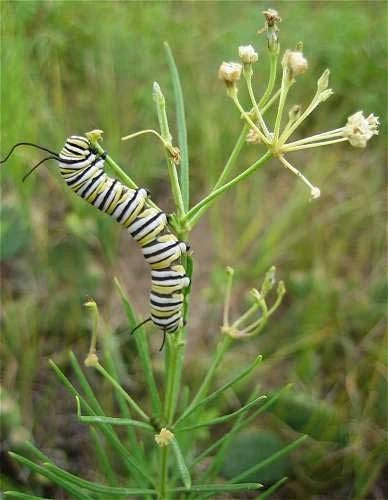
Whorled Milkweed Seeds – Asclepias verticillata – 50 Seed Pack for Monarch Butterflies – Outdoor
Original price was: 48.91 $.19.91 $Current price is: 19.91 $.
Cultivate essential habitat with Whorled Milkweed seeds (Asclepias verticillata). This native wildflower is a vital host plant for Monarch, Queen, and Soldier butterflies, offering late-season blooms and natural deer resistance. Each pack contains 50 seeds, perfect for creating a pollinator-friendly garden in USDA Zones 3-9.
Estimated arrival
Nov 27
Dec 02 - Dec 04
Dec 04 - Dec 09
See our Shipping Policy.
Get in touch with us via email, and our team will review your concerns.
Our Alive & Thrive Guarantee covers issues with your plants within the first 30 days. Read our Refund & Returns Policy.
-
USDA Hardiness Zone
3 to 9 -
Soil Type
Dry, well-draining soil -
Sunlight Exposure
Full sun -
Expected Planting Period
Late fall or early spring
Overview
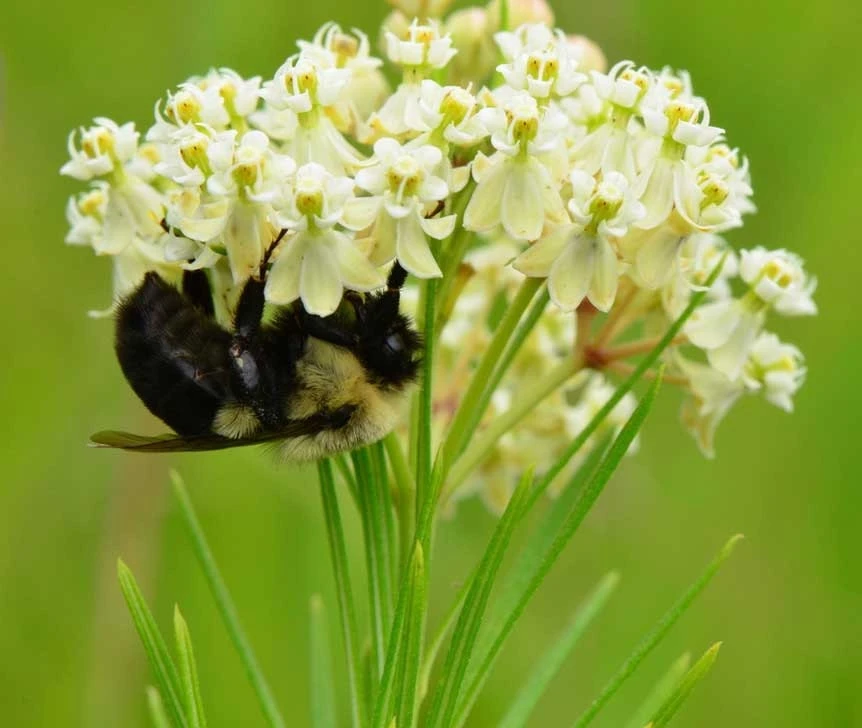
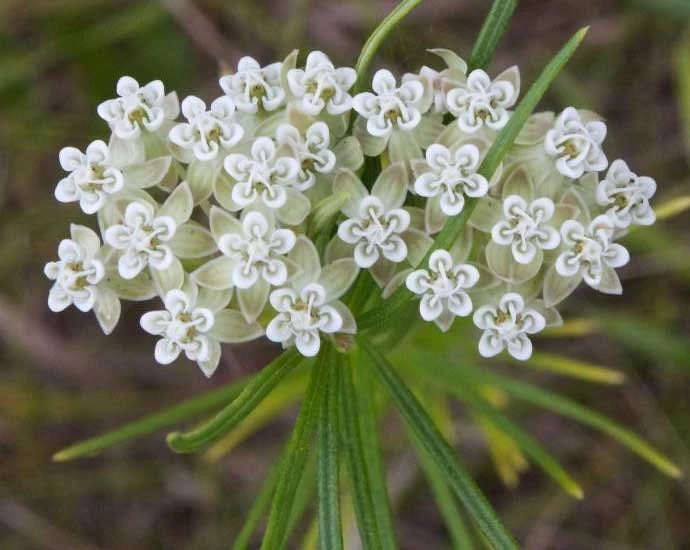
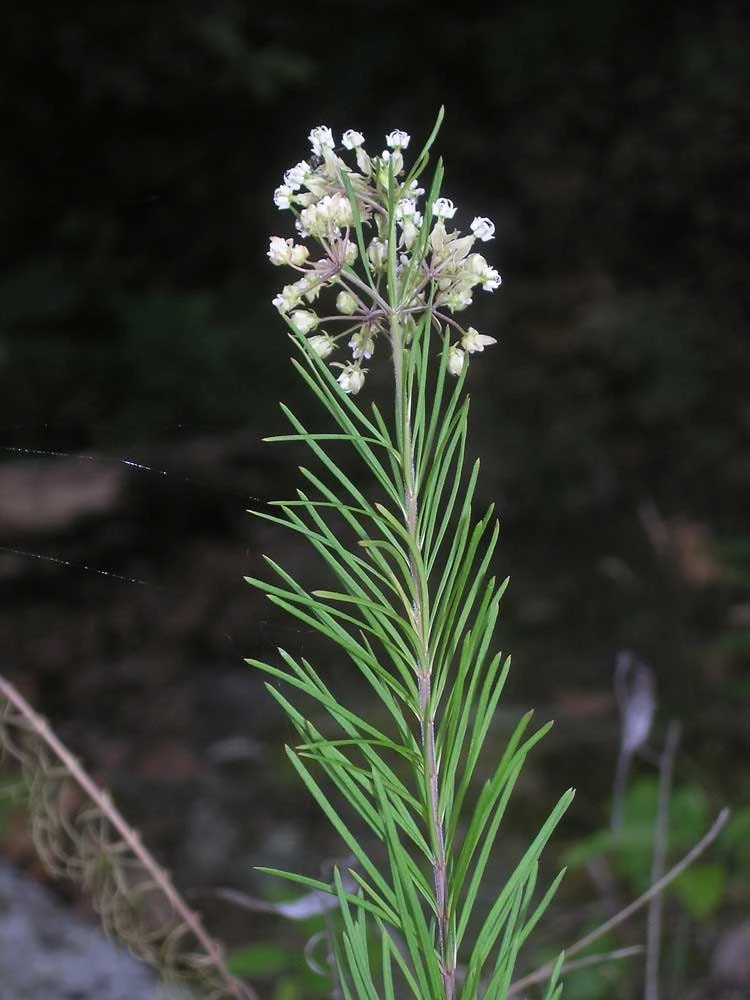
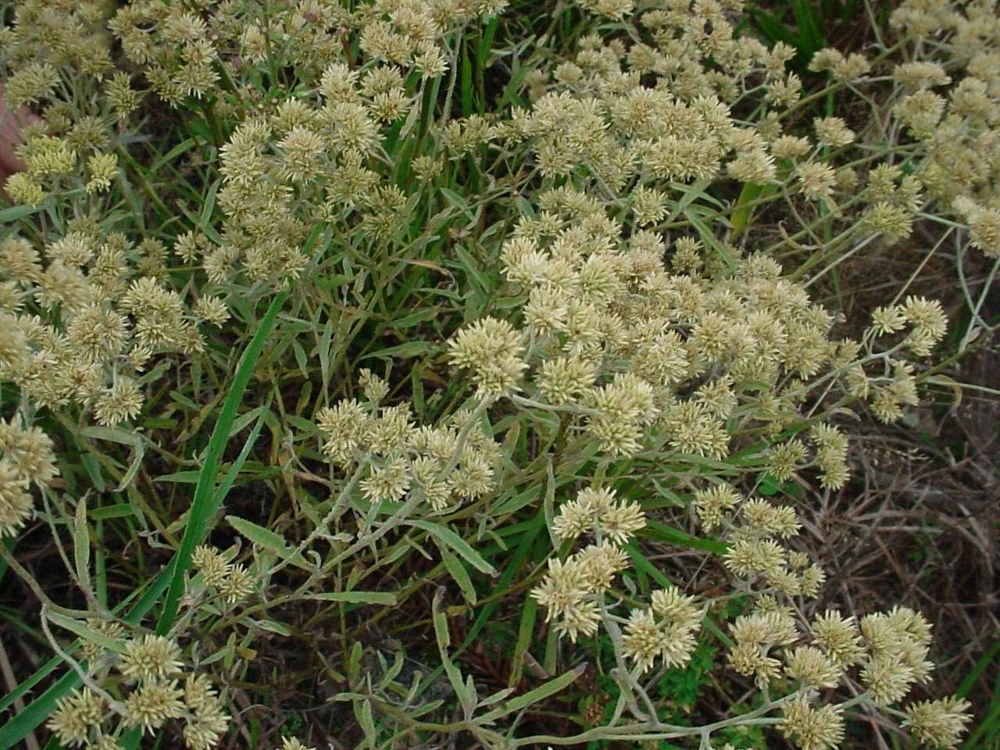
Introduce a cornerstone of pollinator support to your garden with our premium Whorled Milkweed seeds. Also known by its botanical name, Asclepias verticillata, this remarkable native perennial is a slender, elegant addition to any landscape. Unlike some of its broader-leaved relatives, Whorled Milkweed features delicate, needle-like leaves arranged in whorls around its stem, giving it a distinctive appearance. Beyond its unique aesthetic, this plant is an ecological powerhouse, serving as a critical larval host plant for the iconic Monarch butterfly, as well as Queen and Soldier butterflies. Planting Whorled Milkweed seeds helps ensure the survival of these beautiful pollinators by providing them with the necessary food source for their caterpillars. This variety is also celebrated for its deer resistance and its ability to bloom into late September, extending the foraging season for beneficial insects when other milkweeds have finished their display. Its lightly scented, white flowers are a subtle yet charming attraction, making it a valuable and resilient choice for gardeners dedicated to supporting local ecosystems.
Growing Asclepias verticillata seeds allows you to directly contribute to butterfly conservation efforts right from your backyard. These seeds are perfect for creating naturalized areas, pollinator gardens, or adding a touch of native beauty to perennial borders. With its adaptability to dry conditions and full sun, Whorled Milkweed is a low-maintenance yet high-impact plant, ideal for gardeners seeking both beauty and ecological benefit. Embrace the joy of watching butterflies flock to your garden with these essential milkweed seeds.
Key Benefits
Planting Whorled Milkweed seeds offers a multitude of advantages for both your garden and the environment. This native plant is a true workhorse, providing crucial support for local ecosystems while requiring minimal fuss from the gardener. Its unique characteristics make it a standout choice for sustainable landscaping.
- Essential Butterfly Host Plant: Whorled Milkweed is a vital larval host for Monarch, Queen, and Soldier butterflies. By growing this plant from Asclepias verticillata seeds, you provide the necessary food source for caterpillars, directly supporting the life cycle of these important pollinators.
- Deer Resistant: A significant advantage for many gardeners, Whorled Milkweed naturally deters deer, making it an excellent choice for areas where deer browsing is a concern. You can enjoy its beauty and ecological benefits without worry.
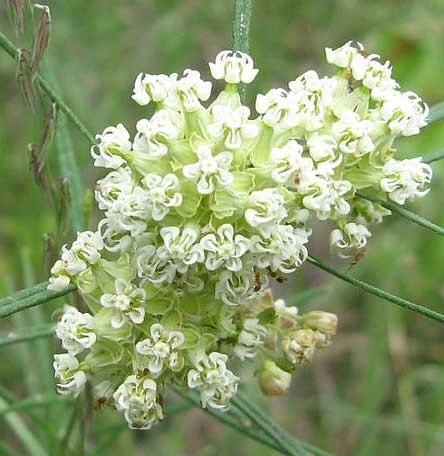
- Late-Season Blooms: This milkweed variety extends the blooming season, often flowering into late September. Its delicate white flowers provide nectar for adult butterflies and other pollinators when many other plants have finished blooming, offering a crucial late-season food source.
- Drought Tolerant: Once established, Whorled Milkweed is highly tolerant of dry conditions, making it a low-water-use plant perfect for xeriscaping or gardens in arid climates. It thrives in well-drained, dry soils.
- Lightly Scented Flowers: The small, white flowers of Whorled Milkweed emit a subtle, pleasant fragrance, adding another layer of sensory appeal to your garden. This gentle scent also helps attract a variety of beneficial insects.
- Supports Biodiversity: Beyond butterflies, the flowers attract a wide range of native bees and other beneficial insects, contributing to a healthier, more diverse garden ecosystem. Planting native milkweed seeds enhances overall biodiversity.
- Low Maintenance Native: As a native species, Whorled Milkweed is well-adapted to local conditions, requiring minimal care once established. It’s a resilient and hardy plant that thrives with little intervention, making it ideal for busy gardeners.
Plant Care & Growing Tips
Successfully growing Whorled Milkweed seeds is straightforward, especially when you understand its preferred conditions. This resilient native plant thrives with minimal intervention, making it an excellent choice for both novice and experienced gardeners. The key to its success lies in mimicking its natural habitat. For optimal germination, many milkweed seeds benefit from a cold stratification period. This can be achieved by placing the seeds in a moist paper towel inside a sealed plastic bag and refrigerating them for 30-60 days before planting. Alternatively, you can sow the seeds directly outdoors in late fall or early winter, allowing nature to provide the necessary cold period.
Once ready, sow your Asclepias verticillata seeds directly into well-draining soil after the last frost in spring, or in late fall for natural stratification. Plant seeds about 1/4 inch deep and space them 12-18 inches apart. This plant absolutely loves sunlight; it performs best in full sun, meaning at least 6-8 hours of direct sunlight per day. It is highly adaptable to various soil types but prefers dry to medium-moisture, well-drained soils. Avoid overly rich or constantly wet soils, as these can lead to root rot. Initial watering is important to help establish seedlings, but once mature, Whorled Milkweed is quite drought-tolerant and requires infrequent watering. Fertilization is generally not necessary, as native plants are adapted to leaner soil conditions. This plant is hardy in USDA Zones 3 to 9, making it suitable for a wide range of climates. Monitor for common garden pests, though milkweeds are generally robust. This deer resistant milkweed is a low-maintenance joy.
Size & Details
Our offering includes a generous pack of 50 Whorled Milkweed seeds, providing ample opportunity to establish a thriving patch of this essential native plant. Each seed has the potential to grow into a slender, upright perennial typically reaching heights of 1 to 3 feet, with a spread of about 1 to 2 feet. The plant’s narrow, linear leaves are arranged in distinctive whorls along the stem, giving it a unique, delicate texture in the garden. These seeds are shipped as dry, viable seeds, ready for stratification and planting. Once planted, germination typically occurs in spring after stratification, with seedlings emerging within a few weeks. Plants usually establish well in their first year, with flowering commencing in the second year from seed. The small, white, star-shaped flowers appear in clusters, blooming from mid-summer through early fall, often continuing into late September, providing critical late-season nectar. This ensures a prolonged period of support for pollinators and a beautiful, naturalized look for your garden. The robust nature of this native species means it will readily self-seed in favorable conditions, gradually expanding its presence and creating an even larger habitat for butterflies.
Frequently Asked Questions
- Q: How many seeds are included in this pack? A: This pack contains 50 high-quality Whorled Milkweed seeds, providing a great start for your pollinator garden or native plant landscape.
- Q: Is this an indoor or outdoor plant? A: Whorled Milkweed (Asclepias verticillata) is an outdoor perennial native plant. It thrives in garden settings and is not typically grown indoors.
- Q: How much sunlight does Whorled Milkweed need? A: This plant requires full sun, meaning it needs at least 6-8 hours of direct sunlight per day to grow and flower optimally.
- Q: Is this plant easy to care for, especially for beginners? A: Yes, Whorled Milkweed is considered relatively easy to care for. Once established, it is drought-tolerant and requires minimal maintenance, making it suitable for gardeners of all experience levels.
- Q: What condition will the seeds arrive in? A: The seeds will arrive as dry, viable seeds, ready for cold stratification and planting according to the provided instructions.
- Q: When is the best time to plant Whorled Milkweed seeds? A: The best time to plant is in late fall/early winter for natural cold stratification, or in early spring after the last frost, following a period of artificial cold stratification.
- Q: Will this plant survive winter in my zone? A: Whorled Milkweed is hardy in USDA Zones 3 to 9, meaning it is well-equipped to survive winter conditions within this wide range of climates.
- Q: How tall does Whorled Milkweed get? A: Mature plants typically reach a height of 1 to 3 feet, creating a slender, upright presence in your garden.
- Q: Is this a good plant for attracting Monarch butterflies? A: Absolutely! Whorled Milkweed seeds grow into a crucial larval host plant for Monarch butterflies, providing essential food for their caterpillars and supporting their life cycle.
- Q: Is Whorled Milkweed deer resistant? A: Yes, this variety of milkweed is known for its natural deer resistance, making it an excellent choice for gardens prone to deer browsing. This makes it a great option for a deer resistant milkweed.
Be the first to review “Whorled Milkweed Seeds – Asclepias verticillata – 50 Seed Pack for Monarch Butterflies – Outdoor”
Related products



Seeds
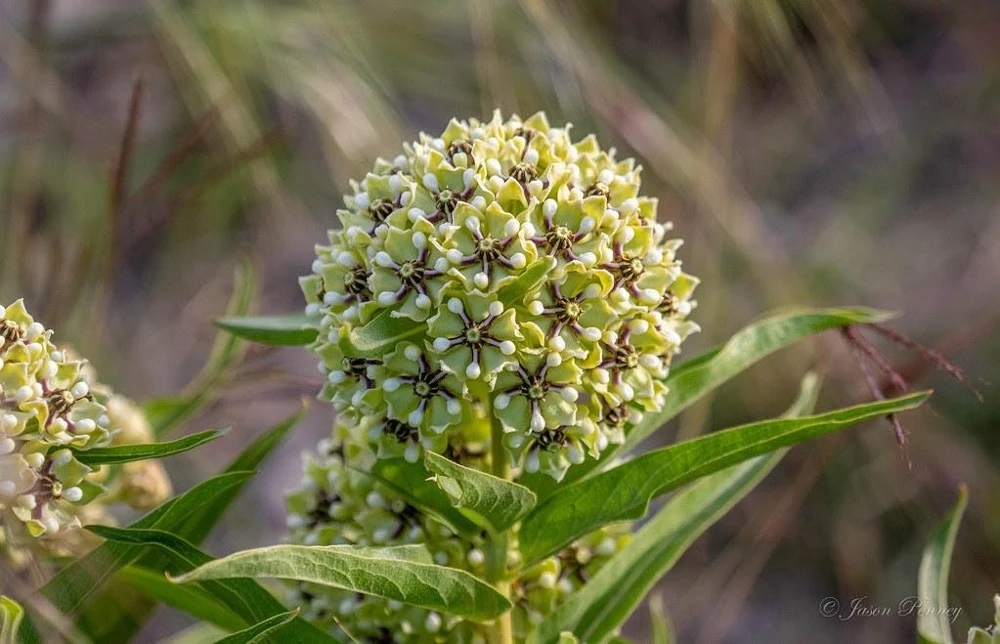
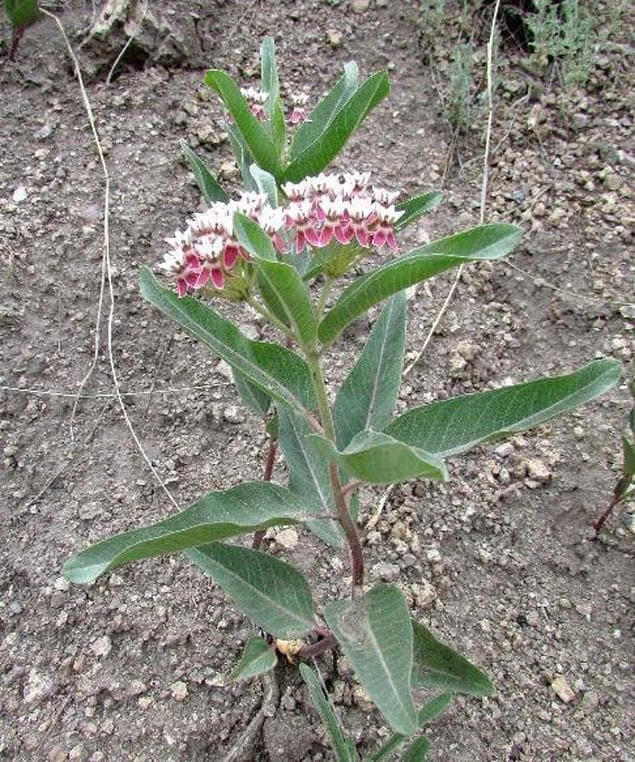
Antelope Horns Milkweed Seeds – Asclepias asperula – 10 Seed Packet – Outdoor Pollinator Plant
You May Like

How to Grow Passion Flower (Passiflora) for Tropical Blooms
Few climbing vines in the home garden command attention quite like the exotic Passion Flower (Passiflora). [...]
Nov

Thanksgiving Cactus Care: How to Get Thanksgiving Cactus to Bloom
Is your Thanksgiving cactus growing well but not giving you any flowers? Maybe it looked [...]
Nov

How to Grow Garlic for a Bountiful Home Harvest
Garlic (Allium sativum) is one of the most satisfying, low-maintenance, and flavor-packed crops you can [...]
Oct

Hardneck vs. Softneck Garlic: Which Should You Grow?
Have you ever stood in front of a seed catalog in mid-September, staring at dozens [...]
1 Comment
Oct

When to Plant Music Garlic: Ultimate US Fall Guide
Have you ever spent your fall weekend placing carefully chosen garlic cloves into rich, dark [...]
1 Comment
Oct

5 Best Bulbs for Fall Planting: Brighten Your Garden This Spring
Are you dreaming of a garden full of vibrant colors in the spring? The key [...]
Aug

10 Houseplants That Will Thrive in Your Kitchen
Are you tired of your kitchen feeling dull and lifeless? Want to add a little [...]
1 Comment
Aug
Reviews
There are no reviews yet.