
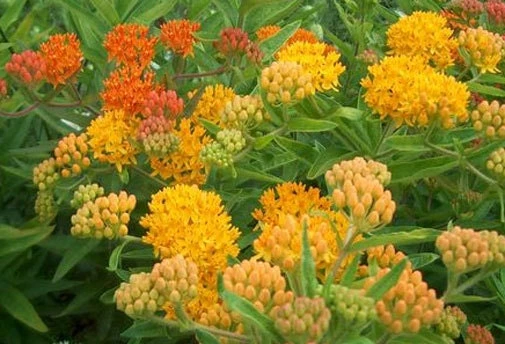
Asclepias Tuberosa Gay Butterflies Seeds – 10 Seeds – Attracts Butterflies
Original price was: 48.91 $.19.91 $Current price is: 19.91 $.
Cultivate a vibrant garden with Asclepias Tuberosa Gay Butterflies seeds. This pack contains 10 seeds to grow stunning orange milkweed flowers, renowned for attracting monarch butterflies and other pollinators, creating a lively and beautiful outdoor space.
Estimated arrival
Nov 27
Dec 02 - Dec 04
Dec 04 - Dec 09
See our Shipping Policy.
Get in touch with us via email, and our team will review your concerns.
Our Alive & Thrive Guarantee covers issues with your plants within the first 30 days. Read our Refund & Returns Policy.
-
USDA Hardiness Zone
3 to 8 -
Soil Type
Well-draining soil -
Sunlight Exposure
Full sun -
Expected Planting Period
Spring
Overview
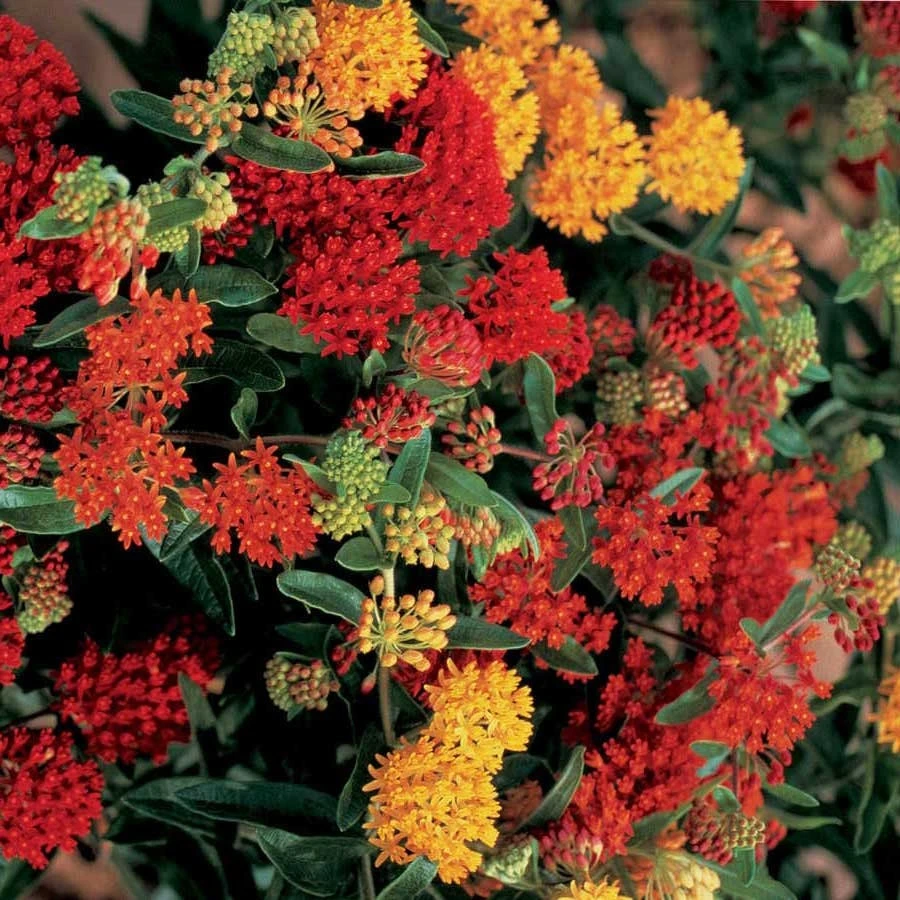
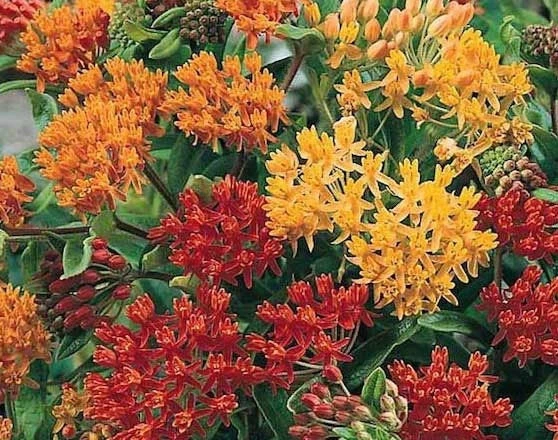
Transform your garden into a pollinator paradise with these Asclepias Tuberosa Gay Butterflies seeds. This offering includes 10 seeds of the spectacular Butterfly Milkweed, known for its dazzling display of bright orange and yellow blossoms. Asclepias Tuberosa, commonly called Butterfly Milkweed or Pleurisy Root, is a native North American perennial that is not only beautiful but also vital for local ecosystems. Its vibrant flowers burst with color, attracting a wide array of butterflies, including the iconic Monarch butterfly, making it an essential addition for any gardener interested in supporting biodiversity. Unlike many other milkweeds, this variety is clump-forming and does not spread aggressively, making it a well-behaved choice for perennial beds and borders.
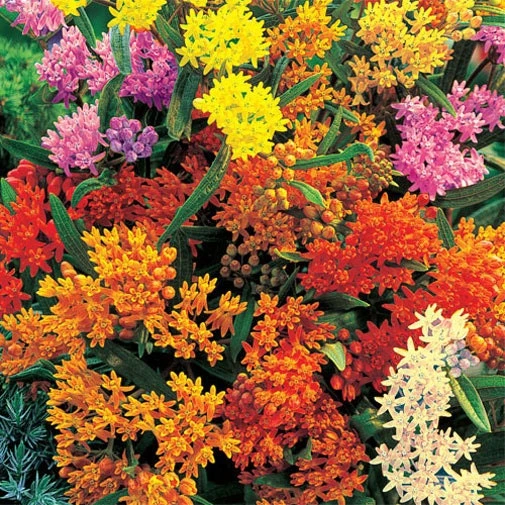
The ‘Gay Butterflies’ cultivar is particularly prized for its vivid, multi-hued flowers that emerge in clusters, providing continuous nectar sources throughout the summer months. Growing these butterfly milkweed seeds is a rewarding experience, as you watch your garden come alive with the fluttering wings of various pollinators. Each seed holds the promise of a robust plant that will contribute to the health of your local environment while offering unparalleled visual appeal. Whether you’re a seasoned gardener or just starting, these seeds provide an excellent opportunity to grow a plant that is both ornamental and ecologically beneficial.
This species is well-adapted to a range of conditions and once established, requires minimal care, making it an ideal choice for low-maintenance landscaping. Beyond its beauty, Asclepias Tuberosa serves as a crucial host plant for monarch butterfly caterpillars, providing the necessary food source for their development. By planting these milkweed plant seeds, you are actively participating in monarch conservation efforts, helping to ensure the survival of this beloved species. The brilliant blooms also attract other beneficial insects, enhancing the overall health and vitality of your garden.
Key Benefits
Planting Asclepias Tuberosa Gay Butterflies seeds offers a multitude of advantages for both your garden and the environment. These seeds will grow into resilient plants that provide continuous beauty and ecological support.
- Attracts Pollinators: These plants are a magnet for butterflies, including Monarchs, Gray Coopers, Banded Hairstreaks, and Phaon Crescents, serving as a critical nectar source. By planting these monarch butterfly host plant seeds, you’re creating a vital habitat.
- Vibrant Blooms: Enjoy a spectacular display of bright orange and yellow flowers that add a burst of color to your garden from summer to fall. The blossoms are several inches across and create a dazzling visual impact.
- Monarch Host Plant: Asclepias Tuberosa is the primary food source for Monarch butterfly caterpillars, making it an indispensable plant for supporting Monarch populations. Your garden becomes a safe haven for these iconic insects.
- Low Maintenance: Once established, Butterfly Milkweed is drought-tolerant and requires minimal care, making it perfect for gardeners seeking beautiful, yet easy-to-manage plants. It thrives in sunny conditions with well-draining soil.
- Hardy Perennial: Suitable for USDA Hardiness Zones 3 to 8, these plants return year after year, providing long-lasting beauty and ecological benefits. They are robust and can withstand various climates.
- Deer Resistant: Due to its natural chemical compounds, Asclepias Tuberosa is generally not favored by deer, protecting your garden from unwanted browsing. This allows your plants to flourish undisturbed.
- Ecological Impact: Beyond butterflies, these plants attract other beneficial insects like Clarks sphinx and Milkweed Tussock moths, contributing to a healthy and balanced garden ecosystem. Planting orange milkweed seeds helps foster a thriving environment.
Plant Care & Growing Tips
Growing Asclepias Tuberosa Gay Butterflies seeds successfully requires understanding their specific needs, particularly regarding sunlight, soil, and watering. These plants are relatively low-maintenance once established, but proper initial care will ensure robust growth and abundant blooms. Start by stratifying the seeds for 30-60 days; this cold treatment mimics natural winter conditions and helps break dormancy, improving germination rates significantly. After stratification, sow the seeds directly outdoors in spring after the last frost, or start them indoors 6-8 weeks before the last frost date.
For optimal growth, Butterfly Milkweed thrives in full sun, meaning at least 6-8 hours of direct sunlight per day. It prefers well-draining soil, ranging from sandy to loamy, and can even tolerate poor soil conditions, provided it doesn’t stay waterlogged. Avoid heavy clay soils that retain too much moisture, as this can lead to root rot. If your soil is heavy, amend it with sand or compost to improve drainage. When watering, ensure the soil is consistently moist during the germination phase and while the seedlings are establishing. Once mature, Asclepias Tuberosa Gay Butterflies seeds plants are quite drought-tolerant and only require watering during extended dry periods. Overwatering is a common mistake and should be avoided.
These plants are hardy in USDA Zones 3 to 8. They do not require heavy fertilization; in fact, too much nitrogen can reduce flowering. If your soil is particularly poor, a light application of a balanced, slow-release fertilizer in early spring can be beneficial. Deadheading spent flowers can encourage a second flush of blooms and prevent excessive self-seeding, though leaving some seed pods can provide food for birds and allow for natural propagation. Watch out for common pests like aphids, which can be managed with a strong spray of water or insecticidal soap. With these simple care tips, your milkweed plant seeds will develop into beautiful, butterfly-attracting plants year after year.
Size & Details
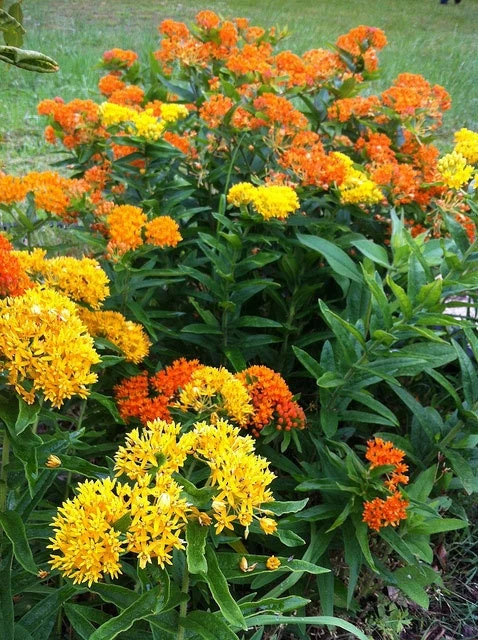
This product includes 10 seeds of Asclepias Tuberosa Gay Butterflies seeds, allowing you to cultivate multiple plants for a stunning garden display. The plants typically grow to a height of 1 to 3 feet (30-90 cm) and spread about 1 to 2 feet (30-60 cm) wide, forming an attractive clump. They have a moderate growth rate, establishing well in their first year and blooming profusely in subsequent years. Flowers typically appear from early summer through fall, providing an extended season of color and nectar for pollinators. Expect the first blooms within 1-2 years from seeding, depending on growing conditions.
These seeds are shipped in a protective packet to ensure their viability upon arrival. Once germinated, the plants develop deep taproots, which contribute to their drought tolerance and make them somewhat difficult to transplant once established. Therefore, choose your planting location carefully. The brilliant orange and yellow flowers are produced in dense clusters at the top of the stems, creating a spectacular visual impact. The foliage consists of lance-shaped, dark green leaves that provide an excellent backdrop for the vibrant blooms. These orange milkweed seeds promise to bring both beauty and ecological benefit to your landscape for many years.
Frequently Asked Questions
- Q: How big does this plant get? A: Asclepias Tuberosa Gay Butterflies seeds typically grow to a height of 1 to 3 feet (30-90 cm) and spread about 1 to 2 feet (30-60 cm) wide, forming a compact clump.
- Q: Is this an indoor or outdoor plant? A: This plant is primarily an outdoor perennial, best suited for garden beds, borders, and naturalized areas. It requires full sun to thrive.
- Q: How much sunlight does it need? A: Butterfly Milkweed thrives in full sun, requiring at least 6-8 hours of direct sunlight per day for optimal growth and flowering.
- Q: Is this plant easy to care for? A: Yes, once established, Asclepias Tuberosa Gay Butterflies seeds are relatively easy to care for and are drought-tolerant, making them a great choice for low-maintenance gardening.
- Q: What condition will the seeds arrive in? A: The 10 seeds will arrive in a protective packet, ready for stratification and planting.
- Q: How long until it blooms? A: While germination can occur in a few weeks, these plants typically bloom in their second year from seed, with established plants flowering from early summer through fall.
- Q: Will it survive winter in my zone? A: Yes, Butterfly Milkweed is hardy in USDA Hardiness Zones 3 to 8, meaning it will survive winter and return year after year in these regions.
- Q: What is the best time to plant these seeds? A: After cold stratification, sow the seeds directly outdoors in spring after the last frost, or start them indoors 6-8 weeks before the last frost.
- Q: Can these plants attract monarch butterflies? A: Absolutely! Asclepias Tuberosa Gay Butterflies seeds are a vital host plant for monarch butterfly caterpillars and a significant nectar source for adult monarchs and other pollinators.
- Q: Is it suitable for container gardening? A: While it can be grown in large containers, its deep taproot makes it better suited for in-ground planting where it has room to establish. Ensure containers have excellent drainage.
Be the first to review “Asclepias Tuberosa Gay Butterflies Seeds – 10 Seeds – Attracts Butterflies”
Related products
Flower Seeds
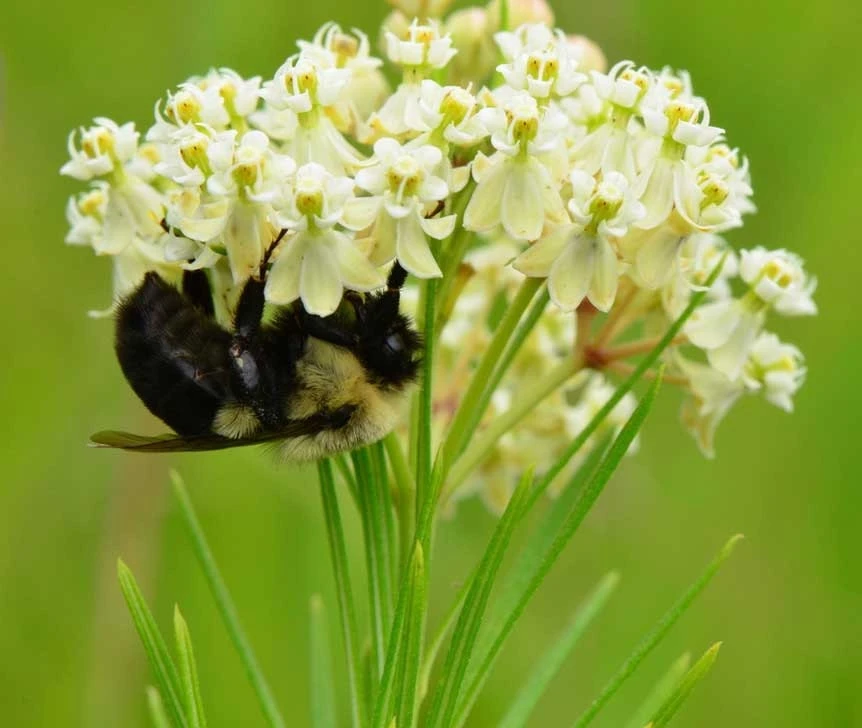
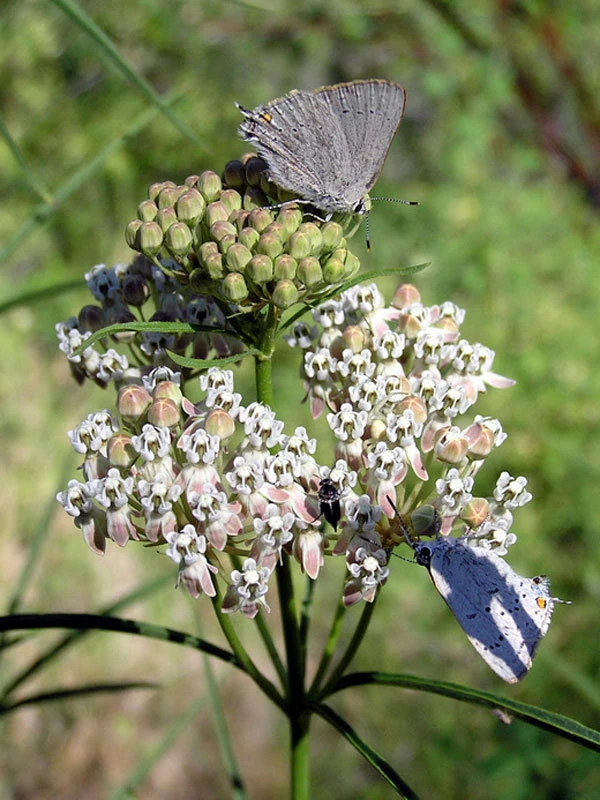
Whorled Milkweed Seeds – Asclepias verticillata – 50 Seed Pack for Monarch Butterflies – Outdoor

Flower Plants
Seeds
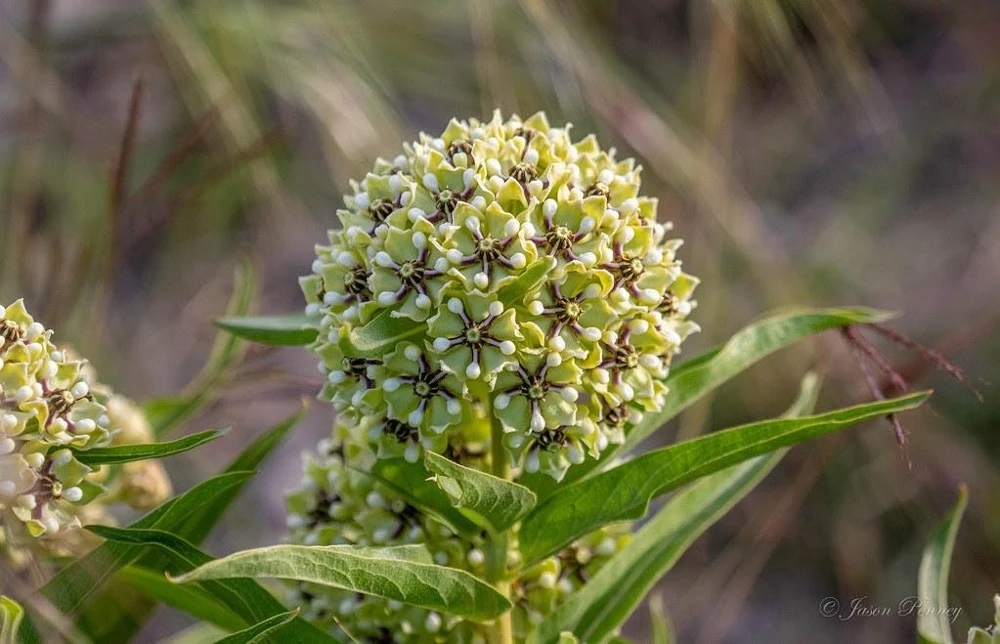
Antelope Horns Milkweed Seeds – Asclepias asperula – 10 Seed Packet – Outdoor Pollinator Plant


You May Like

How to Grow Passion Flower (Passiflora) for Tropical Blooms
Few climbing vines in the home garden command attention quite like the exotic Passion Flower (Passiflora). [...]
Nov

Thanksgiving Cactus Care: How to Get Thanksgiving Cactus to Bloom
Is your Thanksgiving cactus growing well but not giving you any flowers? Maybe it looked [...]
Nov

How to Grow Garlic for a Bountiful Home Harvest
Garlic (Allium sativum) is one of the most satisfying, low-maintenance, and flavor-packed crops you can [...]
Oct

Hardneck vs. Softneck Garlic: Which Should You Grow?
Have you ever stood in front of a seed catalog in mid-September, staring at dozens [...]
1 Comment
Oct

When to Plant Music Garlic: Ultimate US Fall Guide
Have you ever spent your fall weekend placing carefully chosen garlic cloves into rich, dark [...]
1 Comment
Oct

5 Best Bulbs for Fall Planting: Brighten Your Garden This Spring
Are you dreaming of a garden full of vibrant colors in the spring? The key [...]
Aug

10 Houseplants That Will Thrive in Your Kitchen
Are you tired of your kitchen feeling dull and lifeless? Want to add a little [...]
1 Comment
Aug
Reviews
There are no reviews yet.