
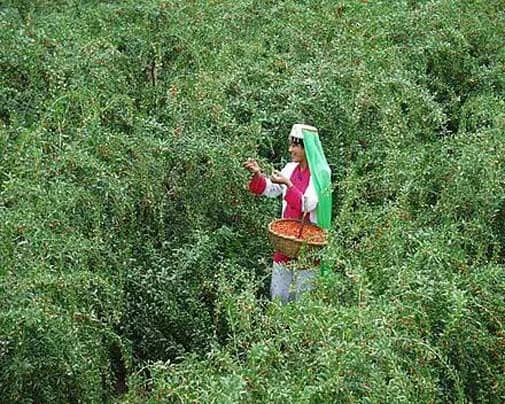
Goji Berry Seeds – Lycium barbarum Wolfberry – 20 Seeds – Edible Fruit
Original price was: 48.91 $.19.91 $Current price is: 19.91 $.
Start your own superfood garden with these high-quality goji berry seeds (Lycium barbarum). Grow the versatile wolfberry seeds that produce delicious, nutrient-rich fruit and edible leaves. Suitable for indoor or outdoor cultivation, these seeds are perfect for gardeners seeking a healthy and unique addition to their landscape.
Estimated arrival
Nov 29
Dec 04 - Dec 06
Dec 06 - Dec 11
See our Shipping Policy.
Get in touch with us via email, and our team will review your concerns.
Our Alive & Thrive Guarantee covers issues with your plants within the first 30 days. Read our Refund & Returns Policy.
-
USDA Hardiness Zone
6 to 9 -
Soil Type
Well-draining soil -
Sunlight Exposure
Full sun -
Expected Planting Period
Spring to early summer
Overview
Embark on a rewarding gardening journey with our premium goji berry seeds, also known as Lycium barbarum. These remarkable seeds allow you to cultivate your very own Goji Berry plants, renowned for their vibrant, nutrient-packed fruit. Often referred to as Wolfberry or Chinese Box Thorn, this versatile plant is cherished both for its culinary uses and its ornamental appeal. Whether you’re an experienced gardener or just starting out, growing your own goji berry seeds offers the satisfaction of harvesting fresh, healthful berries right from your backyard or patio. Each packet contains 20 viable seeds, ready to sprout into vigorous plants that will beautify your space and provide a bounty of delicious fruit.
The Goji Berry plant is a fascinating specimen, native to Asia, that has been valued for centuries. Its adaptability makes it a popular choice for various climates, thriving in many garden settings. From its delicate flowers to its bright red berries, every stage of this plant’s growth is a delight. Cultivating lycium barbarum seeds is not just about growing a plant; it’s about embracing a healthy lifestyle and connecting with nature. These seeds offer an excellent opportunity to introduce a unique and beneficial fruit-bearing shrub into your home garden or even as a potted specimen indoors.
Key Benefits
Growing Goji Berries from seed provides numerous advantages, from enjoying fresh, healthful fruit to enhancing your garden’s biodiversity. These plants are relatively easy to establish and offer long-term rewards for minimal effort. Discover the many reasons why cultivating wolfberry seeds is a fantastic choice for your home:
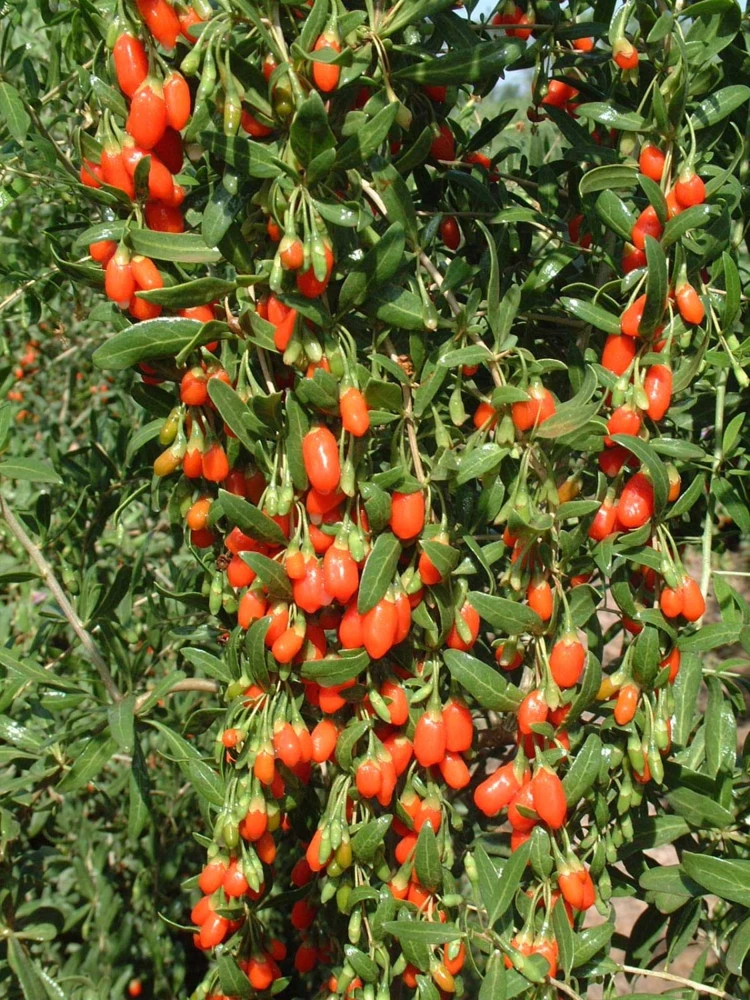
- Nutrient-Rich Fruit: Harvest your own fresh Goji Berries, packed with antioxidants, vitamins, and minerals. These berries are considered a superfood and can be enjoyed raw, dried, or cooked into various dishes, offering a healthy boost to your diet.
- Versatile Culinary Uses: Beyond the famous berries, the young leaves of the Goji plant are also edible and can be cooked like spinach. Dried leaves can be used to make a nutritious herbal tea, offering multiple culinary benefits from a single plant.
- Adaptable Growth: This versatile plant can be grown both indoors in a container or outdoors in the garden, making it suitable for various living situations. It adapts well to different soil types and can thrive with proper care, providing flexibility for gardeners.
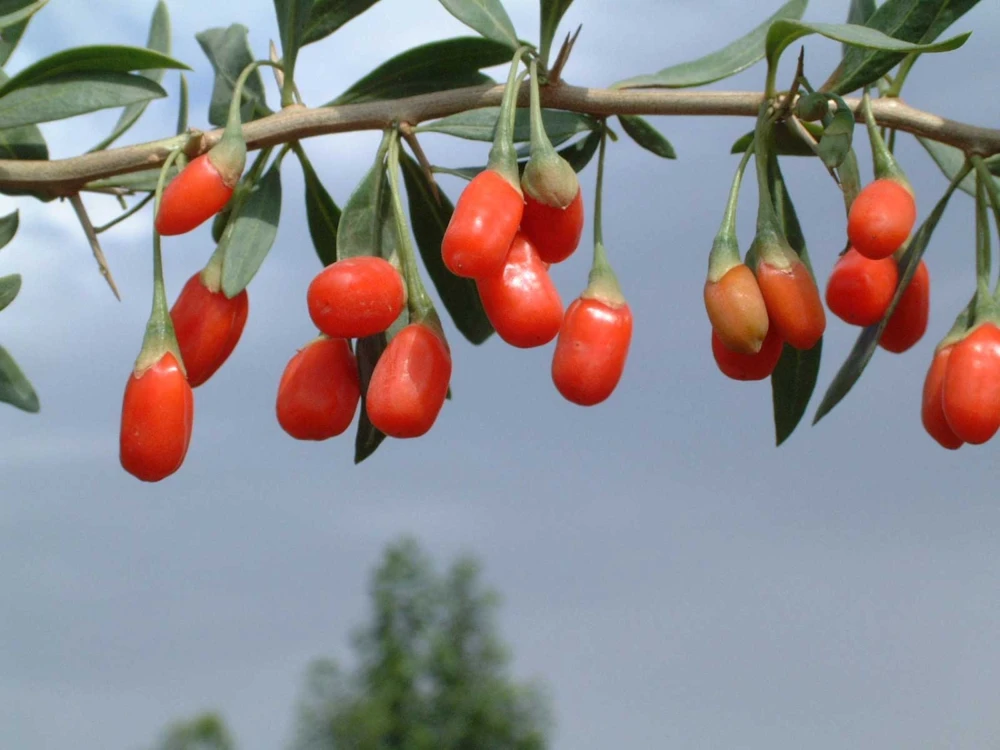
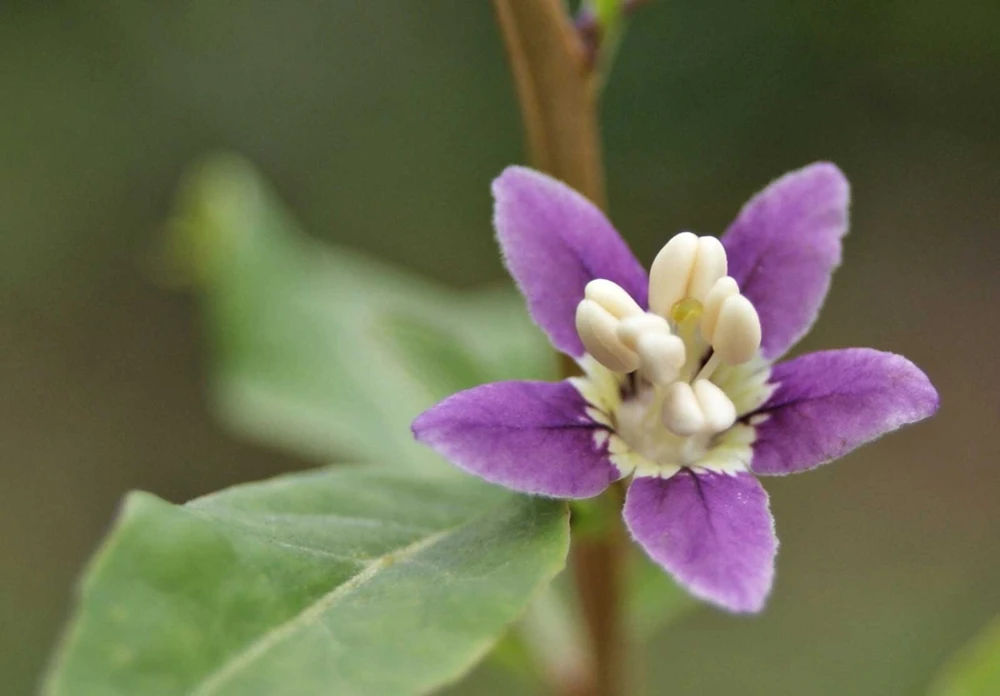
- Attractive Garden Addition: With its delicate purple flowers and bright red berries, the Goji Berry plant adds visual interest to any garden space. It can be grown as a shrub, a vine, or even trained as a small tree, enhancing your landscape’s aesthetic appeal.
- Drought Tolerance: Once established, Goji Berry plants are quite resilient and show good drought tolerance, making them a relatively low-maintenance option for busy gardeners. This hardiness contributes to the ease of growing goji berry seeds successfully.
- Long Growing Season: Goji plants typically bloom from late spring through mid-summer, producing berries throughout the warmer months, ensuring a continuous supply of fresh fruit for an extended period.
- Medicinal Properties: Traditionally used in herbal medicine, Goji Berries are believed to support overall well-being. Growing your own ensures you have access to these potent berries, free from pesticides and chemicals.
Plant Care & Growing Tips
Successfully growing your goji berry seeds into thriving plants requires understanding their basic needs. Goji Berries are relatively unfussy once established, but a good start is crucial. Begin by sowing seeds indoors 6-8 weeks before the last frost date, or directly outdoors after all danger of frost has passed. Plant seeds about 1/4 inch deep in a well-draining seed-starting mix. Keep the soil consistently moist but not waterlogged, and maintain a temperature of 65-75°F (18-24°C) for optimal germination. Germination can take anywhere from 10 days to a few weeks, so be patient.
Once seedlings have developed a few true leaves and are strong enough, transplant them to larger pots or directly into your garden. Goji Berry plants thrive in full sun, requiring at least 6-8 hours of direct sunlight per day to produce abundant fruit. They prefer well-draining soil with a pH between 6.5 and 7.0. Amend heavy clay soils with organic matter to improve drainage. While the plants are young, water regularly to keep the soil consistently moist. Once established, they become quite drought-tolerant, but regular watering during dry spells will encourage better fruit production. Fertilize sparingly with a balanced, organic fertilizer in spring, avoiding over-fertilization which can lead to excessive foliage growth at the expense of berries. Pruning is essential for maintaining plant health and maximizing fruit yield. In late winter or early spring, prune out any dead, damaged, or crossing branches, and thin out overcrowded areas to improve air circulation and sunlight penetration. You can also prune to shape the plant as a bush or train it as a vine. Understanding how to grow goji berry effectively will lead to a bountiful harvest.
Goji plants are generally resistant to most pests and diseases, but keep an eye out for common garden pests like aphids or spider mites, especially in dry conditions. Address any issues promptly with organic pest control methods. Protecting young plants from frost is important, especially in cooler climates. For those in USDA Hardiness Zones 6 to 9, these plants can generally overwinter outdoors. In colder zones, consider growing them in containers that can be moved indoors during winter, or provide ample winter protection. With proper care, your chinese box thorn seeds will transform into productive plants.
Size & Details
This offering includes a packet of 20 Goji Berry seeds (Lycium barbarum), providing a great starting point for establishing multiple plants. Goji Berry plants are deciduous woody shrubs that typically grow to a height of 3 to 6 feet (1 to 2 meters) with a similar spread, though they can be trained to grow taller as vines if supported. The growth rate is moderate, and plants usually begin producing fruit within 1-2 years from seed, with full production achieved in 3-5 years. The seeds are small and require careful handling during sowing.
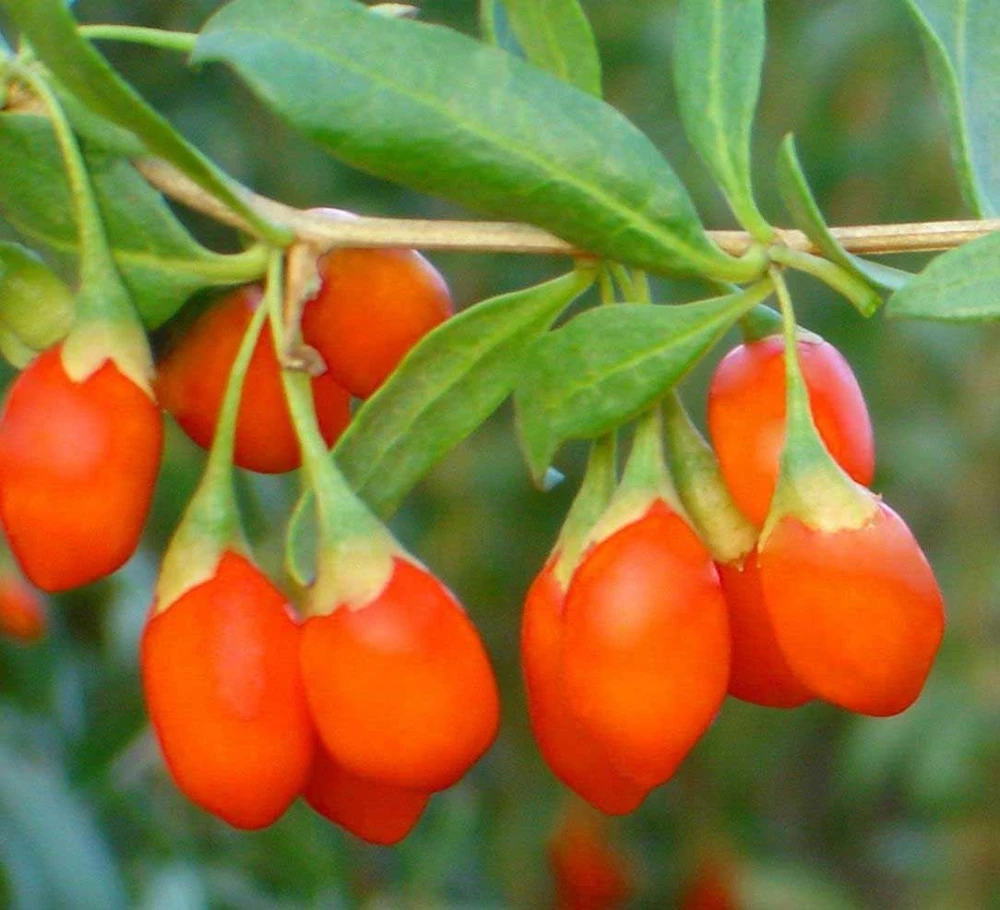
Each seed has the potential to develop into a robust plant, offering an abundance of berries over many years. The plants are shipped as dried seeds in a protective packet, ensuring their viability upon arrival. For optimal results, follow the planting instructions carefully. Expect beautiful purple flowers in late spring to early summer, followed by the development of bright red, oblong berries. The plant’s hardiness allows it to thrive in USDA Zones 6 to 9, making it suitable for a wide range of climates across the United States. These lycium barbarum seeds offer a long-term investment in your garden’s health and productivity.
Frequently Asked Questions
- Q: How big does a Goji Berry plant get? A: A Goji Berry plant typically grows as a shrub 3 to 6 feet tall and wide, but it can be trained to grow taller as a vine with proper support. Its size can also be managed through regular pruning.
- Q: Is this an indoor or outdoor plant? A: Goji Berry plants are versatile and can be grown both indoors in a large container or outdoors in the garden. For best fruit production, outdoor cultivation in full sun is recommended, especially in suitable USDA zones.
- Q: How much sunlight do Goji Berry plants need? A: Goji Berry plants thrive in full sun, requiring at least 6-8 hours of direct sunlight per day. Adequate sunlight is crucial for healthy growth and abundant fruit production from your goji berry seeds.
- Q: Are these Goji Berry seeds easy to care for? A: Yes, Goji Berry plants are considered relatively easy to care for once established. They are drought-tolerant and generally disease-resistant, making them a good choice for both beginner and experienced gardeners.
- Q: What condition will the seeds arrive in? A: Your wolfberry seeds will arrive as dried seeds in a protective packet, carefully packaged to ensure their viability and safe transit. They are ready for immediate planting upon arrival.
- Q: How long until Goji Berry plants produce fruit from seed? A: Goji Berry plants typically begin to produce fruit within 1-2 years after planting from seed, with full production usually achieved in 3-5 years. Patience is key for a bountiful harvest.
- Q: Will Goji Berry plants survive winter in my zone? A: Goji Berry plants are hardy in USDA Zones 6 to 9. In these zones, they can typically survive winter outdoors. In colder zones, they may require winter protection or need to be grown in containers and brought indoors.
- Q: What is the best way to germinate these chinese box thorn seeds? A: For best germination, sow seeds indoors 6-8 weeks before the last frost. Plant them 1/4 inch deep in a moist, well-draining seed-starting mix and maintain a temperature of 65-75°F (18-24°C).
- Q: Can I grow lycium barbarum seeds in a pot? A: Yes, Goji Berry plants can be successfully grown in large pots or containers, especially if you have limited garden space or live in a colder climate where you need to bring plants indoors for winter.
- Q: Are Goji Berries the same as Wolfberries? A: Yes, Goji Berry is a common name for the fruit of Lycium barbarum and Lycium chinense, which are also known as Wolfberry. The terms are often used interchangeably.
Be the first to review “Goji Berry Seeds – Lycium barbarum Wolfberry – 20 Seeds – Edible Fruit”
Related products


You May Like

How to Grow Passion Flower (Passiflora) for Tropical Blooms
Few climbing vines in the home garden command attention quite like the exotic Passion Flower (Passiflora). [...]
Nov

Thanksgiving Cactus Care: How to Get Thanksgiving Cactus to Bloom
Is your Thanksgiving cactus growing well but not giving you any flowers? Maybe it looked [...]
Nov

How to Grow Garlic for a Bountiful Home Harvest
Garlic (Allium sativum) is one of the most satisfying, low-maintenance, and flavor-packed crops you can [...]
Oct

Hardneck vs. Softneck Garlic: Which Should You Grow?
Have you ever stood in front of a seed catalog in mid-September, staring at dozens [...]
1 Comment
Oct

When to Plant Music Garlic: Ultimate US Fall Guide
Have you ever spent your fall weekend placing carefully chosen garlic cloves into rich, dark [...]
1 Comment
Oct

5 Best Bulbs for Fall Planting: Brighten Your Garden This Spring
Are you dreaming of a garden full of vibrant colors in the spring? The key [...]
Aug

10 Houseplants That Will Thrive in Your Kitchen
Are you tired of your kitchen feeling dull and lifeless? Want to add a little [...]
1 Comment
Aug
Reviews
There are no reviews yet.