
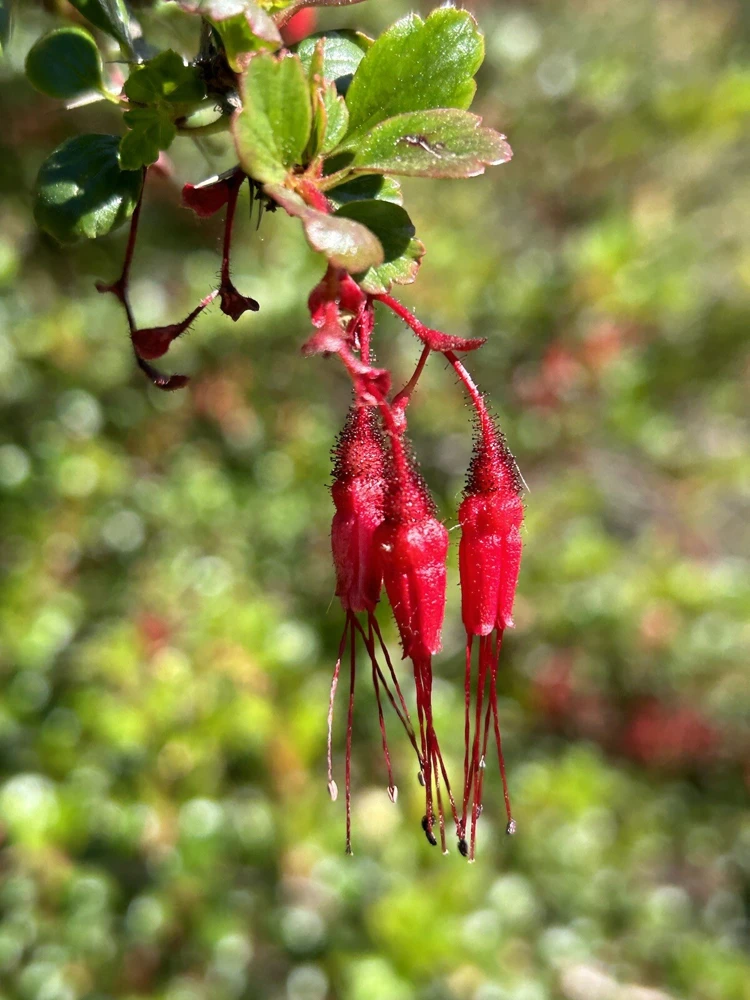
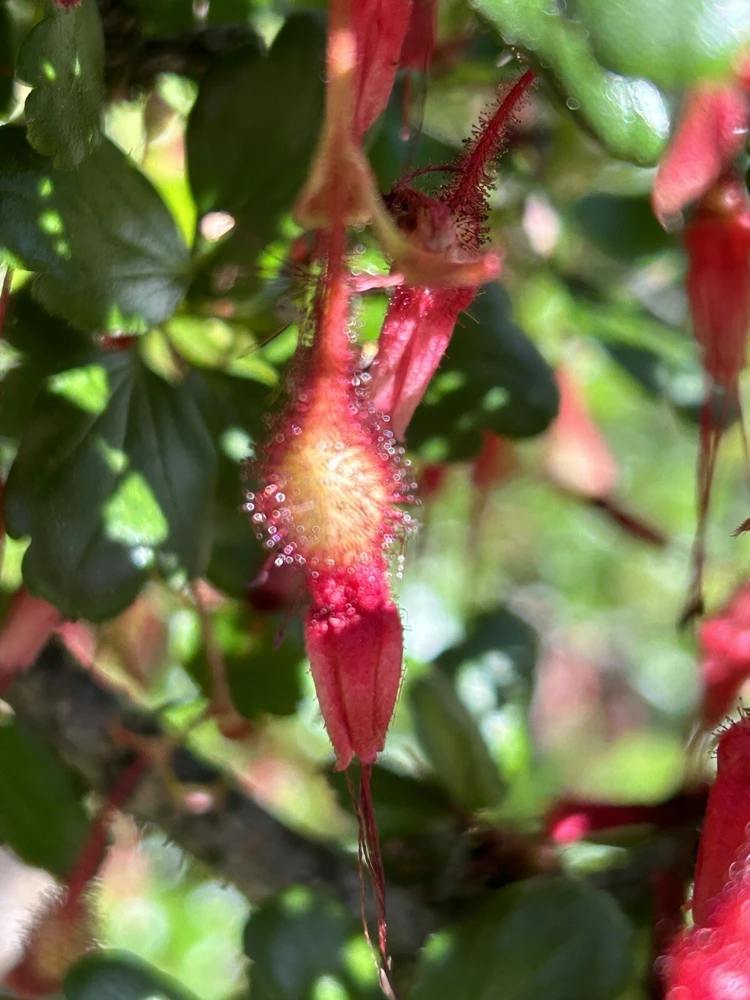
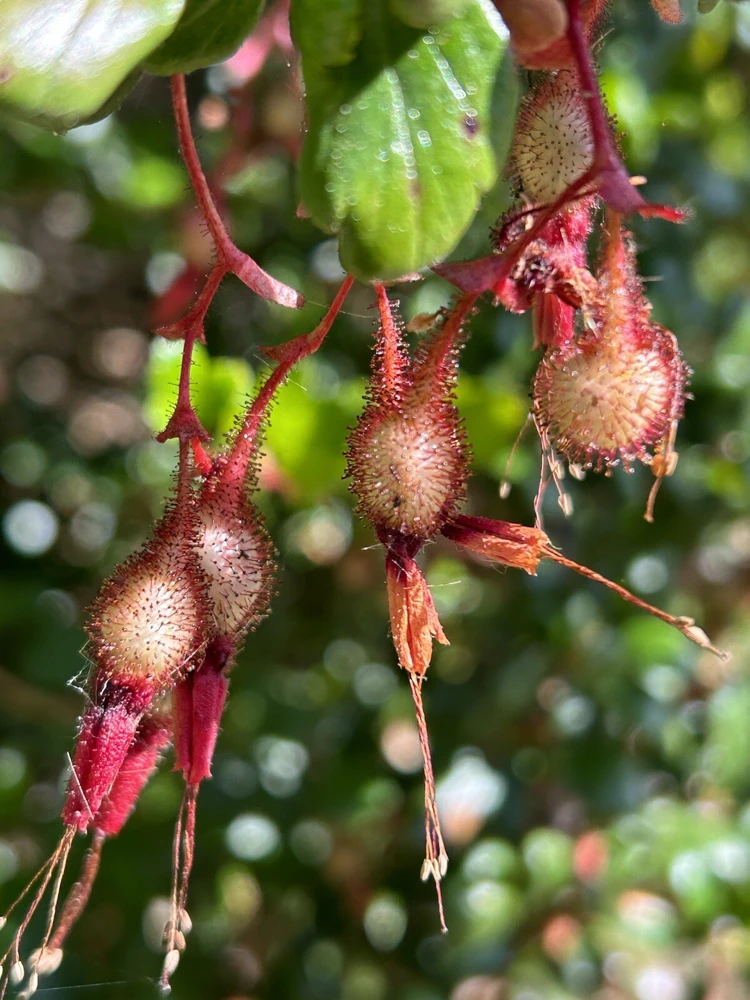
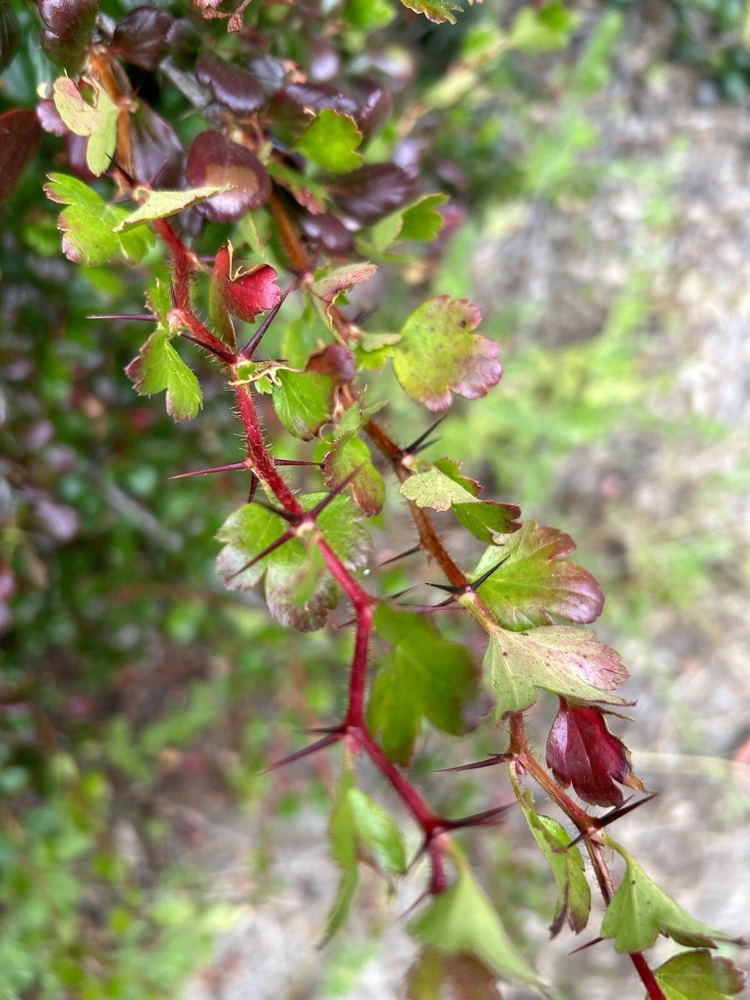
Fuchsia-Flowered Gooseberry Seeds – Ribes Speciosum – 15 Seeds – Outdoor Perennial
Original price was: 19.98 $.15.99 $Current price is: 15.99 $.
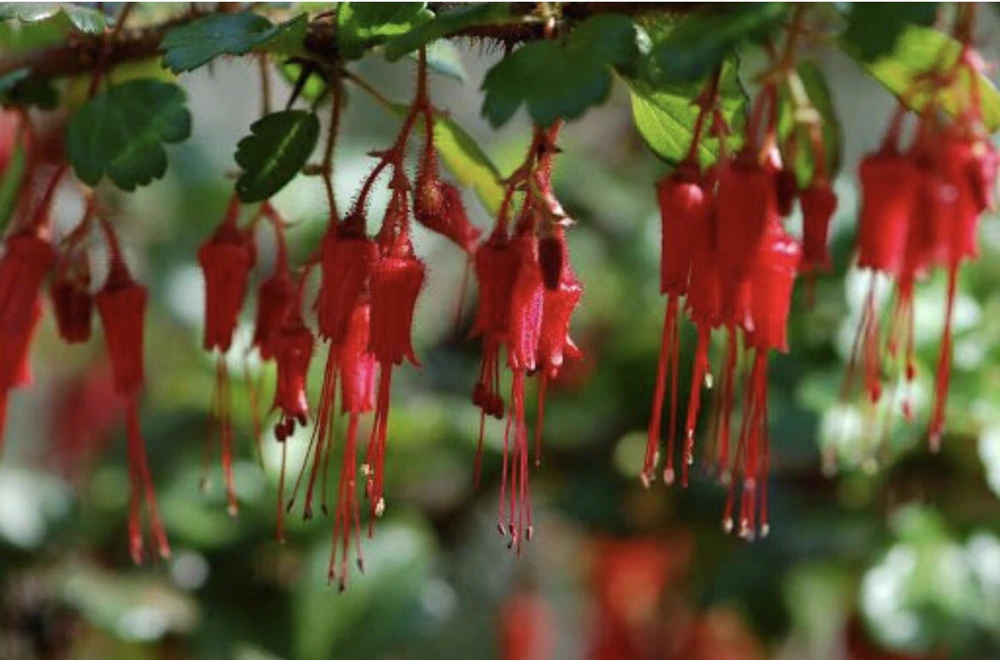
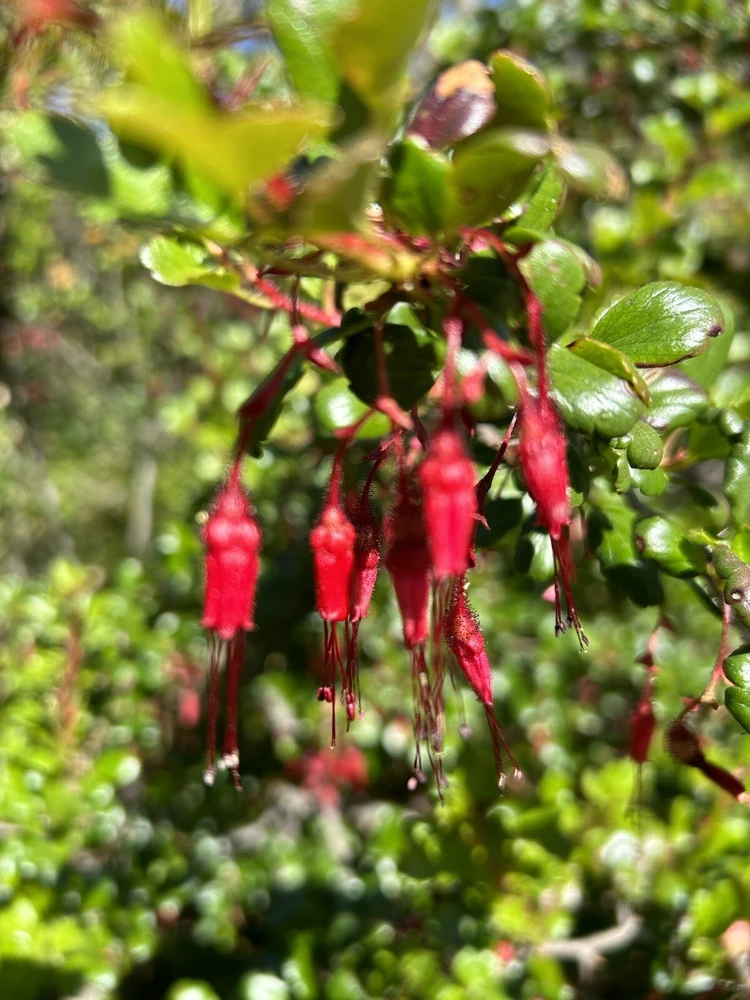
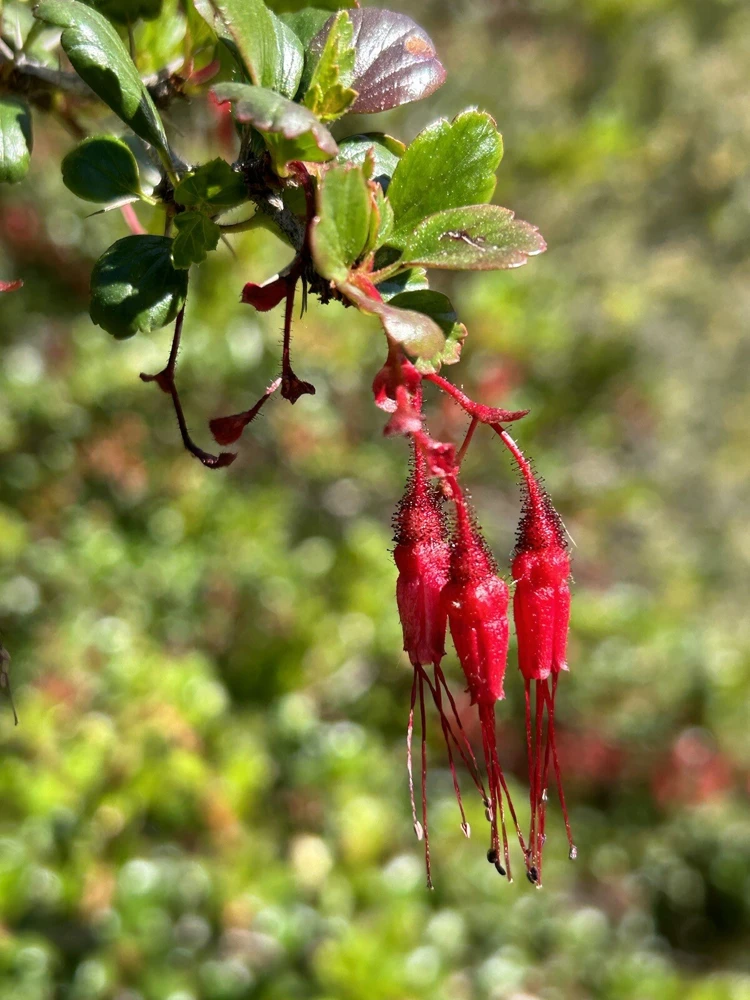
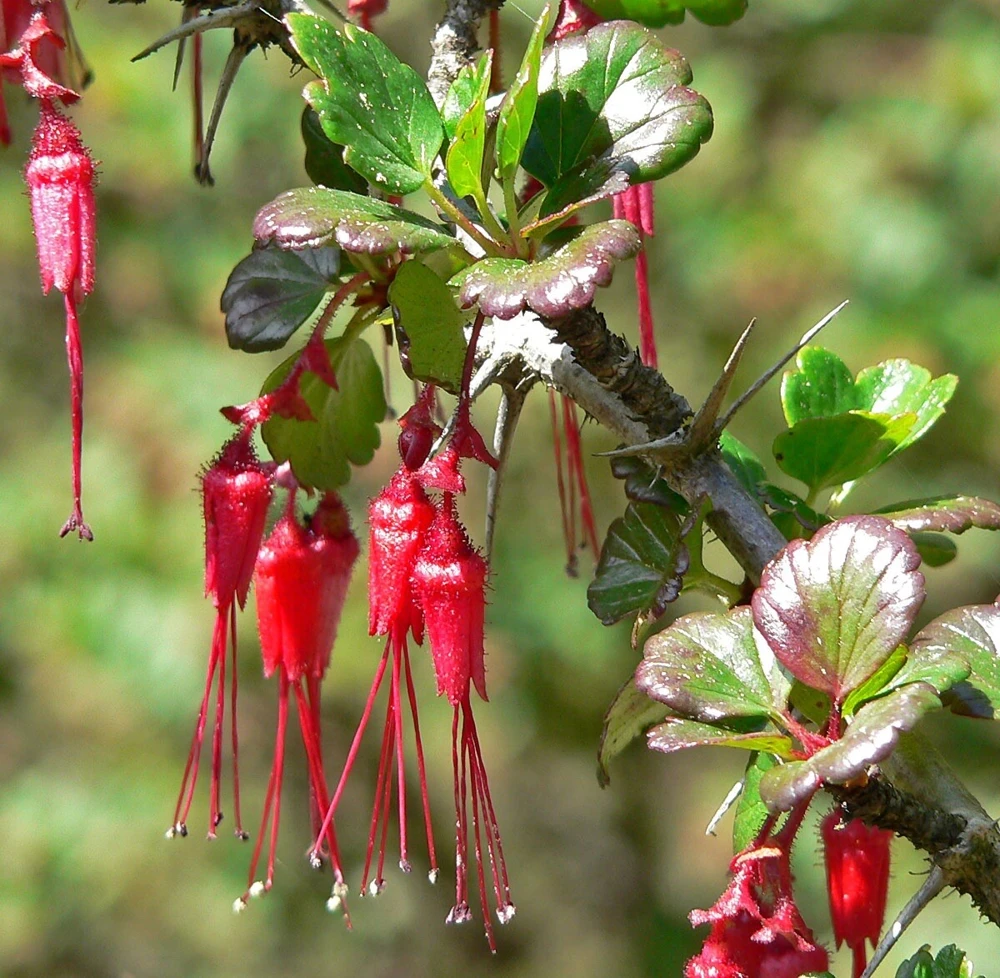
Cultivate stunning Fuchsia-Flowered Gooseberry seeds (Ribes Speciosum) in your garden. This pack contains 15 seeds for a beautiful outdoor perennial shrub known for its vibrant red, fuchsia-like flowers and ornamental appeal. Enjoy its clumping growth habit and seasonal interest from spring through fall.
Estimated arrival
Nov 29
Dec 04 - Dec 06
Dec 06 - Dec 11
See our Shipping Policy.
Get in touch with us via email, and our team will review your concerns.
Our Alive & Thrive Guarantee covers issues with your plants within the first 30 days. Read our Refund & Returns Policy.
-
USDA Hardiness Zone
USDA zones 7-10 -
Soil Type
Well-draining soil -
Sunlight Exposure
Medium Sun, Low Sun (Partial Shade) -
Expected Planting Period
Fall to early spring (after stratification)
Overview
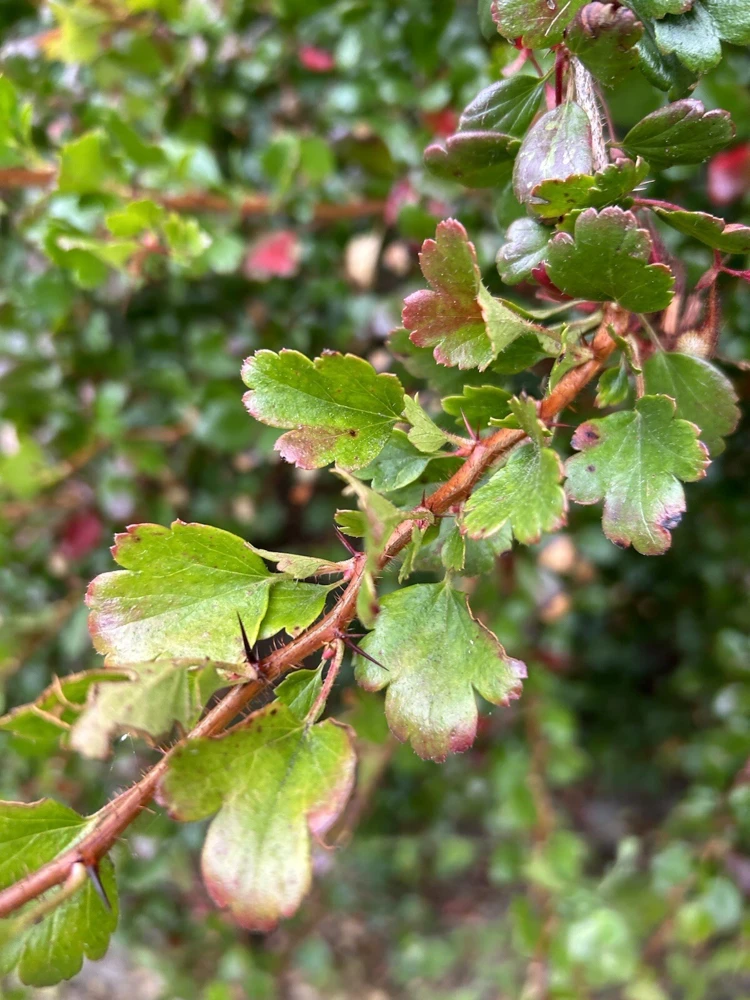
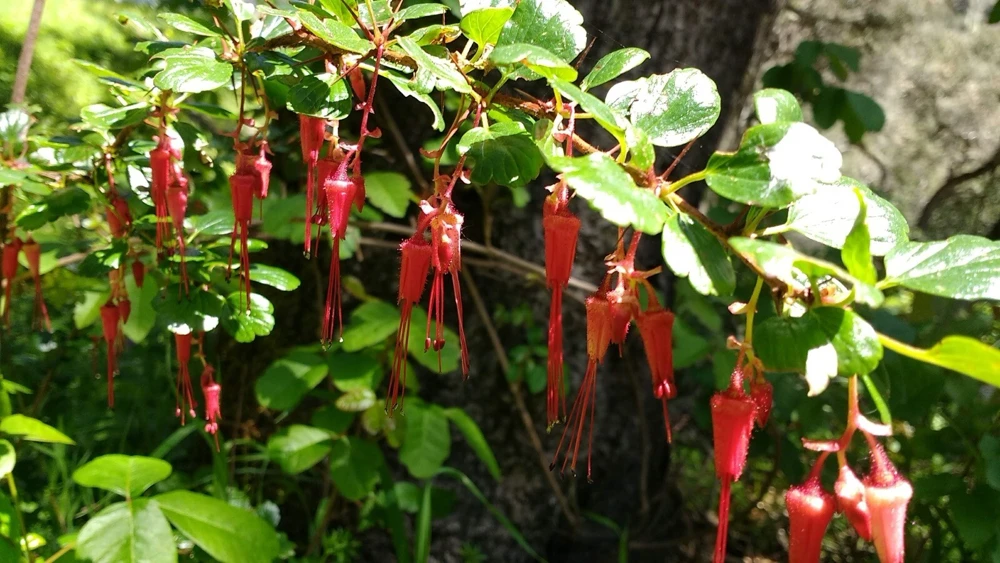
Embark on a rewarding gardening journey with these premium Fuchsia-Flowered Gooseberry seeds. The Ribes Speciosum, commonly known as the Fuchsia-Flowered Gooseberry, is a magnificent deciduous shrub celebrated for its striking, pendulous, fuchsia-like red flowers that appear in early spring. This unique plant offers a spectacular display, making it a focal point in any garden or landscape. Originating from California, this hardy perennial is not only beautiful but also attracts hummingbirds, adding dynamic life to your outdoor space. Each pack contains 15 high-quality seeds, providing a fantastic opportunity to grow this captivating shrub from scratch. Growing Ribes Speciosum seeds allows you to witness the full life cycle of this charming plant, from germination to its mature, clumping form.
The Fuchsia-Flowered Gooseberry seeds are ideal for gardeners looking for a low-maintenance yet visually impactful addition. Its distinctive blooms and attractive foliage provide year-round interest, transitioning from lush green in spring and summer to subtle autumn hues. This shrub is perfect for hedges, borders, or as a standalone specimen, offering both ornamental beauty and ecological benefits by supporting local wildlife. Cultivating perennial fruit seeds like these is a sustainable way to enhance your garden’s biodiversity and aesthetic appeal.
Key Benefits
The Fuchsia-Flowered Gooseberry offers a wealth of benefits for any gardener, combining aesthetic beauty with ecological advantages. Here are some of the key reasons to consider growing this exceptional plant from seed:
- Stunning Ornamental Value: The most prominent feature of the Fuchsia-Flowered Gooseberry seeds is their ability to produce vibrant, fuchsia-like red flowers. These unique blooms hang gracefully, creating a breathtaking visual spectacle in early spring, making it a standout plant in any garden.
- Attracts Pollinators: These beautiful flowers are a magnet for hummingbirds, providing them with a vital nectar source. Planting Ribes Speciosum seeds helps support local bird populations and enhances the ecological balance of your garden.
- Drought Tolerant: Once established, the Fuchsia-Flowered Gooseberry is remarkably drought-tolerant, making it an excellent choice for xeriscaping or gardens in drier climates. This reduces the need for frequent watering, conserving water resources.
- Low Maintenance: This hardy shrub requires minimal care once mature, making it suitable for both experienced and novice gardeners. Its robust nature means less time spent on upkeep and more time enjoying its beauty.
- Versatile Landscaping: With its attractive clumping growth habit, the Fuchsia-Flowered Gooseberry can be used in various garden settings. It’s perfect for creating informal hedges, adding to mixed borders, or serving as an eye-catching specimen plant.
- Seasonal Interest: Beyond its spring blooms, the plant offers green foliage throughout summer and subtle fall colors, ensuring your garden remains vibrant across multiple seasons.
- Edible Fruit (with caution): While primarily grown for its flowers, the plant produces small, red berries that are technically edible, though often tart. These can be used in jams or jellies if desired, adding another dimension to this versatile plant.
Plant Care & Growing Tips
Successful cultivation of Fuchsia-Flowered Gooseberry seeds begins with understanding their specific needs. These plants thrive in conditions that mimic their native Californian habitat. For optimal germination, it’s often recommended to cold stratify the seeds for several weeks before planting. This process helps break dormancy and encourages more uniform sprouting. Once germinated, transplant seedlings carefully to avoid disturbing their delicate root systems. Provide them with consistent moisture in their early stages.
When it comes to sunlight, the Fuchsia-Flowered Gooseberry prefers a location with medium sun to low sun exposure. This translates to partial shade, especially in hotter climates where intense afternoon sun can be too harsh. Aim for areas that receive 4-6 hours of direct sunlight, preferably morning sun, with protection from the strong midday rays. The ideal soil type for growing gooseberry from seed is well-draining soil, rich in organic matter. While adaptable, good drainage is crucial to prevent root rot. Incorporating compost or other organic amendments into heavy clay soils can significantly improve their structure and fertility.
Watering requirements are light once the plant is established. During its first year, ensure regular watering to help the root system develop. After that, it becomes quite drought-tolerant, only needing supplemental water during prolonged dry spells. The Fuchsia-Flowered Gooseberry is generally hardy in USDA zones 7-10, tolerating mild winters. Protection from harsh freezes may be necessary in the colder parts of its range. Fertilization is typically not a strict requirement; a light application of balanced, slow-release fertilizer in early spring can promote vigorous growth, but avoid over-fertilizing. Pruning can be done after flowering to maintain shape and remove any dead or crossing branches, ensuring a healthy and attractive shrub. Monitoring for common pests and diseases is always a good practice, though this plant is generally robust.
Size & Details
This offering includes 15 premium Fuchsia-Flowered Gooseberry seeds (Ribes Speciosum), carefully selected for optimal germination. Each seed holds the potential to grow into a beautiful perennial shrub. Mature plants typically reach a height of 6 to 10 feet and a similar spread, forming an attractive clumping growth habit. The growth rate is moderate, allowing the plant to establish itself well within a few seasons. These seeds are designed for outdoor cultivation, suitable for a range of garden designs, from naturalized areas to more formal shrub borders. The plant’s life cycle is perennial, meaning it will return year after year, providing continuous beauty and interest in your garden.
The best season of interest for these plants spans from spring, when their spectacular red flowers emerge, through summer and into fall with their green foliage. While the seeds themselves are small, they are packed with the genetic blueprint for a robust and beautiful plant. Expect germination to occur within several weeks to a few months, depending on stratification and growing conditions. The resulting shrubs will provide a unique visual appeal, unlike many other flowering shrubs, making outdoor flowering shrub seeds like these a fantastic choice for enhancing your landscape.
Frequently Asked Questions
- Q: How big does the Fuchsia-Flowered Gooseberry get? A: The Fuchsia-Flowered Gooseberry typically grows to a height of 6 to 10 feet and can spread similarly wide, creating a dense, clumping shrub. Its mature size makes it suitable for hedges or as a prominent specimen plant in your garden.
- Q: Is this an indoor or outdoor plant? A: The Fuchsia-Flowered Gooseberry is an outdoor plant, best suited for gardens and landscapes. It thrives in outdoor conditions and requires space to grow to its full potential, making it an excellent choice for a perennial fruit seeds project.
- Q: How much sunlight does it need? A: This plant prefers medium to low sun exposure, which means partial shade. It performs best with 4-6 hours of direct sunlight, ideally morning sun, and appreciates protection from intense afternoon heat, especially in warmer climates.
- Q: Is this plant easy to care for? A: Yes, once established, the Fuchsia-Flowered Gooseberry is considered low-maintenance and relatively easy to care for. It’s quite drought-tolerant and doesn’t require extensive pruning or fertilization, making it a good option for beginners interested in growing gooseberry from seed.
- Q: What condition will the seeds arrive in? A: The seeds will arrive in a dry, dormant state, ready for planting. They are carefully packaged to ensure their viability upon arrival, providing you with high-quality Ribes Speciosum seeds.
- Q: How long until it blooms? A: From seed, it typically takes a few years for the Fuchsia-Flowered Gooseberry to mature and begin producing its characteristic fuchsia-like flowers. Patience is key, but the wait is well worth the spectacular spring display.
- Q: What’s the best time to plant Fuchsia-Flowered Gooseberry seeds? A: The best time to plant these seeds is typically in the fall or very early spring, after a period of cold stratification. This mimics natural conditions and encourages successful germination, especially for outdoor flowering shrub seeds.
- Q: Will it survive winter in my zone? A: The Fuchsia-Flowered Gooseberry is hardy in USDA zones 7-10. If you are within these zones, it should survive winter outdoors. In colder zones, some winter protection might be necessary, or it can be grown as an annual.
- Q: What type of soil does it prefer? A: This plant thrives in well-draining soil. While adaptable to various soil types, ensuring good drainage is crucial to prevent root issues. Amending heavy soils with organic matter can improve conditions for your Fuchsia-Flowered Gooseberry seeds.
- Q: Do the berries produced by the plant have any use? A: Yes, the plant produces small, red berries. While they can be quite tart, they are technically edible and can be used to make jams, jellies, or other preserves, adding a functional aspect to this ornamental shrub.
Be the first to review “Fuchsia-Flowered Gooseberry Seeds – Ribes Speciosum – 15 Seeds – Outdoor Perennial”
Related products


You May Like

How to Grow Passion Flower (Passiflora) for Tropical Blooms
Few climbing vines in the home garden command attention quite like the exotic Passion Flower (Passiflora). [...]
Nov

Thanksgiving Cactus Care: How to Get Thanksgiving Cactus to Bloom
Is your Thanksgiving cactus growing well but not giving you any flowers? Maybe it looked [...]
Nov

How to Grow Garlic for a Bountiful Home Harvest
Garlic (Allium sativum) is one of the most satisfying, low-maintenance, and flavor-packed crops you can [...]
Oct

Hardneck vs. Softneck Garlic: Which Should You Grow?
Have you ever stood in front of a seed catalog in mid-September, staring at dozens [...]
1 Comment
Oct

When to Plant Music Garlic: Ultimate US Fall Guide
Have you ever spent your fall weekend placing carefully chosen garlic cloves into rich, dark [...]
1 Comment
Oct

5 Best Bulbs for Fall Planting: Brighten Your Garden This Spring
Are you dreaming of a garden full of vibrant colors in the spring? The key [...]
Aug

10 Houseplants That Will Thrive in Your Kitchen
Are you tired of your kitchen feeling dull and lifeless? Want to add a little [...]
1 Comment
Aug
Reviews
There are no reviews yet.