
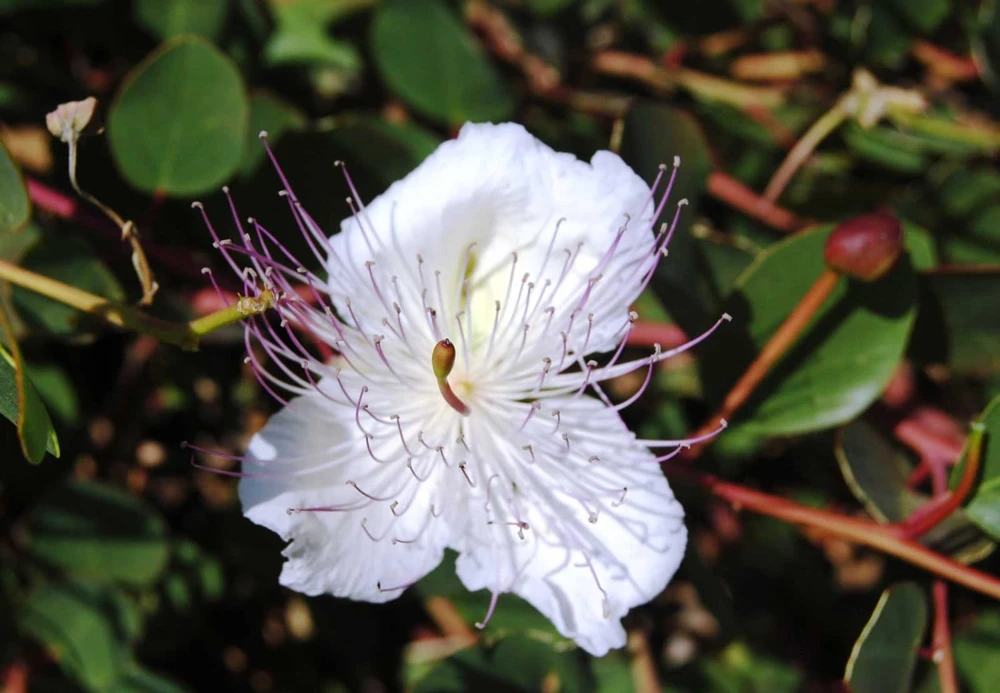
Caper Bush Seeds – Capparis spinosa – 50 Seeds – Edible & Butterfly Host
Original price was: 48.91 $.19.91 $Current price is: 19.91 $.
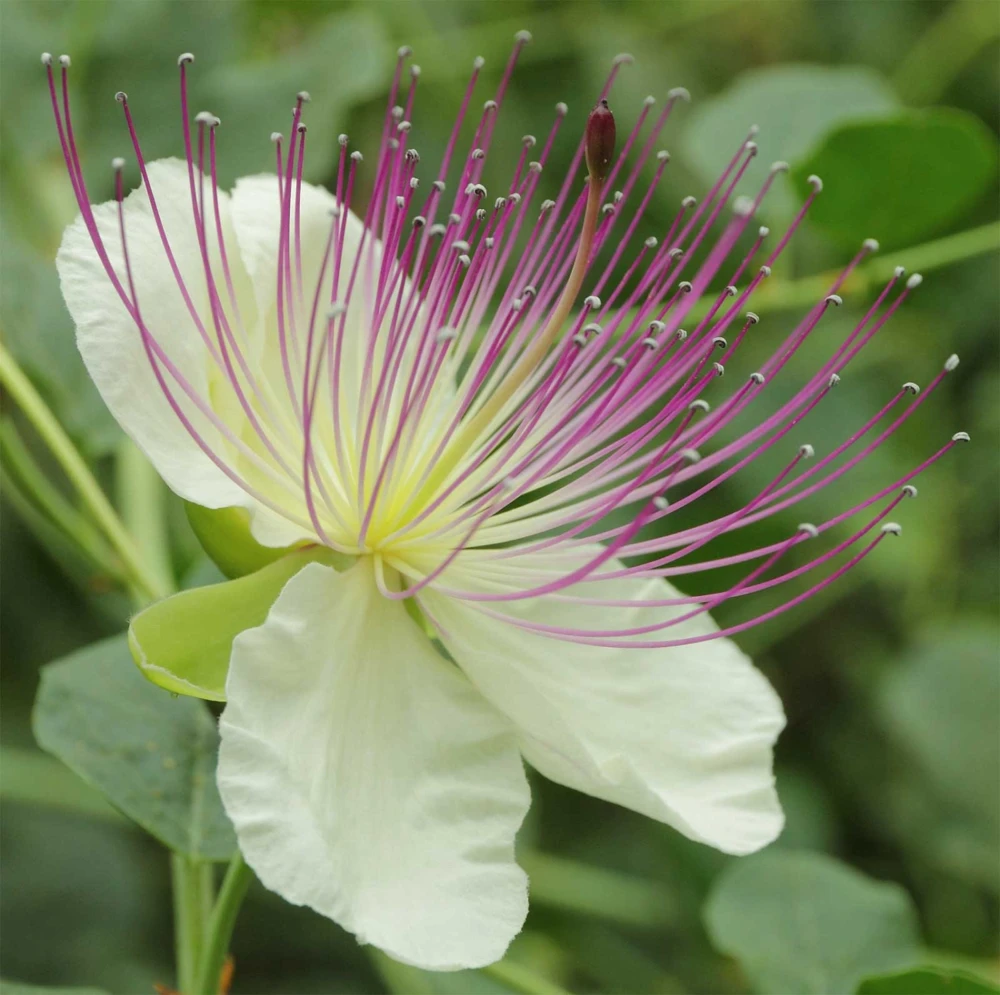
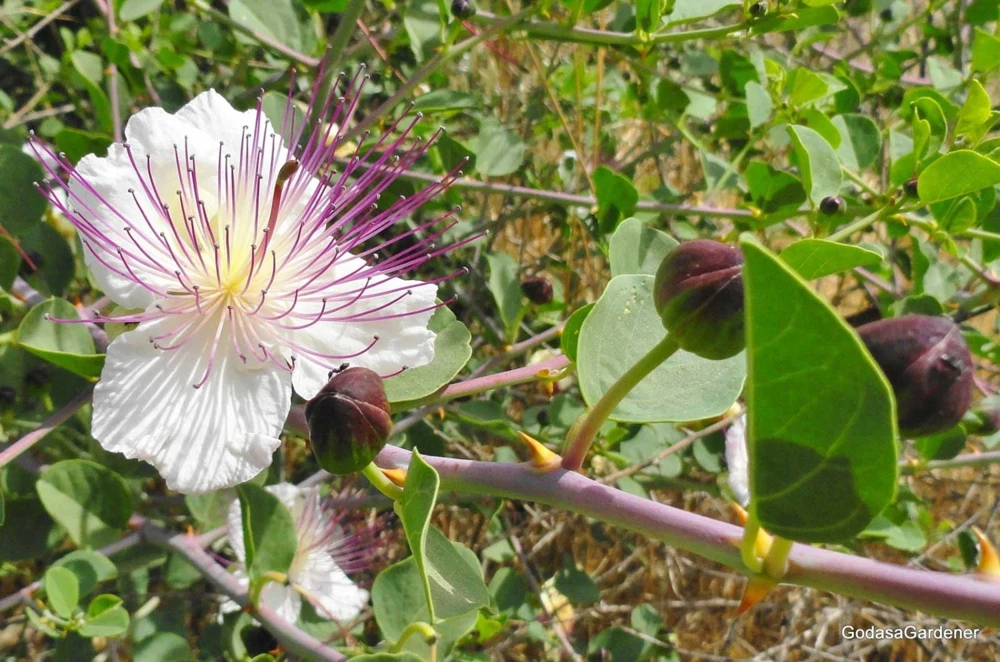
Cultivate your own caper bush seeds with this packet of 50 Capparis spinosa seeds. Also known as Flinders Rose, these plants yield edible capers and young shoots, perfect for culinary enthusiasts. They also serve as a vital host for several butterfly species, making them a beautiful and beneficial addition to your garden.
Estimated arrival
Nov 27
Dec 02 - Dec 04
Dec 04 - Dec 09
See our Shipping Policy.
Get in touch with us via email, and our team will review your concerns.
Our Alive & Thrive Guarantee covers issues with your plants within the first 30 days. Read our Refund & Returns Policy.
-
USDA Hardiness Zone
USDA zones 9–11 -
Soil Type
Well-draining soil -
Sunlight Exposure
Full sun to partial shade -
Expected Planting Period
Spring to early summer
Overview
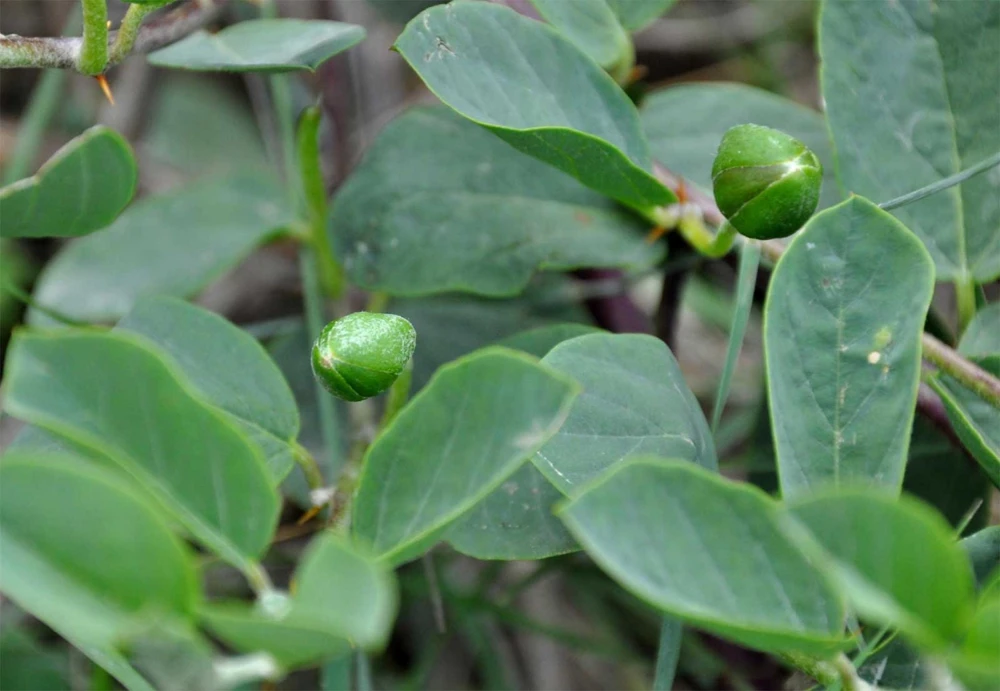
Embark on a rewarding gardening journey with our premium caper bush seeds. This offering provides 50 seeds of Capparis spinosa, a versatile and resilient shrub known by several common names including Caper Bush, Spineless Caper, and Flinders Rose. Originating from the Mediterranean, this plant is celebrated for its culinary uses, with its flower buds and young fruits being pickled and enjoyed as the popular condiment we know as capers. Growing your own capparis spinosa seeds allows you to cultivate fresh, organic capers right from your backyard. Beyond its gastronomic appeal, the Caper Bush is also a beautiful ornamental plant, producing delicate flowers from spring to early fall. It’s an excellent choice for gardeners looking to add unique edible plants to their collection while also supporting local wildlife.
The Caper Bush is a relatively low-maintenance plant once established, thriving in sunny locations and well-draining soil. These caper bush seeds are an ideal starting point for both novice and experienced gardeners who appreciate sustainable living and fresh, home-grown ingredients. Imagine harvesting your own capers for sauces, salads, and garnishes, or simply enjoying the sight of its lovely blooms. This plant’s adaptability to various conditions, coupled with its multiple benefits, makes it a valuable addition to any garden, especially in USDA Hardiness Zones 9 to 11 where it can flourish as a perennial shrub. Discover the joy of growing this unique and beneficial plant from seed.
Key Benefits
Growing the Caper Bush from caper bush seeds offers a multitude of advantages for both the home gardener and the local ecosystem. Its unique attributes make it a truly special plant to cultivate.
- Culinary Delight: Harvest your own fresh capers and young shoots directly from your garden. The pickled flower buds and fruits are a gourmet addition to many dishes, offering a distinct tangy flavor. You can also cook the young shoots like asparagus.
- Attracts Butterflies: This plant is a significant larval host for several butterfly species, including the Giant White, Great Southern White, Checkered White, and Cabbage White butterflies. Planting flinders rose seeds contributes to pollinator support and biodiversity.
- Drought Tolerant: Once established, the Caper Bush is remarkably resilient and can withstand periods of drought, making it an excellent choice for water-wise gardening in appropriate climates.
- Long Blooming Season: Enjoy beautiful, delicate flowers repeatedly from the beginning of spring until early fall, adding continuous aesthetic appeal to your garden.
- Low Maintenance: After germination and initial growth, the Caper Bush requires minimal care, making it suitable for gardeners seeking productive yet undemanding plants.
- Versatile Use: Can be grown in garden beds, rock gardens, or even large containers, adapting to various landscape designs.
- Unique Garden Addition: Stand out with a plant that offers both ornamental beauty and a distinctive edible harvest, perfect for those seeking something beyond common garden varieties.
Plant Care & Growing Tips
Cultivating a thriving Caper Bush from caper bush seeds requires attention to a few key environmental factors to ensure healthy growth and abundant harvests. Starting with edible caper seeds can be a bit challenging due to their hard seed coat, which benefits from scarification or soaking to improve germination rates. Once germinated, the seedlings are relatively robust. Plant your seeds in a high-quality seed starting mix, ensuring good drainage. Keep the soil consistently moist but not waterlogged during the germination phase.
For mature plants, the Caper Bush thrives in a location where it can receive full sun, meaning at least six hours of direct sunlight per day. It can also tolerate partial shade, especially in hotter climates, but full sun generally leads to better flowering and fruiting. Well-draining soil is crucial; sandy or rocky soils are often ideal. Avoid heavy clay soils that retain too much moisture, as this can lead to root rot. The Caper Bush is adapted to arid and semi-arid conditions, so once established, it is quite drought-tolerant and prefers less frequent, deep watering over shallow, frequent watering. During its active growing season, ensure the soil dries out slightly between waterings.
The Caper Bush is hardy in USDA Zones 9 to 11, meaning it can withstand winter temperatures down to about 20-25°F (-6 to -4°C). In colder zones, it can be grown as an annual or overwintered indoors. Fertilization is generally not heavily required; a balanced, slow-release fertilizer applied in spring can support healthy growth. Pruning can be done in late winter or early spring to maintain shape and encourage new growth. Watch out for common garden pests, though the Caper Bush is generally resistant. By providing these ideal conditions, your capparis spinosa seeds will develop into a productive and beautiful shrub, providing delicious capers and supporting local butterfly populations. Remember that consistent care, especially during the seedling stage, is vital for success with butterfly host plant seeds.
Size & Details
This product includes 50 caper bush seeds, allowing you to start multiple plants or ensure a successful germination rate. The Caper Bush (Capparis spinosa) typically grows into a spreading shrub, reaching about 3 feet in height and potentially wider. Its growth rate is moderate, and it will begin to produce flowers and buds suitable for harvesting within one to two years under optimal conditions. The seeds are packaged to ensure freshness and viability upon arrival. As a perennial in its preferred hardiness zones, it will return year after year, offering continuous harvests and ornamental beauty.
The plant’s mature size makes it suitable for various garden settings, from dedicated herb gardens to mixed borders or even large patio containers. It forms a rounded, somewhat sprawling shape, which can be managed with light pruning. The delicate white to pinkish-white flowers are often short-lived but appear in succession throughout the warm season. Growing these flinders rose seeds offers a long-term investment in your garden, providing both culinary ingredients and ecological benefits for years to come.
Frequently Asked Questions
- Q: How big does the Caper Bush get? A: The Caper Bush typically grows to about 3 feet tall and can spread wider, forming a beautiful, rounded shrub. Its size can be managed with pruning.
- Q: Is this an indoor or outdoor plant? A: The Caper Bush is primarily an outdoor plant, thriving in USDA Hardiness Zones 9 to 11. In colder climates, it can be grown as an annual or brought indoors during winter.
- Q: How much sunlight does it need? A: This plant prefers full sun, meaning at least 6 hours of direct sunlight daily. It can tolerate partial shade, especially in very hot regions.
- Q: Is this plant easy to care for? A: Once established, the Caper Bush is relatively low-maintenance and drought-tolerant. Germinating caper bush seeds requires some initial care, but mature plants are quite resilient.
- Q: What condition will the seeds arrive in? A: You will receive 50 fresh, viable capparis spinosa seeds packaged securely to ensure their quality upon arrival, ready for planting.
- Q: How long until it blooms or produces capers? A: Under ideal conditions, the Caper Bush can begin to flower and produce buds suitable for harvesting within one to two years from planting the seeds.
- Q: Will it survive winter in my zone? A: The Caper Bush is hardy in USDA Zones 9 to 11. If you are in a colder zone, you may need to protect it from frost or grow it in a container to bring indoors during winter.
- Q: Can I use these capers in cooking? A: Absolutely! The flower buds and young fruits from the Caper Bush are traditionally pickled and used as a delicious condiment, seasoning, or garnish in a wide variety of dishes.
- Q: Are these edible caper seeds difficult to germinate? A: Caper seeds have a hard seed coat, which can make germination challenging. Scarification (lightly scratching the seed coat) or soaking the seeds for 24-48 hours before planting can significantly improve germination rates.
- Q: Why is it called flinders rose seeds? A: Flinders Rose is another common name for Capparis spinosa, often used interchangeably with Caper Bush, referring to its beautiful rose-like flowers.
Be the first to review “Caper Bush Seeds – Capparis spinosa – 50 Seeds – Edible & Butterfly Host”
Related products


Herb Seeds
10 Mouse Garlic Allium Angulosum Wild Garlic Pink Flower Herb Seeds Pink Flowers Zones 4-8


You May Like

How to Grow Passion Flower (Passiflora) for Tropical Blooms
Few climbing vines in the home garden command attention quite like the exotic Passion Flower (Passiflora). [...]
Nov

Thanksgiving Cactus Care: How to Get Thanksgiving Cactus to Bloom
Is your Thanksgiving cactus growing well but not giving you any flowers? Maybe it looked [...]
Nov

How to Grow Garlic for a Bountiful Home Harvest
Garlic (Allium sativum) is one of the most satisfying, low-maintenance, and flavor-packed crops you can [...]
Oct

Hardneck vs. Softneck Garlic: Which Should You Grow?
Have you ever stood in front of a seed catalog in mid-September, staring at dozens [...]
1 Comment
Oct

When to Plant Music Garlic: Ultimate US Fall Guide
Have you ever spent your fall weekend placing carefully chosen garlic cloves into rich, dark [...]
1 Comment
Oct

5 Best Bulbs for Fall Planting: Brighten Your Garden This Spring
Are you dreaming of a garden full of vibrant colors in the spring? The key [...]
Aug

10 Houseplants That Will Thrive in Your Kitchen
Are you tired of your kitchen feeling dull and lifeless? Want to add a little [...]
1 Comment
Aug
Reviews
There are no reviews yet.