
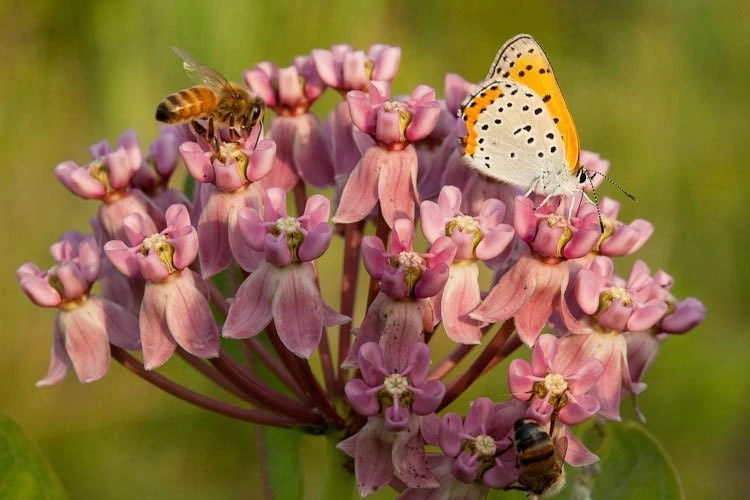
Prairie Milkweed Seeds – Asclepias sullivantii – 20 Count – Butterfly Garden
Original price was: 48.91 $.19.91 $Current price is: 19.91 $.
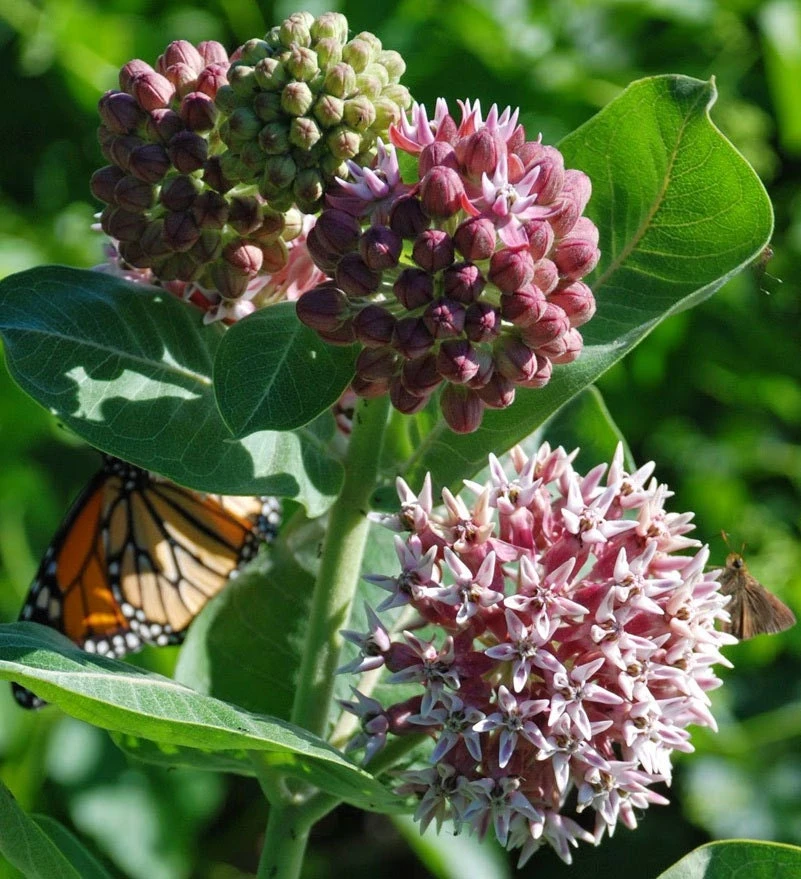
Cultivate Prairie Milkweed seeds (Asclepias sullivantii), an excellent choice for supporting pollinators. These Asclepias sullivantii seeds are perfect for creating a thriving butterfly garden, especially for Monarchs. Enjoy a less aggressive milkweed variety that thrives in USDA Zones 4-9.
Estimated arrival
Nov 26
Dec 01 - Dec 03
Dec 03 - Dec 08
See our Shipping Policy.
Get in touch with us via email, and our team will review your concerns.
Our Alive & Thrive Guarantee covers issues with your plants within the first 30 days. Read our Refund & Returns Policy.
-
USDA Hardiness Zone
USDA Hardiness Zones 4 to 9 -
Soil Type
Well-draining soil -
Sunlight Exposure
Full sun -
Expected Planting Period
Spring (after last frost)
Overview
Embark on a rewarding gardening journey with our premium Prairie Milkweed seeds. These carefully selected seeds of Asclepias sullivantii offer a unique opportunity to cultivate a vital plant for local ecosystems. Also known as Prairie Milkweed, this species is a less aggressive alternative to common milkweed, making it an ideal choice for structured garden beds and smaller spaces. Each packet contains 20 Prairie Milkweed seeds, ready to be sown and nurtured into beautiful, pollinator-friendly plants. Asclepias sullivantii is renowned for its importance as a host plant for Monarch butterflies, providing essential food for their larvae. By planting these seeds, you contribute directly to the conservation of these magnificent insects and enhance the biodiversity of your outdoor space. Discover the joy of growing this resilient and beautiful native plant.
Our Asclepias sullivantii seeds are sourced to ensure high viability, allowing you to establish a robust population of this beneficial plant. Whether you are an experienced gardener or just starting, growing Prairie Milkweed seeds is a fulfilling endeavor. This species is particularly valuable in regions where it is considered threatened, offering a chance to support its presence in the wild. Its elegant appearance and ecological significance make it a standout choice for any garden designed to attract and sustain pollinators. Prepare to witness the vibrant life that this remarkable plant brings to your garden.
Key Benefits
Adding Prairie Milkweed seeds to your garden provides numerous advantages, contributing both aesthetic beauty and ecological value. This species is a cornerstone for supporting a healthy environment.
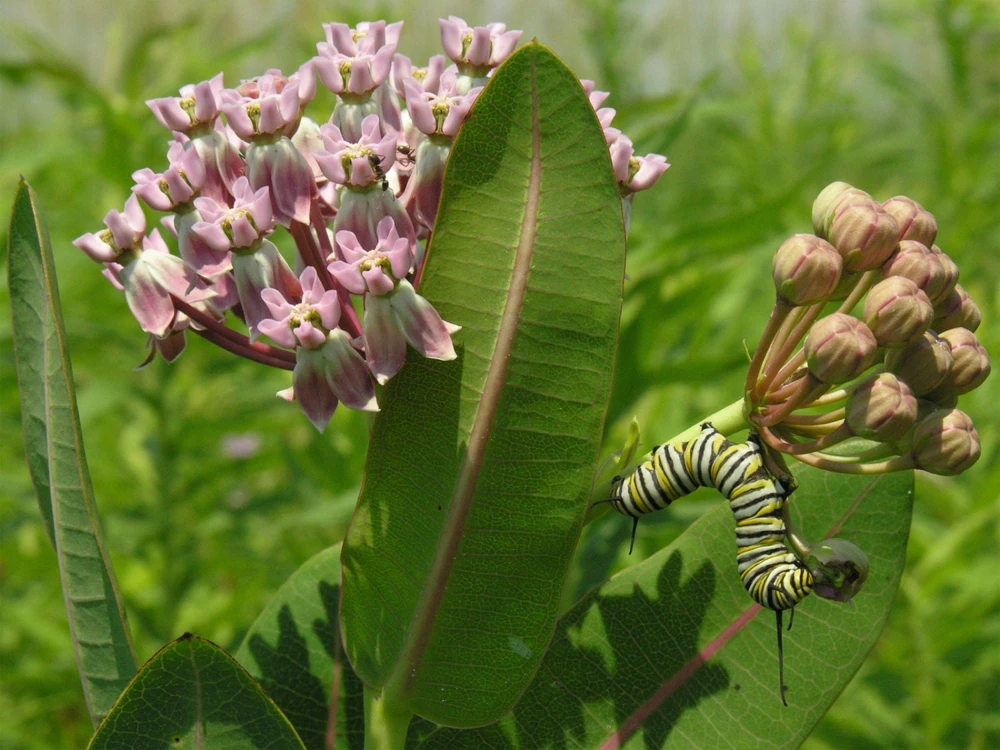
- Monarch Butterfly Support: These seeds grow into a crucial host plant for Monarch butterfly larvae, providing the sole food source for caterpillars. Cultivating Monarch host plant milkweed is essential for their life cycle and population health.
- Pollinator Attraction: The flowers are a documented nectar source for a wide array of pollinators, including the Orange-edged Roadside-Skipper, Dina Yellow, Carus Skipper, Eastern Tiger Swallowtail, Falcate Metalmark butterflies, Clarks sphinx moths, and Milkweed Tussock moths.
- Garden-Friendly Growth: Unlike some other milkweed varieties, Asclepias sullivantii is less aggressive, making it easier to manage in a cultivated garden setting without overtaking other plants.
- Native Plant Restoration: By planting Asclepias sullivantii seeds, you help re-establish a native species, particularly important in states where it is listed as threatened.
- Drought Tolerance: Once established, Prairie Milkweed is relatively drought-tolerant, requiring less water than many other garden plants.
- Low Maintenance: This hardy perennial requires minimal care once established, making it an excellent choice for gardeners seeking beautiful yet easy-to-grow plants.
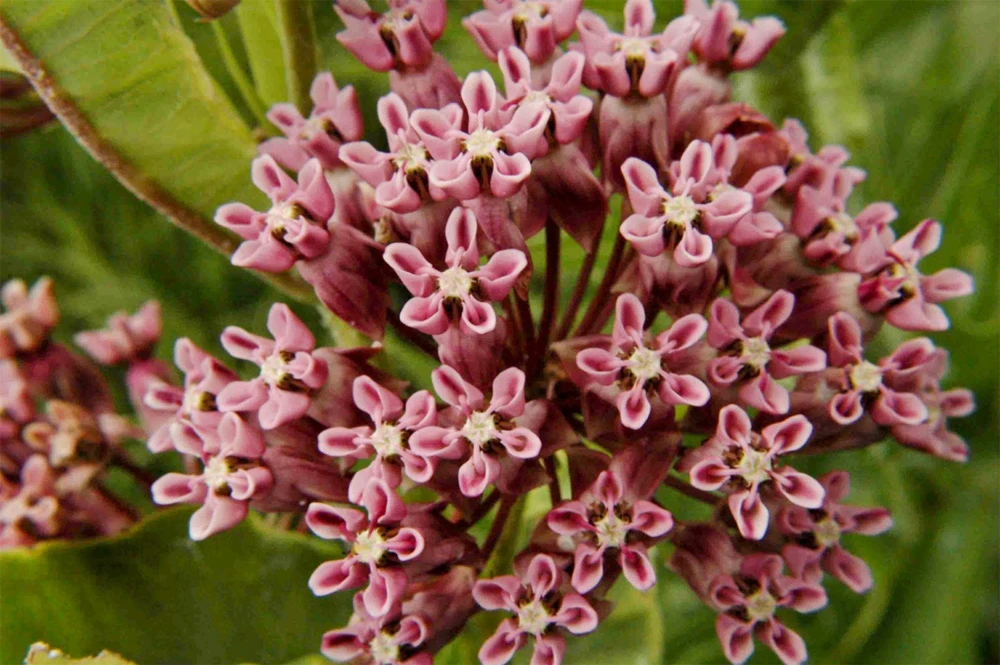
- Beautiful Blooms: Enjoy clusters of delicate pink to purplish-pink flowers that add a charming aesthetic to your garden space throughout the blooming season.
Plant Care & Growing Tips
Growing Prairie Milkweed seeds successfully involves understanding its specific needs, ensuring a thriving plant that will attract pollinators. This plant is known for its resilience once established. Start your Asclepias sullivantii seeds indoors 6-8 weeks before the last frost or directly sow outdoors after the danger of frost has passed. Cold stratification is often beneficial for these seeds; placing them in a moist medium in the refrigerator for 30-60 days can improve germination rates. Ensure the planting site receives ample sunlight for optimal growth.
Prairie Milkweed thrives in full sun, meaning at least 6 hours of direct sunlight per day. It prefers well-draining soil and can tolerate a range of soil types, from sandy to clay, as long as drainage is good. Avoid overly rich soil, as this can lead to leggy growth and fewer flowers. Water regularly during the establishment phase, but once mature, the plant is quite drought-tolerant. Fertilization is generally not necessary in average garden soil, but a light application of compost can be beneficial in poor soils. These plants are hardy in USDA Hardiness Zones 4 to 9, making them suitable for a wide range of climates. Watch for common milkweed pests like aphids, which can be managed with a strong spray of water or insecticidal soap. Providing a healthy environment will ensure your Monarch host plant thrives.
Size & Details
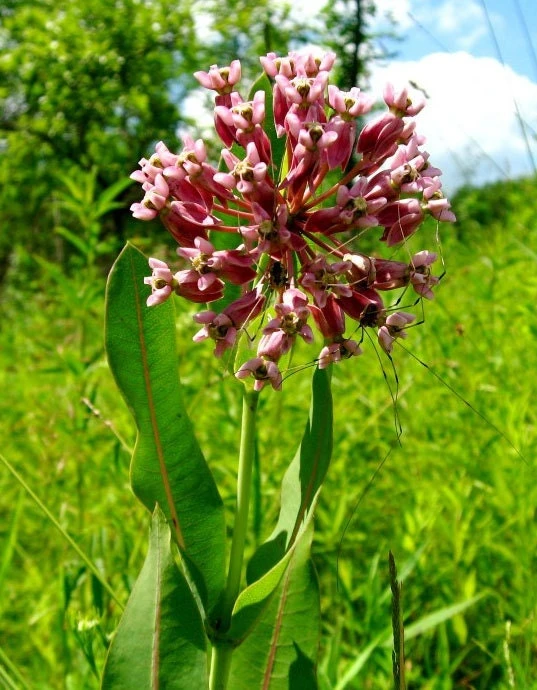
Each packet contains 20 Prairie Milkweed seeds (Asclepias sullivantii), ready for planting. Once germinated and established, these plants typically grow to a height of 2 to 4 feet, with a spread of 1 to 2 feet, forming an upright, clump-forming perennial. The green leaves are lance-shaped and smooth, providing a lush backdrop for the beautiful floral clusters. Flowers appear in mid to late summer, showcasing delicate pink to purplish-pink blooms in umbrella-like clusters. The plants will develop characteristic seed pods in the fall, which split open to release seeds with silky parachutes.
These milkweed for pollinators are ideal for sunny garden beds, naturalized areas, and native plant gardens. They are shipped as dormant seeds, ensuring freshness and readiness for planting in the appropriate season. Expect your plants to mature and begin flowering within one to two years from seeding, becoming an invaluable part of your garden’s ecosystem. The robust nature of this plant, along with its critical role as a butterfly garden milkweed, makes it a highly desirable addition for ecological landscaping.
Frequently Asked Questions
- Q: How big does this Prairie Milkweed plant get? A: Once established, Prairie Milkweed (Asclepias sullivantii) typically grows to a height of 2 to 4 feet and has a spread of 1 to 2 feet, forming an upright clump.
- Q: How much sunlight does Prairie Milkweed need? A: This plant thrives in full sun, meaning it requires at least 6 hours of direct sunlight per day to achieve optimal growth and flowering.
- Q: Is this plant easy to care for? A: Yes, once established, Prairie Milkweed is considered relatively low-maintenance. It is drought-tolerant and generally doesn’t require much fertilization, making it a good choice for various gardeners.
- Q: When is the best time to plant Asclepias sullivantii seeds? A: You can sow Asclepias sullivantii seeds indoors 6-8 weeks before the last frost or directly outdoors after the danger of frost has passed in spring. Cold stratification can improve germination.
- Q: What condition will the seeds arrive in? A: The seeds will arrive as dormant, viable seeds, packaged to ensure freshness and readiness for planting according to seasonal guidelines.
- Q: Can I use these seeds to attract Monarch butterflies? A: Absolutely! These Prairie Milkweed seeds will grow into a vital host plant for Monarch butterfly larvae, providing the necessary food for their caterpillars. It’s an excellent choice for a Monarch host plant.
- Q: What USDA Hardiness Zones are suitable for Prairie Milkweed? A: Prairie Milkweed is hardy in USDA Hardiness Zones 4 to 9, meaning it can tolerate a wide range of winter temperatures within these zones.
- Q: Is this milkweed aggressive like common milkweed? A: No, Prairie Milkweed (Asclepias sullivantii) is known for being less aggressive than common milkweed, making it more suitable for managed garden spaces without excessive spreading.
- Q: Do these plants attract other pollinators besides Monarchs? A: Yes, in addition to Monarchs, the flowers of Prairie Milkweed are a documented nectar source for various butterflies and moths, making it excellent milkweed for pollinators.
- Q: What kind of soil does Prairie Milkweed prefer? A: It prefers well-draining soil and can adapt to various soil types, including sandy or clay, as long as there is good drainage.
Be the first to review “Prairie Milkweed Seeds – Asclepias sullivantii – 20 Count – Butterfly Garden”
Related products

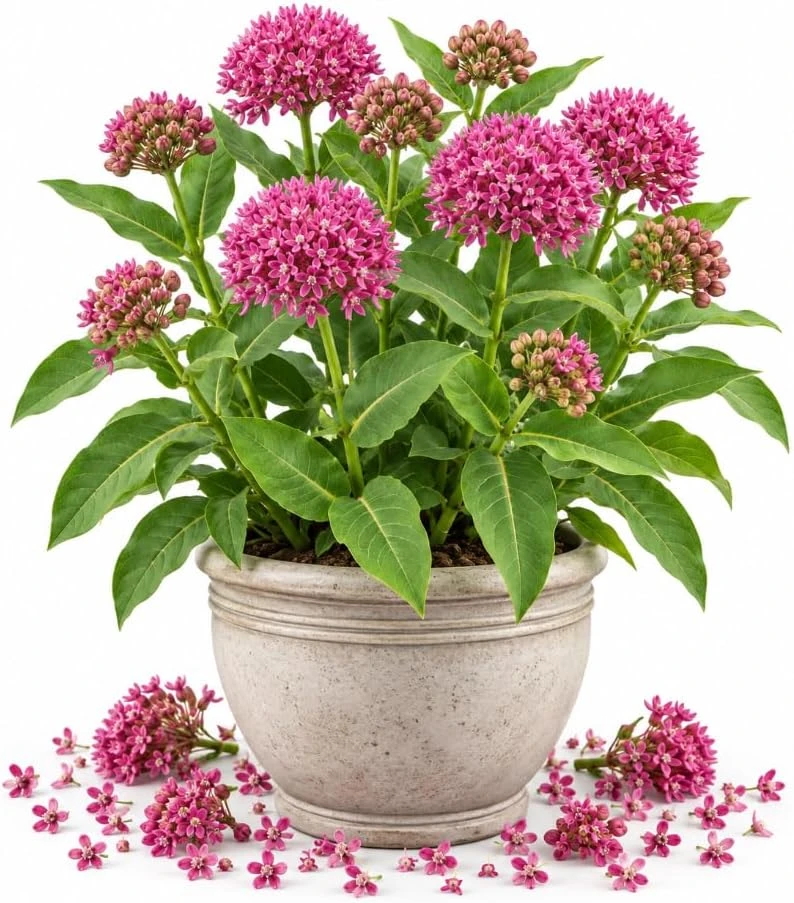

Flower Seeds
Blue Stock Matthiola Incana Seeds – 50 Fragrant Gillyflower Seeds – Ten-Week Blue Stock
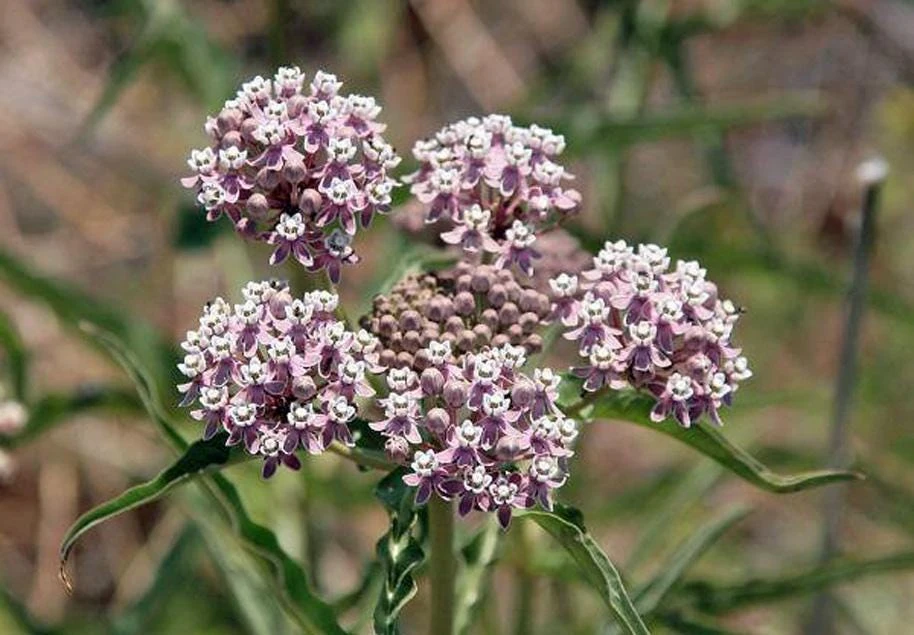
Flower Seeds
Narrow-Leaf Milkweed Seeds Asclepias fascicularis 25 Count – Monarch Butterfly Attractor
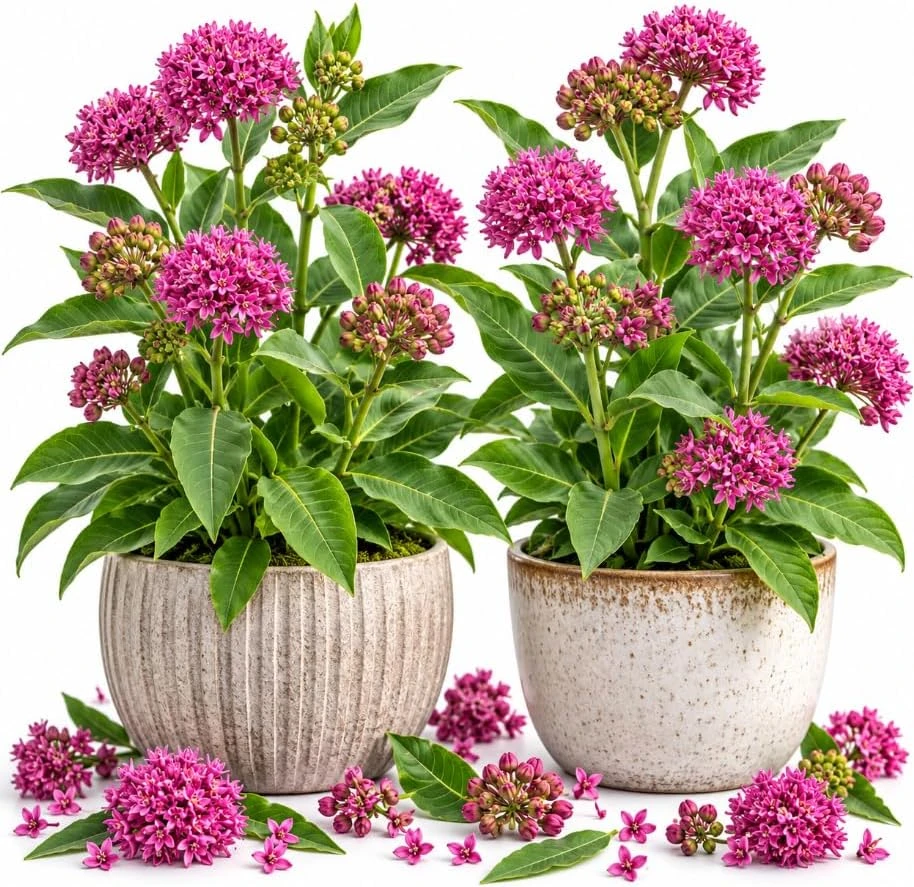
Flower Plants
2 Purple Milkweed Live Plants – Asclepias Perennial – 4-7 Inches Tall – Outdoor Garden Flowers


You May Like

How to Grow Passion Flower (Passiflora) for Tropical Blooms
Few climbing vines in the home garden command attention quite like the exotic Passion Flower (Passiflora). [...]
Nov

Thanksgiving Cactus Care: How to Get Thanksgiving Cactus to Bloom
Is your Thanksgiving cactus growing well but not giving you any flowers? Maybe it looked [...]
Nov

How to Grow Garlic for a Bountiful Home Harvest
Garlic (Allium sativum) is one of the most satisfying, low-maintenance, and flavor-packed crops you can [...]
Oct

Hardneck vs. Softneck Garlic: Which Should You Grow?
Have you ever stood in front of a seed catalog in mid-September, staring at dozens [...]
1 Comment
Oct

When to Plant Music Garlic: Ultimate US Fall Guide
Have you ever spent your fall weekend placing carefully chosen garlic cloves into rich, dark [...]
1 Comment
Oct

5 Best Bulbs for Fall Planting: Brighten Your Garden This Spring
Are you dreaming of a garden full of vibrant colors in the spring? The key [...]
Aug

10 Houseplants That Will Thrive in Your Kitchen
Are you tired of your kitchen feeling dull and lifeless? Want to add a little [...]
1 Comment
Aug
Reviews
There are no reviews yet.