
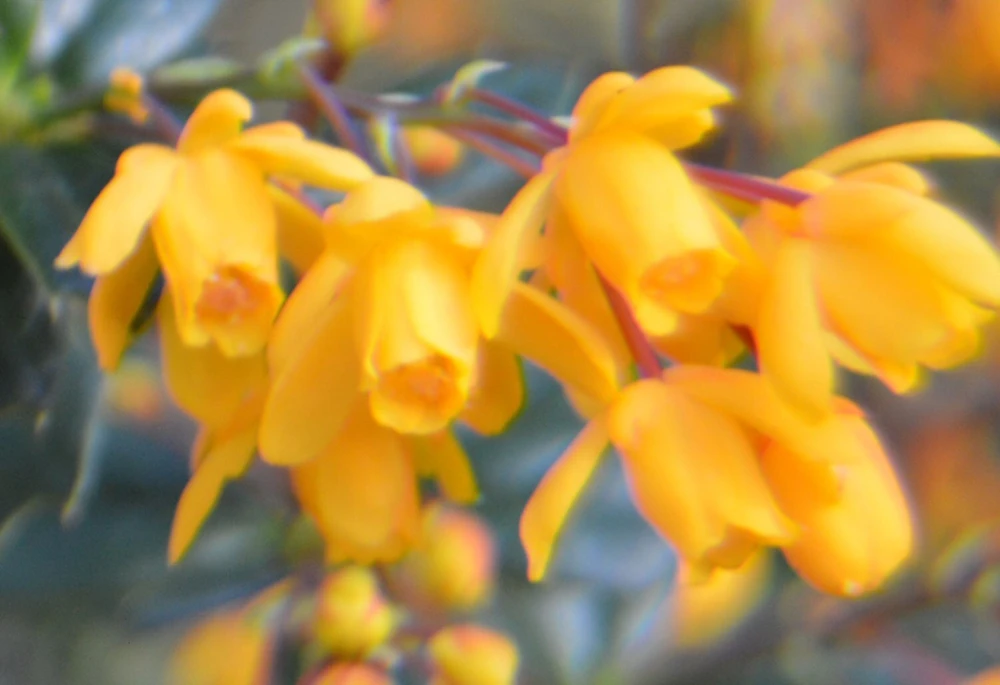
Berberis Darwinii Seeds – Darwin Barberry Seeds – 5 Count – Outdoor Shrub
Original price was: 48.91 $.19.91 $Current price is: 19.91 $.
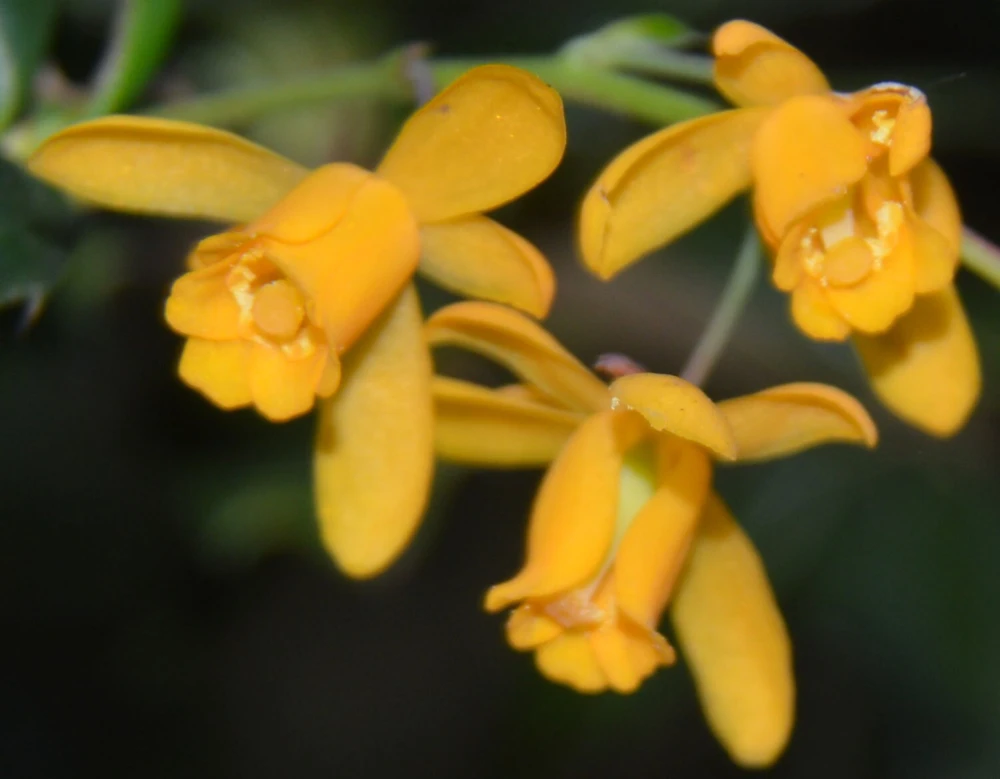
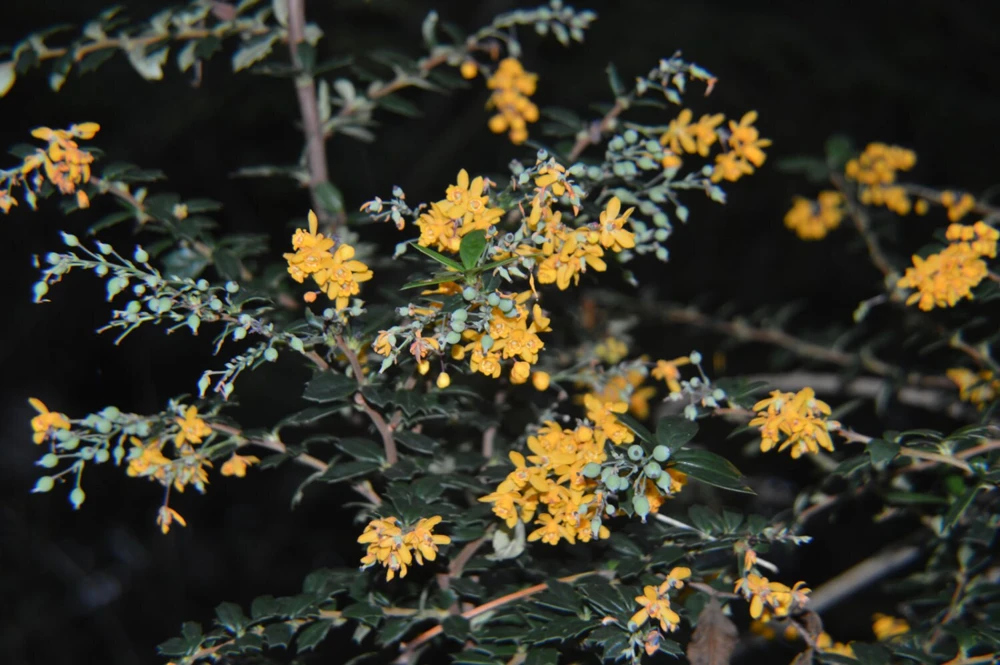
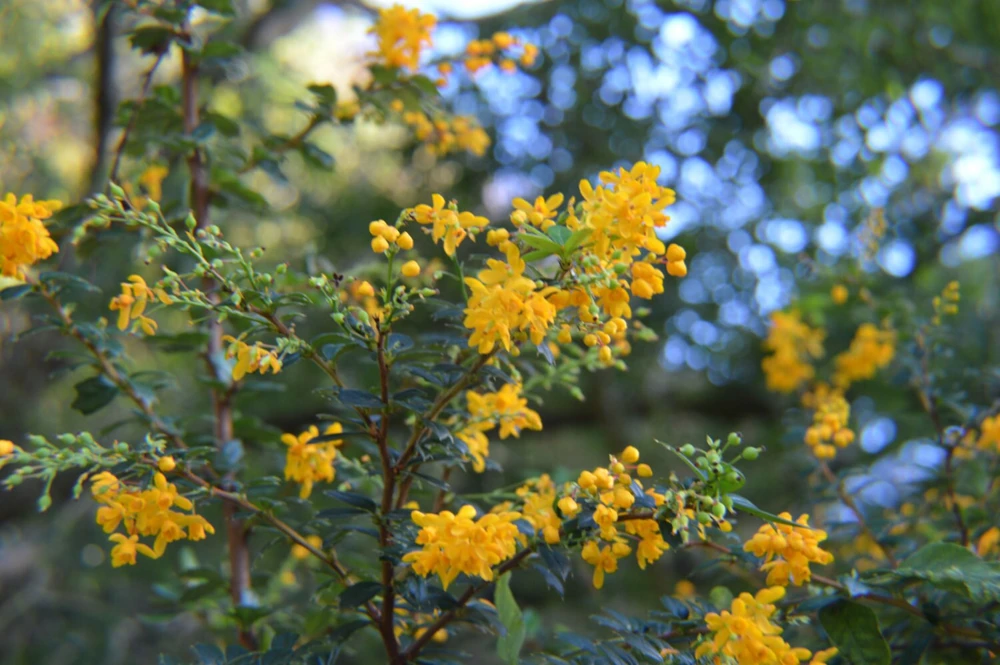
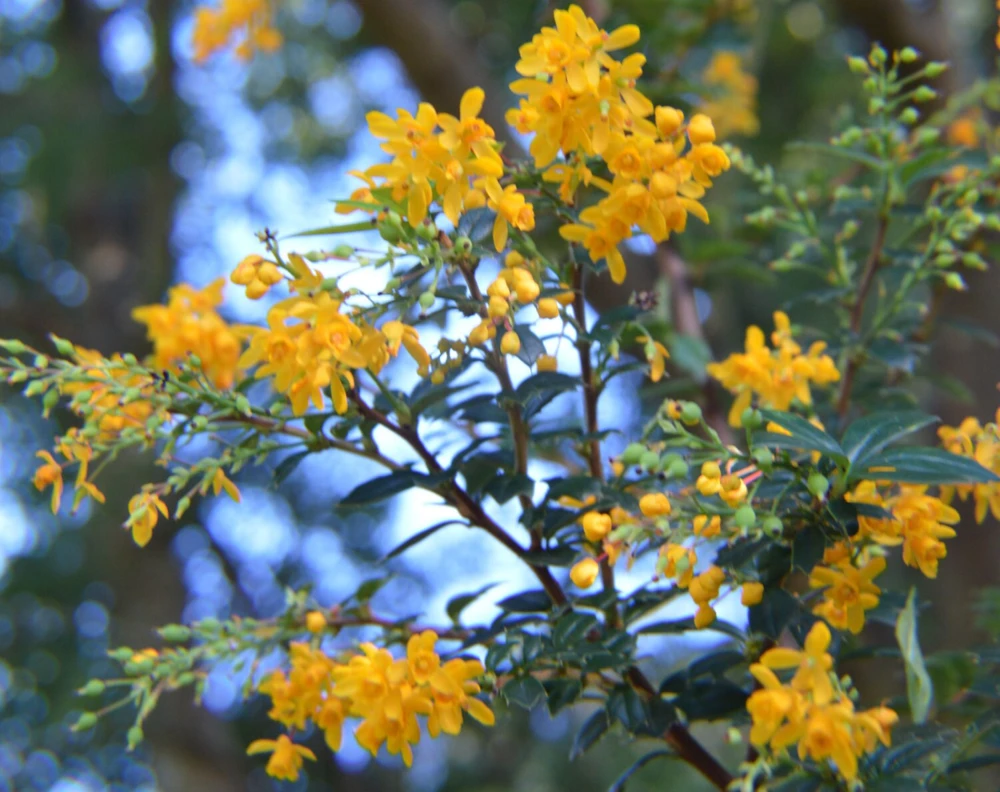
Cultivate the historic Berberis Darwinii seeds, also known as Darwin Barberry seeds. This versatile shrub offers beautiful foliage, vibrant orange flowers, and edible berries, making it ideal for hedges or attracting wildlife. Grow your own Darwins Berberis seeds and enjoy a unique addition to your garden.
Estimated arrival
Nov 27
Dec 02 - Dec 04
Dec 04 - Dec 09
See our Shipping Policy.
Get in touch with us via email, and our team will review your concerns.
Our Alive & Thrive Guarantee covers issues with your plants within the first 30 days. Read our Refund & Returns Policy.
-
USDA Hardiness Zone
7 to 9 -
Soil Type
Well-draining loam -
Sunlight Exposure
Full sun to partial shade -
Expected Planting Period
Early spring after last frost (outdoors) or late winter (indoors after stratification)
Overview
Embark on a botanical journey with these exquisite Berberis Darwinii seeds. Also known as Darwin Barberry seeds, Michay, Calafate, Quelung, or Darwins Berberis seeds, this remarkable shrub was famously discovered by Charles Darwin himself during his voyage on the Beagle in South America. These seeds offer the opportunity to cultivate a plant steeped in history and natural beauty. The Darwin Barberry is a robust and attractive shrub, growing to an average height of about 4 feet, making it a versatile choice for various garden designs. Its dense growth habit and attractive foliage provide year-round interest, while its vibrant flowers and edible berries add seasonal charm. This plant is not just a garden specimen; it’s a piece of living history, ready to thrive in your landscape.
Growing your own Berberis Darwinii seeds allows you to experience the full life cycle of this fascinating plant. From germination to maturity, you’ll witness the development of a resilient shrub that provides both ornamental appeal and practical uses. The rich heritage associated with its discovery adds an extra layer of intrigue, making it a conversation starter in any garden. Whether you’re an experienced gardener or a curious beginner, these seeds provide a rewarding cultivation experience, leading to a mature plant that contributes significantly to local biodiversity by attracting beneficial insects and birds.
Key Benefits
The Darwin Barberry seeds yield a plant with numerous advantages for any garden. Its multi-faceted appeal makes it a standout choice for both aesthetic enhancement and ecological support:
- Attractive Ornamental Shrub: The Darwin Barberry boasts glossy, evergreen leaves and a dense growth habit, providing year-round visual interest. Its arching branches and small, dark green leaves create a lush backdrop for other plants or a striking focal point on its own.
- Vibrant Spring Blooms: In spring, the shrub bursts forth with a profusion of bright orange-yellow, bell-shaped flowers. These blossoms are not only beautiful but also a significant nectar source, making it an excellent plant for attracting bees and butterflies to your garden.
- Edible & Versatile Fruit: Following the flowers, the plant produces small, dark blue-purple berries. When ripe, these berries are delicious and can be enjoyed raw or cooked. They are particularly known for their tart flavor, making them a great substitute for lemon juice in various culinary applications, or a tasty addition to porridges and desserts when fully ripened. These edible berry shrub seeds will provide you with a unique harvest.
- Excellent for Hedges: Due to its dense growth and moderate size, the Darwin Barberry is an ideal choice for creating formal hedges. Its thorny branches also offer a natural deterrent, providing privacy and security.
- Attracts Pollinators and Wildlife: The vibrant flowers are a magnet for bees and butterflies, supporting local pollinator populations. The berries also provide a valuable food source for birds, enhancing the biodiversity of your garden space.
- Low Maintenance: Once established, this shrub is relatively low maintenance, requiring minimal care to thrive. It’s drought-tolerant and adaptable to various conditions, making it a good choice for gardeners seeking resilient plants.
- Historic Significance: Growing a plant discovered by Charles Darwin adds a unique historical dimension to your garden, connecting you to the legacy of natural exploration and scientific discovery. These michay seeds carry a story within them.
Plant Care & Growing Tips
Cultivating Berberis Darwinii seeds into a thriving shrub requires attention to a few key environmental factors. Start by sowing your Darwin Barberry seeds in well-draining soil, either in pots indoors during late winter or directly outdoors in spring after the last frost. Cold stratification (exposing seeds to cold, moist conditions) for 6-8 weeks can significantly improve germination rates. Once germinated, provide consistent moisture without overwatering. Young seedlings are delicate and benefit from protection against harsh sun and strong winds.
As your Darwins Berberis seeds grow into established plants, they will prefer a location with full sun to partial shade. Full sun encourages more prolific flowering and fruiting, while partial shade can be beneficial in hotter climates to prevent leaf scorch. The ideal soil type is fertile, well-draining loam, but the plant is quite adaptable to a range of soil conditions, including clay or sandy soils, as long as drainage is adequate. Ensure good air circulation to prevent fungal issues. This shrub is hardy in USDA Zones 7 to 9, meaning it can tolerate winter temperatures down to 0-10°F (-18 to -12°C).
Watering should be regular during the plant’s establishment phase, typically for the first year. Once mature, Berberis Darwinii is quite drought-tolerant and will only need supplemental watering during extended dry periods. Fertilize sparingly in spring with a balanced, slow-release granular fertilizer, or use compost to enrich the soil. Pruning can be done after flowering to maintain shape, remove dead or diseased branches, or to encourage denser growth, especially if you are growing it as a hedge. Watch out for common pests like aphids or scale insects, and treat with horticultural oil or insecticidal soap if necessary. Proper care will ensure a robust and beautiful edible berry shrub for years to come.
Size & Details
These Berberis Darwinii seeds are supplied in a pack of 5, providing a good starting quantity for your garden project. Upon successful germination and growth, the Darwin Barberry typically matures into a shrub approximately 4 feet tall and equally wide, though it can sometimes reach up to 6-8 feet in ideal conditions. It develops a dense, bushy habit, making it an excellent choice for a specimen plant, mass planting, or a formidable hedge. The growth rate is moderate, allowing for noticeable development each season without becoming overly aggressive. The plants are expected to begin flowering and fruiting within 2-3 years of planting, offering a delightful display of orange blooms followed by nutritious berries.
The seeds will eventually develop into a robust, evergreen shrub. The mature plant’s small, dark blue-purple fruits are typically ready for harvest in late spring to early summer. Each fruit contains small, hard seeds. These michay seeds will allow you to cultivate a plant that is not only beautiful but also productive, offering both visual appeal and a culinary harvest. The plant’s ability to attract birds, bees, and butterflies further enhances its value as a garden addition, contributing to a vibrant and healthy ecosystem.
Frequently Asked Questions
- Q: How big does the Darwin Barberry get? A: The Berberis Darwinii typically grows to about 4 feet tall and wide, though it can sometimes reach up to 6-8 feet in optimal conditions. Its dense growth makes it suitable for various garden uses.
- Q: Is this an indoor or outdoor plant? A: The Darwin Barberry is primarily an outdoor shrub. It thrives in garden settings where it can receive adequate sunlight and space to grow. It is not generally suited for indoor cultivation.
- Q: How much sunlight do Berberis Darwinii seeds need? A: Once established, the Darwin Barberry prefers full sun to partial shade. More sun generally leads to more abundant flowering and fruiting.
- Q: Is this plant easy to care for? A: Yes, once established, the Darwins Berberis is considered a relatively low-maintenance shrub. It is drought-tolerant and adaptable to various soil conditions, making it suitable for gardeners of different skill levels.
- Q: What condition will the Berberis Darwinii seeds arrive in? A: You will receive a pack of 5 viable seeds, ready for stratification and planting. They are carefully packaged to ensure their integrity during transit.
- Q: How long until the Darwin Barberry blooms or fruits? A: Typically, you can expect the Darwin Barberry to begin flowering and producing its edible berry shrub fruits within 2-3 years after planting the seeds, assuming optimal growing conditions.
- Q: Will it survive winter in my zone? A: The Darwin Barberry is hardy in USDA Hardiness Zones 7 to 9. If you are in these zones, it should successfully overwinter outdoors.
- Q: What is the best time to plant michay seeds? A: After cold stratification, the best time to sow Berberis Darwinii seeds is in early spring after the last risk of frost, or indoors in late winter for transplanting later.
- Q: Can the fruit from the Darwin Barberry be eaten? A: Yes, the small, dark blue-purple berries are edible. When fully ripe, they are sweet and delicious, suitable for raw consumption or cooking. When tart, they can be used as a lemon substitute.
- Q: Does this shrub attract wildlife? A: Absolutely! The vibrant orange flowers attract bees and butterflies, while the berries provide a food source for birds, making it a great addition for supporting local wildlife.
Be the first to review “Berberis Darwinii Seeds – Darwin Barberry Seeds – 5 Count – Outdoor Shrub”
Related products


You May Like

How to Grow Passion Flower (Passiflora) for Tropical Blooms
Few climbing vines in the home garden command attention quite like the exotic Passion Flower (Passiflora). [...]
Nov

Thanksgiving Cactus Care: How to Get Thanksgiving Cactus to Bloom
Is your Thanksgiving cactus growing well but not giving you any flowers? Maybe it looked [...]
Nov

How to Grow Garlic for a Bountiful Home Harvest
Garlic (Allium sativum) is one of the most satisfying, low-maintenance, and flavor-packed crops you can [...]
Oct

Hardneck vs. Softneck Garlic: Which Should You Grow?
Have you ever stood in front of a seed catalog in mid-September, staring at dozens [...]
1 Comment
Oct

When to Plant Music Garlic: Ultimate US Fall Guide
Have you ever spent your fall weekend placing carefully chosen garlic cloves into rich, dark [...]
1 Comment
Oct

5 Best Bulbs for Fall Planting: Brighten Your Garden This Spring
Are you dreaming of a garden full of vibrant colors in the spring? The key [...]
Aug

10 Houseplants That Will Thrive in Your Kitchen
Are you tired of your kitchen feeling dull and lifeless? Want to add a little [...]
1 Comment
Aug
Reviews
There are no reviews yet.