
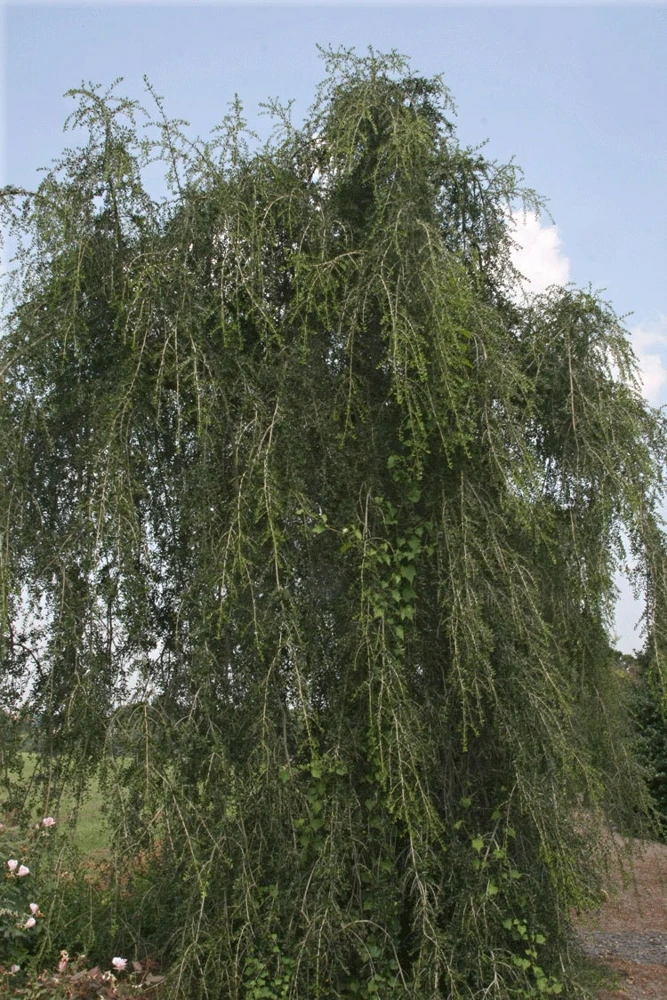
Weeping Yaupon Holly Pendula Seeds – Ilex vomitoria – 20 Seeds – Outdoor Shrub
Original price was: 48.91 $.19.91 $Current price is: 19.91 $.
Cultivate the distinctive weeping yaupon holly seeds (Ilex vomitoria ‘Pendula’) with this pack of 20 seeds. This elegant shrub offers year-round interest, white spring blooms, and attracts pollinators. Ideal for USDA Zones 7-10, it’s a beautiful addition to any garden.
Estimated arrival
Nov 26
Dec 01 - Dec 03
Dec 03 - Dec 08
See our Shipping Policy.
Get in touch with us via email, and our team will review your concerns.
Our Alive & Thrive Guarantee covers issues with your plants within the first 30 days. Read our Refund & Returns Policy.
-
USDA Hardiness Zone
7-10 -
Soil Type
Well-draining soil -
Sunlight Exposure
Full sun -
Expected Planting Period
Late winter to early spring (after stratification)
Overview
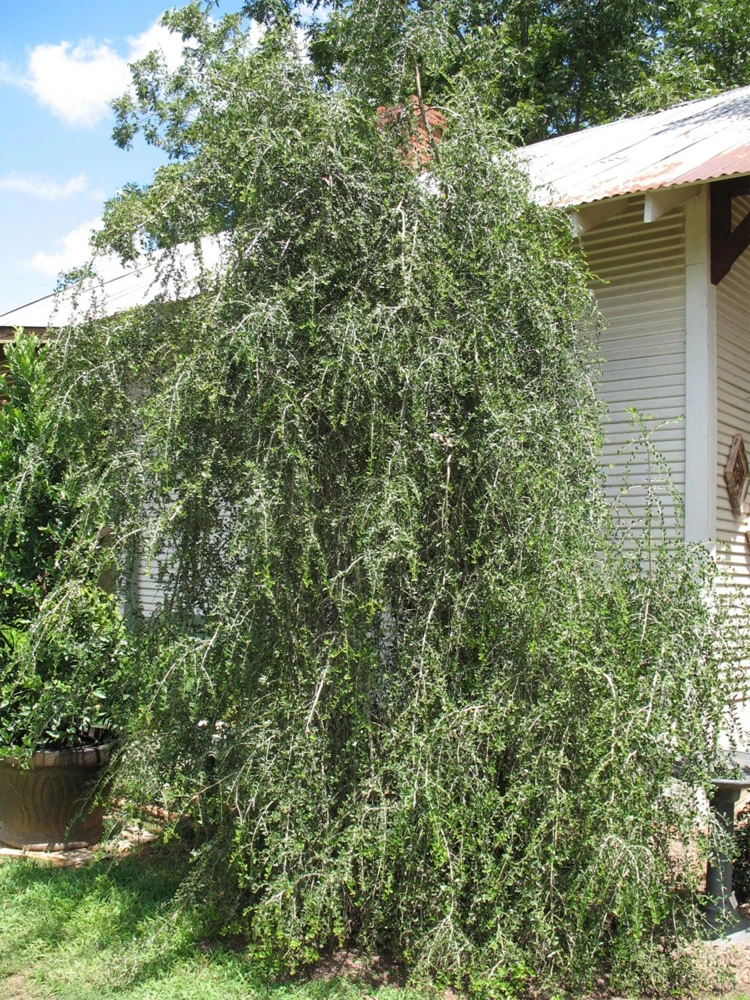
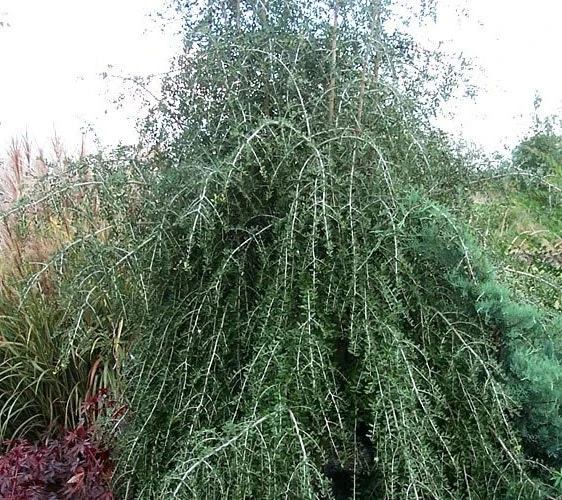
Embark on a rewarding gardening journey with weeping yaupon holly seeds, scientifically known as Ilex vomitoria ‘Pendula’. This offering provides you with 20 seeds, allowing you to cultivate this unique and graceful shrub in your own landscape. The weeping yaupon holly seeds will grow into a distinctive plant known for its cascading branches and year-round appeal. As a native evergreen, it provides structure and beauty even in winter months, making it a valuable addition to many garden designs. The Ilex vomitoria species is recognized for its hardiness and adaptability, thriving in a range of conditions. This particular pendulous variety adds an architectural element that creates a striking focal point in any garden setting. Beyond its aesthetic charm, this plant is also a vital resource for local wildlife, attracting birds, bees, and butterflies.
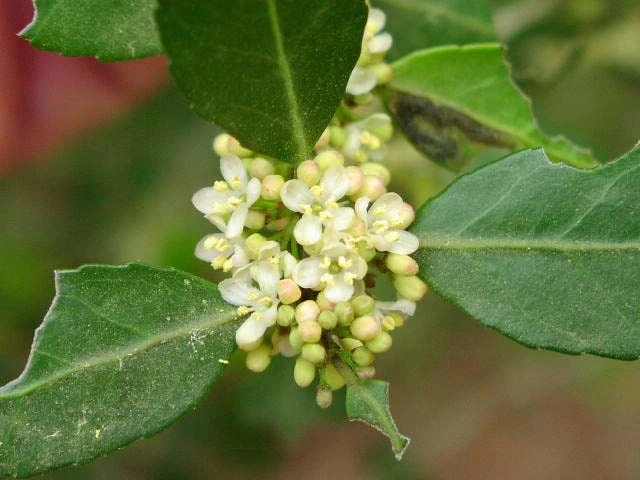
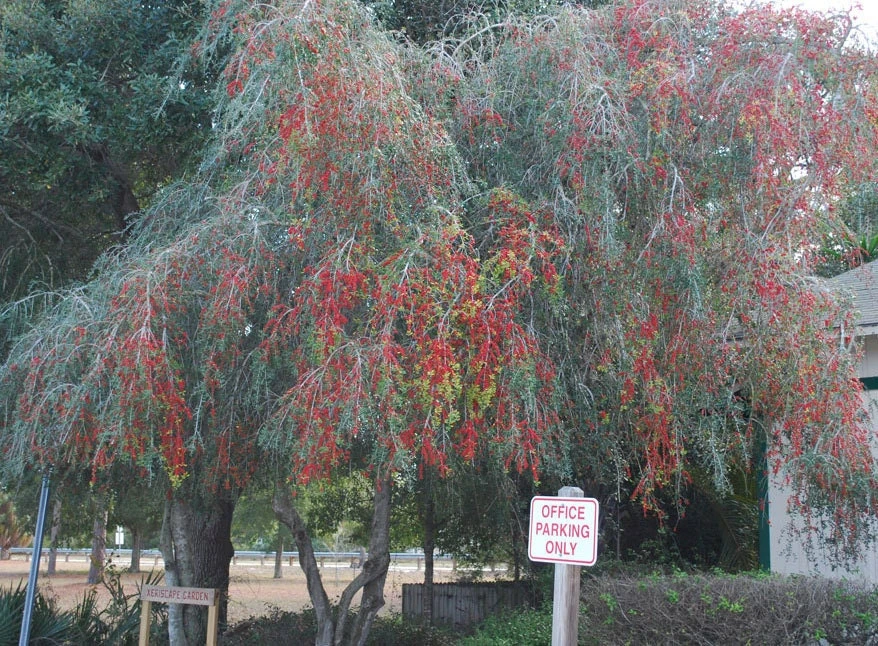
Growing ilex vomitoria seeds offers a sustainable way to introduce this beautiful species to your garden. The process of nurturing a plant from seed can be incredibly gratifying, allowing you to observe its growth from its earliest stages. This plant’s adaptability and low maintenance requirements make it suitable for both experienced gardeners and those new to cultivating from seed. The weeping form, coupled with its evergreen foliage, ensures continuous visual interest throughout the seasons, from the delicate white blooms in spring to the vibrant red berries that mature in fall and persist through winter, providing a food source for birds.
Key Benefits
The weeping yaupon holly seeds offer numerous advantages for your garden and local ecosystem. Cultivating this plant provides a wealth of benefits:
- Distinctive Ornamental Value: The elegant, cascading branches of the weeping yaupon holly create a unique and sophisticated focal point in any garden design. Its evergreen foliage provides year-round beauty and structure.
- Wildlife Attraction: The white blooms of the Ilex vomitoria in spring are a magnet for various pollinators, including bees and butterflies. The subsequent red berries provide an essential food source for birds during the colder months, making it an excellent choice for a wildlife-friendly garden.
- Larval Host Plant: This plant serves as a crucial larval host for the Henry’s Elfin butterfly, supporting local biodiversity and contributing to the health of butterfly populations.
- Drought Tolerance: Once established, the weeping yaupon holly is remarkably drought-tolerant, requiring less water than many other ornamental shrubs, which makes it a sustainable choice for water-wise gardening.
- Low Maintenance: This hardy shrub is generally low-maintenance, adapting to a variety of soil types and requiring minimal pruning to maintain its graceful form. This makes growing ilex vomitoria seeds a manageable and rewarding endeavor.
- Versatile Landscape Use: Its unique weeping habit makes it suitable for various landscape applications, including specimen planting, accentuating water features, or creating a natural screen. The weeping yaupon pendula can truly transform a space.
- Traditional Uses: The leaves of the yaupon holly have historically been used to make a caffeinated tea, offering a fascinating connection to traditional botanical practices and the potential for creating your own herbal infusions. Learning about yaupon holly tea adds another dimension to its appeal.
Plant Care & Growing Tips
Successfully growing weeping yaupon holly seeds requires attention to a few key environmental factors to ensure healthy germination and establishment. This plant thrives in a location that receives full sun, meaning at least six hours of direct sunlight per day. While it can tolerate some partial shade, full sun promotes the best growth, flowering, and berry production. Good air circulation is also beneficial to prevent fungal issues. When starting ilex vomitoria seeds, proper scarification and stratification are often required to break dormancy and encourage germination, mimicking natural winter conditions.
For soil, the weeping yaupon holly is quite adaptable but prefers well-draining soil. It can tolerate a range of soil types, from sandy to clay, as long as it doesn’t remain waterlogged. Amending heavy clay soils with organic matter can improve drainage, while adding compost to sandy soils can help retain moisture and nutrients. Once established, this shrub is relatively drought-tolerant, but consistent moisture is important for young plants. Water deeply and regularly during dry periods, allowing the top few inches of soil to dry out between waterings. Overwatering can lead to root rot, so ensure adequate drainage.
The weeping yaupon pendula is hardy in USDA Zones 7 to 10, meaning it can withstand winter temperatures down to 0°F to 10°F. In colder parts of its range, providing some winter protection for young plants, such as a layer of mulch around the base, can be beneficial. Fertilization is generally not heavily required for established plants in good soil. If growth appears slow or foliage is pale, a balanced slow-release fertilizer can be applied in spring. Pruning is mainly for shaping and removing any dead or damaged branches, best done after the spring flowering. Common problems are few, but watch for scale insects or leaf spot, which can usually be managed with horticultural oil or appropriate fungicides. Understanding yaupon holly plant care will ensure a thriving specimen.
Size & Details
This product includes 20 seeds of Ilex vomitoria ‘Pendula’, commonly known as the weeping yaupon holly seeds. When grown to maturity, this evergreen shrub typically reaches a height of 15 to 20 feet with a spread of 10 to 15 feet, though its weeping habit often gives it a narrower profile. The growth rate is moderate, allowing it to establish well within a few years. The seeds will arrive in a protective packet, ready for stratification and planting. Expect the plant to develop its characteristic weeping form as it matures, with small, oval, dark green leaves that are densely arranged along its branches. The small white flowers appear in spring, followed by abundant bright red berries that persist through fall and winter, providing a vibrant splash of color. Cultivating ilex vomitoria seeds is an investment in a long-lived and beautiful garden feature. The potential for creating yaupon holly tea from the leaves adds to its unique appeal.
Frequently Asked Questions
- Q: How big does the weeping yaupon holly get? A: A mature weeping yaupon holly typically grows to a height of 15-20 feet with a spread of 10-15 feet, though its distinctive weeping form can make it appear more slender.
- Q: Is this an indoor or outdoor plant? A: The weeping yaupon holly is primarily an outdoor plant, best suited for landscaping in USDA Hardiness Zones 7-10. It requires significant space and sunlight to thrive.
- Q: How much sunlight do weeping yaupon holly seeds need to grow? A: For optimal growth and flowering, the weeping yaupon holly requires full sun, meaning at least six hours of direct sunlight daily. It can tolerate some partial shade but may have less dense foliage and fewer berries.
- Q: Is this plant easy to care for? A: Yes, once established, the ilex vomitoria is considered a low-maintenance shrub. It is drought-tolerant and adaptable to various soil conditions, making yaupon holly plant care relatively straightforward.
- Q: What condition will the seeds arrive in? A: The product consists of 20 seeds of Ilex vomitoria ‘Pendula’ in a protective packet, ready for you to begin the germination process.
- Q: When is the best time to plant weeping yaupon holly seeds? A: After proper stratification, weeping yaupon holly seeds are typically sown in late winter or early spring for germination as temperatures rise. This mimics their natural growth cycle.
- Q: Will it survive winter in my zone? A: The weeping yaupon pendula is hardy in USDA Zones 7-10, meaning it can tolerate winter temperatures ranging from 0°F to 10°F. If you are in a colder zone, it may require significant winter protection or greenhouse conditions.
- Q: Can I make tea from the leaves? A: Yes, the leaves of Ilex vomitoria, also known as the yaupon holly, have historically been used to make a caffeinated beverage. This practice is part of the plant’s rich history, and many enjoy exploring yaupon holly tea.
- Q: How long until the seeds germinate? A: Germination time for ilex vomitoria seeds can vary significantly, often requiring a period of stratification. With proper conditions, it can take several weeks to a few months for seedlings to emerge.
- Q: What kind of soil is best for these seeds? A: The weeping yaupon holly prefers well-draining soil, but is adaptable to a variety of soil types, including sandy or clay, as long as drainage is adequate.
Be the first to review “Weeping Yaupon Holly Pendula Seeds – Ilex vomitoria – 20 Seeds – Outdoor Shrub”
Related products


Shrub Seeds
Nannyberry Sweet Viburnum Lentago Seeds – 20 Pack, White Flowers, Edible Blue-Black Berries


You May Like

How to Grow Passion Flower (Passiflora) for Tropical Blooms
Few climbing vines in the home garden command attention quite like the exotic Passion Flower (Passiflora). [...]
Nov

Thanksgiving Cactus Care: How to Get Thanksgiving Cactus to Bloom
Is your Thanksgiving cactus growing well but not giving you any flowers? Maybe it looked [...]
Nov

How to Grow Garlic for a Bountiful Home Harvest
Garlic (Allium sativum) is one of the most satisfying, low-maintenance, and flavor-packed crops you can [...]
Oct

Hardneck vs. Softneck Garlic: Which Should You Grow?
Have you ever stood in front of a seed catalog in mid-September, staring at dozens [...]
1 Comment
Oct

When to Plant Music Garlic: Ultimate US Fall Guide
Have you ever spent your fall weekend placing carefully chosen garlic cloves into rich, dark [...]
1 Comment
Oct

5 Best Bulbs for Fall Planting: Brighten Your Garden This Spring
Are you dreaming of a garden full of vibrant colors in the spring? The key [...]
Aug

10 Houseplants That Will Thrive in Your Kitchen
Are you tired of your kitchen feeling dull and lifeless? Want to add a little [...]
1 Comment
Aug
Reviews
There are no reviews yet.