
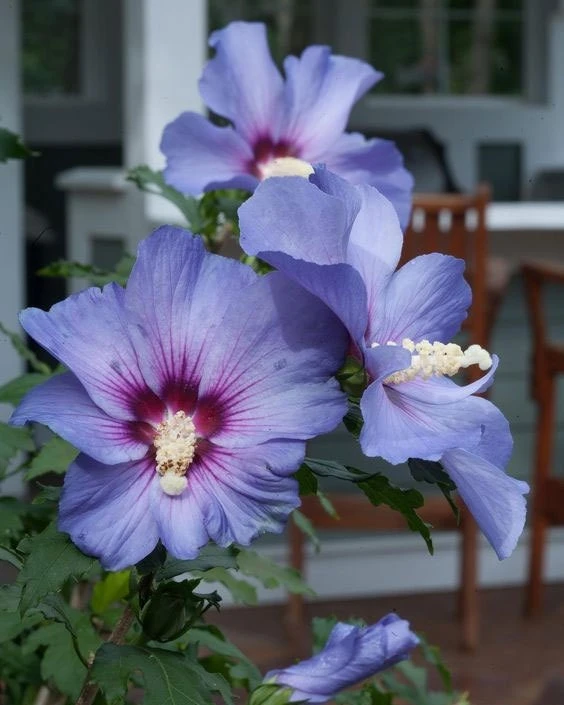
Violet Satin Rose of Sharon Seeds – Hibiscus syriacus – 50 Seeds for Outdoor Garden
Original price was: 48.91 $.19.91 $Current price is: 19.91 $.
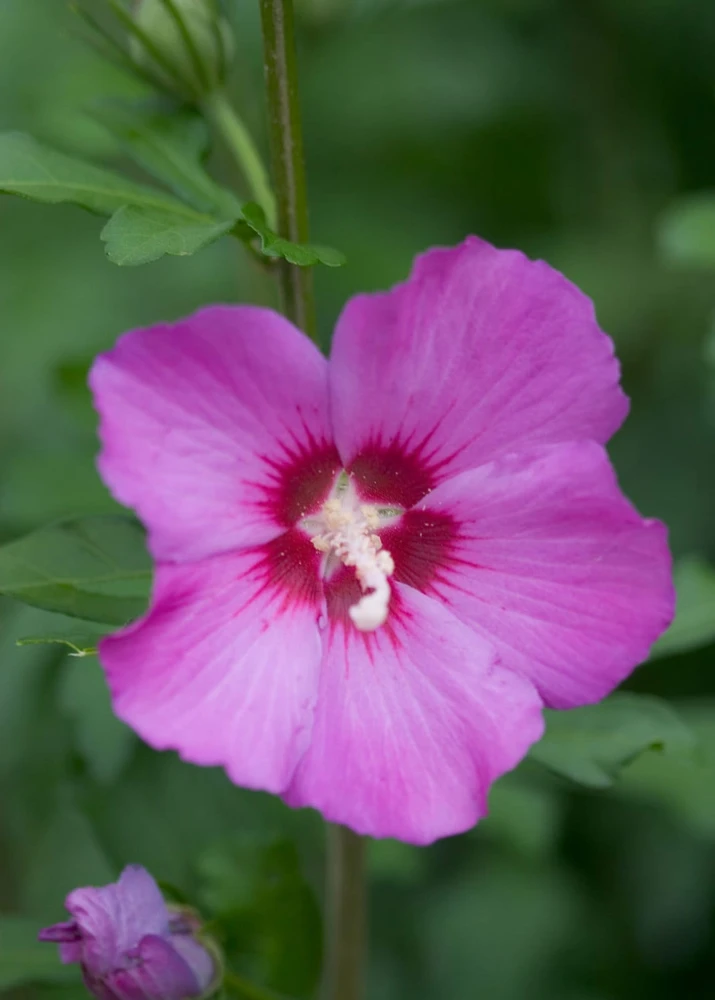
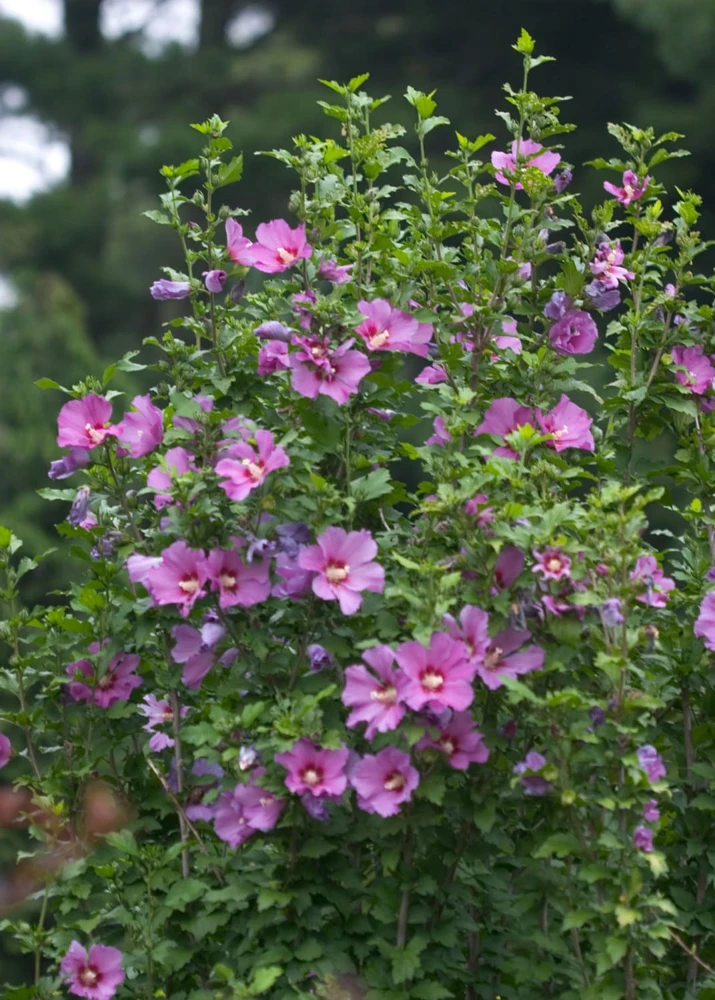
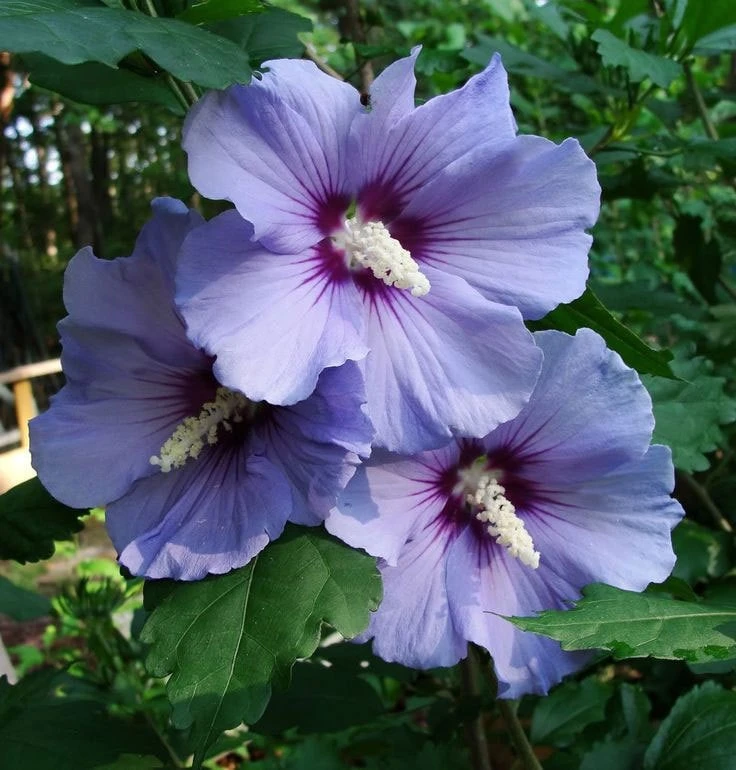
Cultivate stunning Violet Satin Rose of Sharon seeds in your garden. This pack contains 50 high-quality seeds to grow a beautiful shrub with lavender, blue, and violet blossoms from summer to fall. Perfect for adding vibrant color and attracting pollinators to outdoor landscapes.
Estimated arrival
Nov 27
Dec 02 - Dec 04
Dec 04 - Dec 09
See our Shipping Policy.
Get in touch with us via email, and our team will review your concerns.
Our Alive & Thrive Guarantee covers issues with your plants within the first 30 days. Read our Refund & Returns Policy.
-
USDA Hardiness Zone
5-8 -
Soil Type
Well-draining, loamy soil -
Sunlight Exposure
Full sun -
Expected Planting Period
Spring to early summer
Overview
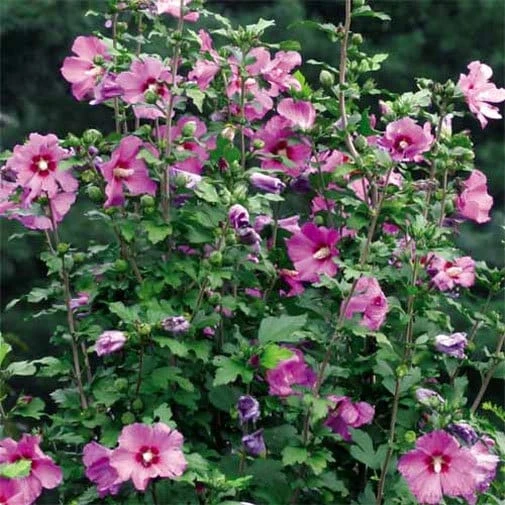
Embark on a rewarding gardening journey with our premium Violet Satin Rose of Sharon seeds. This offering provides 50 carefully selected seeds of Hibiscus syriacus ‘Violet Satin’, commonly known as Rose of Sharon or Shrub Althea. These versatile and hardy shrubs are celebrated for their spectacular, large blossoms that unfurl in a captivating palette of lavender, blue, and violet hues. Ideal for creating a focal point in your garden, a beautiful hedge, or a vibrant border, the Violet Satin Rose of Sharon seeds promise a long season of bloom, starting in mid-summer and continuing through early fall. These easy-to-grow seeds are perfect for gardeners looking to add a touch of elegance and consistent color to their outdoor spaces, attracting a variety of beneficial pollinators.
The Rose of Sharon is a resilient deciduous shrub that thrives in many climates, making it a popular choice for gardeners across the United States. Its robust nature and stunning floral display make it an excellent addition to almost any landscape design. Whether you’re an experienced horticulturist or just starting your gardening adventure, growing these Hibiscus syriacus seeds will bring immense satisfaction. The plant’s upright growth habit and dense foliage provide structure and beauty, while the intricate flowers add an exotic flair. Prepare to transform your garden into a haven of color and life with these exceptional seeds.
Key Benefits
Planting Rose of Sharon seeds offers a multitude of advantages for both your garden and the local ecosystem. From their aesthetic appeal to their ecological contributions, these shrubs are a true garden asset.
- Stunning Visual Appeal: Enjoy a prolonged display of gorgeous lavender, blue, and violet flowers that provide continuous color from mid-summer until early fall. The vibrant blooms of the Violet Satin Rose of Sharon seeds will be a showstopper in any garden.
- Attracts Pollinators: These plants are a significant nectar source for a wide array of butterflies, including Cloudless Sulphur, Large Orange Sulphur, and various other species, contributing to local biodiversity.
- Edible Parts: The flowers, young leaves, and roots of the Rose of Sharon are edible. The tender flowers and leaves can be used in salads or cooked as vegetables, and dried leaves can be brewed into a tea, offering a unique culinary dimension.
- Hardy and Resilient: Thrives in USDA Hardiness Zones 5 to 8, demonstrating excellent cold tolerance and adaptability to various soil conditions, making it a low-maintenance choice for many regions.
- Versatile Landscaping Use: Perfect for use as a specimen plant, in mixed borders, as a privacy hedge, or even in large containers, providing flexibility in garden design.
- Low Maintenance: Once established, these shrubs require minimal care, tolerating periods of drought and generally being pest and disease resistant, allowing you more time to enjoy their beauty.
- Larval Host Plant: Beyond nectar, the plant serves as a larval host for several moth species, such as the Bumelia Webworm and Pearly Wood-nymph, further supporting the local insect population.
Plant Care & Growing Tips
Successfully growing your Violet Satin Rose of Sharon seeds begins with proper planting and consistent care. These shrubs are relatively forgiving, but providing optimal conditions will ensure the most robust growth and abundant blooms. Start your seeds indoors 8-12 weeks before the last frost date, or sow directly outdoors after all danger of frost has passed and soil temperatures have warmed. Scarify the seeds lightly with sandpaper or soak them in warm water for 24 hours prior to planting to improve germination rates. Plant seeds about 1/4 inch deep in a well-draining seed starting mix.
The Rose of Sharon thrives in full sun, meaning it needs at least 6 hours of direct sunlight per day to produce the most flowers. While it can tolerate partial shade, flowering may be reduced. Ensure your soil is well-draining; these plants do not like wet feet. A rich, loamy soil with a neutral to slightly acidic pH is ideal. Water regularly during the first growing season to establish a strong root system. Once established, it is moderately drought-tolerant but will perform best with consistent moisture, especially during dry spells. Fertilize in early spring with a balanced slow-release fertilizer to support vigorous growth and flowering. Pruning can be done in late winter or early spring to shape the plant and encourage more blooms, as flowers form on new wood.
Rose of Sharon seeds are quite hardy, suitable for USDA zones 5 to 8. They can withstand cold winters and hot summers within this range. Watch out for common pests like aphids, though they rarely cause significant damage. Powdery mildew can sometimes be an issue in humid conditions; ensuring good air circulation can help prevent this. Overall, these are low-maintenance plants that reward minimal effort with spectacular floral displays, making them a fantastic choice for nearly any garden setting. Proper care will ensure your Shrub Althea seeds develop into magnificent, long-lived specimens.
Size & Details
When mature, the Violet Satin Rose of Sharon typically grows to a height of 8 to 12 feet with a spread of 6 to 10 feet, forming an upright, vase-shaped shrub. Its moderate to fast growth rate means you won’t have to wait long to see a substantial plant. The flowers are trumpet-shaped and can reach 3-4 inches in diameter, providing a bold visual impact. This offering includes 50 seeds, providing ample opportunity to grow multiple shrubs or share with fellow gardening enthusiasts. Seeds are an economical way to establish these beautiful plants in your landscape, allowing you to cultivate a stunning display over time.
Expect the first blooms to appear in the second or third year after planting from seed, with the plant reaching its full glory in subsequent years. These seeds ship in a protective packet, ensuring their viability upon arrival. Growing from edible hibiscus seeds allows you to experience the full life cycle of this remarkable plant, from germination to its mature, flower-laden form. The mature plants will provide years of enjoyment, attracting local wildlife and adding significant curb appeal to your property.
Frequently Asked Questions
- Q: How big does the Violet Satin Rose of Sharon get? A: This shrub typically grows to a height of 8 to 12 feet with a spread of 6 to 10 feet. Its size can be managed with annual pruning to maintain a desired shape and dimension in your garden.
- Q: Is this an indoor or outdoor plant? A: The Violet Satin Rose of Sharon is primarily an outdoor plant. It thrives in full sun and is hardy in USDA Zones 5 to 8, making it suitable for most temperate climates as a garden shrub.
- Q: How much sunlight does it need? A: For the best flowering performance, this plant requires at least 6 hours of direct sunlight per day, ideally full sun. It can tolerate partial shade, but flowering may be less prolific.
- Q: Is this plant easy to care for? A: Yes, the Rose of Sharon is considered relatively easy to care for. Once established, it is quite hardy, drought-tolerant, and requires minimal maintenance, making it suitable for both beginner and experienced gardeners.
- Q: What condition will the seeds arrive in? A: Your Violet Satin Rose of Sharon seeds will arrive in a well-sealed, protective packet designed to maintain their viability and freshness during transit.
- Q: How long until it blooms from seed? A: Typically, you can expect the first blooms from plants grown from these seeds in their second or third year. The plant will establish a strong root system in its first year and then begin to flower.
- Q: Will it survive winter in my zone? A: If you are in USDA Hardiness Zones 5 to 8, your Rose of Sharon seeds will grow into plants that are well-equipped to survive winter. They are deciduous and will lose their leaves in colder months, returning with new growth in spring.
- Q: Can I use parts of this plant for culinary purposes? A: Yes, the flowers, young leaves, and roots of the Rose of Sharon are edible. The tender parts can be added to salads or cooked, and the dried leaves can be used to make a tea.
- Q: How many seeds are included in this pack? A: This offering includes a generous pack of 50 high-quality Hibiscus syriacus seeds, providing ample opportunity for successful germination and growth.
- Q: What kind of soil does it prefer? A: The Shrub Althea seeds will grow best in well-draining, fertile soil. It tolerates a range of soil types, but prefers a loamy soil with a neutral to slightly acidic pH. Good drainage is crucial to prevent root rot.
Be the first to review “Violet Satin Rose of Sharon Seeds – Hibiscus syriacus – 50 Seeds for Outdoor Garden”
Related products


Shrub Seeds
Nannyberry Sweet Viburnum Lentago Seeds – 20 Pack, White Flowers, Edible Blue-Black Berries


You May Like

How to Grow Passion Flower (Passiflora) for Tropical Blooms
Few climbing vines in the home garden command attention quite like the exotic Passion Flower (Passiflora). [...]
Nov

Thanksgiving Cactus Care: How to Get Thanksgiving Cactus to Bloom
Is your Thanksgiving cactus growing well but not giving you any flowers? Maybe it looked [...]
Nov

How to Grow Garlic for a Bountiful Home Harvest
Garlic (Allium sativum) is one of the most satisfying, low-maintenance, and flavor-packed crops you can [...]
Oct

Hardneck vs. Softneck Garlic: Which Should You Grow?
Have you ever stood in front of a seed catalog in mid-September, staring at dozens [...]
1 Comment
Oct

When to Plant Music Garlic: Ultimate US Fall Guide
Have you ever spent your fall weekend placing carefully chosen garlic cloves into rich, dark [...]
1 Comment
Oct

5 Best Bulbs for Fall Planting: Brighten Your Garden This Spring
Are you dreaming of a garden full of vibrant colors in the spring? The key [...]
Aug

10 Houseplants That Will Thrive in Your Kitchen
Are you tired of your kitchen feeling dull and lifeless? Want to add a little [...]
1 Comment
Aug
Reviews
There are no reviews yet.