
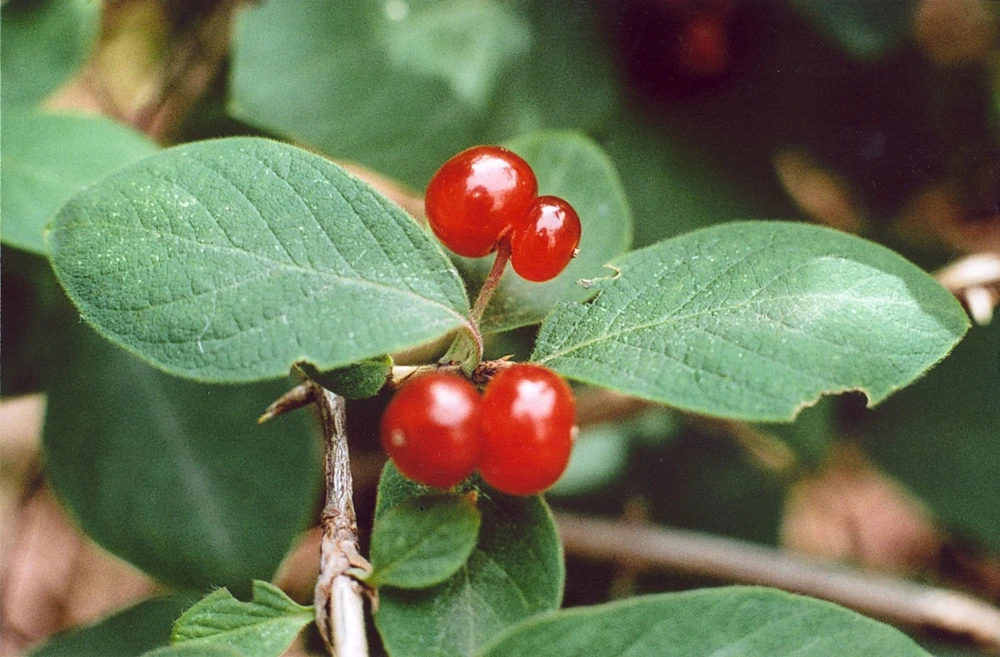
Lonicera xylosteum Seeds – European Fly Honeysuckle – 50 Seeds – Deer Resistant Shrub
Original price was: 42.91 $.13.91 $Current price is: 13.91 $.
Cultivate the beautiful Lonicera xylosteum seeds, also known as European Fly Honeysuckle seeds. This hardy, deer-resistant shrub produces fragrant white flowers, attracting birds, bees, and butterflies. Ideal for USDA Zones 4-6.
Estimated arrival
Nov 27
Dec 02 - Dec 04
Dec 04 - Dec 09
See our Shipping Policy.
Get in touch with us via email, and our team will review your concerns.
Our Alive & Thrive Guarantee covers issues with your plants within the first 30 days. Read our Refund & Returns Policy.
-
USDA Hardiness Zone
4-6 -
Soil Type
Well-draining soil -
Sunlight Exposure
Full sun -
Expected Planting Period
Late fall or early spring
Overview
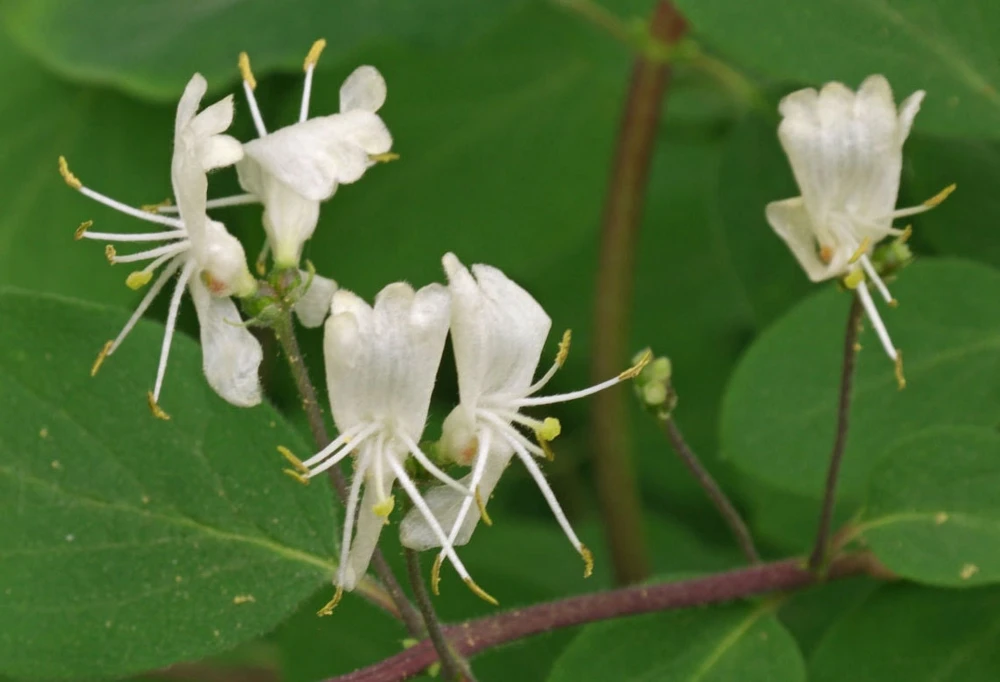
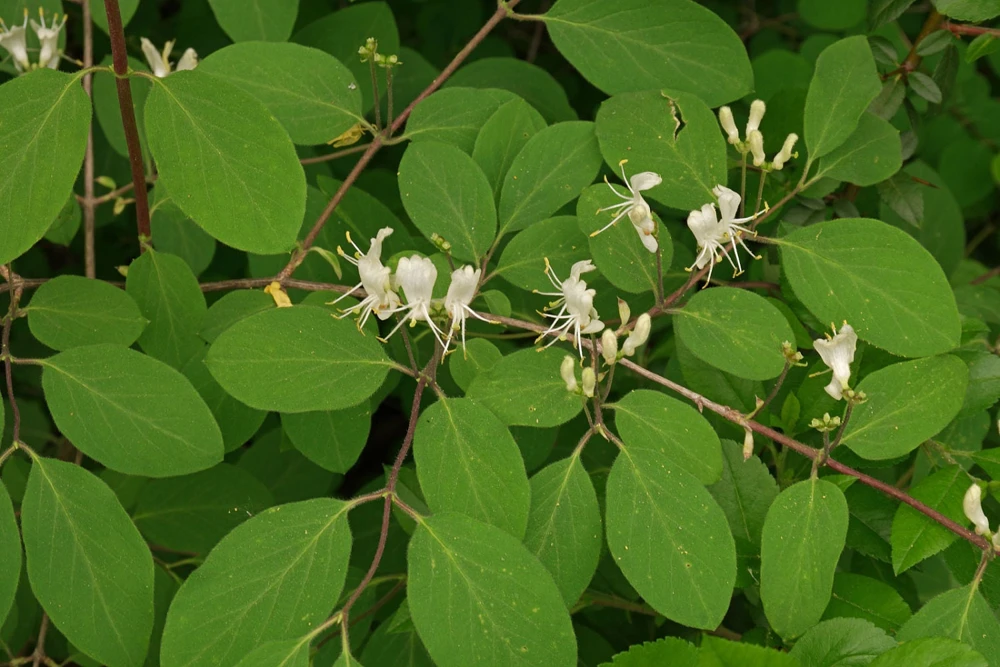
Embark on a rewarding gardening journey with Lonicera xylosteum seeds, also known as European Fly Honeysuckle or Dwarf Honeysuckle. This offering provides 50 high-quality seeds for cultivating a robust and attractive shrub. Renowned for its hardiness and ecological benefits, Lonicera xylosteum is a versatile plant perfect for various landscape designs. Originating from Europe and Asia, this deciduous shrub is cherished for its fragrant white flowers that bloom from early spring to late summer, adding a delicate beauty to any garden. Beyond its visual appeal, it serves as a vital resource for local wildlife, making it an excellent choice for eco-conscious gardeners seeking to support biodiversity.
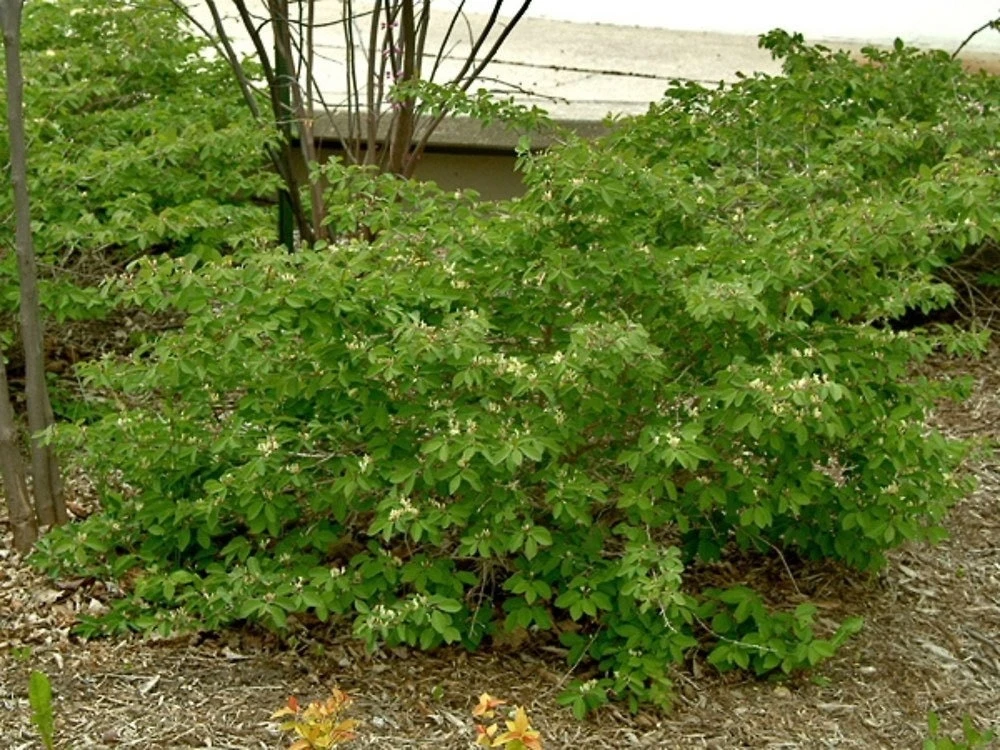
The European Fly Honeysuckle is a fantastic addition to garden borders, naturalized areas, or as a foundational planting. Its moderate size allows for flexibility in placement, while its resilience ensures a thriving presence with minimal effort. These Lonicera xylosteum seeds offer an opportunity to grow a plant that not only enhances the aesthetic of your outdoor space but also contributes significantly to the local ecosystem, providing nectar for countless butterflies and moths, and acting as a larval host plant for specific species.
Key Benefits
Growing Lonicera xylosteum seeds provides numerous advantages for both the gardener and the environment. This shrub is an excellent choice for creating a vibrant, low-maintenance landscape. Below are some of the key benefits you can expect from cultivating European Fly Honeysuckle:
- Attracts Pollinators: The fragrant white flowers are a magnet for essential pollinators, including bees, butterflies, and various moths, significantly boosting your garden’s ecological health. It’s a key nectar source for many species.
- Deer Resistant: A significant advantage for gardeners in areas prone to deer browsing, this shrub naturally deters deer, protecting your investment and effort. This makes it a great deer resistant shrub seeds option.
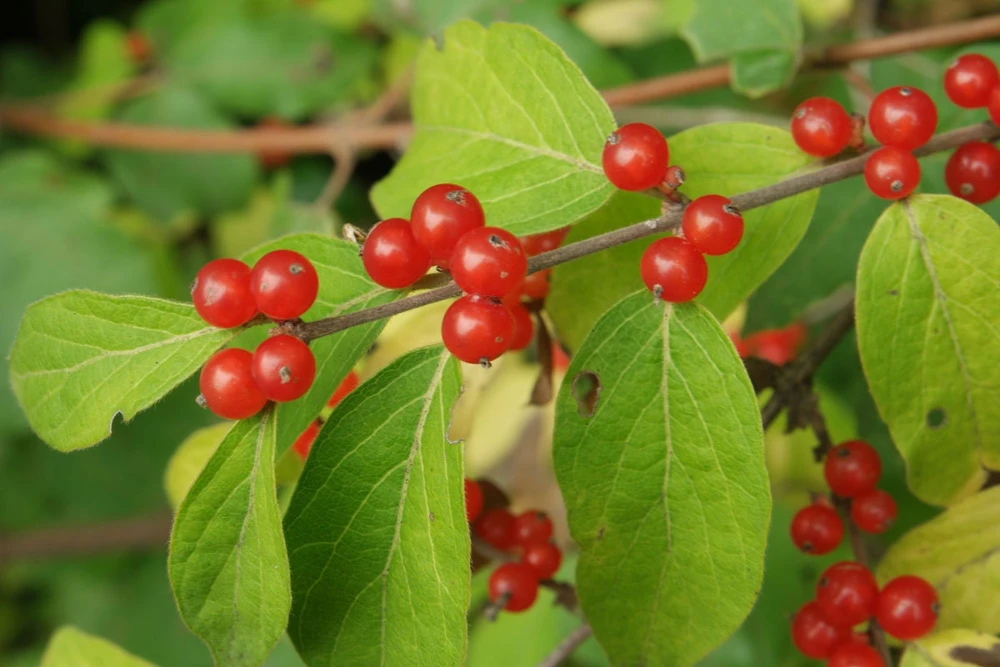
- Wildlife Support: Beyond pollinators, it attracts birds with its small red berries (though not for human consumption) and serves as a crucial larval host plant for the Spring Azure butterfly and the Snowberry clearwing moth.
- Hardy and Adaptable: Thrives in USDA Hardiness Zones 4 to 6, demonstrating excellent cold tolerance and adaptability to various soil conditions, making it a reliable choice for many climates.
- Fragrant Blooms: Enjoy the delicate and pleasant fragrance emitted by its white flowers, enhancing the sensory experience of your garden throughout the blooming season.
- Low Maintenance: Once established, the European Fly Honeysuckle requires minimal care, making it an ideal plant for busy gardeners or those seeking a beautiful yet undemanding landscape addition.
- Erosion Control: Its robust root system can help stabilize soil on slopes or in areas prone to erosion, offering an ecological solution to landscaping challenges.
Plant Care & Growing Tips
Successfully growing Lonicera xylosteum seeds into flourishing shrubs requires attention to a few key care guidelines. This hardy plant is relatively forgiving, but providing optimal conditions will ensure robust growth and abundant flowering. Start by sowing the Dwarf Honeysuckle seeds in well-draining soil, ideally in late fall or early spring after a period of cold stratification to mimic natural winter conditions. A good seed-starting mix or a blend of peat and perlite works well for germination.
Once seedlings emerge, transplant them carefully to their permanent outdoor location. The European Fly Honeysuckle prefers a site with full sun exposure, meaning at least six hours of direct sunlight per day. While it can tolerate some partial shade, full sun promotes the best flowering and densest growth. Water regularly during the first growing season to help establish a strong root system, ensuring the soil remains consistently moist but not waterlogged. Established plants are more drought-tolerant but will benefit from occasional watering during prolonged dry spells. This deer resistant shrub seeds option thrives in a variety of soil types, from sandy to clay, as long as drainage is adequate. Fertilization is generally not necessary in rich garden soil, but a balanced slow-release fertilizer can be applied in early spring if growth appears sluggish. Prune in late winter or early spring to maintain shape, remove dead or damaged branches, and encourage new growth. Watch out for common pests like aphids, though serious infestations are rare. This plant is known for its resilience and generally low susceptibility to disease, making it a reliable choice for a healthy garden.
Size & Details
Our offering includes 50 Lonicera xylosteum seeds, providing an excellent foundation for establishing multiple European Fly Honeysuckle shrubs in your garden. This species typically grows to a mature height of 5 to 8 feet, with a similar spread, forming a dense, rounded shrub. Its moderate size makes it suitable for various landscape applications, from hedges and screens to specimen plantings or mixed borders. The growth rate is moderate, allowing you to observe its development over a few seasons. From early spring to late summer, the plant showcases delicate, fragrant white flowers, which are followed by small, non-edible red berries in late summer to fall. These seeds are ideal for planting in USDA Hardiness Zones 4 to 6, indicating excellent cold hardiness. When planting, space seeds or young plants appropriately to allow for their mature size, typically 4-6 feet apart. The resulting shrubs will provide year-round interest, offering structure in winter and vibrant life during the growing season. These pollinator friendly seeds will transform your garden into a haven for beneficial insects.
Frequently Asked Questions
- Q: How many Lonicera xylosteum seeds are included in this pack? A: This pack contains 50 Lonicera xylosteum seeds, providing ample opportunity to grow multiple European Fly Honeysuckle shrubs for your garden.
- Q: What is the ideal sunlight exposure for European Fly Honeysuckle? A: European Fly Honeysuckle thrives best in full sun, meaning it should receive at least six hours of direct sunlight daily for optimal growth and flowering. It can tolerate partial shade but may have fewer blooms.
- Q: Is this plant deer resistant? A: Yes, Lonicera xylosteum is known for being a deer resistant shrub seeds option, making it an excellent choice for gardens in areas where deer are a concern.
- Q: What USDA Hardiness Zones are suitable for growing these seeds? A: These seeds are suitable for growing in USDA Hardiness Zones 4 to 6, indicating good cold tolerance.
- Q: How tall does the European Fly Honeysuckle typically grow? A: This shrub generally grows to a height of 5 to 8 feet with a similar spread, forming a dense, rounded shape at maturity.
- Q: When do the flowers bloom on the Lonicera xylosteum? A: The Dwarf Honeysuckle seeds will grow into plants that produce fragrant white flowers from early spring through late summer.
- Q: Are the berries of the European Fly Honeysuckle edible for humans? A: No, the small red berries produced by Lonicera xylosteum are not intended for human consumption, though they are a food source for birds.
- Q: Is this plant beneficial for pollinators? A: Absolutely! The fragrant flowers attract a wide range of pollinators, including bees, butterflies, and moths, making it a great choice for those seeking pollinator friendly seeds.
- Q: What kind of soil does Lonicera xylosteum prefer? A: It prefers well-draining soil and is adaptable to various soil types, from sandy to clay, as long as it’s not waterlogged.
- Q: When is the best time to plant Lonicera xylosteum seeds? A: It’s best to sow the seeds in late fall or early spring after a period of cold stratification to help with germination.
Be the first to review “Lonicera xylosteum Seeds – European Fly Honeysuckle – 50 Seeds – Deer Resistant Shrub”
Related products


Flower Seeds

Flower Seeds
Ohio Spiderwort Seeds – Tradescantia ohiensis Wildflower – 100 Seeds – Pollinator-Friendly Perennial


You May Like

How to Grow Passion Flower (Passiflora) for Tropical Blooms
Few climbing vines in the home garden command attention quite like the exotic Passion Flower (Passiflora). [...]
Nov

Thanksgiving Cactus Care: How to Get Thanksgiving Cactus to Bloom
Is your Thanksgiving cactus growing well but not giving you any flowers? Maybe it looked [...]
Nov

How to Grow Garlic for a Bountiful Home Harvest
Garlic (Allium sativum) is one of the most satisfying, low-maintenance, and flavor-packed crops you can [...]
Oct

Hardneck vs. Softneck Garlic: Which Should You Grow?
Have you ever stood in front of a seed catalog in mid-September, staring at dozens [...]
1 Comment
Oct

When to Plant Music Garlic: Ultimate US Fall Guide
Have you ever spent your fall weekend placing carefully chosen garlic cloves into rich, dark [...]
1 Comment
Oct

5 Best Bulbs for Fall Planting: Brighten Your Garden This Spring
Are you dreaming of a garden full of vibrant colors in the spring? The key [...]
Aug

10 Houseplants That Will Thrive in Your Kitchen
Are you tired of your kitchen feeling dull and lifeless? Want to add a little [...]
1 Comment
Aug
Reviews
There are no reviews yet.