
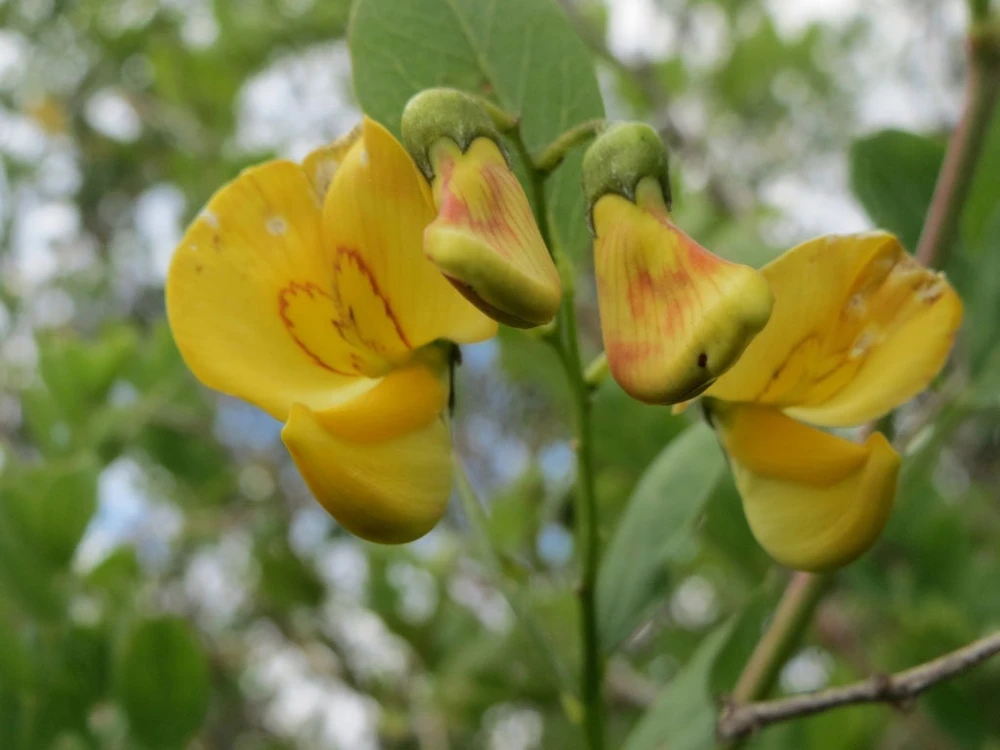
Colutea arborescens Seeds – Bladder Senna Plant Seeds – 20 Seeds – Outdoor Shrub
Original price was: 48.91 $.19.91 $Current price is: 19.91 $.
Cultivate the unique Colutea arborescens seeds and enjoy the vibrant yellow blooms of the Bladder Senna shrub. This hardy plant thrives in full sun, attracting beneficial pollinators like bees and butterflies to your garden. Perfect for creating a beautiful, low-maintenance landscape.
Estimated arrival
Nov 26
Dec 01 - Dec 03
Dec 03 - Dec 08
See our Shipping Policy.
Get in touch with us via email, and our team will review your concerns.
Our Alive & Thrive Guarantee covers issues with your plants within the first 30 days. Read our Refund & Returns Policy.
-
USDA Hardiness Zone
USDA Hardiness Zones 4 to 8 -
Soil Type
Well-draining soil -
Sunlight Exposure
Full sun -
Expected Planting Period
Late winter to early spring (indoors), late spring (outdoors)
Overview
Embark on a rewarding gardening journey with these high-quality Colutea arborescens seeds. Also widely known as Bladder Senna, this distinctive shrub is a fantastic addition to any landscape, offering both ornamental appeal and ecological benefits. Hailing from the Mediterranean region, Colutea arborescens is celebrated for its unusual, bladder-like seed pods that follow its cheerful yellow flowers. These seeds provide an excellent opportunity to grow a robust, drought-tolerant plant that will flourish in various climates, making it a versatile choice for gardeners across many USDA Hardiness Zones. Its ease of cultivation makes it a popular option for both novice and experienced gardeners looking to enhance their outdoor spaces with a unique and resilient species.
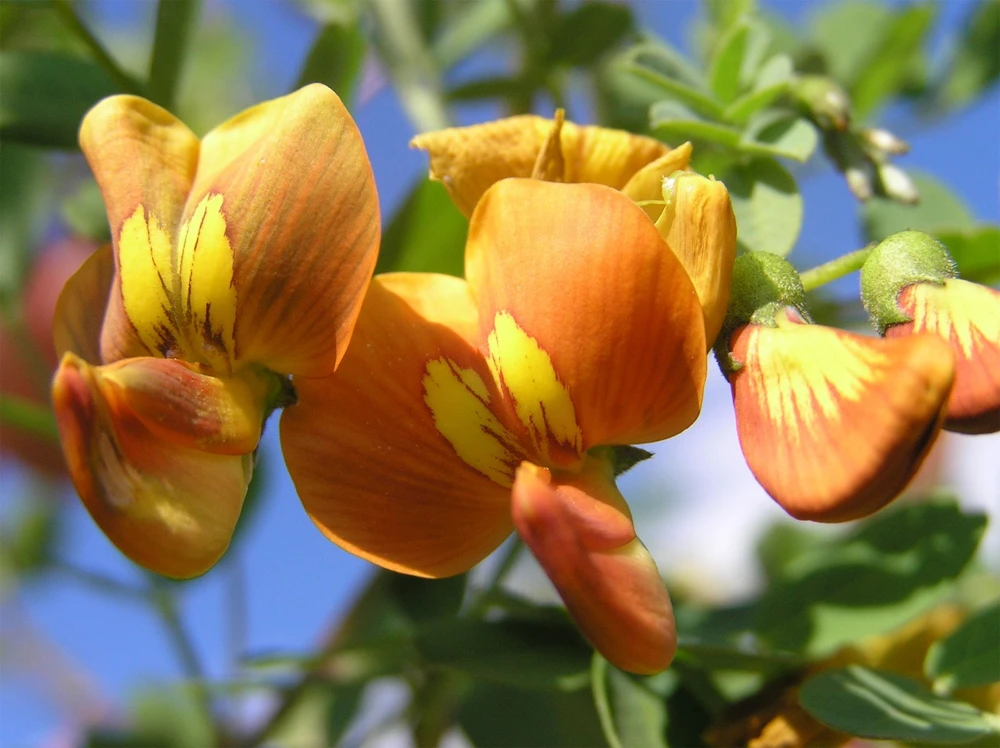
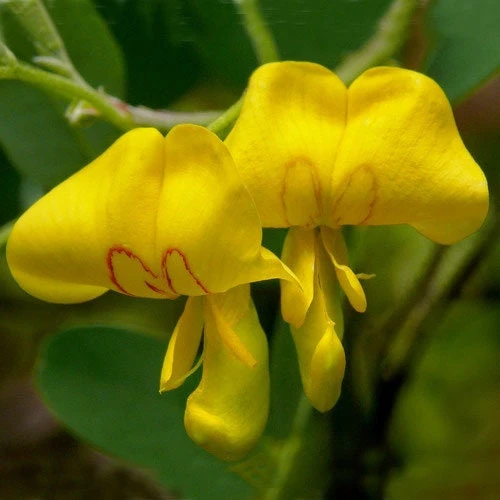
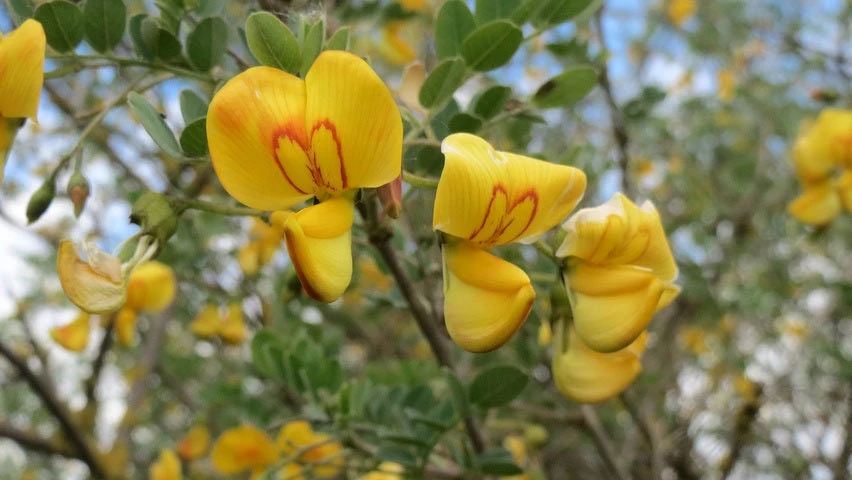
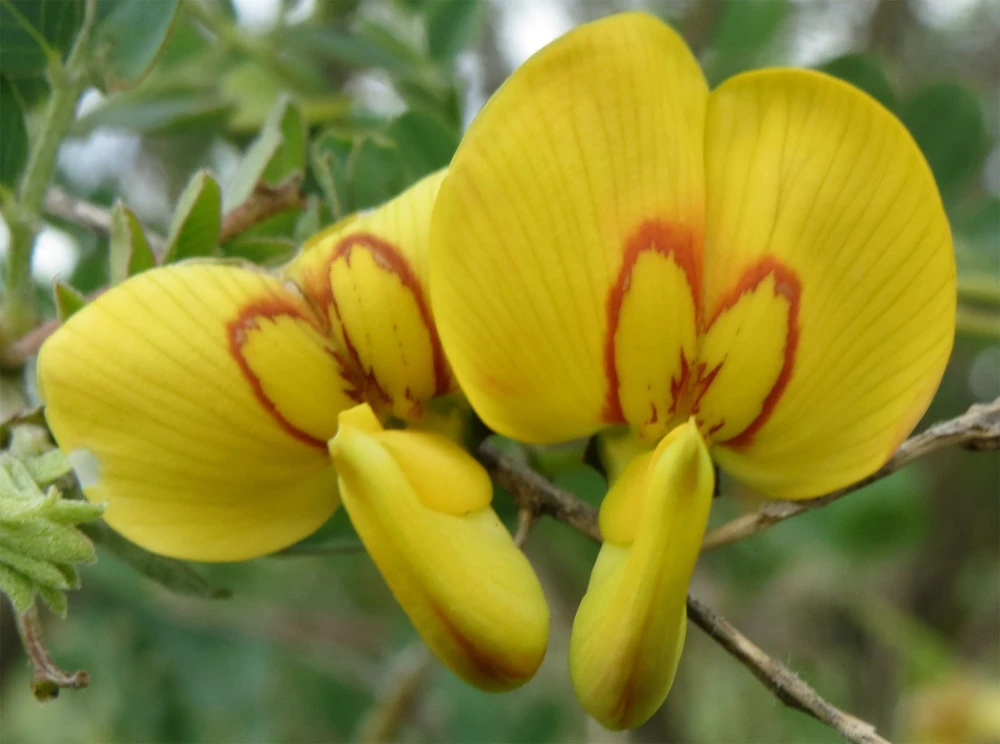
The Bladder Senna plant is a deciduous shrub that can grow quite large, providing significant visual impact. Its bright yellow, pea-like flowers appear in clusters, typically throughout the summer, creating a stunning contrast against its green foliage. Beyond its aesthetic qualities, Bladder Senna seeds are a gateway to establishing a plant that is highly beneficial for local ecosystems. It acts as a beacon for pollinators, consistently drawing in bees, butterflies, and other beneficial wildlife, contributing to the biodiversity of your garden. Growing from seeds allows you to experience the full lifecycle of this fascinating plant, from germination to its mature, flower-bearing state.
Key Benefits
Growing Colutea arborescens seeds offers a multitude of advantages for your garden and local environment:
-
Attracts Pollinators: The vibrant yellow flowers of the Bladder Senna are a magnet for bees, butterflies, and other beneficial insects, making it an excellent choice for supporting local pollinator populations and enhancing garden biodiversity. This natural attraction contributes to a healthier and more vibrant ecosystem right in your backyard.
-
Drought Tolerance: Once established, this shrub is remarkably resilient to dry conditions, requiring minimal watering. This makes it an ideal plant for xeriscaping or for gardeners seeking low-maintenance options that can withstand periods of drought without constant attention.
-
Unique Ornamental Value: Beyond its attractive yellow blooms, the most distinctive feature of the Colutea arborescens is its inflated, bladder-like seed pods. These unique pods add an interesting textural element to the plant, extending its ornamental appeal long after the flowers have faded and providing visual interest throughout the growing season.
-
Hardy and Adaptable: The Bladder Senna is known for its hardiness, thriving in a wide range of soil types and conditions, particularly in full sun. It’s adaptable to various climates, as indicated by its broad USDA Hardiness Zone range, making it a reliable choice for many gardeners.
-
Low Maintenance: This shrub generally requires little pruning or special care once it’s established, making it a great option for busy gardeners or those who prefer a more natural, hands-off approach to landscaping. Its natural vigor contributes to its overall ease of care.
-
Erosion Control: Due to its robust root system and ability to thrive in challenging conditions, Colutea arborescens can be effectively used in areas prone to soil erosion, helping to stabilize slopes and banks while adding greenery.
-
Wildlife Habitat: In addition to attracting pollinators, the dense growth of the Bladder Senna can provide shelter and nesting sites for small birds and other wildlife, further enhancing your garden’s role as a beneficial habitat.
Plant Care & Growing Tips
Growing Colutea arborescens seeds into a thriving shrub is a straightforward process, primarily due to its hardy nature. For optimal germination, it’s recommended to scarify the seeds before planting. This involves gently scratching the hard outer coat of each seed with sandpaper or a small file, which helps water penetrate and encourages germination. Following scarification, soak the seeds in warm water for 24 hours. Plant the treated seeds about 1/4 inch deep in a well-draining seed-starting mix. Maintain consistent moisture but avoid waterlogging, and provide warmth for germination, ideally around 65-75°F (18-24°C).
Once seedlings are established, transplant them to their permanent outdoor location. The Bladder Senna plant thrives best in a location that receives full sun, meaning at least six hours of direct sunlight per day. While it tolerates a variety of soil types, well-draining soil is crucial to prevent root rot. It can adapt to poor or sandy soils, making it an excellent choice for challenging garden spots. Watering should be regular during the establishment phase, but once mature, it becomes very drought-tolerant and will only require occasional watering during prolonged dry spells. This resilience is a key characteristic when considering how to grow Bladder Senna successfully.
Pruning is generally minimal, focused on removing dead or damaged branches and shaping the shrub as desired. This can be done in late winter or early spring before new growth begins. The plant is hardy in USDA Hardiness Zones 4 to 8, making it suitable for a wide range of climates across the United States. Fertilization is typically not necessary unless your soil is extremely poor; an annual application of a balanced, slow-release fertilizer in spring can encourage vigorous growth. Keep an eye out for common garden pests, though the Bladder Senna is generally quite resistant. Understanding drought-tolerant shrubs like this one is key to creating a sustainable and beautiful garden.
Size & Details
These Colutea arborescens seeds will grow into a robust deciduous shrub that typically reaches a height of about 6 feet, though under ideal conditions, it can sometimes grow taller. Its spread can be equally impressive, creating a full and bushy appearance in your landscape. The plant exhibits a moderate growth rate, establishing itself well within a few seasons. Each packet contains 20 seeds, providing a good quantity for starting multiple plants or allowing for successional planting. The seeds are ready for planting upon arrival and should be stored in a cool, dry place until ready to sow.
The yellow, pea-like flowers bloom from late spring through summer, followed by the distinctive, inflated, bladder-like seed pods that give the plant its common name. These pods remain on the plant into the fall, adding seasonal interest. The Bladder Senna plant is a long-lived shrub, providing many years of beauty and ecological benefit. It is an excellent choice for mixed borders, informal hedges, or as a specimen plant, particularly in areas where its drought tolerance can be maximized. Consider adding this unique plant to your list of butterfly garden seeds to create a haven for pollinators.
Frequently Asked Questions
-
Q: How big does this plant get? A: The Colutea arborescens typically grows to about 6 feet tall, but can reach slightly taller under optimal conditions. Its spread can be similar, creating a full, rounded shrub.
-
Q: Is this an indoor or outdoor plant? A: The Bladder Senna is an outdoor shrub. It thrives in full sun and is hardy in USDA Zones 4-8, making it suitable for a wide range of outdoor garden settings.
-
Q: How much sunlight does it need? A: This shrub requires full sun exposure, meaning at least 6 hours of direct sunlight per day, to produce the best flowering and overall growth. It tolerates some partial shade but prefers sunny locations.
-
Q: Is this plant easy to care for? A: Yes, once established, the Bladder Senna plant is considered very easy to care for due to its drought tolerance and minimal pruning requirements, making it a great choice for beginners.
-
Q: What condition will the seeds arrive in? A: The Colutea arborescens seeds will arrive as dried, viable seeds, ready for scarification and planting. They are carefully packaged to ensure their quality during transit.
-
Q: How long until it blooms from seed? A: While germination can occur relatively quickly after proper treatment, it typically takes 2-3 years for a Bladder Senna grown from seed to reach blooming maturity and produce its characteristic yellow flowers.
-
Q: When is the best time to plant these seeds? A: The best time to start Colutea arborescens seeds indoors is in late winter or early spring. Once seedlings are strong enough and the danger of frost has passed, they can be transplanted outdoors.
-
Q: Will it survive winter in my zone? A: If you are in USDA Hardiness Zones 4 through 8, the Bladder Senna should survive winter outdoors. In colder zones, it may require protection or be grown as an annual, while in warmer zones, it will thrive.
-
Q: What kind of soil does it prefer? A: The Colutea arborescens is adaptable to various soil types but prefers well-draining soil. It can even tolerate poor, sandy, or rocky soils, showcasing its resilience as a drought-tolerant shrub.
-
Q: Why are they called Bladder Senna? A: The common name ‘Bladder Senna’ refers to the plant’s distinctive, inflated, papery seed pods that resemble small bladders and follow the yellow flowers. These pods are a unique ornamental feature.
Be the first to review “Colutea arborescens Seeds – Bladder Senna Plant Seeds – 20 Seeds – Outdoor Shrub”
Related products


Flower Seeds
Echinacea Paradoxa Seeds – Yellow Coneflower Flower Seeds – 200 Seeds – Outdoor Perennial

Flower Seeds
Pink Joe Pye Weed Seeds – Eupatorium Maculatum – 50 Flower Seeds – Attracts Pollinators


You May Like

How to Grow Passion Flower (Passiflora) for Tropical Blooms
Few climbing vines in the home garden command attention quite like the exotic Passion Flower (Passiflora). [...]
Nov

Thanksgiving Cactus Care: How to Get Thanksgiving Cactus to Bloom
Is your Thanksgiving cactus growing well but not giving you any flowers? Maybe it looked [...]
Nov

How to Grow Garlic for a Bountiful Home Harvest
Garlic (Allium sativum) is one of the most satisfying, low-maintenance, and flavor-packed crops you can [...]
Oct

Hardneck vs. Softneck Garlic: Which Should You Grow?
Have you ever stood in front of a seed catalog in mid-September, staring at dozens [...]
1 Comment
Oct

When to Plant Music Garlic: Ultimate US Fall Guide
Have you ever spent your fall weekend placing carefully chosen garlic cloves into rich, dark [...]
1 Comment
Oct

5 Best Bulbs for Fall Planting: Brighten Your Garden This Spring
Are you dreaming of a garden full of vibrant colors in the spring? The key [...]
Aug

10 Houseplants That Will Thrive in Your Kitchen
Are you tired of your kitchen feeling dull and lifeless? Want to add a little [...]
1 Comment
Aug
Reviews
There are no reviews yet.