
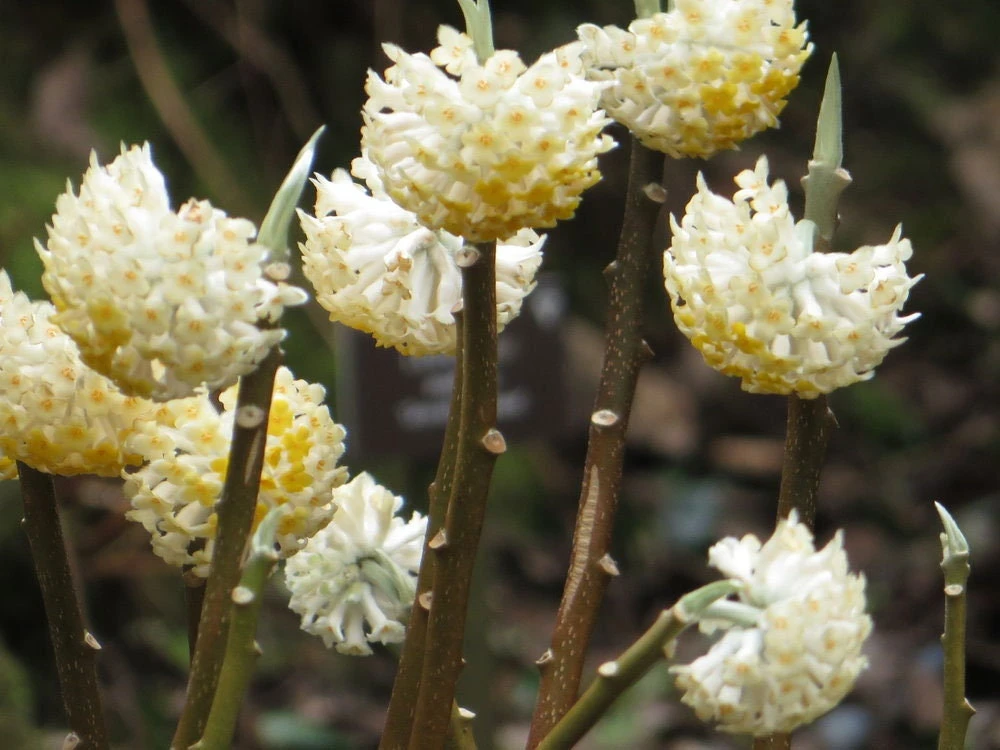
Edgeworthia Chrysantha Seeds – Oriental Paperbush Mitsumata – 100 Seeds
Original price was: 48.91 $.19.91 $Current price is: 19.91 $.
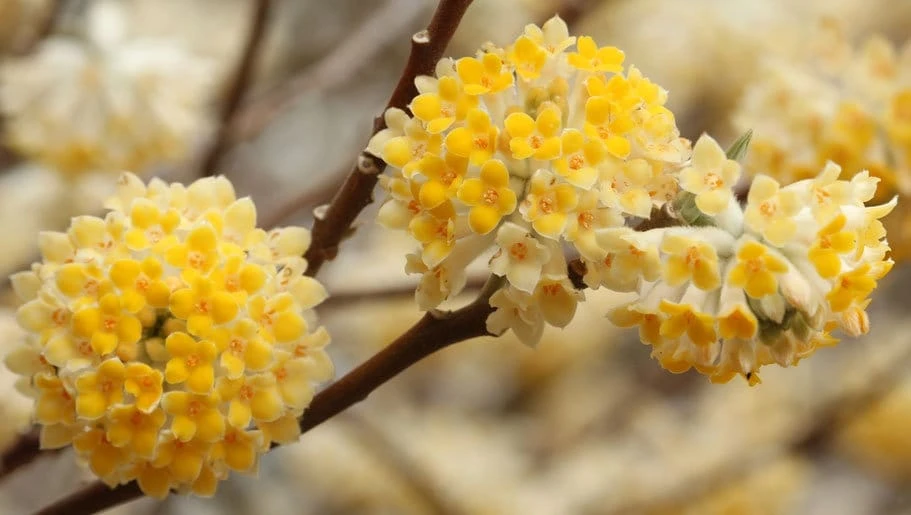
Cultivate the exquisite Edgeworthia chrysantha seeds, known as Oriental Paperbush seeds or Mitsumata. These 100 seeds will grow into a beautiful shrub offering fragrant white and yellow flowers in late winter, providing essential color and aroma when most other plants are dormant. Ideal for USDA Hardiness Zones 8-10.
Estimated arrival
Nov 26
Dec 01 - Dec 03
Dec 03 - Dec 08
See our Shipping Policy.
Get in touch with us via email, and our team will review your concerns.
Our Alive & Thrive Guarantee covers issues with your plants within the first 30 days. Read our Refund & Returns Policy.
-
USDA Hardiness Zone
8 to 10 -
Soil Type
Well-draining, rich in organic matter, slightly acidic to neutral -
Sunlight Exposure
Sun to light shade -
Expected Planting Period
Late winter to early spring (after stratification)
Overview
Embark on a rewarding gardening journey with Edgeworthia chrysantha seeds, allowing you to cultivate the enchanting Oriental Paperbush from scratch. Also known as Mitsumata, this unique deciduous shrub is celebrated for its distinctive winter interest and highly fragrant blooms. These Edgeworthia chrysantha seeds provide an opportunity to grow a plant that will transform your garden’s colder months into a period of beauty and delightful scent. The Edgeworthia chrysantha is not just a plant; it’s a botanical marvel that stands out in any landscape, offering a touch of elegance and an exotic flair. Growing your own Edgeworthia from seed is a fulfilling project for any gardening enthusiast.
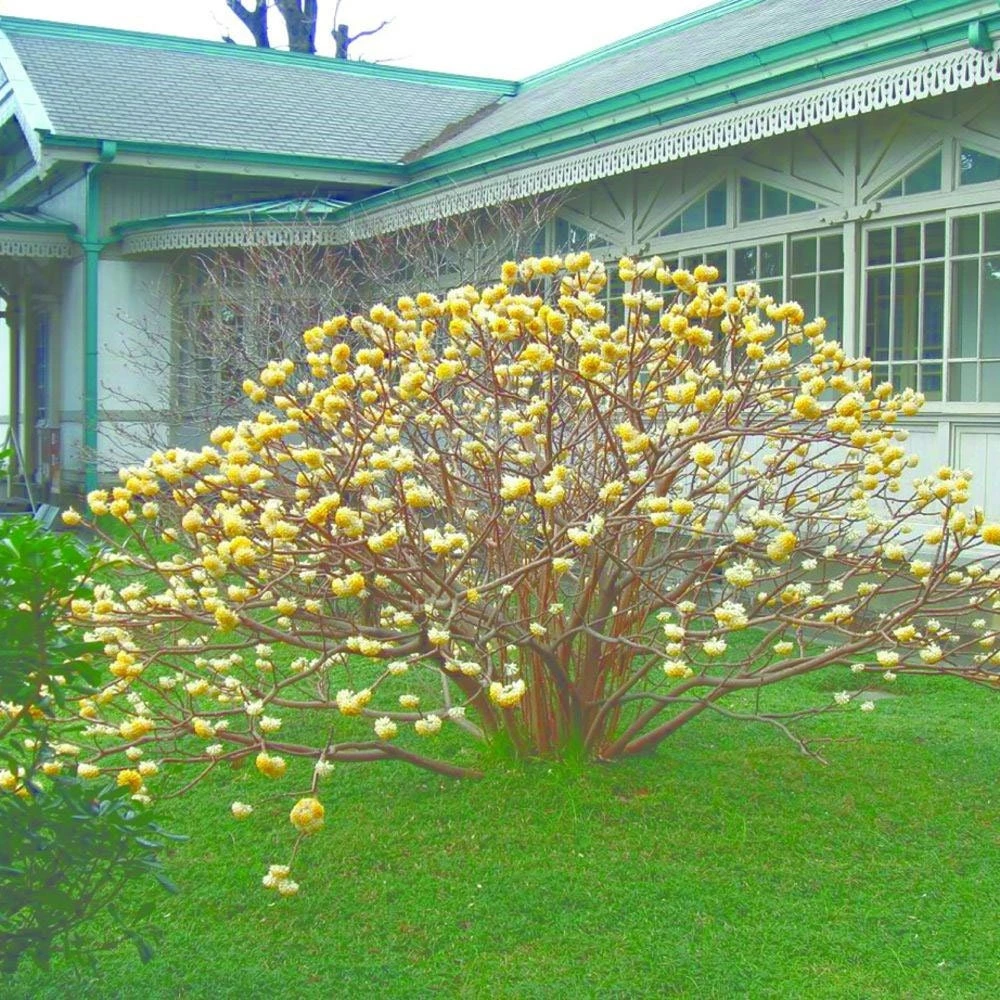
The Oriental Paperbush is native to the Himalayas and China, where its bark has been historically used to make high-quality paper, including the traditional Japanese paper, ‘washi.’ When established, this shrub can reach heights of up to 6 feet, forming an attractive, rounded shape. Its unique branching pattern and the way its flowers emerge directly on bare stems add to its charm. By planting Oriental Paperbush seeds, you are investing in a long-term landscape feature that will provide visual and olfactory pleasure for many years.
Key Benefits
Growing Edgeworthia chrysantha seeds offers numerous advantages, from enhancing your garden’s aesthetic to providing a unique horticultural experience. This shrub is a true standout, particularly during the dormant season.
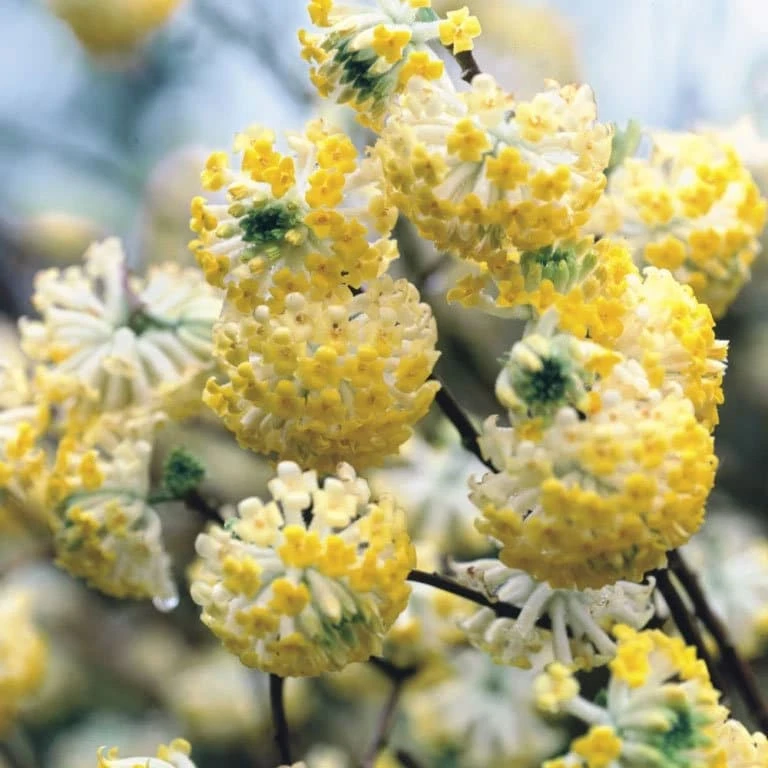
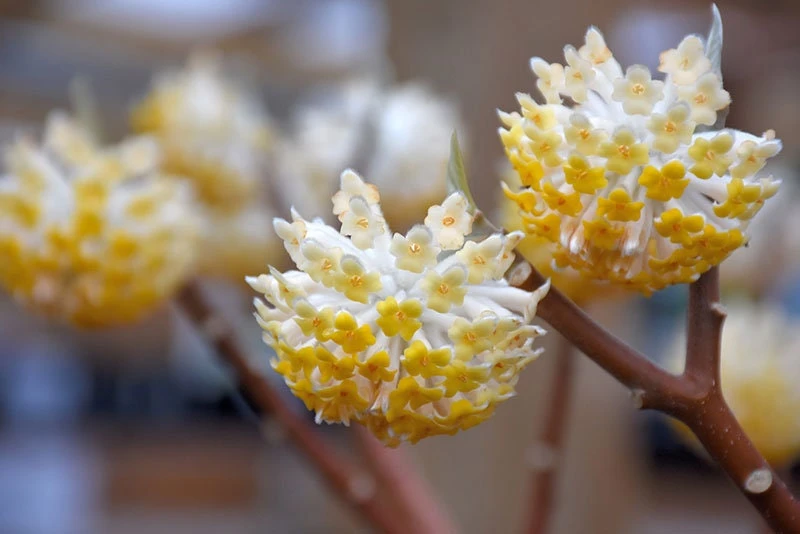
- Winter Fragrance and Color: The most striking benefit of the Edgeworthia chrysantha seeds is the promise of fragrant, yellow and white flowers that bloom from late winter through early summer. These blossoms provide a much-needed splash of color and a delightful aroma when most other plants are bare, making it an invaluable addition for seasonal interest.
- Unique Bark Texture: The bark of the Edgeworthia chrysantha is not only historically significant for paper making but also visually appealing. Its smooth, reddish-brown texture adds year-round interest, especially in winter when the leaves have fallen.
- Architectural Form: This shrub develops a graceful, rounded form with interesting branching, providing an elegant structure to the garden even without foliage. It serves as an excellent specimen plant or a focal point.
- Attracts Pollinators: Despite blooming in cooler months, the fragrant flowers can attract early emerging pollinators, contributing to the biodiversity of your garden.
- Low Maintenance: Once established, the Oriental Paperbush is relatively low maintenance, requiring minimal care beyond proper siting and occasional pruning. This makes growing Mitsumata seeds a rewarding endeavor for both experienced and novice gardeners.
- Deer Resistant: Generally, Edgeworthia chrysantha is considered deer resistant, which is a significant advantage in areas where deer browse can be problematic for other plants.
- Exotic Appeal: Its unique appearance and bloom time lend an exotic, sophisticated touch to any garden setting, making it a conversation starter.
Plant Care & Growing Tips
Successfully growing Edgeworthia chrysantha seeds requires attention to specific environmental conditions to ensure healthy germination and robust plant development. The Oriental Paperbush thrives in conditions that mimic its native habitat, which typically involves temperate climates with consistent moisture.
For optimal growth, plant your Edgeworthia chrysantha in a location that receives sun to light shade. In hotter climates, afternoon shade is crucial to protect the plant from scorching sun. The ideal soil for Oriental Paperbush seeds is well-draining, rich in organic matter, and slightly acidic to neutral. Amend heavy clay soils with compost and sand to improve drainage, as Edgeworthia does not tolerate wet feet. Once established, regular watering is important, especially during dry spells, but avoid overwatering. Maintain consistent moisture, particularly during the plant’s active growing season. The USDA Hardiness Zones for Edgeworthia chrysantha are 8 to 10, indicating its preference for milder winters.
Fertilize your Edgeworthia in early spring with a balanced, slow-release fertilizer formulated for acid-loving plants. Pruning is generally not heavily required; simply remove any dead or damaged branches after flowering to maintain its natural shape. While generally resistant to most pests and diseases, monitor for common garden issues. Growing Mitsumata seeds into a mature shrub is a patient process, but the spectacular winter display and fragrance are well worth the effort. Proper care will ensure your grow Edgeworthia plant flourishes for years.
Size & Details
These Edgeworthia chrysantha seeds are supplied in a pack of 100, providing ample opportunity to propagate this beautiful shrub. Once germinated and established, the Oriental Paperbush typically grows to a height of 4 to 6 feet, with a similar spread, forming a dense, rounded shrub. Its growth rate is moderate, and it will take a few years from seed to reach its full flowering potential. The distinctive white and yellow tubular flowers, which appear on bare stems, are a highlight from late winter until early summer, adding significant aesthetic value to the garden.
The mature plant’s bark is known for its strength and flexibility, historically used in traditional paper-making. This plant is a long-lived specimen, offering decades of beauty and fragrance when cared for correctly within its preferred USDA Hardiness Zones 8 to 10. The seeds are ready for planting upon arrival, and with proper stratification and care, you can expect successful germination. For those looking to grow Edgeworthia, these 100 seeds offer a great starting point.
Frequently Asked Questions
- Q: How big does Edgeworthia chrysantha get? A: Once mature, the Edgeworthia chrysantha typically grows to a height of 4 to 6 feet with a similar spread. Its size makes it suitable as a specimen plant or as part of a mixed border.
- Q: Is this an indoor or outdoor plant? A: The Edgeworthia chrysantha seeds are intended for growing an outdoor shrub. It thrives in garden settings within USDA Hardiness Zones 8 to 10 and is not suitable as a permanent indoor houseplant.
- Q: How much sunlight does Edgeworthia chrysantha need? A: Edgeworthia chrysantha prefers a location that receives sun to light shade. In regions with hot summers, providing afternoon shade is beneficial to prevent leaf scorch and ensure the plant’s health.
- Q: Is this plant easy to care for? A: While growing from Oriental Paperbush seeds requires some initial care for germination and establishment, mature Edgeworthia chrysantha plants are relatively low maintenance. They need well-draining soil, consistent moisture, and occasional fertilization.
- Q: What condition will the seeds arrive in? A: The Edgeworthia chrysantha seeds will arrive in a protective packet, ready for you to begin the germination process. Proper storage and stratification are recommended before planting.
- Q: How long until Edgeworthia chrysantha blooms from seed? A: Edgeworthia chrysantha typically takes a few years to mature and begin flowering when grown from seed. Patience is key, as the first blooms are a rewarding sight.
- Q: When is the best time to plant Edgeworthia chrysantha seeds? A: After proper cold stratification, the best time to sow Mitsumata seeds is in late winter or early spring. This allows the seedlings to establish before the heat of summer.
- Q: Will Edgeworthia chrysantha survive winter in my zone? A: This plant is hardy in USDA Zones 8 to 10. If you are outside these zones, you may need to provide winter protection or consider growing it in a container that can be moved indoors.
- Q: What type of soil is best for Edgeworthia? A: Edgeworthia chrysantha thrives in well-draining, organically rich, and slightly acidic to neutral soil. Amending heavy soils with compost will greatly benefit the plant.
- Q: What is the main benefit of growing Edgeworthia chrysantha? A: The primary benefit of growing Edgeworthia chrysantha seeds is the stunning display of fragrant, yellow and white flowers that bloom in late winter to early spring, providing essential garden interest during colder months.
Be the first to review “Edgeworthia Chrysantha Seeds – Oriental Paperbush Mitsumata – 100 Seeds”
Related products


Shrub Seeds
Nannyberry Sweet Viburnum Lentago Seeds – 20 Pack, White Flowers, Edible Blue-Black Berries

Shrub Seeds
Red Flowering Currant Seeds – Ribes Sanguineum Shrub Seeds – 25 Seeds – Attracts Hummingbirds


You May Like

How to Grow Passion Flower (Passiflora) for Tropical Blooms
Few climbing vines in the home garden command attention quite like the exotic Passion Flower (Passiflora). [...]
Nov

Thanksgiving Cactus Care: How to Get Thanksgiving Cactus to Bloom
Is your Thanksgiving cactus growing well but not giving you any flowers? Maybe it looked [...]
Nov

How to Grow Garlic for a Bountiful Home Harvest
Garlic (Allium sativum) is one of the most satisfying, low-maintenance, and flavor-packed crops you can [...]
Oct

Hardneck vs. Softneck Garlic: Which Should You Grow?
Have you ever stood in front of a seed catalog in mid-September, staring at dozens [...]
1 Comment
Oct

When to Plant Music Garlic: Ultimate US Fall Guide
Have you ever spent your fall weekend placing carefully chosen garlic cloves into rich, dark [...]
1 Comment
Oct

5 Best Bulbs for Fall Planting: Brighten Your Garden This Spring
Are you dreaming of a garden full of vibrant colors in the spring? The key [...]
Aug

10 Houseplants That Will Thrive in Your Kitchen
Are you tired of your kitchen feeling dull and lifeless? Want to add a little [...]
1 Comment
Aug
Reviews
There are no reviews yet.