
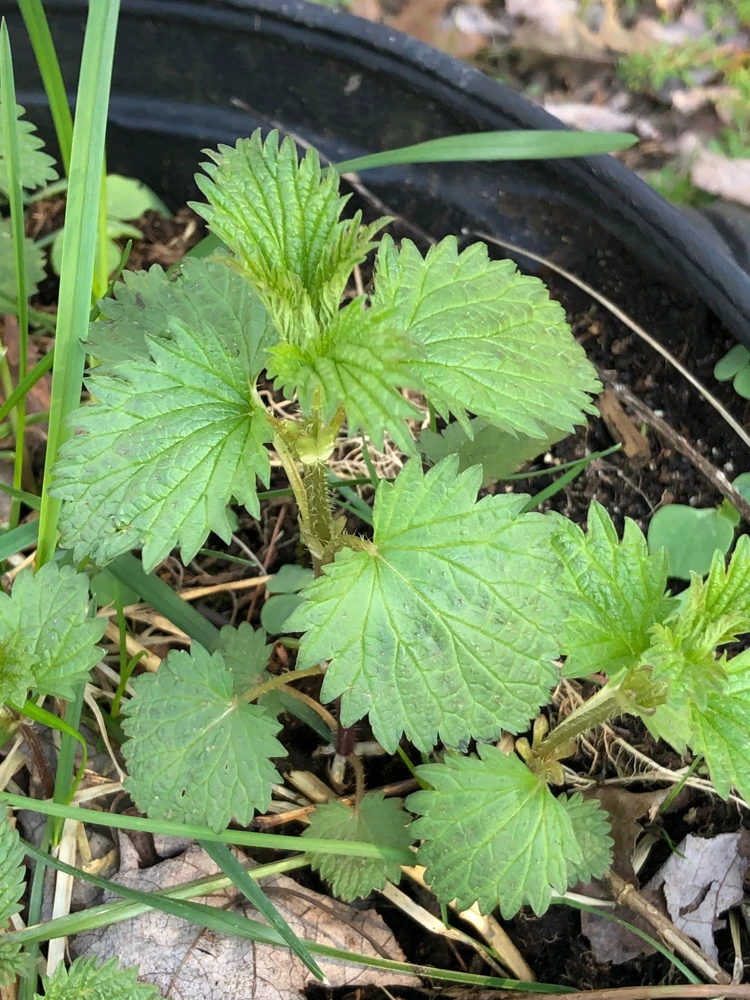
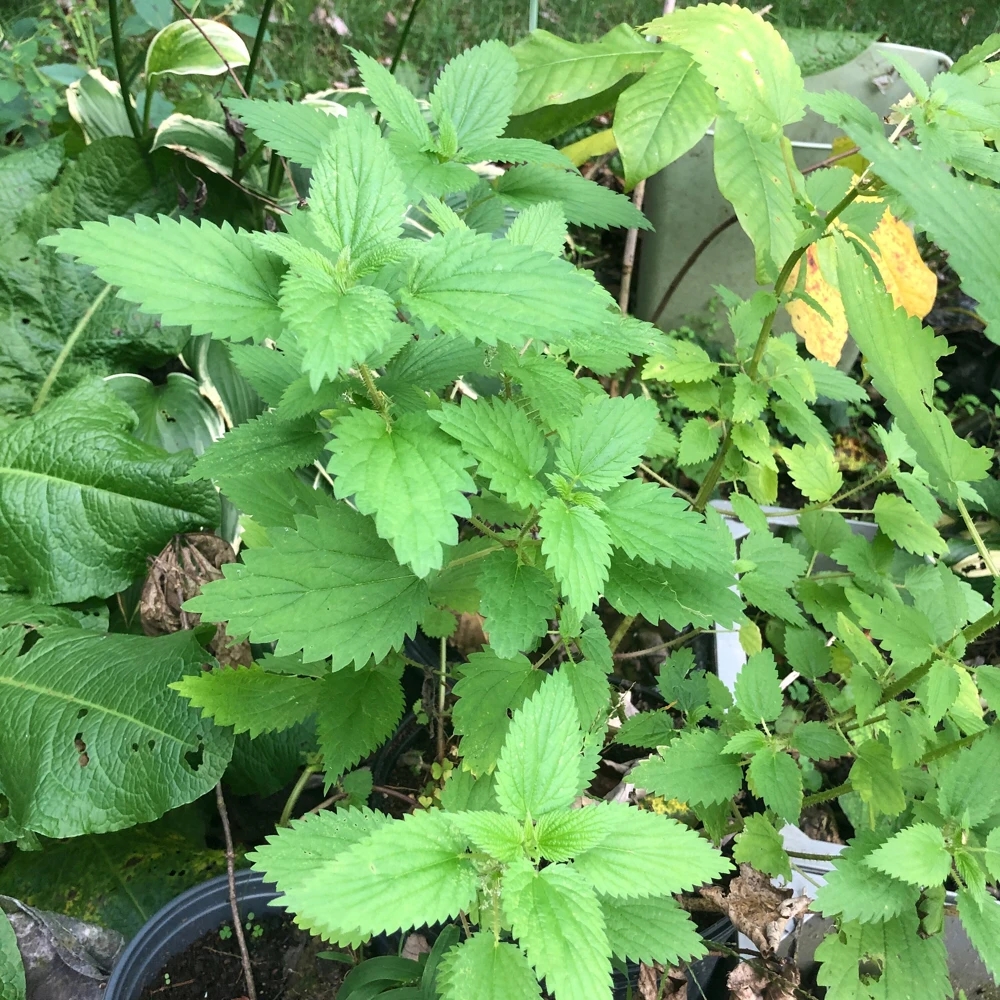
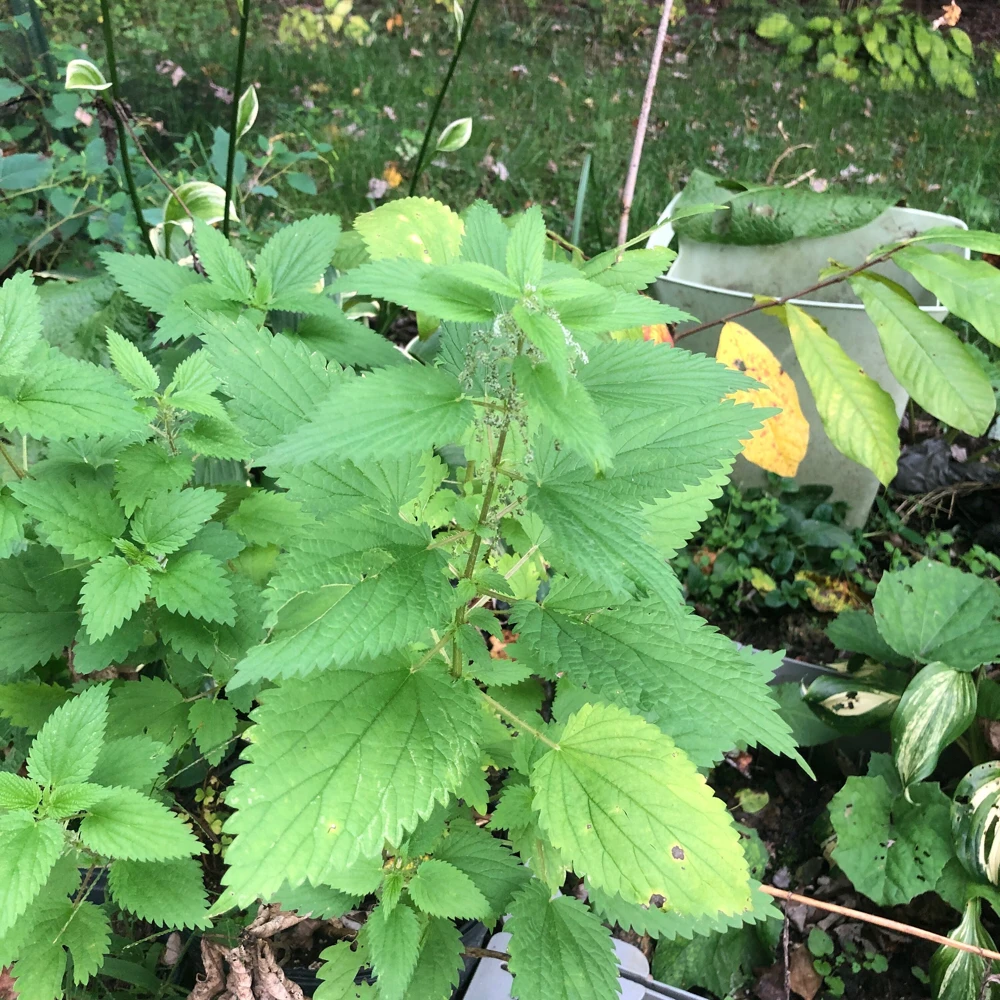
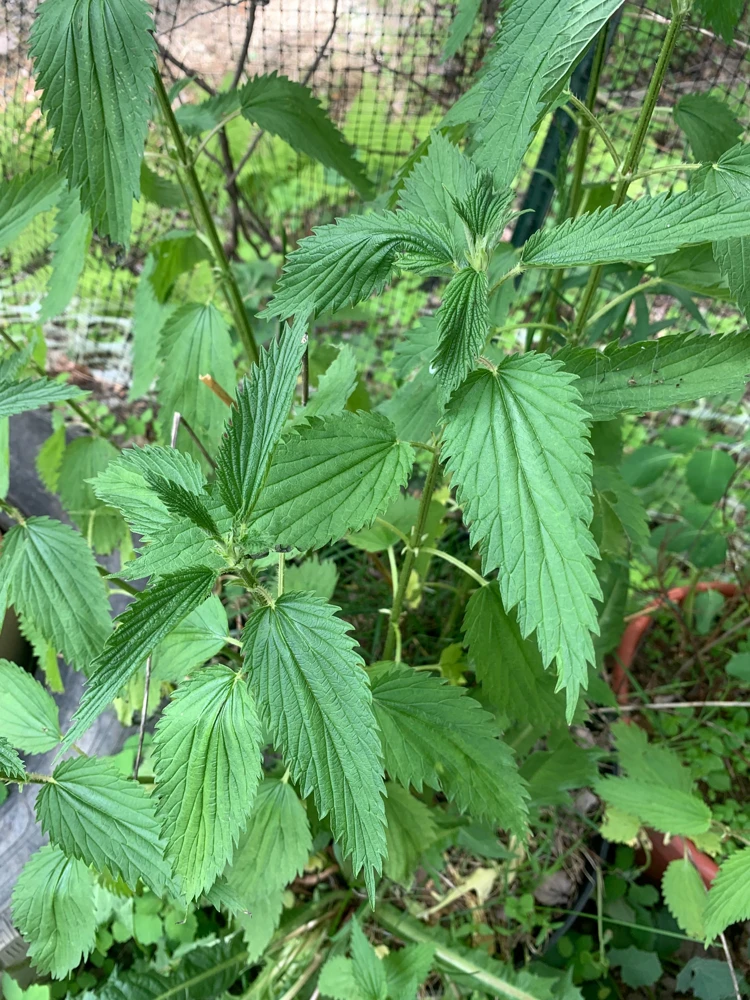
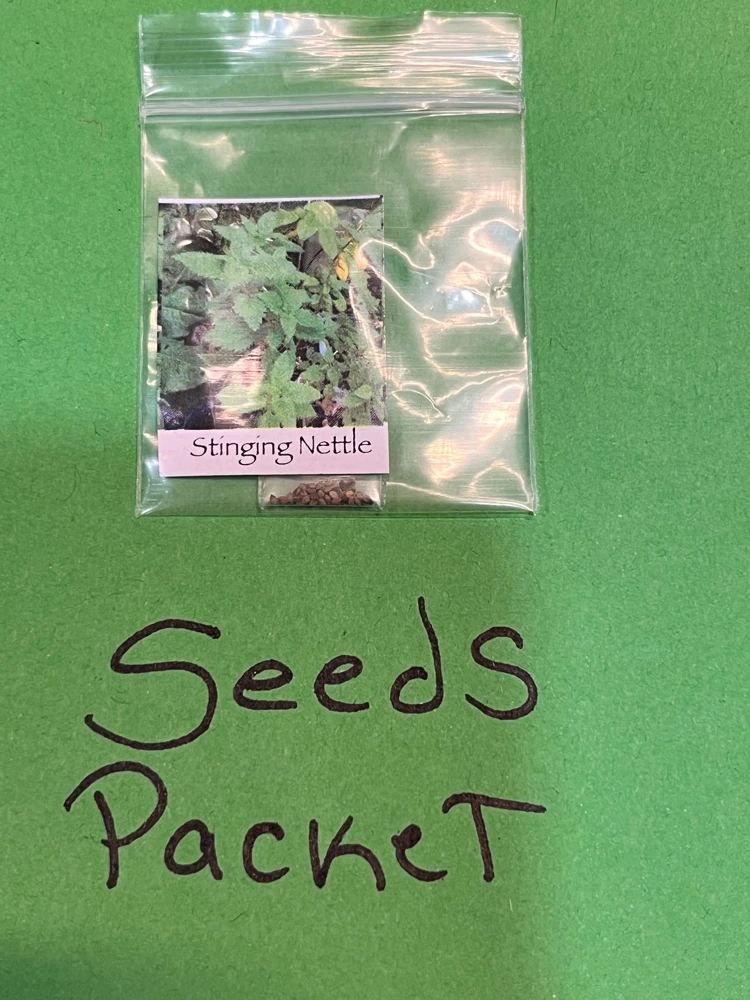
5 Stinging Nettle Seeds – Heirloom, Non-GMO Urtica dioica for Garden
Original price was: 34.53 $.14.53 $Current price is: 14.53 $.
Start cultivating your own beneficial plants with these 5 stinging nettle seeds. Known for their highly nutritious leaves when cooked, these heirloom, non-GMO seeds are perfect for gardeners looking to add a unique and useful herb to their collection.
Estimated arrival
Nov 27
Dec 02 - Dec 04
Dec 04 - Dec 09
See our Shipping Policy.
Get in touch with us via email, and our team will review your concerns.
Our Alive & Thrive Guarantee covers issues with your plants within the first 30 days. Read our Refund & Returns Policy.
-
USDA Hardiness Zone
USDA zones 3-10 -
Soil Type
Rich, moist, well-draining soil -
Sunlight Exposure
Partial sun to full sun -
Expected Planting Period
Spring to early summer
Overview
Embark on a rewarding gardening journey with this pack of 5 stinging nettle seeds. Stinging nettle, scientifically known as Urtica dioica, is a fascinating and incredibly versatile plant, renowned for its nutritional value and traditional uses. While its name suggests a formidable touch, the leaves, once cooked or dried, transform into a powerhouse of vitamins and minerals. These heirloom seeds offer a connection to generations of gardeners and ensure you’re growing a robust, natural variety free from genetic modification. Perfect for those interested in foraging, herbal remedies, or simply adding a unique and beneficial plant to their garden, these stinging nettle seeds are a fantastic choice.
Growing your own Urtica dioica seeds allows you to experience the full lifecycle of this remarkable herb. From germination to harvest, you’ll witness its distinctive growth and be able to utilize its leaves for various purposes. Whether you’re a seasoned gardener or just starting out, cultivating stinging nettle from seed is a fulfilling project that brings both beauty and utility to your outdoor space.
Key Benefits
Cultivating stinging nettle seeds in your garden offers a multitude of benefits, from culinary delights to ecological advantages. This plant is a true multi-tasker that enriches both your diet and your garden environment:
- Highly Nutritious Leaves: When cooked, the leaves of stinging nettle are incredibly rich in vitamins A, C, and K, as well as several B vitamins. They also provide essential minerals like calcium, iron, magnesium, phosphorus, potassium, and sodium, making them a superfood for your diet.
- Culinary Versatility: Fresh stinging nettle leaves can be used in a variety of dishes, including soups, stews, teas, and even pesto. Cooking or drying neutralizes the ‘sting,’ allowing you to enjoy their earthy, spinach-like flavor safely.
- Heirloom & Non-GMO: These heirloom nettle seeds ensure you are growing a traditional variety that has been passed down through generations, free from modern genetic modification, promoting biodiversity and natural gardening practices.
- Supports Local Ecosystem: Stinging nettle plants can attract beneficial insects and provide habitat, contributing positively to the biodiversity of your garden and supporting a healthy ecosystem.
- Low Maintenance: Once established, stinging nettle is a relatively hardy and low-maintenance plant, thriving with minimal intervention and making it suitable for gardeners of varying skill levels.
- Medicinal & Herbal Uses: Traditionally, Urtica dioica seeds and plants have been used in herbal medicine for a range of purposes, including supporting joint health and acting as a natural diuretic. Always consult a healthcare professional before using for medicinal purposes.
Plant Care & Growing Tips
Successfully growing stinging nettle seeds is a rewarding experience that requires attention to a few key environmental factors. Stinging nettle is known for its adaptability, but providing optimal conditions will lead to a healthier, more productive plant. This plant prefers locations with at least partial sun, meaning 4-6 hours of direct sunlight per day, but it can also tolerate full sun in cooler climates. In hotter regions, some afternoon shade can prevent leaf scorch and keep the plant vibrant. For best results, sow your grow stinging nettle seeds directly into the garden after the last frost, or start them indoors 6-8 weeks before the last frost date.
When it comes to soil, stinging nettle thrives in rich, moist, well-draining soil. It’s not overly picky but performs best in soil amended with compost or other organic matter. The ideal pH range is slightly acidic to neutral, between 5.5 and 7.5. Consistent moisture is crucial, especially during dry spells; however, avoid waterlogging, which can lead to root rot. Water deeply when the top inch of soil feels dry to the touch. Stinging nettle is quite hardy, typically thriving in USDA zones 3-10, and can withstand a wide range of temperatures. Fertilization is generally not heavily required if the soil is rich, but a balanced organic fertilizer can be applied once in mid-season if growth seems slow. Watch out for common garden pests, though nettle is quite resilient, and consider companion planting to deter issues. You’ll be harvesting nutritious nettle leaves in no time.
Size & Details
This product includes 5 stinging nettle seeds, providing a solid foundation for starting your own patch of this beneficial herb. Each seed is carefully selected to ensure viability and growth. Stinging nettle typically grows to a height of 2 to 7 feet, with a spread of 1 to 3 feet, depending on growing conditions and climate. It is a vigorous grower, often forming dense clumps once established. The plant is usually ready for its first harvest of young, tender leaves in late spring to early summer, approximately 60-90 days after planting the Urtica dioica seeds.
The plants are shipped as dry seeds, ready for planting. They are biennial or perennial, meaning they will either complete their life cycle in two years or return year after year, providing a continuous supply of heirloom nettle seeds and fresh leaves. Expect a moderate growth rate, with plants quickly filling out their allocated space in the garden. For optimal results, consider spacing plants about 12-18 inches apart to allow for proper air circulation and growth.
Frequently Asked Questions
- Q: How big does this stinging nettle plant get? A: Stinging nettle plants typically grow to heights ranging from 2 to 7 feet tall, depending on growing conditions and climate. They can also spread 1 to 3 feet wide, forming dense clumps over time.
- Q: Is this an indoor or outdoor plant? A: While stinging nettle seeds can be started indoors, the plants are best suited for outdoor cultivation in garden beds or large containers due to their mature size and vigorous growth habit. They thrive in open garden settings.
- Q: How much sunlight does stinging nettle need? A: Stinging nettle prefers partial sun (4-6 hours of direct sunlight) but can also tolerate full sun, especially in cooler climates. In hotter regions, providing some afternoon shade is beneficial to prevent stress and keep the leaves tender.
- Q: Is this plant easy to care for? A: Yes, stinging nettle is considered relatively easy to care for, making it suitable for gardeners of varying skill levels. Once established, it is quite hardy and requires minimal maintenance, especially if planted in suitable soil with adequate moisture.
- Q: What condition will the seeds arrive in? A: The product includes 5 stinging nettle seeds, which will arrive as dry, viable seeds, ready for you to plant according to the provided instructions. They are packaged to ensure their quality during transit.
- Q: Can I use stinging nettle in cooking? A: Absolutely! The leaves of stinging nettle are highly nutritious and can be cooked like spinach. Boiling, steaming, or drying the leaves neutralizes the stinging hairs, making them safe and delicious for soups, stews, teas, and other culinary uses.
- Q: How long until I can harvest leaves after planting the seeds? A: You can typically begin harvesting young, tender nutritious nettle leaves approximately 60 to 90 days after planting your stinging nettle seeds. Regular harvesting encourages further growth.
- Q: What is the best time to plant these heirloom nettle seeds? A: The best time to plant these seeds is directly outdoors after the last spring frost. For an earlier start, you can begin them indoors 6-8 weeks before the last expected frost date.
- Q: What kind of soil does stinging nettle prefer? A: Stinging nettle thrives in rich, moist, and well-draining soil. Amending your garden soil with compost or other organic matter will provide the best growing environment for these plants.
- Q: Are these Urtica dioica seeds organic? A: While not explicitly stated as certified organic, these are heirloom and non-GMO seeds, grown without harmful chemical pesticides, aligning with natural and responsible gardening practices.
Be the first to review “5 Stinging Nettle Seeds – Heirloom, Non-GMO Urtica dioica for Garden”
Related products

Herb Seeds
500 English Lavender Vera Seeds – Lavandula Angustifolia – Fragrant Purple Flower Herb – Outdoor


Herb Seeds
Great Saint John’s Wort Seeds – Hypericum Pyramidatum – 1500 Count – Yellow Flower Herb – Zones 2-10


You May Like

How to Grow Passion Flower (Passiflora) for Tropical Blooms
Few climbing vines in the home garden command attention quite like the exotic Passion Flower (Passiflora). [...]
Nov

Thanksgiving Cactus Care: How to Get Thanksgiving Cactus to Bloom
Is your Thanksgiving cactus growing well but not giving you any flowers? Maybe it looked [...]
Nov

How to Grow Garlic for a Bountiful Home Harvest
Garlic (Allium sativum) is one of the most satisfying, low-maintenance, and flavor-packed crops you can [...]
Oct

Hardneck vs. Softneck Garlic: Which Should You Grow?
Have you ever stood in front of a seed catalog in mid-September, staring at dozens [...]
1 Comment
Oct

When to Plant Music Garlic: Ultimate US Fall Guide
Have you ever spent your fall weekend placing carefully chosen garlic cloves into rich, dark [...]
1 Comment
Oct

5 Best Bulbs for Fall Planting: Brighten Your Garden This Spring
Are you dreaming of a garden full of vibrant colors in the spring? The key [...]
Aug

10 Houseplants That Will Thrive in Your Kitchen
Are you tired of your kitchen feeling dull and lifeless? Want to add a little [...]
1 Comment
Aug
Reviews
There are no reviews yet.