


15 Culinary Purslane Seeds – Portulaca Oleracea – Nutritious Wild Herb for Garden
Original price was: 34.53 $.14.53 $Current price is: 14.53 $.
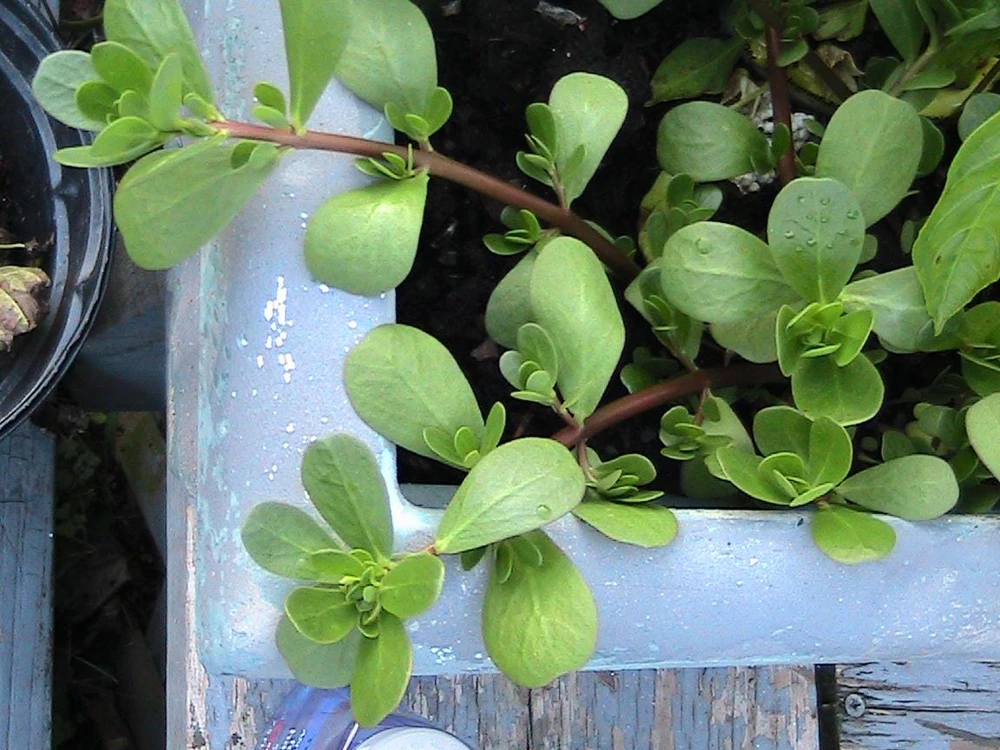
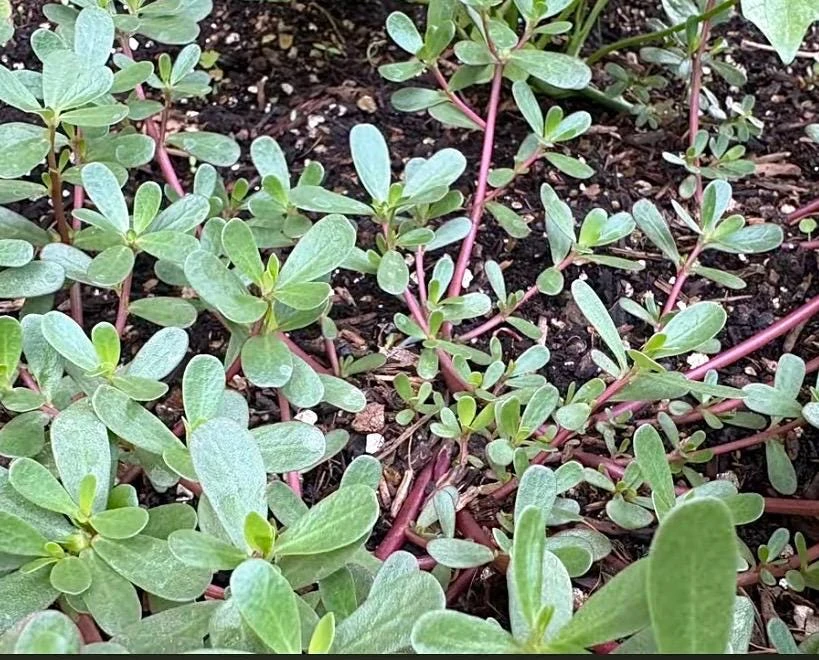
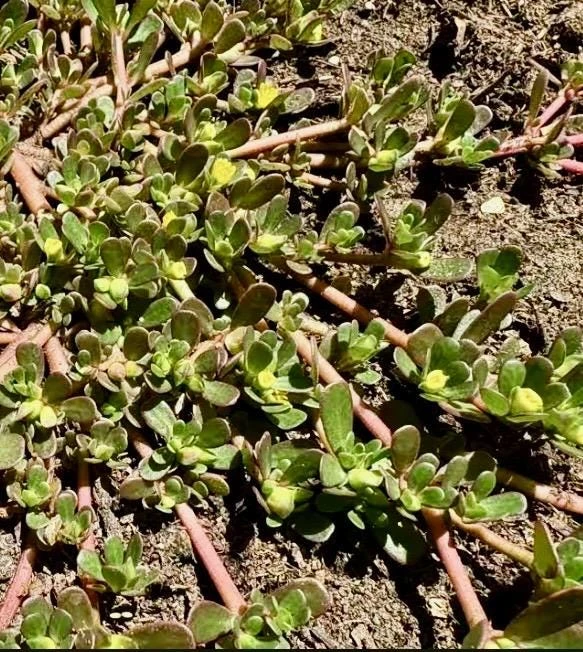
Cultivate your own healthy garden with 15 Culinary Purslane Seeds (Portulaca Oleracea). This nutritious wild herb is easy to grow, perfect for salads, soups, and microgreens, offering a rich source of Omega 3 fatty acids. Enjoy fresh, chemical-free greens from your backyard.
Estimated arrival
Nov 27
Dec 02 - Dec 04
Dec 04 - Dec 09
See our Shipping Policy.
Get in touch with us via email, and our team will review your concerns.
Our Alive & Thrive Guarantee covers issues with your plants within the first 30 days. Read our Refund & Returns Policy.
-
USDA Hardiness Zone
USDA zones 5-11 (as an annual) -
Soil Type
Well-draining soil, sandy loam preferred -
Sunlight Exposure
Full sun -
Expected Planting Period
Late spring to early summer (after last frost)
Overview
Discover the joy of growing your own superfood with these 15 Culinary Purslane Seeds. Purslane, scientifically known as Portulaca Oleracea, is a remarkably resilient and highly nutritious wild herb that has graced culinary traditions across Europe and Asia for centuries. Now gaining popularity in the United States, this easy-to-grow plant offers an abundance of health benefits and culinary versatility. These tiny yet mighty Portulaca Oleracea seeds promise a rewarding gardening experience, yielding a delicious and healthy addition to your diet. Perfect for home gardeners looking to cultivate a unique and beneficial green, purslane thrives with minimal effort and can be harvested repeatedly throughout the growing season. Whether you’re an experienced gardener or just starting, growing culinary purslane seeds is a simple and fulfilling endeavor.
This particular offering provides 15 high-quality seeds, ensuring a good start to your purslane patch. The plant is known for its succulent leaves and stems, which possess a slightly tart and peppery flavor, making it a fantastic ingredient in a variety of dishes. It’s an excellent choice for those interested in sustainable living and growing their own food, as it’s a renewable and prolific producer. Embrace the opportunity to add this exceptional nutritious wild herb to your garden and kitchen.
Key Benefits
Adding purslane to your garden and diet offers a multitude of advantages, making these culinary purslane seeds an excellent investment for health-conscious gardeners.
- Rich in Nutrients: Purslane is celebrated for being one of the richest plant sources of Omega-3 fatty acids, essential for heart health and brain function. It also contains significant amounts of vitamins A, C, and E, as well as several beneficial minerals.
- Easy to Grow: These Portulaca Oleracea seeds are incredibly forgiving and germinate easily, making them suitable for gardeners of all skill levels. They can be grown in gardens, raised beds, or containers.
- Versatile Culinary Use: The fresh, crisp leaves and stems can be enjoyed raw in salads, blended into smoothies, or cooked like spinach in stir-fries, soups, and stews. It adds a unique flavor and texture to many dishes.
- Continuous Harvest: Purslane is a cut-and-come-again plant, meaning you can harvest its leaves and stems multiple times throughout the growing season, providing a continuous supply of fresh greens.
- Drought Tolerant: Once established, purslane is quite resilient and can tolerate dry conditions, making it a low-maintenance option for busy gardeners.
- Non-GMO & Pesticide-Free: These seeds are sourced from plants grown without harmful chemical pesticides and are non-GMO, ensuring a natural and healthy harvest.
- Quick Growth Cycle: You can expect to see sprouts quickly, and the plant matures relatively fast, allowing for early and frequent harvests. This makes it ideal for those who want to grow purslane for microgreens.
Plant Care & Growing Tips
Cultivating culinary purslane seeds is straightforward, making it an ideal choice for both novice and experienced gardeners. Purslane thrives in warm weather and prefers a location with full sun exposure, meaning at least 6-8 hours of direct sunlight per day. While it can tolerate some partial shade, ample sunlight promotes more vigorous growth and a richer flavor. For optimal germination, sow the tiny seeds directly outdoors after the last frost, once soil temperatures have warmed up, typically in late spring to early summer. You can also start them indoors 4-6 weeks before the last frost for an earlier harvest, treating them similarly to how you would grow sprouts and microgreens.
When it comes to soil, purslane is not overly particular but prefers well-draining soil. A sandy loam or even slightly poor soil can work, but enriching it with some compost will encourage healthier, more abundant growth. Avoid heavy, waterlogged soils. Water regularly after planting the Portulaca Oleracea seeds to keep the soil consistently moist until germination occurs. Once established, purslane is quite drought-tolerant due to its succulent nature, but consistent moisture will lead to more tender leaves. Allow the top inch or two of soil to dry out between waterings. Fertilization is generally not heavily required, especially if grown in rich soil, but a balanced liquid fertilizer can be applied sparingly if growth seems slow. This nutritious wild herb is typically pest-resistant, further simplifying its care. Understanding proper purslane plant care ensures a bountiful harvest.
Size & Details
This package contains 15 Culinary Purslane Seeds, providing a generous quantity to start your garden. Each seed is quite small, indicative of the plant’s delicate yet robust nature. When mature, purslane plants typically grow low to the ground, spreading outwards with succulent stems and leaves, usually reaching a height of 4 to 8 inches and spreading up to 12 inches wide. The growth rate is relatively fast, allowing for quick harvests, especially if grown for microgreens. From sowing the Portulaca Oleracea seeds, you can expect to begin harvesting in about 30-45 days. The plant will continue to produce throughout the warm season, especially with regular cutting.
These seeds are provided in a simple seed packet, ready for direct sowing or starting indoors. Purslane is an annual plant in most climates, though it can self-seed readily, often returning year after year from dropped seeds. It’s a fantastic choice for ground cover in sunny spots or for filling in gaps in raised beds. The stems and leaves are fleshy, retaining water, which contributes to its drought tolerance. The plant will produce small yellow flowers, usually in the morning, which are edible and can add a pop of color to salads.
Frequently Asked Questions
- Q: How big does this plant get? A: Purslane typically grows as a low-spreading plant, reaching about 4 to 8 inches in height and spreading up to 12 inches wide. Its succulent stems and leaves form a dense mat.
- Q: Is this an indoor or outdoor plant? A: While primarily grown outdoors, especially in warm climates, culinary purslane seeds can also be started indoors and grown in containers on sunny windowsills. It thrives in full sun outdoors.
- Q: How much sunlight does it need? A: For best growth and flavor, purslane requires full sun exposure, meaning at least 6-8 hours of direct sunlight per day. It can tolerate partial shade but may not be as prolific.
- Q: Is this plant easy to care for? A: Yes, purslane is considered a very easy-to-care-for plant, making it excellent for beginners. It’s drought-tolerant and generally pest-free, requiring minimal intervention.
- Q: What condition will the seeds arrive in? A: The 15 Culinary Purslane Seeds will arrive safely packaged in a seed packet, ready for planting. Detailed instructions for germination and care will be included.
- Q: Can I use purslane in cooking? A: Absolutely! Purslane is a popular culinary herb. Its leaves and stems can be eaten raw in salads, blended into smoothies, or cooked in soups, stir-fries, and stews. It’s a truly nutritious wild herb.
- Q: How long until I can harvest after planting these Portulaca Oleracea seeds? A: You can typically start harvesting purslane leaves and stems about 30-45 days after sowing the seeds. It’s a fast-growing plant that provides continuous harvests.
- Q: Is it good for beginners? A: Yes, its ease of growth and low maintenance make it an ideal choice for beginner gardeners looking to grow purslane.
- Q: What’s the best time to plant these culinary purslane seeds? A: The best time to plant outdoors is after the last frost in late spring or early summer when soil temperatures are consistently warm. You can start indoors earlier for a head start.
- Q: Does purslane require a special soil type? A: Purslane prefers well-draining soil, such as a sandy loam. While it’s adaptable, avoid heavy, waterlogged conditions for optimal growth.
Be the first to review “15 Culinary Purslane Seeds – Portulaca Oleracea – Nutritious Wild Herb for Garden”
Related products

Herb Seeds
Great Saint John’s Wort Seeds – Hypericum Pyramidatum – 1500 Count – Yellow Flower Herb – Zones 2-10


Herb Seeds
Munstead Lavender Seeds – 200 English Lavandula Angustifolia Fragrant Purple Flower Herb Seeds


Herb Seeds
10 Mouse Garlic Allium Angulosum Wild Garlic Pink Flower Herb Seeds Pink Flowers Zones 4-8


You May Like

How to Grow Passion Flower (Passiflora) for Tropical Blooms
Few climbing vines in the home garden command attention quite like the exotic Passion Flower (Passiflora). [...]
Nov

Thanksgiving Cactus Care: How to Get Thanksgiving Cactus to Bloom
Is your Thanksgiving cactus growing well but not giving you any flowers? Maybe it looked [...]
Nov

How to Grow Garlic for a Bountiful Home Harvest
Garlic (Allium sativum) is one of the most satisfying, low-maintenance, and flavor-packed crops you can [...]
Oct

Hardneck vs. Softneck Garlic: Which Should You Grow?
Have you ever stood in front of a seed catalog in mid-September, staring at dozens [...]
1 Comment
Oct

When to Plant Music Garlic: Ultimate US Fall Guide
Have you ever spent your fall weekend placing carefully chosen garlic cloves into rich, dark [...]
1 Comment
Oct

5 Best Bulbs for Fall Planting: Brighten Your Garden This Spring
Are you dreaming of a garden full of vibrant colors in the spring? The key [...]
Aug

10 Houseplants That Will Thrive in Your Kitchen
Are you tired of your kitchen feeling dull and lifeless? Want to add a little [...]
1 Comment
Aug
Reviews
There are no reviews yet.