
Blackcap Raspberry Seeds – 15 Count – Grow Your Own Delicious Berries
Original price was: 34.53 $.14.53 $Current price is: 14.53 $.
Cultivate your own delicious fruit with these blackcap raspberry seeds. Each packet contains 15 seeds, perfect for starting your own patch of sweet, dark berries. Enjoy fresh raspberries straight from your garden.
Estimated arrival
Nov 27
Dec 02 - Dec 04
Dec 04 - Dec 09
See our Shipping Policy.
Get in touch with us via email, and our team will review your concerns.
Our Alive & Thrive Guarantee covers issues with your plants within the first 30 days. Read our Refund & Returns Policy.
-
USDA Hardiness Zone
USDA zones 5-8 -
Soil Type
Well-draining, rich, slightly acidic soil -
Sunlight Exposure
Full sun (6-8+ hours daily) -
Expected Planting Period
Early spring after stratification
Overview
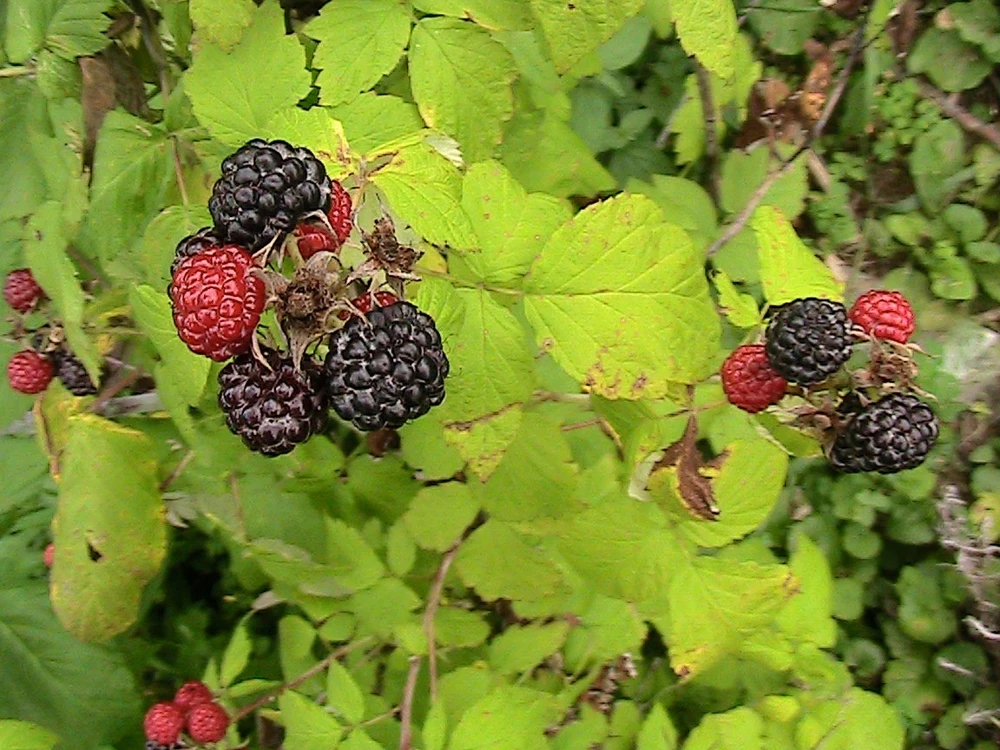
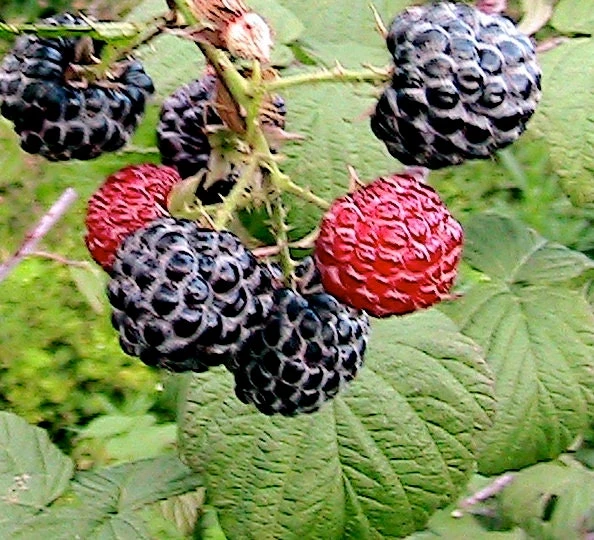
Embark on a rewarding gardening journey with these high-quality blackcap raspberry seeds. Each packet contains 15 viable seeds of the ‘Blackcap’ variety (Rubus occidentalis), ready to be sown and nurtured into productive berry bushes. Blackcap raspberries are renowned for their distinctive dark purple to black color, rich flavor, and abundant yields. These vigorous plants are a fantastic addition to any home garden, providing a continuous supply of fresh, healthy fruit. Growing your own blackcap raspberry plant from seed offers a deep connection to nature and the satisfaction of harvesting your own organic produce.
These seeds are an excellent choice for both experienced gardeners and enthusiastic beginners looking to expand their edible landscape. Blackcap raspberries are not only delicious but also known for their nutritional benefits, packed with antioxidants and vitamins. Prepare to transform your garden into a berry haven and enjoy the delightful taste of homegrown black raspberries.
Key Benefits
Growing blackcap raspberry seeds offers numerous advantages, from fresh produce to enhancing your garden’s biodiversity. Here are some of the key benefits you can expect:
- Delicious Homegrown Fruit: Enjoy the superior taste of fresh, organic blackcap raspberries, far exceeding store-bought varieties in flavor and sweetness.
- Rich in Antioxidants: Blackcap raspberries are celebrated for their high antioxidant content, contributing to a healthy diet and overall well-being.
- Attractive Garden Addition: The canes and lush foliage of the black raspberry plant add ornamental value to your garden, especially when laden with ripening fruit.
- Sustainable Gardening: By growing your own berries from rubus occidentalis seeds, you reduce your carbon footprint and ensure your food is free from harmful chemical pesticides.
- Self-Pollinating: Blackcap raspberries are self-fertile, meaning a single plant can produce fruit, though planting multiple can increase yields.
- Versatile Culinary Use: The berries are perfect for eating fresh, making jams, jellies, pies, sauces, or freezing for later enjoyment.
- Wildlife Friendly: Attract pollinators like bees and beneficial insects to your garden, contributing to a healthier ecosystem.
Plant Care & Growing Tips
Successfully growing blackcap raspberry seeds requires attention to a few key care guidelines. Blackcap raspberries thrive in full sun, meaning they need at least 6-8 hours of direct sunlight per day to produce the best fruit. Choose a location in your garden that receives ample light and has good air circulation. The soil should be well-draining, rich in organic matter, and have a slightly acidic pH between 6.0 and 6.8. Amending heavy clay soils with compost or peat moss can significantly improve drainage and fertility.
Watering is crucial, especially during dry spells and when the fruit is developing. Aim for consistently moist, but not waterlogged, soil. Deep watering is preferred to encourage strong root development. Fertilize in early spring with a balanced organic fertilizer, being careful not to over-fertilize, which can lead to excessive foliage growth at the expense of fruit production. Blackcap raspberries are generally hardy in USDA zones 5-8. Pruning is essential for maintaining plant health and maximizing yields; typically, prune out canes that have fruited after harvest and thin out weaker new canes in the spring. Watch for common pests like aphids and Japanese beetles, and address them with organic pest control methods.
Size & Details
This offering includes 15 high-quality raspberry seeds for planting. Once established, a mature blackcap raspberry plant typically grows to a height of 3-5 feet with a similar spread, forming a dense bush. The canes are biennial, meaning they grow vegetatively in their first year (primocanes) and produce fruit in their second year (floricanes), after which they die back. The berries themselves are small, approximately 0.5 inches in diameter, and ripen to a deep black color in mid to late summer, depending on your climate and planting time. Expect the first significant harvest within 2-3 years of planting from seed. These seeds are carefully harvested to ensure optimal germination rates, allowing you to successfully grow blackcap raspberries in your home garden.
Frequently Asked Questions
- Q: How many blackcap raspberry seeds are included? A: Each packet contains 15 individual blackcap raspberry seeds, providing a good starting quantity for your berry patch.
- Q: Is this an indoor or outdoor plant? A: Blackcap raspberries are primarily outdoor plants, thriving in garden beds where they receive full sun and have room to grow. They are not typically suited for indoor cultivation.
- Q: How much sunlight does a black raspberry plant need? A: For optimal fruit production, blackcap raspberries require full sun, meaning at least 6-8 hours of direct sunlight daily.
- Q: Is this plant easy to care for? A: Blackcap raspberries are considered moderately easy to care for once established. They require consistent watering, annual pruning, and good sun exposure.
- Q: What condition will the seeds arrive in? A: The seeds will arrive in a protective packet, ready for stratification and planting. Detailed instructions for germination will be included.
- Q: How long until the blackcap raspberry plant produces fruit? A: From seed, you can typically expect your first significant harvest of blackcap raspberries in 2-3 years, as the plants need time to establish and mature.
- Q: What is the best time to plant rubus occidentalis seeds? A: After proper cold stratification, the best time to sow blackcap raspberry seeds is in early spring, once the danger of hard frost has passed.
- Q: What USDA hardiness zones are suitable for blackcap raspberries? A: Blackcap raspberries are generally hardy in USDA Zones 5-8, making them suitable for a wide range of climates across the United States.
- Q: Can I grow these raspberry seeds for planting in containers? A: While possible, growing blackcap raspberries in containers requires very large pots (at least 15-20 gallons) and diligent watering and feeding due to their vigorous growth habit.
- Q: Are these seeds non-GMO and organic? A: These seeds are grown without harmful chemical pesticides, reflecting a commitment to natural gardening practices. Specific organic certification is not stated, but they are cultivated with care.
Be the first to review “Blackcap Raspberry Seeds – 15 Count – Grow Your Own Delicious Berries”
Related products


Fruit Seeds
Southern Highbush Blueberry Seeds – 50 Pre-Stratified Vaccinium Corymbosum Fruit Bush Seeds


You May Like

How to Grow Passion Flower (Passiflora) for Tropical Blooms
Few climbing vines in the home garden command attention quite like the exotic Passion Flower (Passiflora). [...]
Nov

Thanksgiving Cactus Care: How to Get Thanksgiving Cactus to Bloom
Is your Thanksgiving cactus growing well but not giving you any flowers? Maybe it looked [...]
Nov

How to Grow Garlic for a Bountiful Home Harvest
Garlic (Allium sativum) is one of the most satisfying, low-maintenance, and flavor-packed crops you can [...]
Oct

Hardneck vs. Softneck Garlic: Which Should You Grow?
Have you ever stood in front of a seed catalog in mid-September, staring at dozens [...]
1 Comment
Oct

When to Plant Music Garlic: Ultimate US Fall Guide
Have you ever spent your fall weekend placing carefully chosen garlic cloves into rich, dark [...]
1 Comment
Oct

5 Best Bulbs for Fall Planting: Brighten Your Garden This Spring
Are you dreaming of a garden full of vibrant colors in the spring? The key [...]
Aug

10 Houseplants That Will Thrive in Your Kitchen
Are you tired of your kitchen feeling dull and lifeless? Want to add a little [...]
1 Comment
Aug
Reviews
There are no reviews yet.