
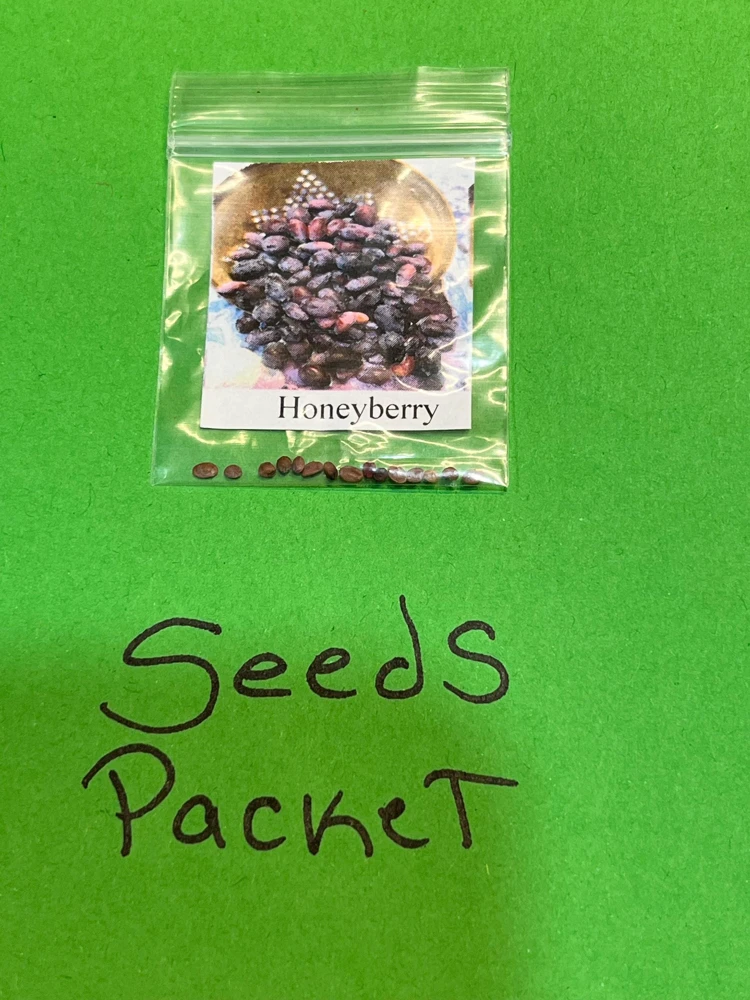
10+ Honeyberry Seeds – Lonicera caerula Sweetberry Honeysuckle Seeds
Original price was: 34.53 $.14.53 $Current price is: 14.53 $.
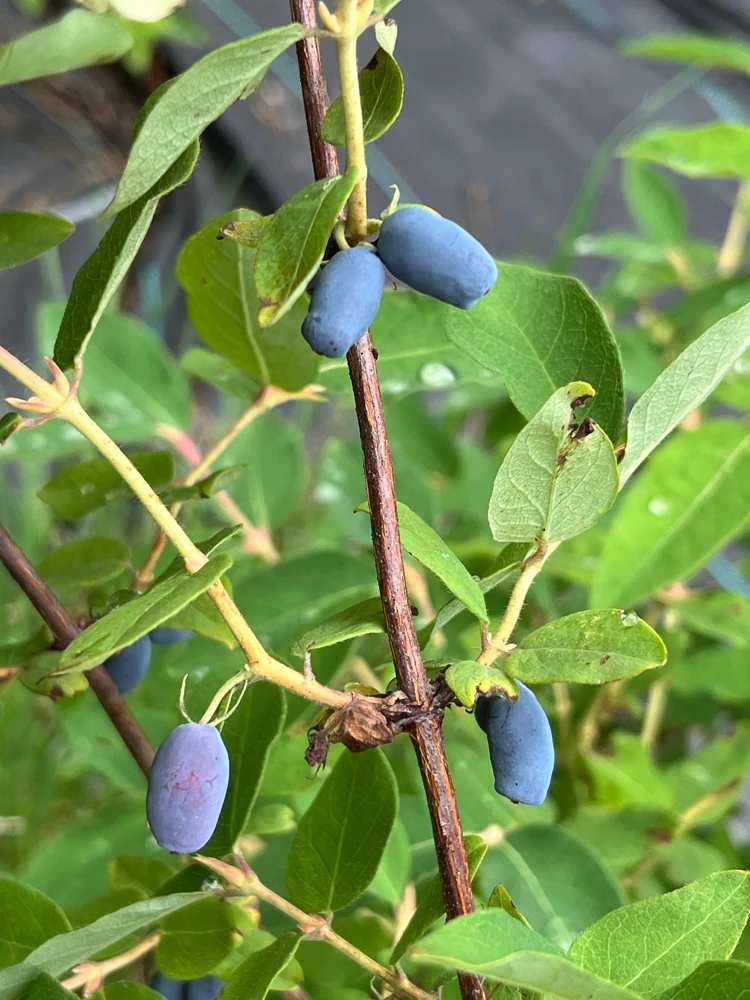
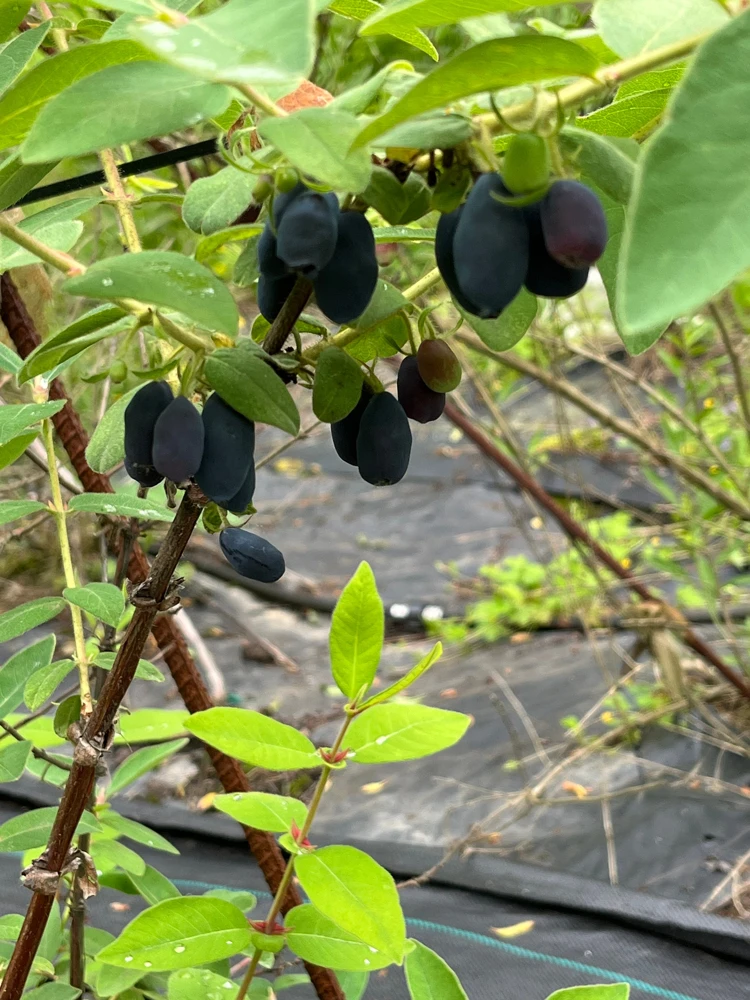
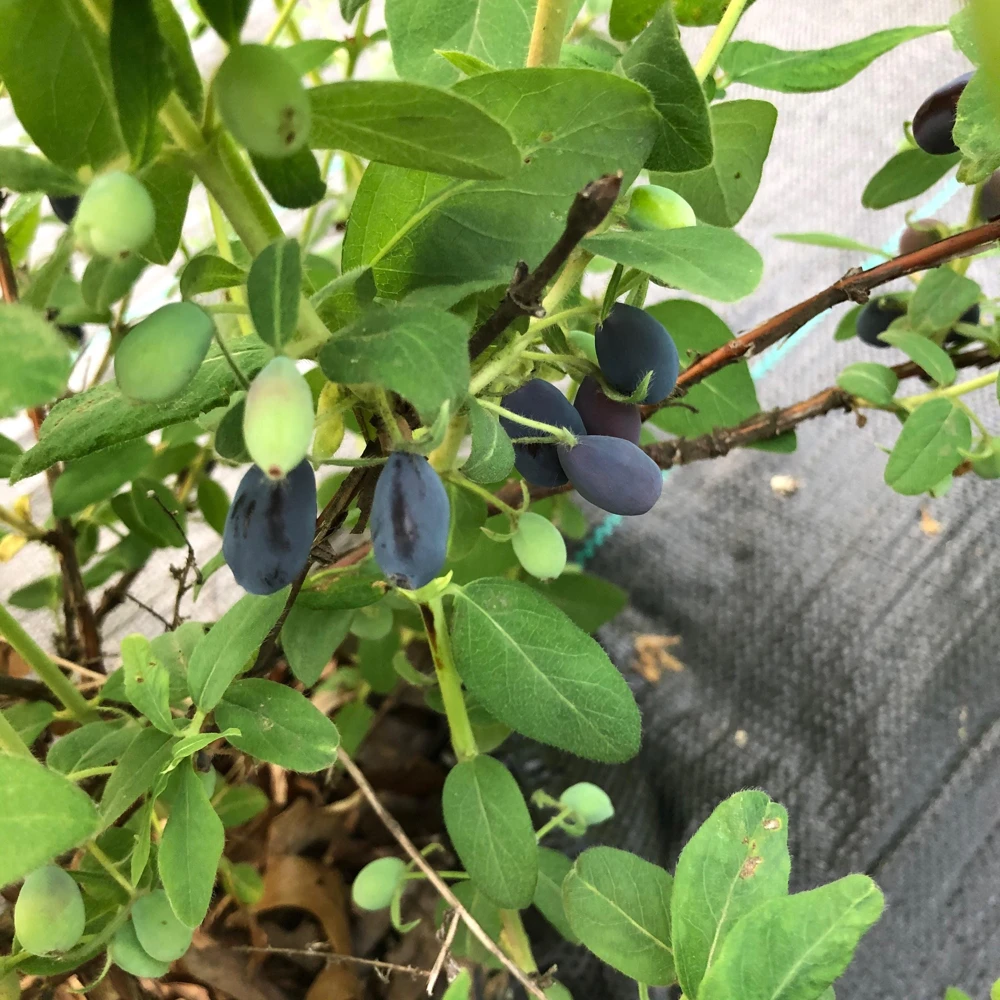
Cultivate your own delightful honeyberry seeds with this packet of 10+ Lonicera caerula seeds. Known as Sweetberry Honeysuckle, these seeds offer a mix of varieties like Haskap, Berry Blue, Aurora, and Borealis, ensuring excellent cross-pollination for a bountiful harvest. Perfect for gardeners seeking unique, nutritious fruit plants.
Estimated arrival
Nov 26
Dec 01 - Dec 03
Dec 03 - Dec 08
See our Shipping Policy.
Get in touch with us via email, and our team will review your concerns.
Our Alive & Thrive Guarantee covers issues with your plants within the first 30 days. Read our Refund & Returns Policy.
-
USDA Hardiness Zone
USDA zones 2-7 -
Soil Type
Well-draining, slightly acidic to neutral soil -
Sunlight Exposure
Full sun to partial shade -
Expected Planting Period
Year-round indoors after stratification, transplant outdoors in spring
Overview
Embark on a rewarding gardening journey by planting these premium honeyberry seeds. Each packet contains 10+ Lonicera caerula seeds, commonly known as Sweetberry Honeysuckle, offering a diverse mix of popular varieties. This selection includes Haskap, Berry Blue, Aurora, and Borealis, specifically chosen to enhance cross-pollination and maximize your berry yield. These open-pollinated seeds are ideal for creating a vibrant, productive patch of fruit-bearing shrubs. Growing honeyberry seeds allows you to cultivate a unique and delicious fruit that is gaining popularity for its early harvest and nutritional value. Discover the joy of fresh, homegrown berries with this easy-to-grow seed collection.
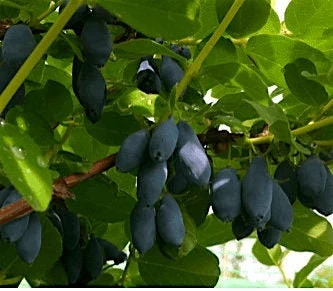
Honeyberries are deciduous shrubs that produce elongated, blue-purple berries resembling a stretched blueberry. They are one of the earliest fruits to ripen in spring, often before strawberries, making them a highly anticipated treat. These hardy plants are well-suited for various climates and add both ornamental beauty and edible bounty to your garden. Starting with sweetberry honeysuckle seeds provides an economical and satisfying way to establish a robust honeyberry patch, ensuring genetic diversity and strong, healthy plants for years to come.
Key Benefits
Planting honeyberry seeds offers numerous advantages for both the home gardener and the environment. These rewarding plants provide a range of benefits that make them an excellent addition to any garden:
- Early Berry Harvest: Honeyberries are among the first fruits to ripen in spring, often weeks before strawberries, providing a delicious early season treat. This extends your fresh fruit season considerably.
- Nutrient-Rich Fruit: The berries are packed with antioxidants, vitamins, and minerals, making them a healthy addition to your diet. They are excellent for fresh eating, jams, jellies, and desserts.
- Excellent Pollination Mix: This seed mix includes several varieties (Haskap, Berry Blue, Aurora, Borealis) which are crucial for optimal cross-pollination, leading to significantly higher yields of fruit. Growing multiple varieties ensures a robust and productive harvest.
- Hardy and Adaptable:Lonicera caerula seeds grow into resilient shrubs that are tolerant of cold climates and various soil conditions, making them suitable for a wide range of gardening zones. They are generally low-maintenance once established.
- Natural and Non-GMO: These heirloom seeds are grown without harmful chemical pesticides and are non-GMO, ensuring you cultivate a truly natural and healthy food source.
- Attractive Garden Addition: Beyond their fruit, honeyberry plants offer attractive foliage and a bush-like growth habit, making them a lovely ornamental shrub in the landscape.
- Support Pollinators: The early spring flowers provide a valuable nectar source for bees and other early pollinators, contributing to local biodiversity.
Plant Care & Growing Tips
Growing honeyberry seeds successfully requires attention to a few key factors, but these plants are generally forgiving once established. Start by stratifying the seeds, as they require a period of cold to germinate. Place seeds in a moist medium (like peat moss or vermiculite) in a sealed bag in the refrigerator for 60-90 days. After stratification, sow the seeds shallowly in a well-draining seed-starting mix, lightly covering them with soil. Maintain consistent moisture and warmth (around 65-70°F or 18-21°C) for germination, which can be slow and sporadic.
Once seedlings emerge, provide bright, indirect light. Harden off young plants before transplanting them outdoors after the last frost. Honeyberries thrive in full sun to partial shade; ideally, they need at least 6 hours of direct sunlight for best fruit production. They prefer well-draining, slightly acidic to neutral soil (pH 5.5-7.0). Amend heavy clay soils with organic matter to improve drainage. Water regularly, especially during dry spells and while berries are developing, ensuring the soil remains consistently moist but not waterlogged. Established plants are relatively drought-tolerant but benefit from consistent moisture.
Fertilize annually in early spring with a balanced, slow-release fertilizer or compost. Pruning is generally minimal for young plants, focusing on removing dead or weak branches. As plants mature, you can prune to maintain shape and encourage new growth. It is highly recommended to grow more than one variety of honeyberry plant to increase cross-pollination and subsequent berry yield. These plants are relatively pest and disease resistant, making them a low-maintenance choice for your garden. Following these care tips will help you successfully grow honeyberries and enjoy a bountiful harvest.
Size & Details
This product includes one packet containing 10 or more honeyberry seeds (Lonicera caerula). These seeds are open-pollinated and represent a beneficial mix of varieties, including Haskap, Berry Blue, Aurora, and Borealis, which are essential for effective cross-pollination. When grown, these sweetberry honeysuckle seeds will develop into deciduous shrubs that typically reach a mature height of 3-6 feet (0.9-1.8 meters) and a similar spread, forming a rounded bush. The plants have a moderate growth rate, with berries usually appearing 2-3 years after planting from seed, though some may produce fruit earlier.
The seeds are provided in a protective packet, ensuring their viability upon arrival. Detailed seed starting instructions will be included with your purchase to guide you through the germination and early growth stages. These plants are known for their hardiness and ability to thrive in a range of temperate climates, making them a versatile choice for many gardens. Expect your plants to start producing their unique, elongated blue berries in late spring to early summer, offering one of the earliest fruit harvests of the season. Cultivating these honeyberry seeds is a long-term investment in your edible landscape, providing delicious fruit for many years.
Frequently Asked Questions
- Q: How big does a honeyberry plant get? A: A mature honeyberry plant typically grows to be 3-6 feet tall and equally wide, forming a rounded, bushy shrub. Its size can be managed with light pruning.
- Q: Is this an indoor or outdoor plant? A: Honeyberry plants are outdoor deciduous shrubs. They require a cold dormancy period to thrive and produce fruit, making them unsuitable for permanent indoor cultivation.
- Q: How much sunlight do honeyberries need? A: For optimal fruit production, honeyberries prefer full sun, meaning at least 6 hours of direct sunlight per day. They can tolerate partial shade, but yields may be reduced.
- Q: Is this plant easy to care for? Is it good for beginners? A: While starting from honeyberry seeds requires patience for germination and initial growth, established honeyberry plants are relatively low-maintenance and hardy, making them a good option for intermediate gardeners or beginners willing to learn.
- Q: What condition will the seeds arrive in? A: The Lonicera caerula seeds will arrive in a well-packaged packet, ready for stratification and planting. Detailed instructions for seed starting will be included.
- Q: How long until honeyberry plants produce fruit? A: Honeyberry plants typically begin to produce fruit 2-3 years after being grown from seed. The yield will increase as the plants mature.
- Q: When is the best time to plant honeyberry seeds? A: After a cold stratification period (usually 60-90 days in the refrigerator), sow the sweetberry honeysuckle seeds indoors in late winter to early spring. Transplant seedlings outdoors after the last frost.
- Q: Do I need more than one honeyberry plant for fruit? A: Yes, honeyberries require cross-pollination from a different variety to produce fruit. This seed mix includes multiple varieties specifically to ensure good pollination and a higher berry yield.
- Q: What USDA zones are suitable for growing honeyberries? A: Honeyberries are very cold hardy and typically thrive in USDA Hardiness Zones 2-7. They need a cold winter to properly set fruit.
- Q: Are honeyberries susceptible to many pests? A: Honeyberry plants are generally quite resistant to most common pests and diseases, making them a relatively trouble-free addition to the garden.
Be the first to review “10+ Honeyberry Seeds – Lonicera caerula Sweetberry Honeysuckle Seeds”
Related products


You May Like

How to Grow Passion Flower (Passiflora) for Tropical Blooms
Few climbing vines in the home garden command attention quite like the exotic Passion Flower (Passiflora). [...]
Nov

Thanksgiving Cactus Care: How to Get Thanksgiving Cactus to Bloom
Is your Thanksgiving cactus growing well but not giving you any flowers? Maybe it looked [...]
Nov

How to Grow Garlic for a Bountiful Home Harvest
Garlic (Allium sativum) is one of the most satisfying, low-maintenance, and flavor-packed crops you can [...]
Oct

Hardneck vs. Softneck Garlic: Which Should You Grow?
Have you ever stood in front of a seed catalog in mid-September, staring at dozens [...]
1 Comment
Oct

When to Plant Music Garlic: Ultimate US Fall Guide
Have you ever spent your fall weekend placing carefully chosen garlic cloves into rich, dark [...]
1 Comment
Oct

5 Best Bulbs for Fall Planting: Brighten Your Garden This Spring
Are you dreaming of a garden full of vibrant colors in the spring? The key [...]
Aug

10 Houseplants That Will Thrive in Your Kitchen
Are you tired of your kitchen feeling dull and lifeless? Want to add a little [...]
1 Comment
Aug
Reviews
There are no reviews yet.