
Sierra Gooseberry Seeds (Ribes roezlii) – Native Shrub, Edible Berries, 5 Seeds
Original price was: 25.00 $.17.50 $Current price is: 17.50 $.
Cultivate the beautiful and beneficial Sierra Gooseberry seeds (Ribes roezlii) in your garden. This native shrub produces tart, edible berries and provides excellent habitat for wildlife. Drought-tolerant and adaptable, these Ribes roezlii seeds are ideal for native plant landscapes and attracting pollinators.
Estimated arrival
Nov 26
Dec 01 - Dec 03
Dec 03 - Dec 08
See our Shipping Policy.
Get in touch with us via email, and our team will review your concerns.
Our Alive & Thrive Guarantee covers issues with your plants within the first 30 days. Read our Refund & Returns Policy.
-
USDA Hardiness Zone
USDA Zones 5-9 -
Soil Type
Well-draining soil -
Sunlight Exposure
Full sun to partial shade -
Expected Planting Period
Late winter to early spring (after stratification)
Overview
Embark on a rewarding gardening journey with Sierra Gooseberry seeds, scientifically known as Ribes roezlii. This offering provides 5 high-quality seeds to begin growing this fascinating native shrub. The Sierra Gooseberry is a spiny, deciduous plant indigenous to California and the southwestern United States, thriving in diverse environments from dry slopes to open woodlands. Valued for its ecological benefits and distinctive appearance, Ribes roezlii is a superb choice for creating a resilient and attractive landscape. Its arching habit and unique bristly berries add character to any garden, making it a conversation starter and a haven for local wildlife.
Growing Ribes roezlii seeds allows you to contribute to local biodiversity while enjoying a low-maintenance plant. This shrub is not only visually appealing but also produces tart, edible berries that can be used in various culinary applications, from jams to pies. The plant’s adaptability to drought and poor soils makes it an excellent candidate for water-wise gardening and habitat restoration projects. Whether you are a seasoned gardener or a beginner, cultivating Sierra Gooseberry seeds offers a unique opportunity to connect with native flora and enjoy the fruits of your labor.
Key Benefits
The Sierra Gooseberry seeds offer a multitude of advantages for both gardeners and the environment. Growing this native shrub from seed provides a sustainable way to enhance your outdoor space with a plant that is both beautiful and functional. Its inherent hardiness and ecological value make it a standout choice for various garden designs.
- Native Habitat Support: Plant Ribes roezlii seeds to establish a native shrub that provides essential food and shelter for birds and other wildlife, contributing to a healthy ecosystem.
- Edible & Versatile Berries: Enjoy tart, reddish-purple berries perfect for making delicious jams, jellies, pies, and sauces, adding a unique flavor to your homemade treats.
- Drought & Poor Soil Tolerance: This resilient plant thrives in challenging conditions, making it an excellent choice for water-wise landscapes and areas with less-than-ideal soil.
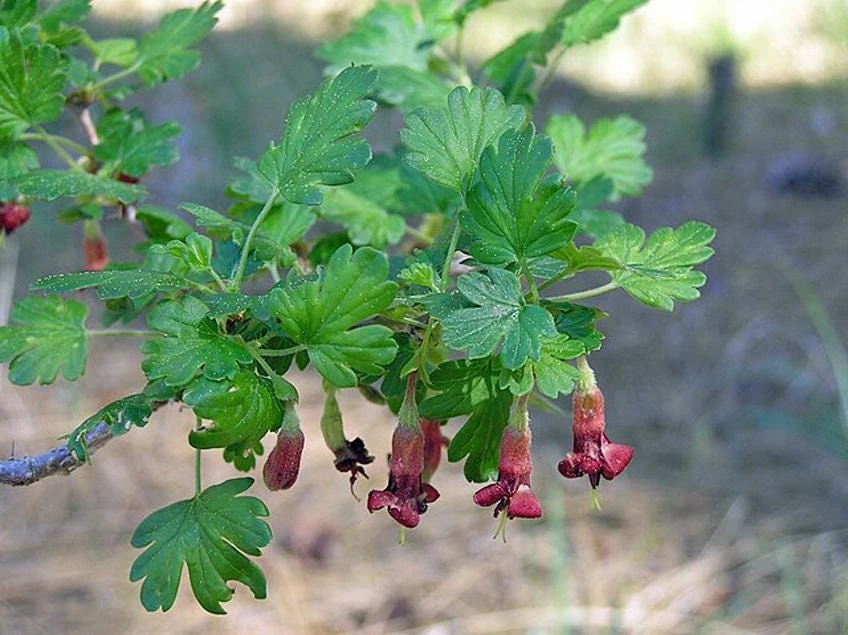
- Attractive Ornamental Features: With its spiny stems, lobed leaves, and bell-shaped flowers, the Sierra Gooseberry offers year-round visual interest in the garden.
- Pollinator Attraction: The early spring flowers attract vital early-season pollinators, supporting local bee and insect populations.
- Low Maintenance: Once established, the Sierra Gooseberry requires minimal care, making it a great option for busy gardeners seeking a hands-off approach.
- Erosion Control: Its spreading root system can help stabilize soil on slopes and in chaparral environments, preventing erosion.
Plant Care & Growing Tips
Successfully growing Sierra Gooseberry seeds requires understanding their specific needs, particularly concerning dormancy and stratification. To germinate Ribes roezlii seeds, begin by thoroughly cleaning them of all fruit pulp, as residual pulp can hinder germination. These seeds have a deep dormancy and necessitate a period of cold stratification to encourage sprouting. Place the cleaned seeds in a moist medium such as damp sand, peat moss, or vermiculite, then seal them in a container or bag. Refrigerate at a consistent temperature of 34–40°F (1–4°C) for an extended period of 90–120 days. This cold, moist treatment mimics natural winter conditions, breaking the seed’s dormancy and preparing it for spring growth.
After the stratification period, sow the seeds approximately ¼ inch (6 mm) deep in a well-draining seed-starting mix. Maintain consistent moisture in the soil, ensuring it is damp but never waterlogged. Position the container in a location that receives bright, indirect light and maintains moderate temperatures, ideally around 60–70°F (15–21°C). Germination of cold stratification seeds can be slow and sporadic, sometimes taking several weeks to months. Patience is key during this phase. Once seedlings have developed a few sets of true leaves and are robust enough to handle, carefully transplant them into individual pots or a protected outdoor site. Continue to provide light, consistent watering as the young plants establish their root systems. The Sierra Gooseberry thrives in full sun to partial shade once mature, adapting well to various light conditions.
Size & Details
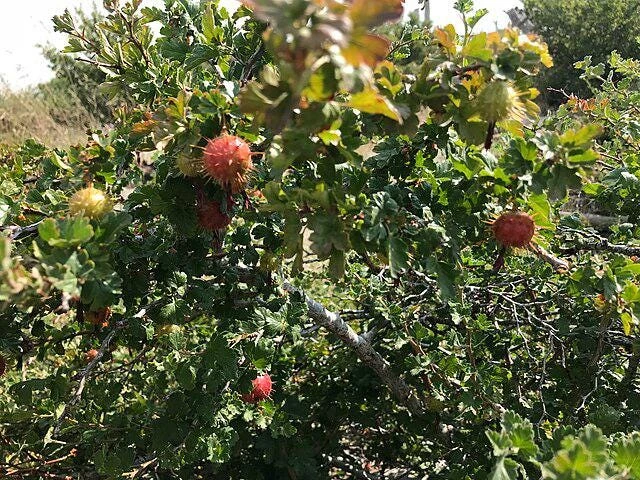
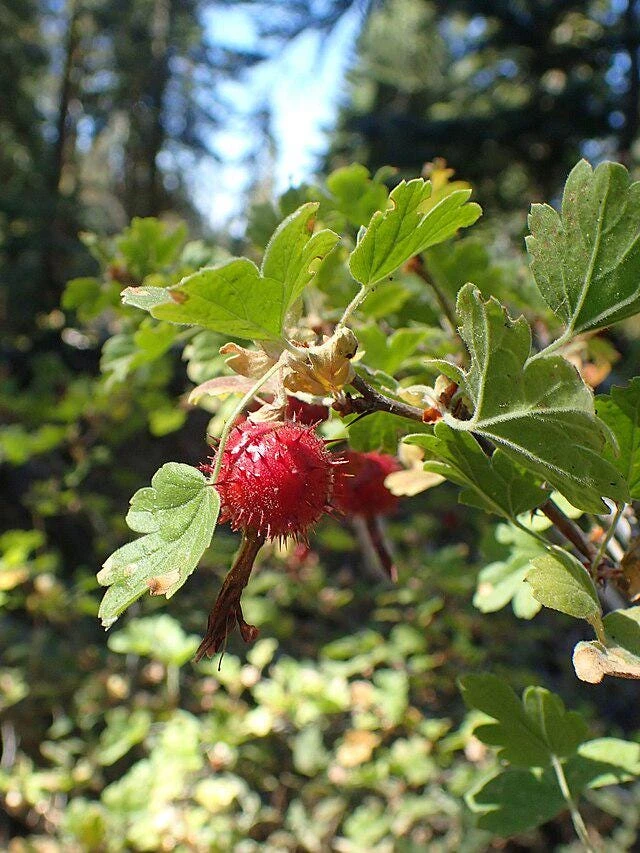
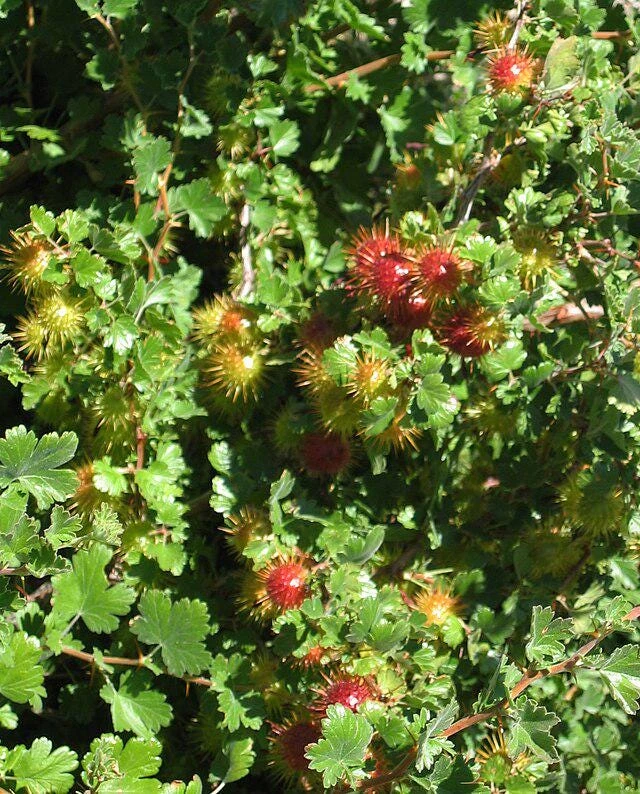
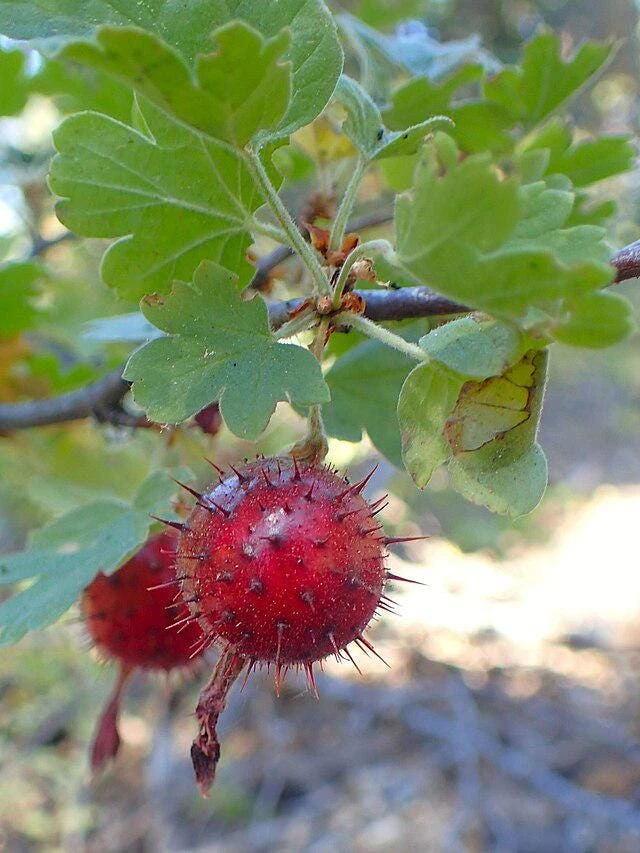
This product includes 5 seeds of the Sierra Gooseberry seeds (Ribes roezlii), ready for you to begin your native plant cultivation project. When fully grown, the Sierra Gooseberry typically reaches a height of 3–6 feet with a similar spreading, arching habit. It develops woody stems armed with characteristic sharp spines at the nodes, adding to its distinctive appearance. The leaves are small, rounded to lobed, and a medium green color, providing seasonal interest before dropping in winter to reveal the intricate branching structure. The plant produces small, bell-shaped flowers in early spring, ranging from greenish to pinkish-red, followed by round, bristly berries that mature to edible red or purplish tones. These edible berry seeds will eventually yield plants that are well-adapted to USDA Zones 5-9.
The seeds are supplied in a secure packet, ensuring their viability for planting. While germination can be a slow process, the resulting mature plant offers long-term benefits to your garden and local ecosystem. Expect the plant to establish and begin producing berries within a few years of successful germination and transplanting, offering a sustainable source of fruit and wildlife support.
Frequently Asked Questions
- Q: How big does this plant get? A: The Sierra Gooseberry typically grows to a height of 3–6 feet with a similar spread, forming a spiny, deciduous shrub. Its arching habit creates an attractive, natural shape in the landscape.
- Q: Is this an indoor or outdoor plant? A: The Sierra Gooseberry is an outdoor plant, native to various environments in California and the southwestern United States. It is best suited for native plant gardens, habitat restoration, and water-wise landscapes.
- Q: How much sunlight does it need? A: This plant thrives in full sun to partial shade. For optimal growth and berry production, aim for at least 6 hours of direct sunlight per day.
- Q: Is this plant easy to care for? A: Once established, the Sierra Gooseberry is relatively low maintenance and highly adaptable. The primary challenge is the initial germination of the Ribes roezlii seeds, which requires cold stratification.
- Q: What condition will the seeds arrive in? A: Your Sierra Gooseberry seeds will arrive as cleaned, dormant seeds, ready for the required cold stratification process before planting. They will be securely packaged to ensure viability.
- Q: How long until it produces berries? A: After successful germination and establishment, it typically takes a few years for the Sierra Gooseberry to mature and begin producing its tart, edible berries.
- Q: Will it survive winter in my zone? A: Yes, the Sierra Gooseberry is hardy and well-adapted to USDA Zones 5-9, meaning it can tolerate cold winter temperatures within this range once established.
- Q: What is cold stratification and why is it needed for these seeds? A: Cold stratification is a process of exposing seeds to cold, moist conditions to break dormancy. For cold stratification seeds like Sierra Gooseberry, it mimics natural winter conditions, signaling to the seed that spring is coming and it’s time to germinate.
- Q: Can the berries be eaten fresh? A: While the berries are edible, they are quite tart. They are most commonly used in cooked applications like jams, jellies, pies, and sauces, where their flavor can be balanced with sweeteners.
- Q: What kind of soil does the Sierra Gooseberry prefer? A: The plant prefers well-draining soil and is quite adaptable, even thriving in poor soil conditions. It does not tolerate consistently wet or soggy soil.
Be the first to review “Sierra Gooseberry Seeds (Ribes roezlii) – Native Shrub, Edible Berries, 5 Seeds”
Related products


You May Like

How to Grow Passion Flower (Passiflora) for Tropical Blooms
Few climbing vines in the home garden command attention quite like the exotic Passion Flower (Passiflora). [...]
Nov

Thanksgiving Cactus Care: How to Get Thanksgiving Cactus to Bloom
Is your Thanksgiving cactus growing well but not giving you any flowers? Maybe it looked [...]
Nov

How to Grow Garlic for a Bountiful Home Harvest
Garlic (Allium sativum) is one of the most satisfying, low-maintenance, and flavor-packed crops you can [...]
Oct

Hardneck vs. Softneck Garlic: Which Should You Grow?
Have you ever stood in front of a seed catalog in mid-September, staring at dozens [...]
1 Comment
Oct

When to Plant Music Garlic: Ultimate US Fall Guide
Have you ever spent your fall weekend placing carefully chosen garlic cloves into rich, dark [...]
1 Comment
Oct

5 Best Bulbs for Fall Planting: Brighten Your Garden This Spring
Are you dreaming of a garden full of vibrant colors in the spring? The key [...]
Aug

10 Houseplants That Will Thrive in Your Kitchen
Are you tired of your kitchen feeling dull and lifeless? Want to add a little [...]
1 Comment
Aug
Reviews
There are no reviews yet.