
Indiangrass Seeds (Sorghastrum nutans) – 100 Count – Native Prairie Grass for Zones 3-9
Original price was: 25.00 $.17.50 $Current price is: 17.50 $.
Cultivate stunning native landscapes with Indiangrass seeds (Sorghastrum nutans). This resilient warm-season prairie grass offers striking seasonal color, attracts pollinators, and provides essential wildlife habitat. Each packet contains 100 high-quality Sorghastrum nutans seeds, perfect for meadows, gardens, and restoration projects across USDA Zones 3-9.
Estimated arrival
Nov 27
Dec 02 - Dec 04
Dec 04 - Dec 09
See our Shipping Policy.
Get in touch with us via email, and our team will review your concerns.
Our Alive & Thrive Guarantee covers issues with your plants within the first 30 days. Read our Refund & Returns Policy.
-
USDA Hardiness Zone
3-9 -
Soil Type
Well-drained, moderately fertile soil (adaptable to sandy & clay) -
Sunlight Exposure
Full sun -
Expected Planting Period
Late spring to early summer
Overview
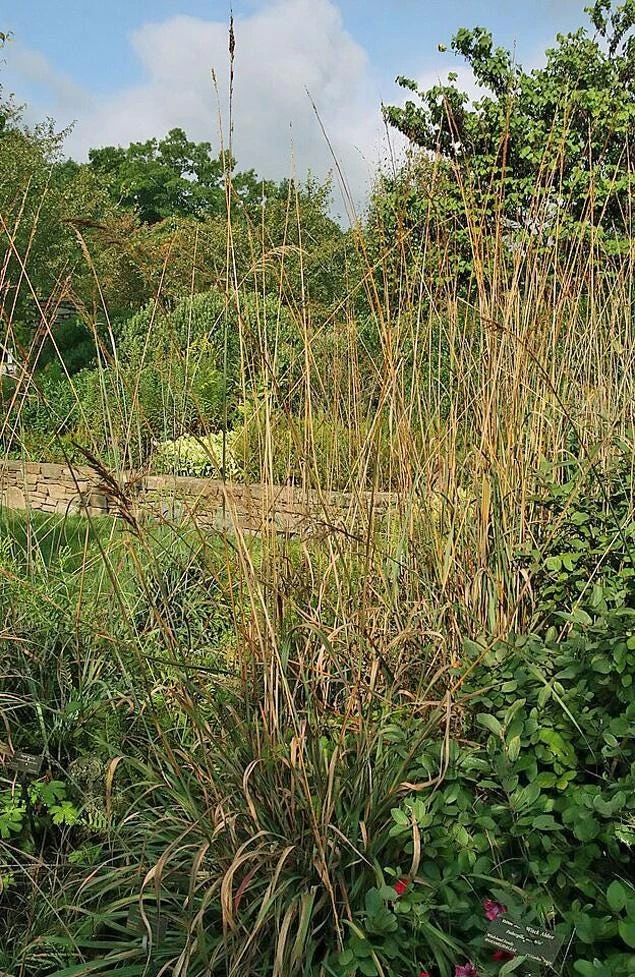
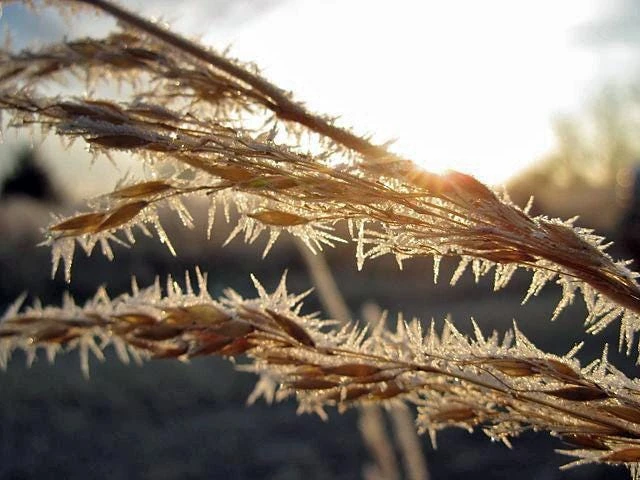
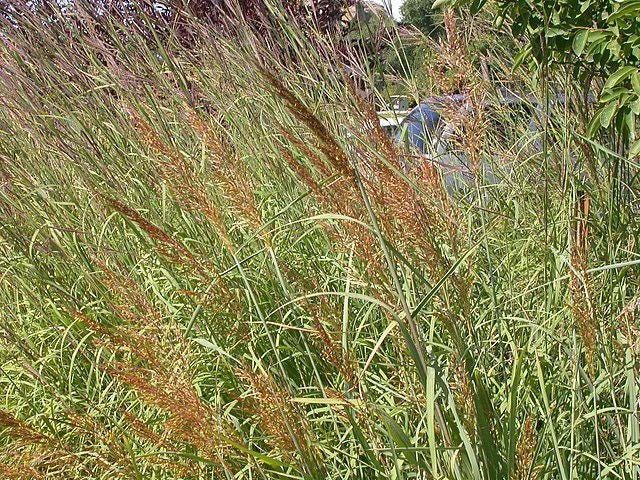
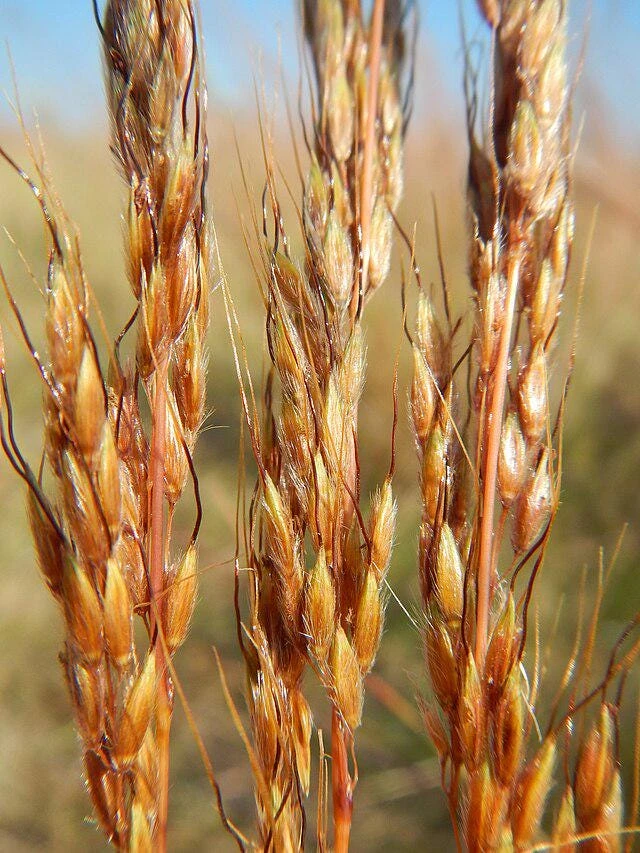
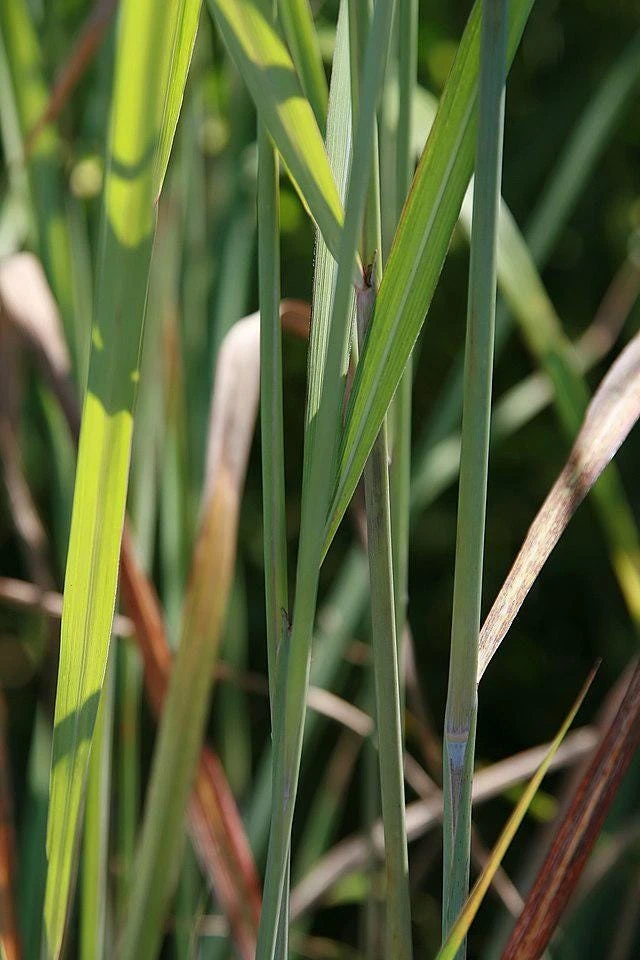
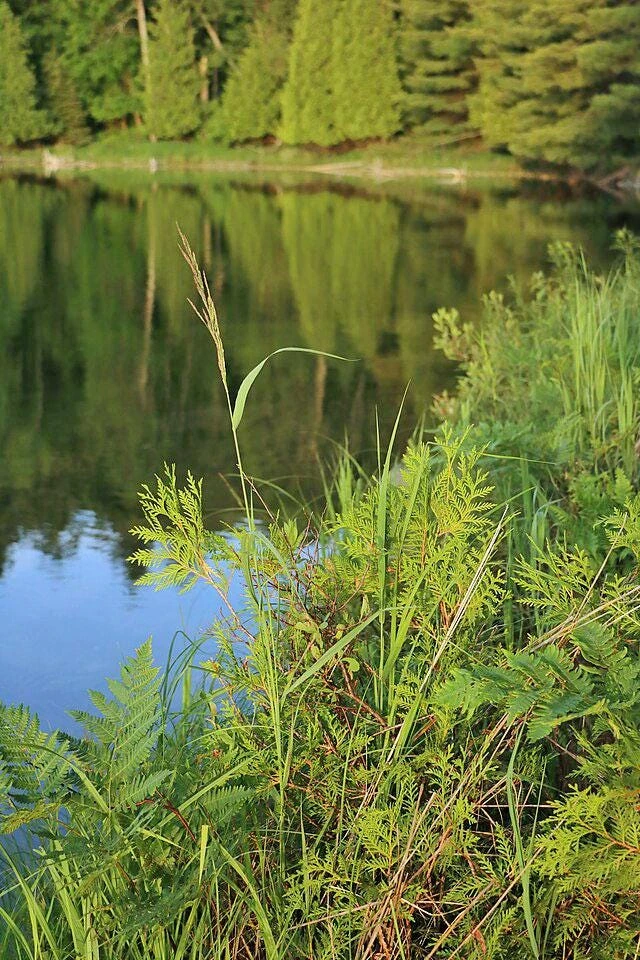
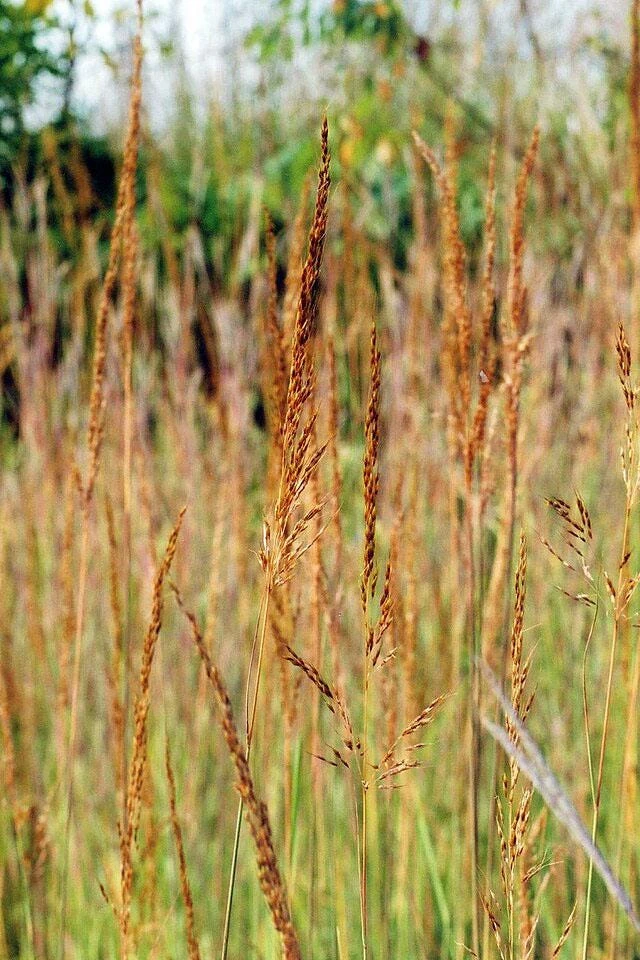
Transform your garden into a vibrant, ecologically rich space with our premium Indiangrass seeds. Sorghastrum nutans, commonly known as Indiangrass, is a majestic perennial warm-season bunchgrass native to North America, celebrated for its ornamental beauty and ecological significance. Widely distributed across prairies, open woodlands, and savannas, this grass typically grows 1 to 2.5 meters (approximately 3 to 8 feet) tall, forming elegant upright clumps. Its narrow, arching blue-green leaves provide a serene backdrop throughout the growing season, before transitioning to a spectacular golden bronze in autumn, offering striking seasonal color. In late summer to early fall, Indiangrass seeds develop into tall, feathery, golden-yellow flowering panicles that shimmer beautifully in the sunlight, creating a dynamic visual display. These flowers are not just a feast for the eyes; they are a vital resource, attracting a diverse array of pollinators such as bees and butterflies, contributing significantly to local biodiversity. The seed heads persist into winter, providing crucial food and shelter for birds and small wildlife, making it an invaluable addition to any habitat restoration or native plant garden project. Planting Sorghastrum nutans seeds helps restore natural ecosystems and supports local wildlife.
Key Benefits
Choosing Indiangrass seeds for your landscape offers a multitude of environmental and aesthetic advantages, making it an excellent choice for sustainable gardening and ecological restoration:
- Ecological Value & Wildlife Support:Indiangrass seeds grow into a plant that plays a critical role in prairie ecosystems, preventing erosion and improving soil health with its deep root system. Its persistent seed heads provide essential food and shelter for birds and small wildlife through the winter months, enhancing biodiversity in your garden.
- Stunning Seasonal Beauty: Enjoy a dynamic visual display throughout the year. The blue-green foliage turns a brilliant golden bronze in autumn, offering striking seasonal color. The feathery, golden-yellow flowering panicles shimmer in late summer and fall, adding a touch of elegance to any landscape.
- Drought Tolerance & Resilience: Once established from Sorghastrum nutans seeds, Indiangrass is remarkably deep-rooted and drought-tolerant, making it an ideal choice for xeriscaping or areas prone to dry conditions. It thrives in a variety of soils and is highly adaptable, requiring minimal supplemental watering.
- Pollinator & Beneficial Insect Attraction: The golden-yellow flowering panicles are a magnet for pollinators, including various species of bees and butterflies. Planting Indiangrass seeds contributes to supporting these crucial insects, vital for ecosystem health.
- Low Maintenance & Adaptability: This warm-season bunchgrass is well-adapted to a variety of soils, including sandy and clay types, thriving best in well-drained, moderately fertile soils under full sun. Its robust nature means less work for you once established.
- Native Plant Appeal: As a native North American grass, Indiangrass is a perfect fit for native plant gardens, meadows, and naturalized areas. It blends seamlessly into the local flora and provides authentic ecological benefits.
- Erosion Control: The extensive root system of Indiangrass is excellent for stabilizing soil, making it a powerful tool in erosion prevention, particularly on slopes or disturbed areas.
Plant Care & Growing Tips
Growing Indiangrass seeds is a rewarding experience, leading to a resilient and beautiful native grass. For optimal results, Sorghastrum nutans seeds germinate best when sown in warm conditions. They may benefit significantly from a short period of cold stratification to improve germination uniformity. To stratify, mix the seeds with a moist medium such as sand or vermiculite and refrigerate them at 1–5°C (34–41°F) for 2 to 4 weeks before planting. This mimics natural winter conditions and prepares the seeds for spring germination. After stratification, sow the seeds about 3 to 6 mm (approximately 1/8 to 1/4 inch) deep in a well-draining seed-starting mix. It’s crucial to keep the medium consistently moist but never waterlogged during the germination phase. Ideal germination temperatures range between 20–30°C (68–86°F), and germination typically occurs within 2 to 4 weeks under these conditions.
Once seedlings emerge, ensure they receive plenty of light and moderate moisture as they establish. When seedlings develop several true leaves and are robust enough, they can be transplanted outdoors. Indiangrass thrives in full sun, requiring at least 6-8 hours of direct sunlight per day to reach its full potential. It is adaptable to a variety of soil types, from sandy to clay, but performs best in well-drained, moderately fertile soils. Being a warm-season grass, it establishes most successfully when planted outdoors in late spring or early summer, after all danger of frost has passed. This timing allows the young plants to leverage the warm soil and air temperatures for vigorous growth. Watering should be regular during establishment, but once mature, Indiangrass is highly drought-tolerant and requires minimal supplemental irrigation. Fertilization is generally not necessary in established native plantings, but a light application of a balanced fertilizer can support growth in poorer soils. This resilient warm season grass is typically low-maintenance.
Size & Details
This product includes 100 Indiangrass seeds (Sorghastrum nutans), providing ample opportunity to establish a significant planting or multiple smaller projects. When mature, Indiangrass typically grows to an impressive height of 1 to 2.5 meters (approximately 3 to 8 feet), forming upright clumps that can spread up to 60-90 cm (2-3 feet) wide. It is shipped as dry seeds, ready for stratification and planting. The growth rate is moderate to fast once established, with plants reaching mature size within 2-3 years under ideal conditions. The distinctive blue-green foliage offers a beautiful contrast, turning a stunning golden bronze in the fall. Expect the tall, feathery, golden-yellow flowering panicles to emerge in late summer to early fall, adding significant visual interest. This native prairie grass is a long-lived perennial, offering years of beauty and ecological benefits.
Frequently Asked Questions
- Q: How many Indiangrass seeds are included in this packet? A: This packet contains 100 Indiangrass seeds, providing a generous quantity for planting in various garden sizes or for multiple projects.
- Q: What is the best time to plant Sorghastrum nutans seeds? A: The best time to plant Sorghastrum nutans seeds outdoors is in late spring or early summer, after the last frost has passed and soil temperatures have warmed up. Cold stratification for 2-4 weeks before planting is highly recommended.
- Q: How tall does Indiangrass grow? A: Indiangrass is a tall grass, typically growing between 1 to 2.5 meters (3 to 8 feet) in height when mature, creating a striking vertical element in the landscape.
- Q: Is this an indoor or outdoor plant? A: Indiangrass is an outdoor plant, best suited for native plant gardens, meadows, prairies, and open landscapes where it can receive full sun exposure.
- Q: What kind of sunlight does Indiangrass need? A: Indiangrass thrives in full sun, requiring at least 6-8 hours of direct sunlight per day for optimal growth and flowering.
- Q: Is Indiangrass drought-tolerant? A: Yes, once established from Indiangrass seeds, it is highly drought-tolerant due to its deep root system, making it an excellent choice for water-wise landscaping.
- Q: What USDA hardiness zones is Indiangrass suitable for? A: Indiangrass is very hardy and suitable for USDA Hardiness Zones 3 through 9, tolerating a wide range of climates.
- Q: How long does it take for Indiangrass seeds to germinate? A: Germination typically occurs within 2 to 4 weeks after sowing, provided the seeds have been properly stratified and are kept in warm, moist conditions.
- Q: What kind of soil does this native prairie grass prefer? A: This native prairie grass is adaptable to various soil types, including sandy and clay, but prefers well-drained, moderately fertile soils.
- Q: Does Indiangrass attract pollinators? A: Absolutely! The golden-yellow flowering panicles of Indiangrass are highly attractive to pollinators such as bees and butterflies, contributing to garden biodiversity.
Be the first to review “Indiangrass Seeds (Sorghastrum nutans) – 100 Count – Native Prairie Grass for Zones 3-9”
Related products


You May Like

How to Grow Passion Flower (Passiflora) for Tropical Blooms
Few climbing vines in the home garden command attention quite like the exotic Passion Flower (Passiflora). [...]
Nov

Thanksgiving Cactus Care: How to Get Thanksgiving Cactus to Bloom
Is your Thanksgiving cactus growing well but not giving you any flowers? Maybe it looked [...]
Nov

How to Grow Garlic for a Bountiful Home Harvest
Garlic (Allium sativum) is one of the most satisfying, low-maintenance, and flavor-packed crops you can [...]
Oct

Hardneck vs. Softneck Garlic: Which Should You Grow?
Have you ever stood in front of a seed catalog in mid-September, staring at dozens [...]
1 Comment
Oct

When to Plant Music Garlic: Ultimate US Fall Guide
Have you ever spent your fall weekend placing carefully chosen garlic cloves into rich, dark [...]
1 Comment
Oct

5 Best Bulbs for Fall Planting: Brighten Your Garden This Spring
Are you dreaming of a garden full of vibrant colors in the spring? The key [...]
Aug

10 Houseplants That Will Thrive in Your Kitchen
Are you tired of your kitchen feeling dull and lifeless? Want to add a little [...]
1 Comment
Aug
Reviews
There are no reviews yet.