
10x Tropical Milkweed Seeds – Asclepias curassavica – Attracts Butterflies
Original price was: 42.00 $.12.00 $Current price is: 12.00 $.
Cultivate a vibrant pollinator haven with these tropical milkweed seeds (Asclepias curassavica). Each pack contains 10 tropical milkweed seeds, ideal for attracting butterflies to your garden. Known for its easy-to-grow nature and bright flowers, this plant is a must-have for any butterfly enthusiast.
Estimated arrival
Nov 27
Dec 02 - Dec 04
Dec 04 - Dec 09
See our Shipping Policy.
Get in touch with us via email, and our team will review your concerns.
Our Alive & Thrive Guarantee covers issues with your plants within the first 30 days. Read our Refund & Returns Policy.
-
USDA Hardiness Zone
USDA Zones 9-11 (perennial), Zones 3-8 (annual) -
Soil Type
Well-draining soil, sandy or loamy -
Sunlight Exposure
Full sun (6-8+ hours daily) -
Expected Planting Period
Spring to early summer
Overview
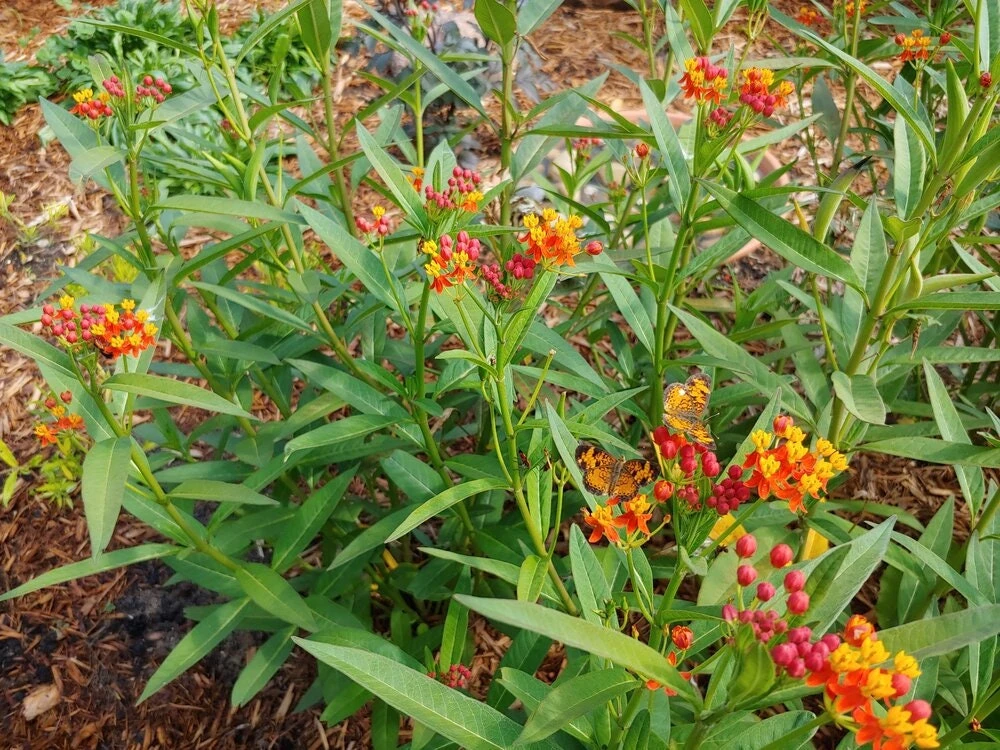
Transform your garden into a bustling haven for butterflies with our premium tropical milkweed seeds. This pack contains 10 high-quality seeds of Asclepias curassavica, commonly known as Mexican butterfly weed, bloodflower, or scarlet milkweed. These seeds are specifically chosen for their viability and ease of cultivation, making them perfect for both novice and experienced gardeners. Tropical milkweed seeds are renowned for producing stunning, bright orange and red flowers that are an irresistible magnet for various butterfly species, including the iconic Monarch. By planting these seeds, you’re not just growing a beautiful flower; you’re contributing to the crucial support of pollinator populations and creating a dynamic, living ecosystem right in your backyard.
Our Asclepias curassavica seeds promise a rewarding gardening experience, yielding robust plants that bloom profusely throughout the warmer months. This particular variety of milkweed is celebrated for its vigorous growth and ability to thrive in a range of conditions, offering a vibrant display of color and a vital food source for caterpillars and adult butterflies. Embrace the joy of watching your garden come alive with these essential pollinator-friendly plants.
Key Benefits
Planting tropical milkweed seeds offers numerous advantages for your garden and the local ecosystem. These seeds grow into beautiful, functional plants that provide essential resources for wildlife and enhance the aesthetic appeal of any outdoor space. Here are some of the key benefits you’ll enjoy:
- Exceptional Pollinator Attraction: The vibrant flowers of tropical milkweed seeds are a powerful draw for a wide array of pollinators, including Monarch butterflies, other butterfly species, and various beneficial insects. This significantly boosts biodiversity in your garden.
- Monarch Butterfly Host Plant:Asclepias curassavica is a critical host plant for Monarch butterfly caterpillars. By growing these plants, you provide a necessary food source for their larvae, supporting their life cycle and contributing to the conservation of this magnificent species.
- Easy to Grow and Maintain: These Mexican butterfly weed seeds are known for their resilience and straightforward cultivation. They require minimal fuss once established, making them an excellent choice for gardeners seeking high impact with low effort.
- Long-Lasting Blooms: Enjoy a continuous display of bright orange and red flowers from spring through fall in many climates. The prolonged blooming period ensures a steady food source for pollinators and consistent visual appeal for your garden.
- Drought Tolerant: Once mature, tropical milkweed exhibits good drought tolerance, reducing the need for frequent watering and making it a sustainable choice for various climates.
- Adds Vibrant Color to Your Garden: The striking bicolor flowers of this milkweed variety provide an eye-catching splash of color, enhancing garden beds, borders, and containers.
- Supports Local Ecosystems: By providing nectar for adult butterflies and leaves for caterpillars, these milkweed seeds for butterflies play a vital role in supporting the health and balance of your local ecosystem.
Plant Care & Growing Tips
Growing tropical milkweed seeds successfully requires attention to a few key environmental factors, ensuring your plants thrive and produce abundant blooms. Start by stratifying your seeds if necessary, though many batches are ready to plant. Sow the seeds directly outdoors after the last frost date or indoors 6-8 weeks before transplanting. Plant them about 1/4 inch deep in well-draining soil, spaced 12-18 inches apart. Germination typically occurs within 10-20 days under optimal conditions.
Sunlight:Asclepias curassavica seeds grow best in full sun, meaning at least 6-8 hours of direct sunlight per day. While they can tolerate partial shade, too little light will result in leggy growth and fewer flowers. Ensure your planting location receives ample sunshine to maximize blooming and plant vigor. For those wondering how to get easy grow milkweed, sufficient sunlight is paramount.
Watering: Keep the soil consistently moist but not waterlogged during the germination and establishment phases. Once mature, tropical milkweed is relatively drought-tolerant, but regular watering during dry spells will encourage more prolific flowering. Avoid overhead watering to prevent fungal issues. Good drainage is crucial to prevent root rot.
Soil: These plants are adaptable to various soil types but prefer well-draining soil. A sandy or loamy soil mix with a neutral to slightly acidic pH (6.0-7.0) is ideal. Amending heavy clay soils with organic matter like compost can improve drainage and provide essential nutrients for robust growth from your tropical milkweed seeds.
Temperature and Hardiness: Tropical milkweed is a tender perennial, typically grown as an annual in USDA Zones 8 and below. In warmer climates (Zones 9-11), it can overwinter and return year after year. It thrives in warm temperatures and does not tolerate frost. If growing in colder zones, you can collect Mexican butterfly weed seeds at the end of the season to replant next year.
Fertilization: Tropical milkweed is not a heavy feeder. A balanced, all-purpose fertilizer can be applied sparingly in the spring, especially if your soil is poor. Over-fertilization can lead to excessive foliage growth at the expense of flowers. Focus on healthy soil building with compost.
Pest and Disease Management: While generally robust, keep an eye out for common garden pests like aphids, which can be managed with insecticidal soap or by introducing beneficial insects. Yellowing leaves can indicate overwatering or nutrient deficiency. Regular inspection helps maintain healthy plants from your milkweed seeds for butterflies.
Size & Details
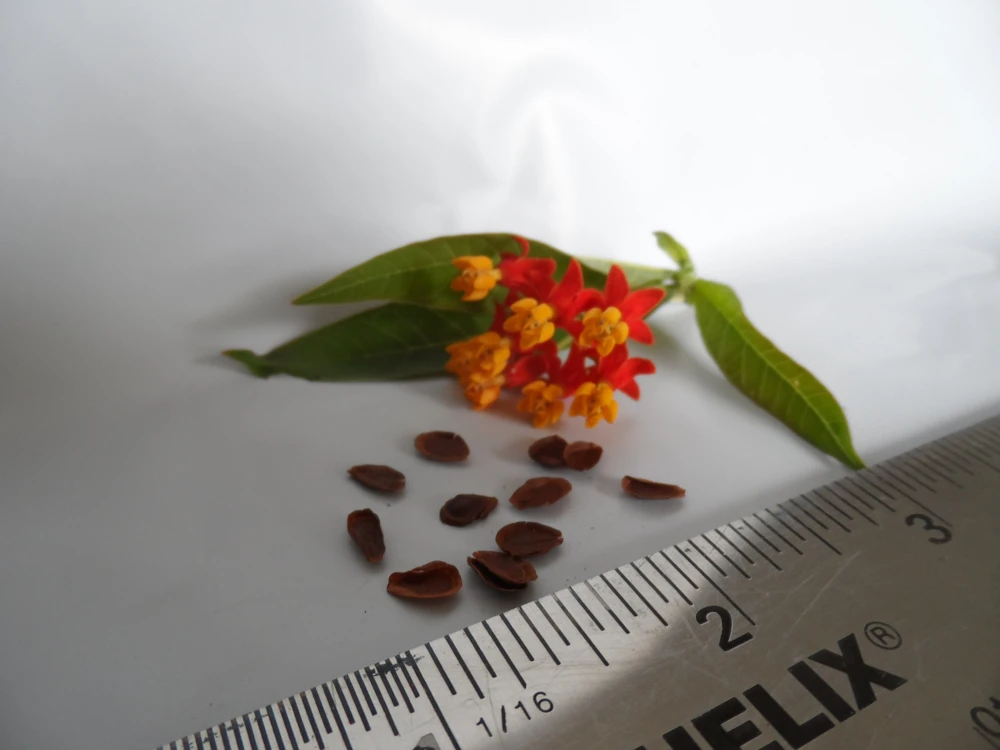
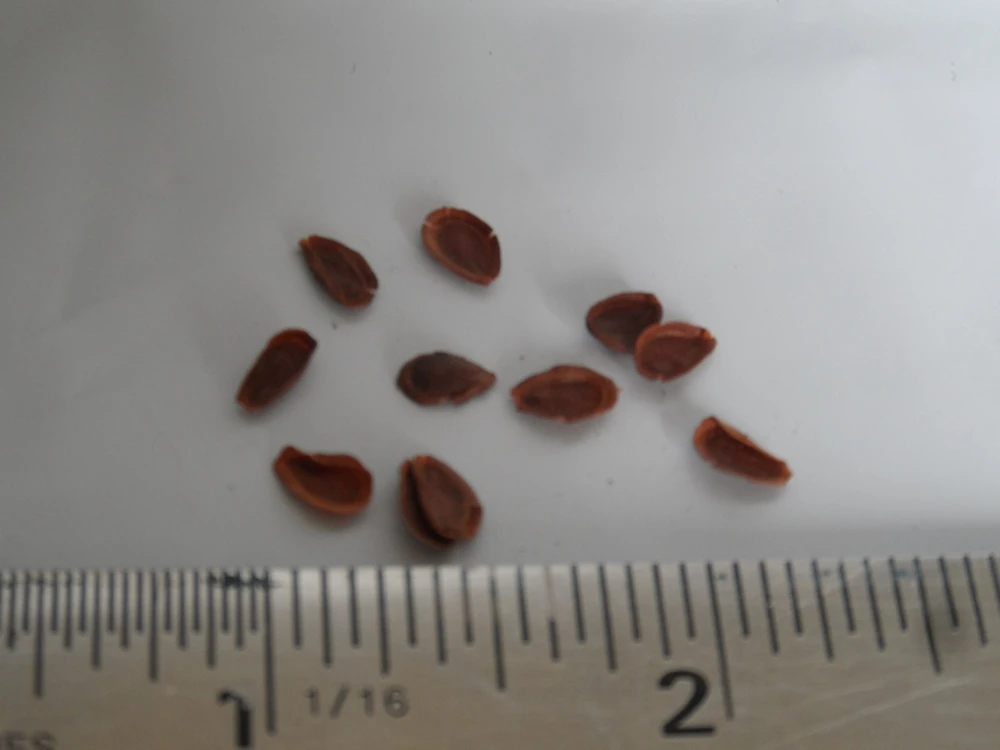
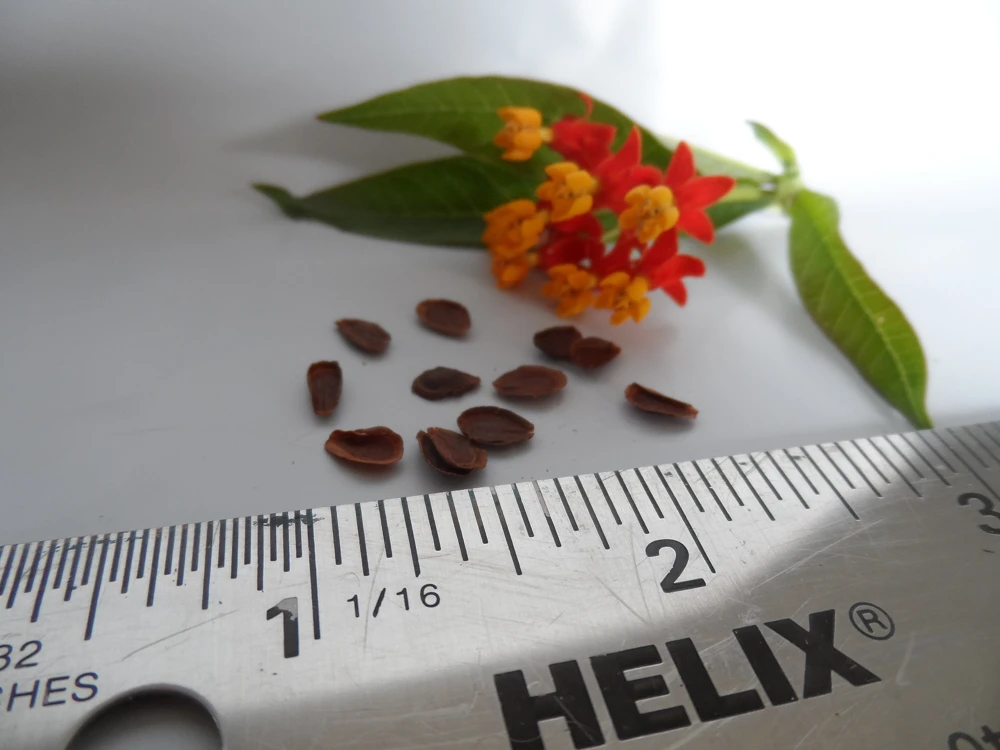
Each purchase includes 10 tropical milkweed seeds (Asclepias curassavica), carefully selected for quality and germination potential. When mature, these plants typically reach a height of 2 to 4 feet with a similar spread, creating a bushy, upright form. The flowers are distinctive, featuring bright orange corollas and red-orange hoods, blooming in clusters from late spring through fall, depending on your climate. The growth rate is moderate to fast, with plants often flowering in their first year from seed under optimal conditions. The seeds are small, flat, and typically have a tuft of silky hairs (pappus) that aids in wind dispersal, though these are often removed for packaging. These easy grow milkweed seeds are ready for planting to help you create a thriving butterfly garden.
Frequently Asked Questions
- Q: How many seeds are included in one pack? A: Each pack contains 10 high-quality tropical milkweed seeds, ensuring you have a good start for your pollinator garden.
- Q: Is this milkweed variety safe for Monarch butterflies? A: Yes, Asclepias curassavica, or Asclepias curassavica seeds, are a preferred host plant for Monarch butterfly caterpillars, providing essential food for their development.
- Q: When is the best time to plant these tropical milkweed seeds? A: For best results, sow these Mexican butterfly weed seeds outdoors after the last frost in spring, or start them indoors 6-8 weeks before your last frost date.
- Q: How much sunlight do these plants need? A: Tropical milkweed thrives in full sun, requiring at least 6 to 8 hours of direct sunlight daily for optimal growth and flowering.
- Q: Are these seeds difficult to germinate? A: No, these are considered easy grow milkweed seeds. While some stratification can improve germination, they are generally straightforward to sprout with consistent moisture and warmth.
- Q: How tall do tropical milkweed plants grow? A: Mature tropical milkweed plants typically reach a height of 2 to 4 feet, creating a substantial presence in your garden.
- Q: What kind of soil is best for tropical milkweed? A: Well-draining soil is crucial. A sandy loam or a potting mix amended with compost works very well for these plants.
- Q: Will tropical milkweed survive winter in cold climates? A: In USDA Zones 9-11, it can be a perennial. In colder zones, it is typically grown as an annual, or you can collect the milkweed seeds for butterflies to replant next season.
- Q: Do I need to fertilize tropical milkweed often? A: Tropical milkweed is not a heavy feeder. A light application of balanced fertilizer in spring is usually sufficient, or simply enrich the soil with compost.
- Q: What kind of butterflies do these seeds attract? A: These seeds primarily attract Monarch butterflies, but also other species like Queen butterflies and various swallowtails due to their rich nectar.
Be the first to review “10x Tropical Milkweed Seeds – Asclepias curassavica – Attracts Butterflies”
Related products


Flower Seeds
Blue Stock Matthiola Incana Seeds – 50 Fragrant Gillyflower Seeds – Ten-Week Blue Stock


You May Like

How to Grow Passion Flower (Passiflora) for Tropical Blooms
Few climbing vines in the home garden command attention quite like the exotic Passion Flower (Passiflora). [...]
Nov

Thanksgiving Cactus Care: How to Get Thanksgiving Cactus to Bloom
Is your Thanksgiving cactus growing well but not giving you any flowers? Maybe it looked [...]
Nov

How to Grow Garlic for a Bountiful Home Harvest
Garlic (Allium sativum) is one of the most satisfying, low-maintenance, and flavor-packed crops you can [...]
Oct

Hardneck vs. Softneck Garlic: Which Should You Grow?
Have you ever stood in front of a seed catalog in mid-September, staring at dozens [...]
1 Comment
Oct

When to Plant Music Garlic: Ultimate US Fall Guide
Have you ever spent your fall weekend placing carefully chosen garlic cloves into rich, dark [...]
1 Comment
Oct

5 Best Bulbs for Fall Planting: Brighten Your Garden This Spring
Are you dreaming of a garden full of vibrant colors in the spring? The key [...]
Aug

10 Houseplants That Will Thrive in Your Kitchen
Are you tired of your kitchen feeling dull and lifeless? Want to add a little [...]
1 Comment
Aug
Reviews
There are no reviews yet.