


20 Jerusalem Artichoke Seeds – Sunchoke Sunroot Helianthus Tuberosus Yellow Flower Perennial Outdoor
Original price was: 36.66 $.16.66 $Current price is: 16.66 $.
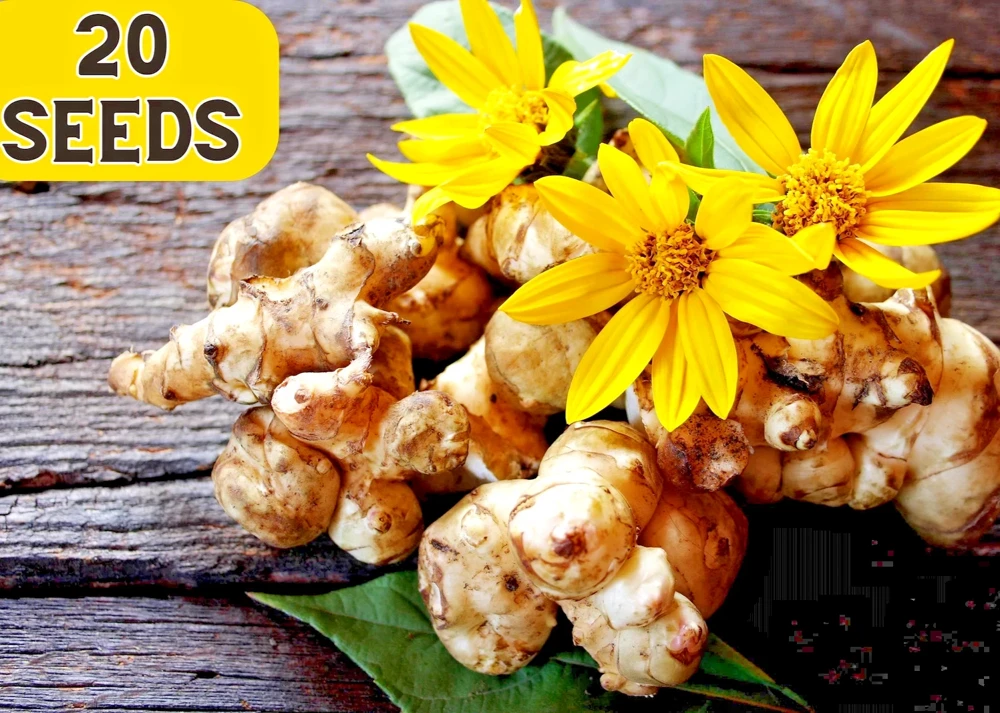
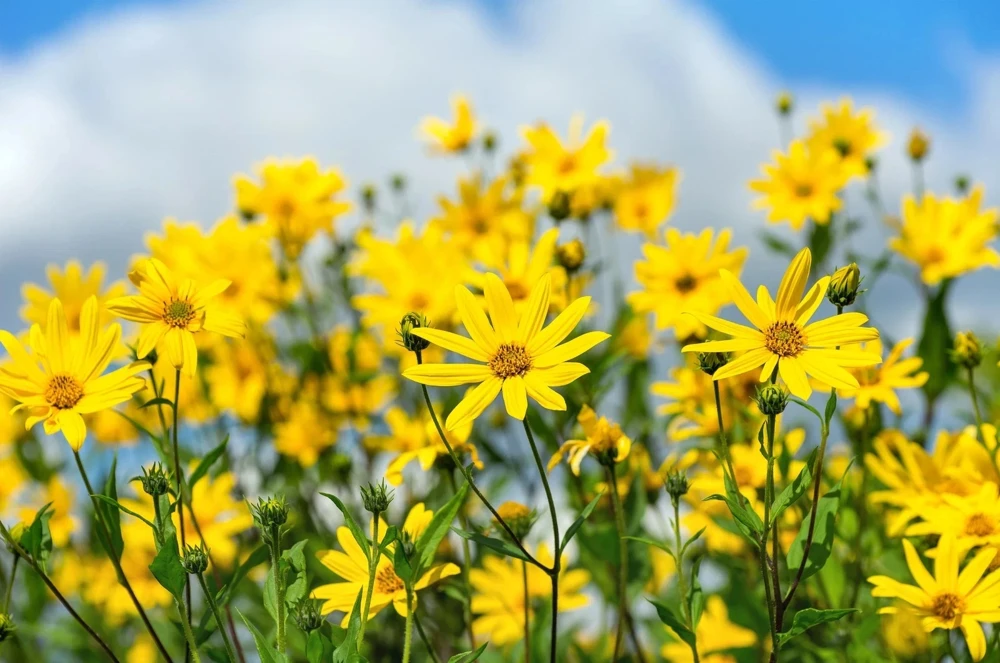
Cultivate delicious and versatile Jerusalem Artichoke seeds (Sunchoke) in your garden. These Helianthus Tuberosus seeds produce attractive yellow flowers and highly nutritious edible tubers. An easy-to-grow perennial, perfect for gardeners looking for both beauty and bounty.
Estimated arrival
Nov 27
Dec 02 - Dec 04
Dec 04 - Dec 09
See our Shipping Policy.
Get in touch with us via email, and our team will review your concerns.
Our Alive & Thrive Guarantee covers issues with your plants within the first 30 days. Read our Refund & Returns Policy.
-
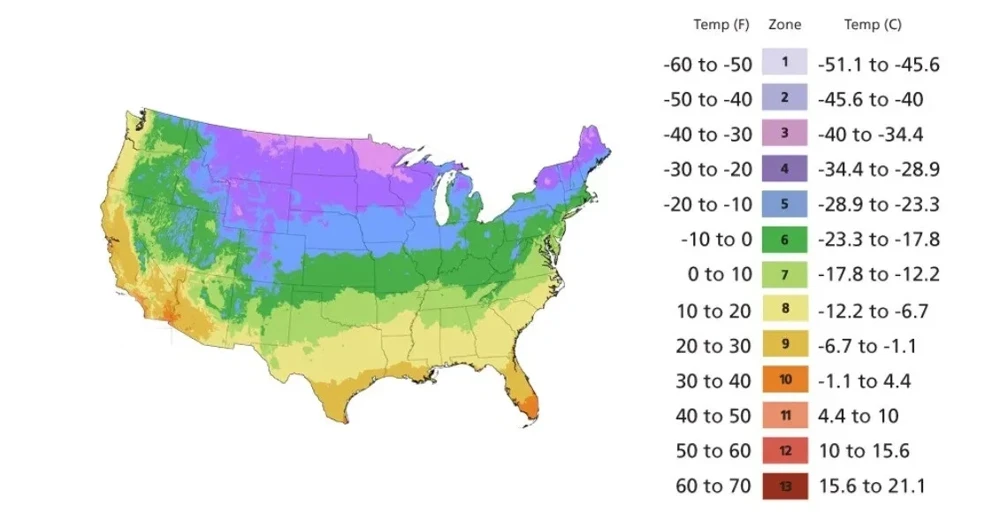
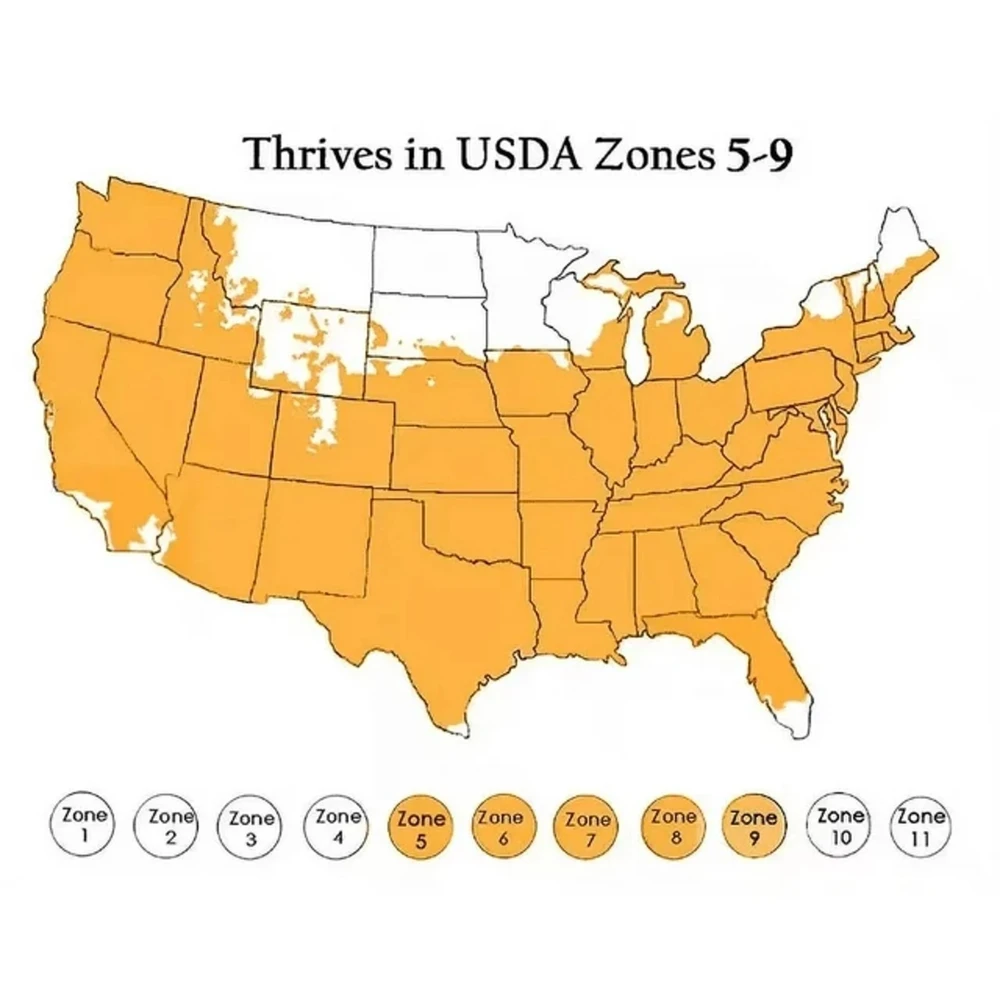
USDA Hardiness Zone
USDA zones 3-9 -
Soil Type
Well-draining loam -
Sunlight Exposure
Full sun -
Expected Planting Period
Spring after last frost
Overview
Discover the joy of growing your own nutritious and beautiful plants with our premium pack of Jerusalem Artichoke seeds. Also widely known as Sunchokes or Sunroots, these remarkable plants (scientifically named Helianthus Tuberosus) are a fantastic addition to any garden, offering both ornamental appeal and a bountiful harvest of edible tubers. Unlike traditional artichokes, the Jerusalem Artichoke is actually a species of sunflower native to North America, celebrated for its delicious, potato-like tubers and vibrant yellow flowers. These Sunchoke seeds are an excellent choice for gardeners seeking a low-maintenance, high-yield crop that thrives in a variety of conditions. Prepare to enjoy a unique culinary experience and a visually striking plant that will enhance your landscape.
Our carefully selected Helianthus Tuberosus seeds are fresh and ready for planting, ensuring a high germination rate for a successful growing season. Whether you’re a seasoned gardener or just starting out, these seeds provide an accessible way to cultivate a truly rewarding plant. The Jerusalem Artichoke is a perennial, meaning it will return year after year, providing continuous harvests and beautiful blooms with minimal effort. Its adaptability and resistance to many common pests make it a robust choice for sustainable gardening. Grow your own source of healthy, delicious tubers and enjoy the cheerful yellow blossoms that adorn the plant throughout the late summer and fall.
Key Benefits
Growing Jerusalem Artichoke seeds offers a multitude of advantages, from their culinary versatility to their garden performance. These plants are incredibly rewarding, providing both aesthetic beauty and a healthy food source. Here are some of the key benefits you can expect from cultivating Sunchokes:
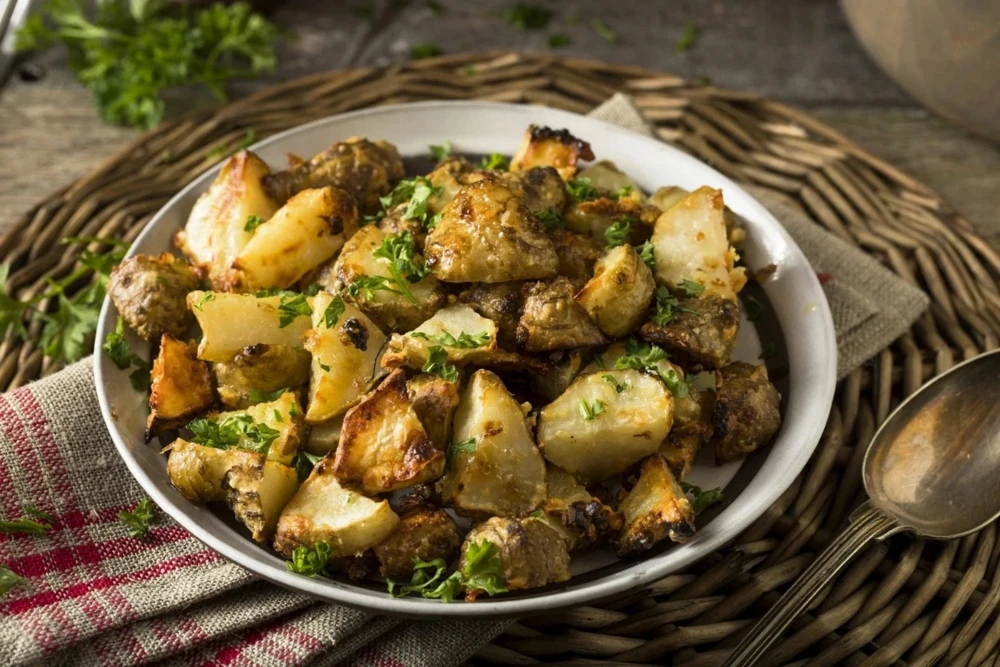
- Edible Tubers: Harvest delicious, nutty-flavored tubers that can be eaten raw, roasted, boiled, or fried. They are a fantastic low-glycemic alternative to potatoes and a good source of inulin, a dietary fiber.
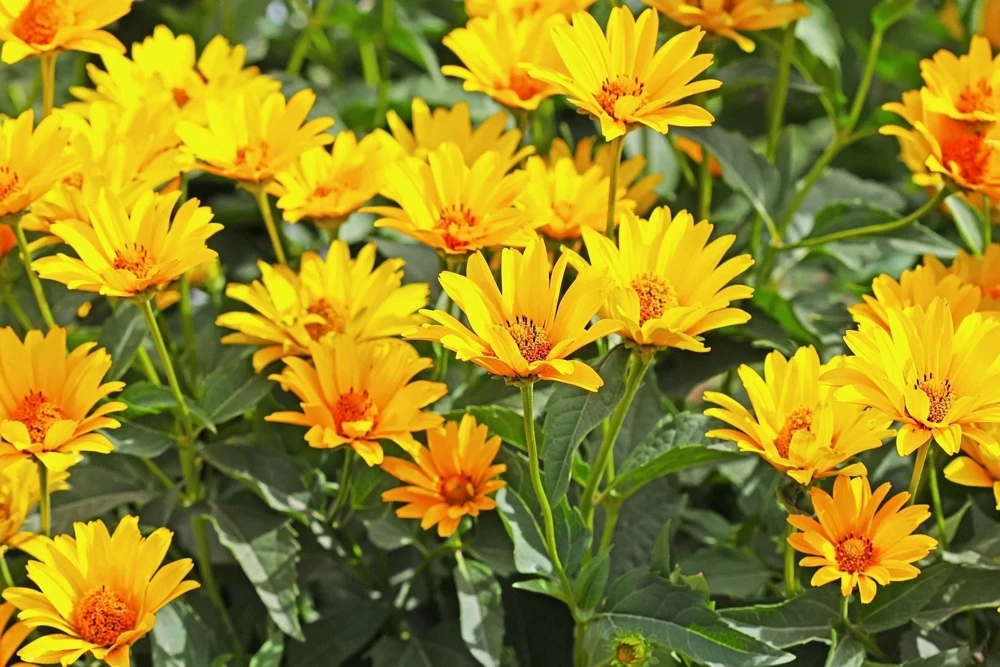
- Beautiful Yellow Flowers: Enjoy a late-season display of bright, sunflower-like yellow flowers that attract pollinators and add a cheerful touch to your garden landscape.
- Easy to Grow:Sunchoke seeds are known for their resilience and require minimal attention once established, making them perfect for beginner gardeners and busy enthusiasts alike. They are generally pest-resistant and tolerate a range of soil types.
- Perennial Plant: Once planted, these Jerusalem Artichokes will return year after year, providing continuous harvests without the need for replanting annually. This makes them a cost-effective and sustainable garden choice.
- High Yield: A single plant can produce a significant amount of tubers, providing a generous harvest for your kitchen or for sharing with friends and family.
- Nutrient-Rich: The tubers are packed with vitamins, minerals, and dietary fiber, contributing to a healthy and balanced diet. They are particularly noted for their inulin content.
- Versatile Use: Beyond the edible tubers, the plants themselves can act as a natural windbreak or privacy screen due to their tall, sturdy growth habit, adding functional value to your garden.
Plant Care & Growing Tips
Cultivating Jerusalem Artichoke seeds is relatively straightforward, as these plants are quite hardy and adaptable. They thrive in full sun, requiring at least 6-8 hours of direct sunlight per day to produce the best tuber yields and robust growth. While they can tolerate partial shade, full sun will lead to more vigorous plants and abundant harvests. The ideal soil for Sunchokes is well-draining loam, but they are remarkably tolerant of various soil types, including sandy or clay soils. Ensure the soil pH is neutral, around 6.0 to 7.0, for optimal growth. Good drainage is crucial to prevent tuber rot, so avoid areas where water tends to sit after rain.
Watering requirements for Helianthus Tuberosus seeds are moderate. Keep the soil consistently moist, especially during dry spells and when the plants are flowering and forming tubers. However, once established, they are quite drought-tolerant. Fertilization is not always necessary, particularly in rich soil, but a balanced, all-purpose fertilizer can be applied in early spring to encourage vigorous growth. Compost or well-rotted manure can also be worked into the soil before planting. These plants are hardy and can withstand a wide range of temperatures, generally thriving in USDA zones 3-9. They are quite cold-tolerant and the tubers can even be left in the ground over winter in many regions.
When it comes to planting, sow your Jerusalem Artichoke seeds in spring after the last frost, about 1/2 inch deep and 6 inches apart, in rows that are 3 feet apart. Thin seedlings to 1-2 feet apart once they are a few inches tall. Be aware that Jerusalem Artichokes can spread aggressively, so consider planting them in a dedicated bed or using root barriers to control their spread. Harvesting typically occurs in the fall after the first hard frost, which sweetens the tubers. Dig them up as needed, as they store best in the ground. Common problems are few, but watch out for powdery mildew in humid conditions, ensuring good air circulation can help prevent this.
Size & Details
This package contains 20 Jerusalem Artichoke seeds, providing a generous start to your garden. Each seed holds the potential to grow into a tall, impressive plant, typically reaching heights of 5 to 10 feet, sometimes even taller, depending on growing conditions and cultivar. The plants produce beautiful yellow flowers that resemble small sunflowers, usually blooming in late summer to early fall. The edible tubers, which are the main harvest, vary in size and shape but generally range from 2 to 4 inches long. These edible tuber seeds are shipped as dry seeds, ready for direct sowing.
Jerusalem Artichokes are fast-growing and can establish quickly, forming dense clumps. The tubers are typically ready for harvest about 120-150 days after planting. They are best harvested after the foliage dies back in the fall, following a few light frosts, which enhances their flavor. These perennial plants will continue to produce year after year from any tubers left in the ground, ensuring a continuous supply of this unique vegetable. They are an excellent choice for creating a natural screen or background planting due to their impressive height and vigorous growth habit.
Frequently Asked Questions
- Q: How big do Jerusalem Artichoke plants get? A: Jerusalem Artichoke plants can grow quite tall, typically reaching heights of 5 to 10 feet, and sometimes even up to 12 feet under ideal growing conditions. Their substantial size makes them suitable for the back of a garden bed or as a natural screen.
- Q: Is this an indoor or outdoor plant? A: Jerusalem Artichokes are primarily outdoor plants. They require ample space and sunlight to thrive and produce tubers. While you could potentially start seeds indoors, they need to be transplanted to an outdoor garden for successful growth.
- Q: How much sunlight do these seeds need to grow? A: For optimal growth and tuber production, Jerusalem Artichoke seeds require full sun, meaning at least 6-8 hours of direct sunlight per day. They can tolerate partial shade, but yields may be reduced.
- Q: Is this plant easy to care for? A: Yes, Jerusalem Artichokes are considered very easy to care for. They are robust, adaptable, and generally pest-resistant, making them an excellent choice for gardeners of all experience levels, including beginners.
- Q: How long until Jerusalem Artichoke tubers are ready for harvest? A: Tubers are typically ready for harvest about 120-150 days after planting the Sunchoke seeds. The best time to harvest is in the fall, after the first hard frost, as this improves their flavor.
- Q: What condition will the seeds arrive in? A: The seeds will arrive as dry, viable seeds, carefully packaged to ensure their quality and readiness for planting. They are not pre-sprouted or in any special medium.
- Q: Can I use Jerusalem Artichokes in cooking? A: Absolutely! The tubers of the Jerusalem Artichoke are highly prized for their culinary versatility. They have a slightly nutty, sweet flavor and can be eaten raw, roasted, boiled, mashed, or added to soups and stews.
- Q: Will Jerusalem Artichokes survive winter in my zone? A: Jerusalem Artichokes are very cold hardy and are perennial in USDA zones 3-9. The tubers can often be left in the ground over winter and will sprout again in spring, even in quite cold climates.
- Q: Do these plants produce yellow flowers? A: Yes, a wonderful benefit of growing Helianthus Tuberosus seeds is the production of cheerful, sunflower-like yellow flowers in late summer and early fall, adding beauty to your garden.
- Q: Are Jerusalem Artichokes invasive? A: Jerusalem Artichokes can spread vigorously via their tubers and can become quite prolific. It’s advisable to plant them in an area where their spread can be managed, or use root barriers to contain them.
Be the first to review “20 Jerusalem Artichoke Seeds – Sunchoke Sunroot Helianthus Tuberosus Yellow Flower Perennial Outdoor”
Related products


Vegetable Seeds
Tendercrisp Celery Seeds – 1000 Count Vegetable Seeds for Garden


Vegetable Seeds
3000 White Boston Lettuce Seeds – Green Butterhead Vegetable, Lactuca Sativa, 6-12″ Tall


You May Like

How to Grow Passion Flower (Passiflora) for Tropical Blooms
Few climbing vines in the home garden command attention quite like the exotic Passion Flower (Passiflora). [...]
Nov

Thanksgiving Cactus Care: How to Get Thanksgiving Cactus to Bloom
Is your Thanksgiving cactus growing well but not giving you any flowers? Maybe it looked [...]
Nov

How to Grow Garlic for a Bountiful Home Harvest
Garlic (Allium sativum) is one of the most satisfying, low-maintenance, and flavor-packed crops you can [...]
Oct

Hardneck vs. Softneck Garlic: Which Should You Grow?
Have you ever stood in front of a seed catalog in mid-September, staring at dozens [...]
1 Comment
Oct

When to Plant Music Garlic: Ultimate US Fall Guide
Have you ever spent your fall weekend placing carefully chosen garlic cloves into rich, dark [...]
1 Comment
Oct

5 Best Bulbs for Fall Planting: Brighten Your Garden This Spring
Are you dreaming of a garden full of vibrant colors in the spring? The key [...]
Aug

10 Houseplants That Will Thrive in Your Kitchen
Are you tired of your kitchen feeling dull and lifeless? Want to add a little [...]
1 Comment
Aug
Reviews
There are no reviews yet.