
3 Chickasaw Plum Tree Starter Plant 12-24″ Tall (Quart Pot) – Prunus angustifolia
Original price was: 82.00 $.52.00 $Current price is: 52.00 $.
Estimated arrival
Nov 26
Dec 01 - Dec 03
Dec 03 - Dec 08
See our Shipping Policy.
Get in touch with us via email, and our team will review your concerns.
Our Alive & Thrive Guarantee covers issues with your plants within the first 30 days. Read our Refund & Returns Policy.
“`json { “meta_title”: “3 Chickasaw Plum Tree Starter Plants 12-24″ Tall – Edible Fruit”, “google_title”: “3 Chickasaw Plum Tree Live Plants 12-24″ Tall – Prunus angustifolia, Outdoor”, “meta_description”: “Grow your own Chickasaw Plum Tree with 3 starter plants, 12-24″ tall. Enjoy fragrant spring flowers, tart edible fruit, and vital wildlife habitat.”, “meta_focus_keyword”: “Chickasaw Plum Tree, Prunus angustifolia, Chickasaw Plum live plant, edible plum tree, wildlife habitat plant”, “categories”: “Trees”, “google_product_category_path”: “Home & Garden> Plants> Trees”, “google_product_category_id”: “unknown”, “short_description”: “
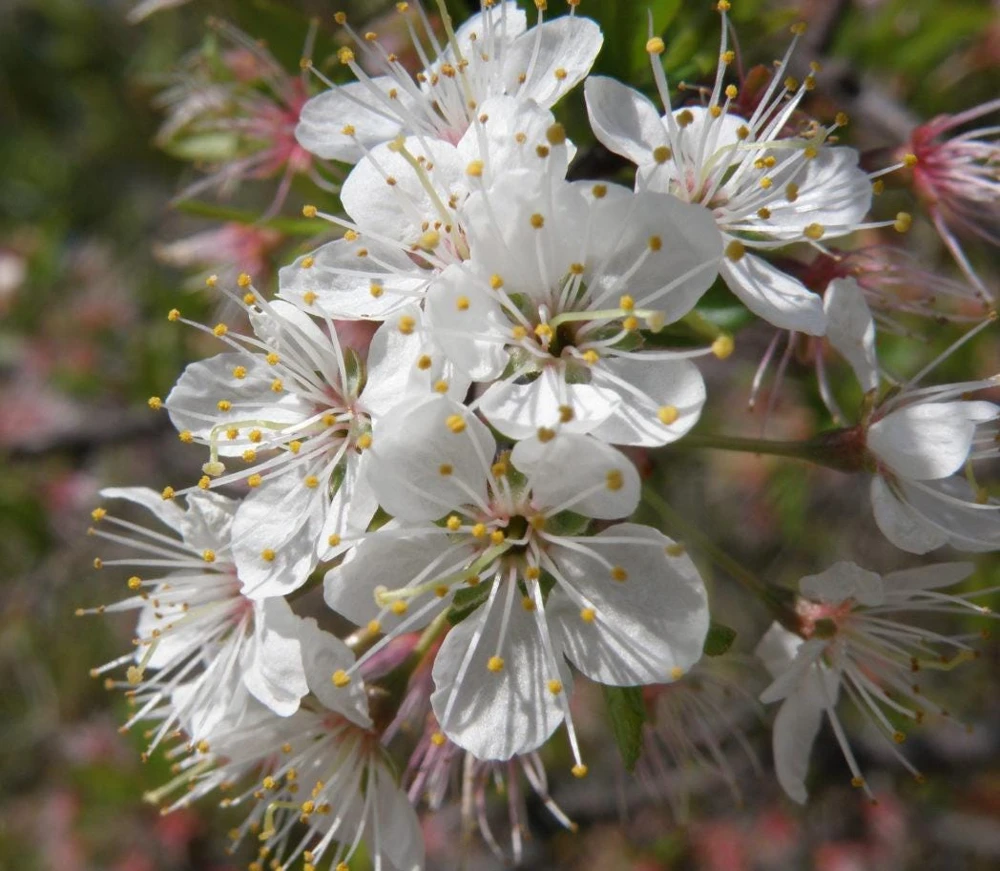
Cultivate your own delicious fruit with this 3-pack of Chickasaw Plum Tree starter plants, each 12-24″ tall. Known for their fragrant white flowers, tart edible fruit, and value as a wildlife habitat, these native North American trees (Prunus angustifolia) are perfect for outdoor landscaping.
“, “long_description”: “
Overview
n
Bring the beauty and bounty of native North America to your garden with this offering of three Chickasaw Plum Tree starter plants. Each plant measures 12-24 inches tall, ready to establish quickly in your landscape. The Chickasaw Plum Tree, scientifically known as Prunus angustifolia, is a versatile and resilient species cherished for its aesthetic appeal, ecological benefits, and delicious fruit. This fast-growing small tree or shrub is a true multi-tasker, providing ornamental value with its early-spring white flowers, sustenance with its tart edible plums, and crucial support for local wildlife. Whether you’re looking to enhance your garden’s biodiversity, create natural barriers, or simply enjoy homegrown fruit, the Chickasaw Plum Tree is an excellent choice for a thriving outdoor environment.
n
These live plants are shipped bare root, ensuring they are ready for planting upon arrival. The Chickasaw Plum Tree is a hardy and adaptable species, making it suitable for a wide range of climates and soil conditions. Its ability to form dense thickets through root suckers makes it ideal for erosion control and providing excellent cover for various wildlife. Embrace the charm and utility of this remarkable native plant in your outdoor space, and watch it transform into a vibrant, productive part of your garden.
n
Key Benefits
n
The Chickasaw Plum Tree offers a wealth of advantages for both gardeners and the environment. Its robust nature and diverse contributions make it a highly desirable addition to any outdoor setting. Here are some of the key benefits you can expect from your Chickasaw Plum Tree:
n
- n
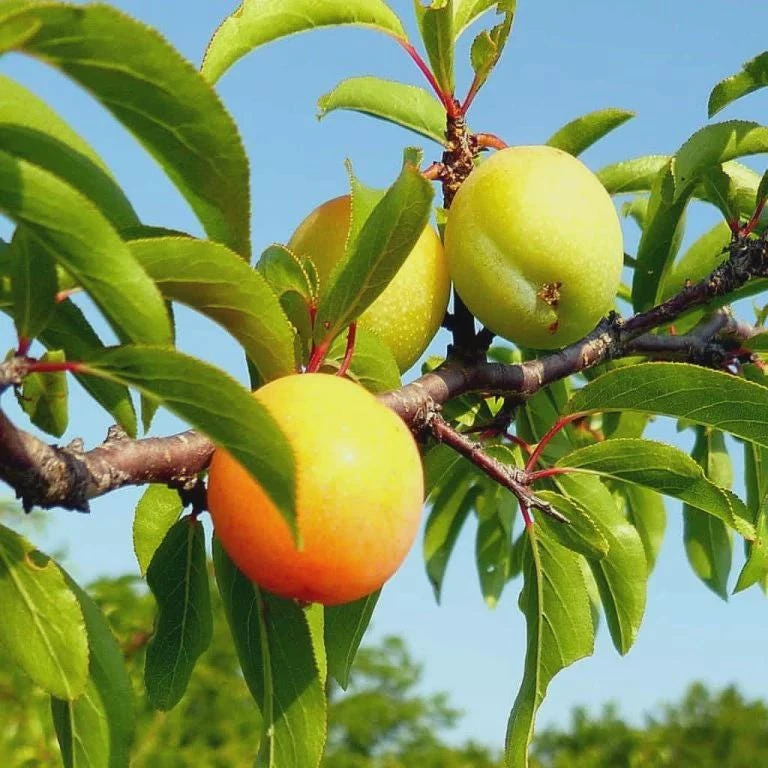
- Delicious Edible Fruit: Enjoy a harvest of tart, flavorful plums that are perfect for fresh eating, jams, jellies, and preserves. The small, reddish-yellow fruit ripens in summer, providing a delightful treat.
- Attracts Wildlife: This tree is a vital food source and habitat for various birds and small mammals, making it an excellent choice for supporting local ecosystems. The dense thickets also provide excellent cover.
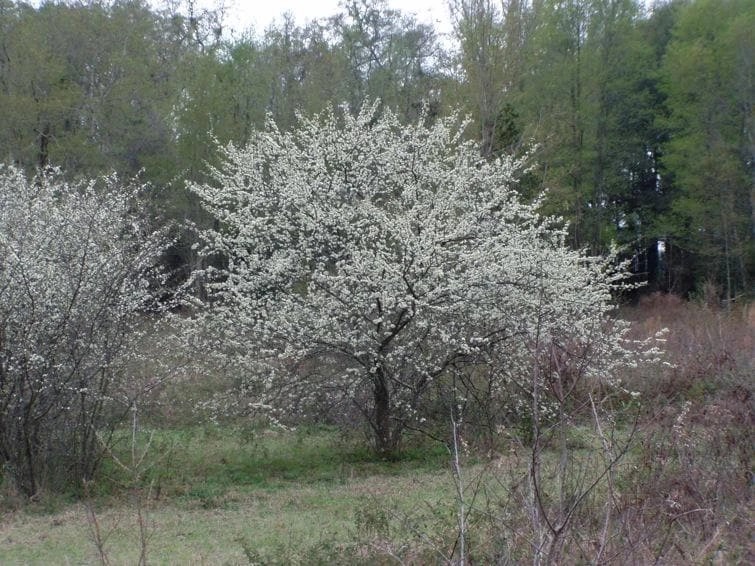
- Beautiful Spring Blooms: In early spring, the Chickasaw Plum Tree is adorned with a profusion of white, fragrant flowers, adding significant ornamental value to your landscape before other plants have even begun to leaf out.
- Erosion Control: Its natural tendency to spread by root suckers and form dense thickets makes it highly effective for stabilizing soil and preventing erosion on slopes or along banks.
- Hardy and Adaptable: Thriving in USDA zones 5 through 9, this tree is remarkably resilient to a variety of conditions, including different soil types and some drought once established. It’s a low-maintenance option for busy gardeners.
- Fast Growing: The Prunus angustifolia grows quickly, allowing you to establish a mature landscape feature in a relatively short amount of time, providing shade, fruit, and habitat sooner.
- Naturalized Appearance: Creates a natural, informal hedge or thicket, perfect for native plant gardens, woodland borders, or wildlife areas, blending seamlessly into the natural landscape.
n
n
n
n
n
n
n
n
Plant Care & Growing Tips
n
Caring for your Chickasaw Plum Tree is straightforward, thanks to its native resilience. These trees are known for their adaptability, but providing optimal conditions will ensure the best growth and fruit production. When planting your Chickasaw Plum Tree, choose a location that receives full sun, meaning at least 6-8 hours of direct sunlight per day. While they can tolerate partial shade, full sun promotes the best flowering and fruiting. Ensure the soil is well-draining, as plums do not like wet feet. They are adaptable to various soil types, including sandy, loamy, and clay soils, as long as drainage is adequate.
n
Water newly planted trees regularly to establish a strong root system. Once established, the Prunus angustifolia is quite drought-tolerant, though consistent moisture during dry periods will benefit fruit development. Fertilization can be done in early spring with a balanced, slow-release fertilizer designed for fruit trees, but often, these native trees thrive with minimal intervention. Pruning should focus on removing dead, damaged, or crossing branches to maintain good air circulation and shape. You can also prune to manage its spreading nature if you prefer a more contained growth habit. The edible plum tree is generally pest and disease resistant, but monitor for common issues and address them promptly.
n
These trees are hardy in USDA zones 5 through 9, making them suitable for a wide range of climates across the United States. They can tolerate cold winters and hot summers. Protection for young trees in extreme cold may be beneficial, but mature trees are quite robust. Remember that the wildlife habitat plant aspect means it will attract birds and other animals, which can be a joy to observe. If you’re looking for a low-maintenance, productive, and ecologically beneficial tree, the Chickasaw Plum Tree is an excellent choice for your garden.
n
Size & Details
n
This offering includes three Chickasaw Plum Tree starter plants, each measuring between 12-24 inches tall at the time of shipment. They are shipped bare root, which is an ideal method for establishing robust, healthy plants in their new environment. These young trees are ready to be planted directly into your garden or a larger container if you prefer to grow them out before permanent placement. The Prunus angustifolia typically grows 6 to 12 feet tall as a mature tree or shrub, but with optimal conditions, it can reach heights of up to 25 feet. It forms a rounded, somewhat “twiggy” mass with slender, reddish branches that can sometimes be thorny.
n
The growth rate of the Chickasaw Plum Tree is considered fast, meaning you will see significant development within a few years. Expect fragrant white flowers to appear in early spring, followed by the development of tart, edible fruit during the summer months. These trees naturally spread by root suckers, forming dense thickets over time, which is excellent for creating naturalized areas, hedges, or for erosion control. Plan for adequate space if you allow it to spread, or manage suckers if you desire a more contained form. This edible plum tree offers both ornamental beauty and a functional yield for your landscape.
n
Frequently Asked Questions
n
- n
- Q: How big does this plant get? A: The Chickasaw Plum Tree typically grows 6 to 12 feet tall, but it can reach up to 25 feet under ideal conditions. It also spreads by root suckers, forming dense thickets.
- Q: What size pot does it come in? A: These are starter plants measuring 12-24 inches tall and are shipped bare root, without a pot, for optimal transplanting into your garden.
- Q: Is this an indoor or outdoor plant? A: The Chickasaw Plum Tree is an outdoor plant, best suited for gardens, landscapes, and naturalized areas. It is not suitable for indoor cultivation.
- Q: How much sunlight does it need? A: This tree thrives in full sun, requiring at least 6-8 hours of direct sunlight per day for the best growth, flowering, and fruit production.
- Q: Is this plant easy to care for? A: Yes, the Prunus angustifolia is known for being a low-maintenance and hardy plant, making it a good choice for both experienced and beginner gardeners.
- Q: What condition will it arrive in? A: Your Chickasaw Plum Tree starter plants will arrive bare root, carefully packaged to ensure their health and readiness for planting upon arrival.
- Q: Can I use the fruit of the Chickasaw Plum Tree for eating? A: Absolutely! The plums are tart but delicious and can be eaten fresh, or used in jams, jellies, pies, and other culinary creations. It’s a great edible plum tree.
- Q: How long until it blooms or produces fruit? A: While growth rates vary, you can typically expect your Chickasaw Plum Tree to begin flowering and fruiting within 2-4 years after planting, depending on care and growing conditions.
- Q: Will it survive winter in my zone? A: This tree is hardy in USDA Zones 5 through 9, indicating good cold tolerance for most of the United States. Ensure proper establishment before its first winter.
- Q: What is the best time to plant these bare root trees? A: The best time to plant bare root Chickasaw Plum Tree plants is typically in early spring, after the danger of hard frost has passed, or in the fall before the ground freezes.
n
n
n
n
n
n
n
n
n
n
“, “key_features”: { “usda_zone”: “USDA zones 5-9”, “soil_type”: “Well-draining soil, adaptable to sandy, loamy, or clay”, “sunlight_exposure”: “Full sun”, “expected_planting_period”: “Early spring to early summer” } } “`
Be the first to review “3 Chickasaw Plum Tree Starter Plant 12-24″ Tall (Quart Pot) – Prunus angustifolia”
Related products


You May Like

How to Grow Passion Flower (Passiflora) for Tropical Blooms
Few climbing vines in the home garden command attention quite like the exotic Passion Flower (Passiflora). [...]
Nov

Thanksgiving Cactus Care: How to Get Thanksgiving Cactus to Bloom
Is your Thanksgiving cactus growing well but not giving you any flowers? Maybe it looked [...]
Nov

How to Grow Garlic for a Bountiful Home Harvest
Garlic (Allium sativum) is one of the most satisfying, low-maintenance, and flavor-packed crops you can [...]
Oct

Hardneck vs. Softneck Garlic: Which Should You Grow?
Have you ever stood in front of a seed catalog in mid-September, staring at dozens [...]
1 Comment
Oct

When to Plant Music Garlic: Ultimate US Fall Guide
Have you ever spent your fall weekend placing carefully chosen garlic cloves into rich, dark [...]
1 Comment
Oct

5 Best Bulbs for Fall Planting: Brighten Your Garden This Spring
Are you dreaming of a garden full of vibrant colors in the spring? The key [...]
Aug

10 Houseplants That Will Thrive in Your Kitchen
Are you tired of your kitchen feeling dull and lifeless? Want to add a little [...]
1 Comment
Aug
Reviews
There are no reviews yet.