
3 Nantahala Red Raspberry Live Plants – Edible Fruit Perennial – Outdoor
Original price was: 79.00 $.49.00 $Current price is: 49.00 $.
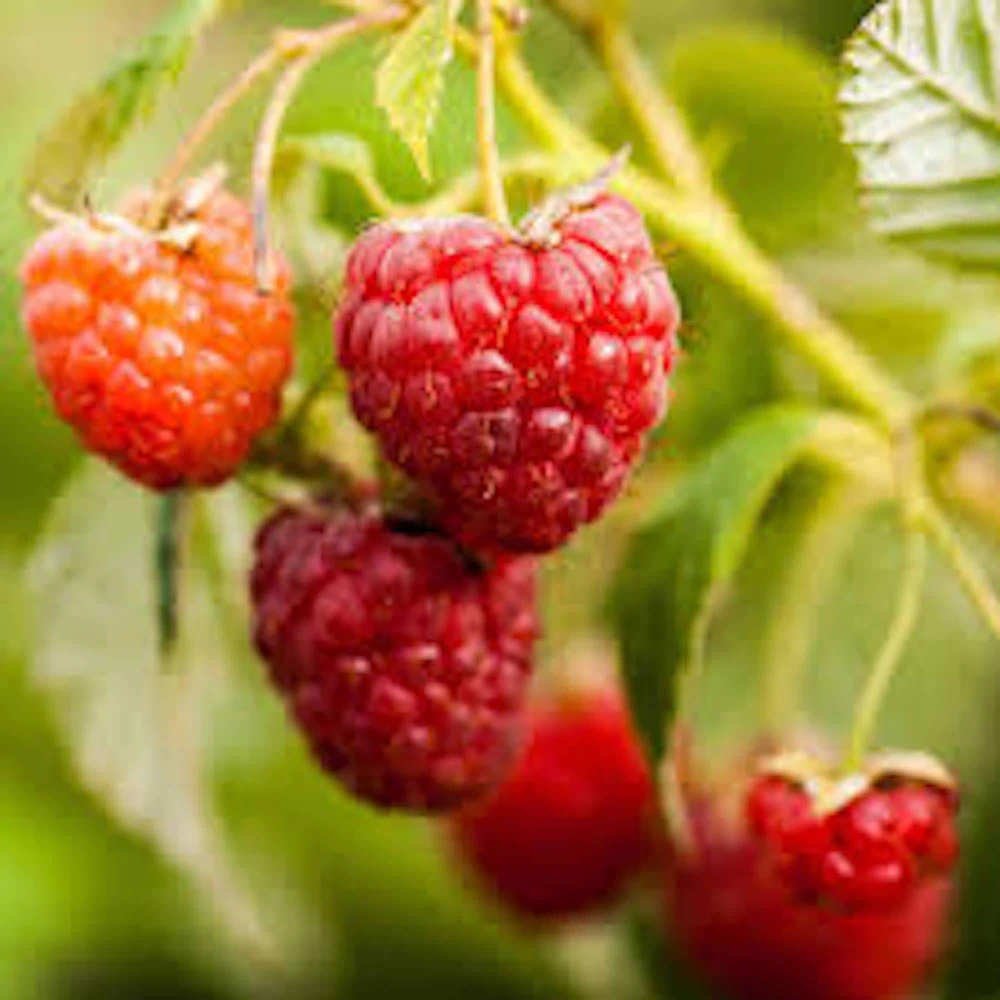
Cultivate your own delicious fruit with 3 Nantahala Red Raspberry plants. These robust perennial plants produce sweet, edible red raspberries from summer to fall, perfect for outdoor gardens. Known for being cold resistant raspberries and thriving in various climates, they are an excellent addition for both novice and experienced gardeners.
Estimated arrival
Nov 27
Dec 02 - Dec 04
Dec 04 - Dec 09
See our Shipping Policy.
Get in touch with us via email, and our team will review your concerns.
Our Alive & Thrive Guarantee covers issues with your plants within the first 30 days. Read our Refund & Returns Policy.
-
USDA Hardiness Zone
USDA Zones 4-9 -
Soil Type
Well-draining, rich in organic matter -
Sunlight Exposure
Full sun -
Expected Planting Period
Early spring
Overview
Bring the joy of home-grown fruit to your garden with our 3 Nantahala Red Raspberry plants. These live starter plants, scientifically known as Rubus idaeus ‘Nantahala’, are a highly sought-after perennial variety prized for their exceptional flavor and extended fruiting season. The ‘Nantahala’ cultivar is renowned for producing a prolific harvest of large, firm, and incredibly sweet red raspberries, typically from late summer into fall. Ideal for backyard growers, these plants are vigorous and relatively easy to establish, making them a fantastic choice for anyone looking to grow red raspberries in their home garden. They are shipped as bare-root starters, ready to be planted and begin their journey to becoming fruit-bearing bushes.
The Nantahala Red Raspberry is a primocane-fruiting variety, meaning it produces fruit on the current season’s canes, simplifying pruning and extending your harvest. This makes it an excellent choice for consistent yields. These plants are well-suited for a wide range of outdoor gardening settings, from small urban plots to expansive rural landscapes. Their adaptability to various climates and their robust nature ensure a rewarding gardening experience, providing fresh, succulent berries for snacking, desserts, jams, and more.
Key Benefits
Investing in Nantahala Red Raspberry plants offers a multitude of benefits for any gardener. Not only do they provide a bountiful harvest of delicious fruit, but they also contribute to the beauty and biodiversity of your outdoor space. Here are some of the key advantages:
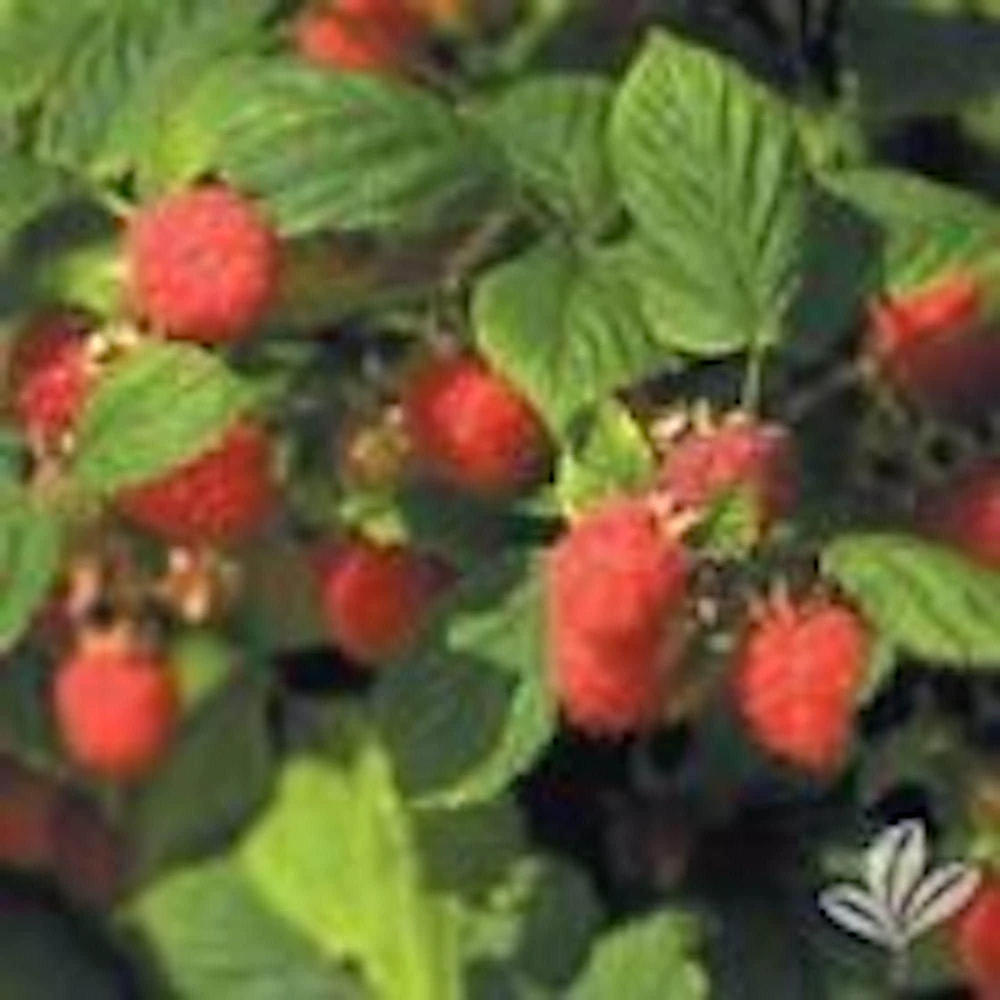
- Abundant Edible Fruit: Enjoy a generous yield of sweet, juicy red raspberries from late summer through fall. These berries are perfect for fresh eating, baking, preserves, or freezing, offering a healthy and delicious snack straight from your garden. Growing your own ensures the freshest, most flavorful fruit possible.
- Extended Harvest Season: As a primocane-fruiting variety, Nantahala raspberries bear fruit on new canes, extending the harvest period well into the fall, long after many other berry varieties have finished. This provides a continuous supply of fresh berries over several months.
- Cold Resistance: These cold resistant raspberries are hardy and can withstand cooler temperatures, making them suitable for a wide range of USDA zones. This resilience ensures they can thrive in various climates, providing reliable fruit production year after year.
- Outdoor Garden Versatility: Perfect for outdoor gardening, these perennial plants can be grown as stand-alone bushes, in rows, or as part of a mixed edible landscape. They are well-suited for various garden styles and can be trained to grow on trellises or supports.
- Air Purifying Qualities: Like many outdoor plants, raspberry bushes contribute to local air quality by absorbing carbon dioxide and releasing oxygen, enhancing the overall health of your garden environment.
- Low Maintenance Perennial: Once established, these edible raspberry perennial plants require relatively low maintenance compared to annual crops. With proper care, they will return year after year, providing ongoing harvests without the need for replanting.
- Attracts Pollinators: The flowers of raspberry plants attract beneficial pollinators like bees, contributing to the health of your garden and local ecosystem, which is vital for fruit production and overall garden vitality.
Plant Care & Growing Tips
Caring for your Nantahala Red Raspberry plants is straightforward, ensuring a successful and fruitful harvest. These plants prefer a location with full sun, meaning at least 6-8 hours of direct sunlight per day. Adequate sunlight is crucial for fruit production and overall plant health. While they can tolerate some partial shade, fruit yields may be reduced. When planting, choose a site with well-draining soil that is rich in organic matter. A slightly acidic to neutral pH (6.0-6.8) is ideal. Amending heavy clay soils with compost or peat moss can significantly improve drainage and fertility.
Watering is critical, especially during dry spells and when the plants are fruiting. Aim for consistent moisture, providing about 1 inch of water per week, either from rain or irrigation. Avoid overhead watering if possible to prevent fungal diseases; drip irrigation or soaker hoses are preferred. The soil should remain consistently moist but not waterlogged, as soggy conditions can lead to root rot. Fertilize your Nantahala Red Raspberry plants in early spring with a balanced granular fertilizer or compost. Follow package instructions for application rates. Pruning is essential for maintaining plant health and maximizing fruit production. For primocane-fruiting varieties like Nantahala, simply cut all canes back to the ground after the fall harvest. This encourages new, fruit-bearing canes to emerge the following spring. These outdoor fruit plants are generally hardy in USDA Zones 4-9, demonstrating good cold resistance.
Size & Details
You will receive 3 Nantahala Red Raspberry plants as bare-root starter plants. These plants are typically dormant upon arrival and will begin to sprout new growth once planted in suitable conditions. Each starter plant is carefully prepared for shipping to ensure its health and viability. The mature size of a Nantahala Red Raspberry bush can reach 4-6 feet in height and spread 2-4 feet wide, depending on growing conditions and pruning practices. They are known for their vigorous growth rate, quickly establishing themselves in the garden.
Expect your edible raspberry perennial plants to begin producing fruit in the first year after planting, with a more substantial harvest in subsequent years. The berries are typically ready for picking from late summer through fall. These plants are shipped without a pot to facilitate safe and efficient transport, minimizing transplant shock. Planting them promptly after arrival will give them the best start for vigorous growth and abundant fruit production. Ensure adequate spacing between plants to allow for good air circulation and growth.
Frequently Asked Questions
- Q: How big do these Nantahala Red Raspberry plants get? A: Mature Nantahala Red Raspberry plants typically grow to be 4-6 feet tall and can spread 2-4 feet wide. Their size can vary depending on growing conditions and how regularly they are pruned.
- Q: Are these an indoor or outdoor plant? A: These are primarily outdoor fruit plants, designed to thrive in garden settings. While they can be started indoors, they require outdoor conditions for optimal growth and fruit production.
- Q: How much sunlight do Nantahala Red Raspberry plants need? A: These plants require full sun, which means at least 6-8 hours of direct sunlight per day, to produce the best fruit yields and maintain vigorous health.
- Q: Is this plant easy to care for, especially for beginners? A: Yes, Nantahala Red Raspberry plants are relatively easy to care for, making them a good choice for beginners. Their primocane-fruiting nature simplifies pruning, and their robust growth habit helps them thrive.
- Q: What condition will the plants arrive in? A: Your 3 Nantahala Red Raspberry plants will arrive as bare-root starter plants. This means they are dormant and shipped without soil or a pot, ready for immediate planting in your garden.
- Q: How long until these plants start producing fruit? A: You can typically expect your edible raspberry perennial plants to begin producing some fruit in their first year after planting, with a more significant harvest in the second year and beyond.
- Q: Will these cold resistant raspberries survive winter in my zone? A: Nantahala Red Raspberry plants are known for being cold resistant raspberries and are hardy in USDA Zones 4-9. They are well-equipped to survive winter in these zones, returning year after year.
- Q: What is the best soil type for growing red raspberries? A: The best soil for these plants is well-draining, rich in organic matter, and has a slightly acidic to neutral pH (6.0-6.8). Good drainage is crucial to prevent root issues.
- Q: When is the best time to plant these raspberry starters? A: The ideal time to plant bare-root raspberry starters is in early spring, after the last frost, to allow them ample time to establish before the summer heat.
- Q: Do I need multiple plants to get fruit? A: While a single Nantahala Red Raspberry plant can produce fruit, planting multiple plants (like the 3 Nantahala Red Raspberry plants provided) will significantly increase your overall yield and ensure better pollination.
Be the first to review “3 Nantahala Red Raspberry Live Plants – Edible Fruit Perennial – Outdoor”
Related products


You May Like

How to Grow Passion Flower (Passiflora) for Tropical Blooms
Few climbing vines in the home garden command attention quite like the exotic Passion Flower (Passiflora). [...]
Nov

Thanksgiving Cactus Care: How to Get Thanksgiving Cactus to Bloom
Is your Thanksgiving cactus growing well but not giving you any flowers? Maybe it looked [...]
Nov

How to Grow Garlic for a Bountiful Home Harvest
Garlic (Allium sativum) is one of the most satisfying, low-maintenance, and flavor-packed crops you can [...]
Oct

Hardneck vs. Softneck Garlic: Which Should You Grow?
Have you ever stood in front of a seed catalog in mid-September, staring at dozens [...]
1 Comment
Oct

When to Plant Music Garlic: Ultimate US Fall Guide
Have you ever spent your fall weekend placing carefully chosen garlic cloves into rich, dark [...]
1 Comment
Oct

5 Best Bulbs for Fall Planting: Brighten Your Garden This Spring
Are you dreaming of a garden full of vibrant colors in the spring? The key [...]
Aug

10 Houseplants That Will Thrive in Your Kitchen
Are you tired of your kitchen feeling dull and lifeless? Want to add a little [...]
1 Comment
Aug
Reviews
There are no reviews yet.