
5 Chickasaw Plum Tree Starter Plant 12-24″ Tall (Quart Pot) – Prunus angustifolia
Original price was: 96.00 $.66.00 $Current price is: 66.00 $.
Estimated arrival
Nov 26
Dec 01 - Dec 03
Dec 03 - Dec 08
See our Shipping Policy.
Get in touch with us via email, and our team will review your concerns.
Our Alive & Thrive Guarantee covers issues with your plants within the first 30 days. Read our Refund & Returns Policy.
“`json { “meta_title”: “5 Chickasaw Plum Tree Starter Plants 12-24″ Tall – Edible Fruit”, “google_title”: “5 Chickasaw Plum Tree Live Plants 12-24″ Tall – Outdoor Edible Fruit”, “meta_description”: “Grow 5 Chickasaw Plum Trees, native fast-growing live plants producing tart edible fruit. Ideal for wildlife habitat and erosion control.”, “meta_focus_keyword”: “Chickasaw Plum Tree live plant, Prunus angustifolia starter, native plum tree, edible fruit tree, wildlife habitat plant”, “categories”: “Trees”, “google_product_category_path”: “Home & Garden> Plants> Trees”, “google_product_category_id”: “unknown”, “short_description”: “
Cultivate 5 Chickasaw Plum Tree live plants, each 12-24″ tall, perfect for your garden or landscape. This native plum tree (Prunus angustifolia) is a fast-growing, small tree or shrub known for its beautiful white flowers and tart, edible fruit. It’s an excellent choice for creating wildlife habitats and providing natural erosion control.
“, “long_description”: “
Overview
n
Introduce a touch of native beauty and ecological value to your landscape with this offering of 5 Chickasaw Plum Tree live plants. Each plant measures 12-24″ tall and is ready to establish in your garden. The Chickasaw plum, scientifically known as Prunus angustifolia, is a remarkable North American native species celebrated for its rapid growth and versatility. It transitions beautifully from fragrant white flowers in early spring to a bounty of tart, edible fruits in summer. Beyond its aesthetic appeal and delicious harvest, this Prunus angustifolia starter plant plays a crucial role in supporting local ecosystems, making it a valuable addition for any environmentally conscious gardener or landscaper. Its robust nature and adaptability ensure it thrives in a variety of settings, bringing both charm and utility to your outdoor space.
nn
Key Benefits
n
The Chickasaw Plum Tree live plant offers a multitude of benefits, making it an excellent choice for a diverse range of landscaping and ecological goals. From its beautiful seasonal display to its practical applications, this tree is a true asset.
n
- n
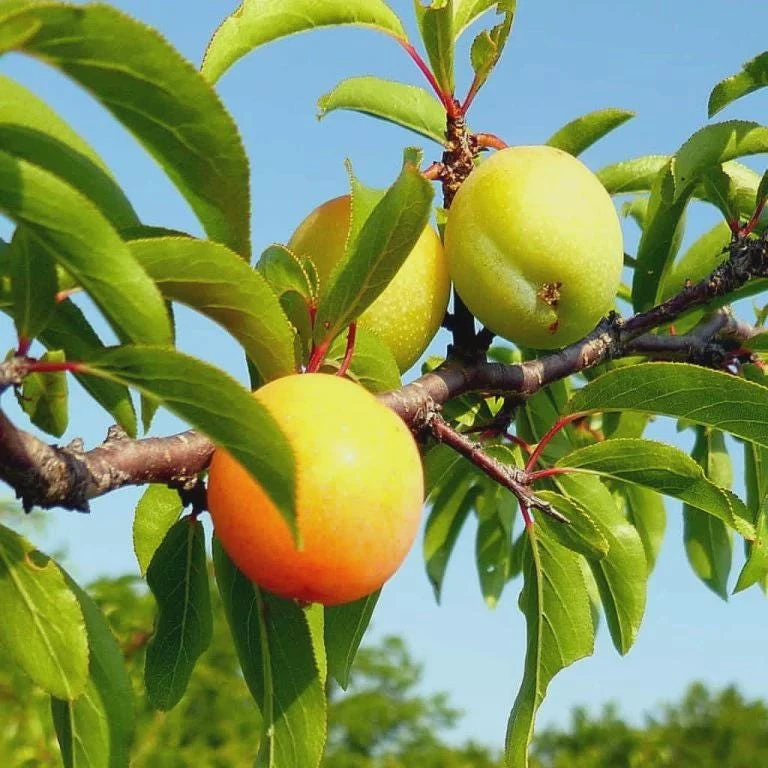
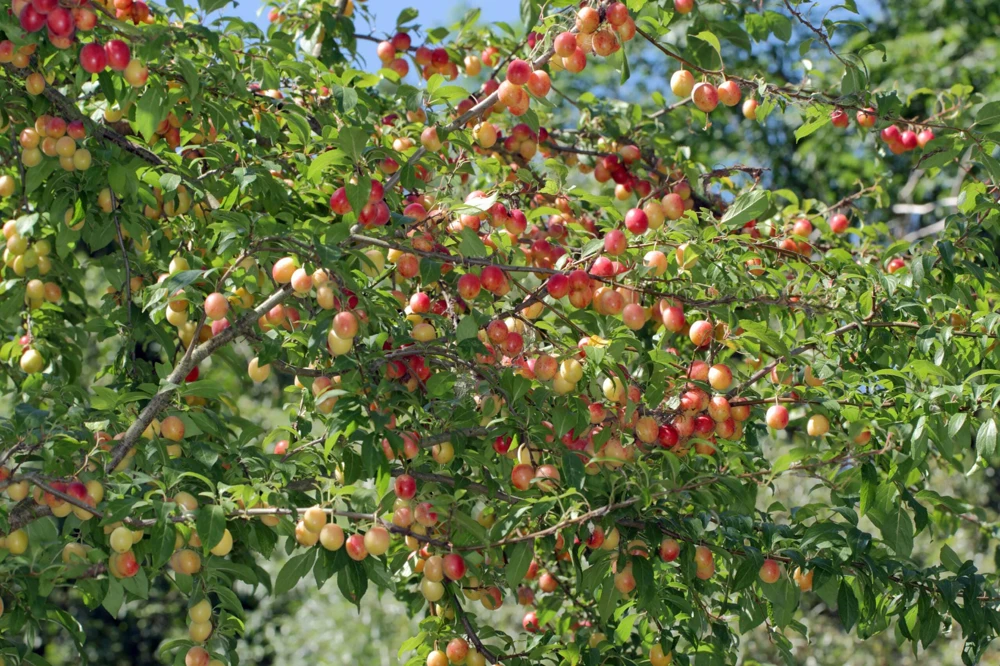
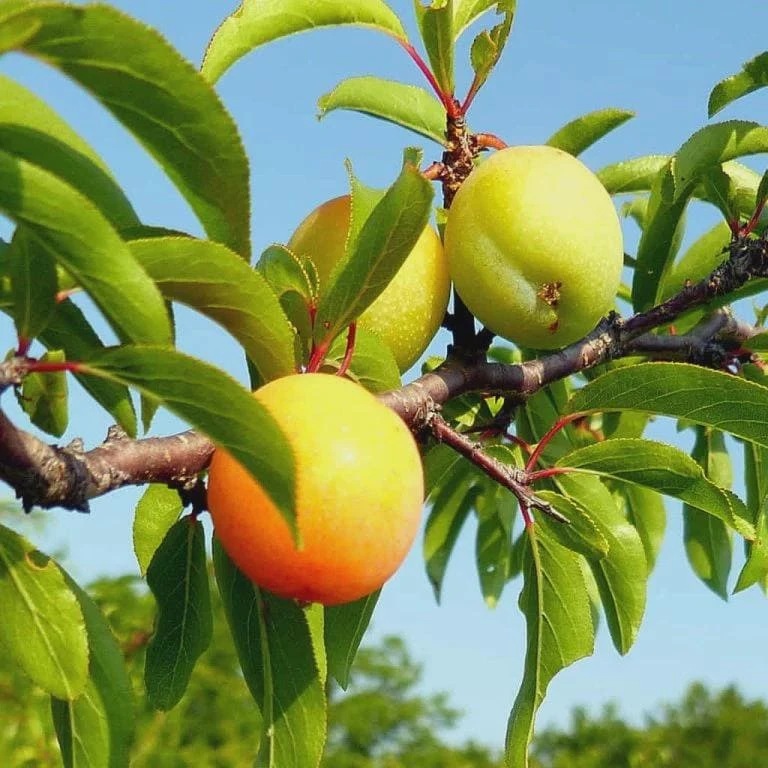
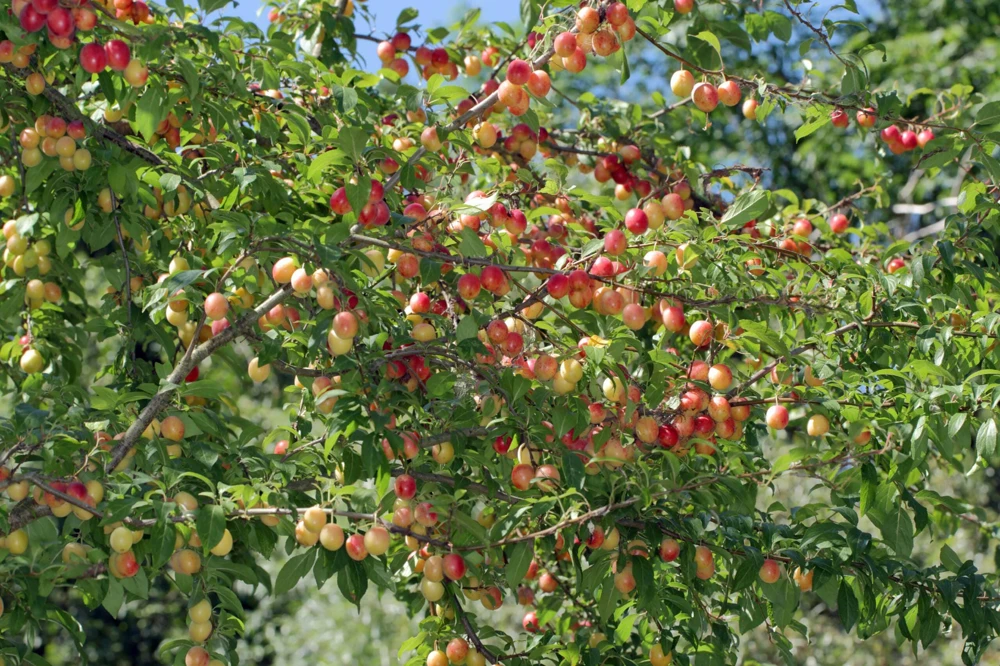
- Edible Fruit Production: Enjoy a seasonal harvest of tart, flavorful plums that are perfect for fresh eating, jams, jellies, and sauces. These small, round fruits mature in summer and are a delightful treat.
- Wildlife Habitat Enhancement: The Chickasaw plum provides essential food and shelter for various wildlife, including birds and small mammals, making it an excellent wildlife habitat plant. Its dense thickets offer protection and nesting sites.
- Erosion Control: With its natural tendency to spread by root suckers and form dense thickets, this native plum tree is highly effective at stabilizing soil and preventing erosion, especially on slopes or disturbed areas.
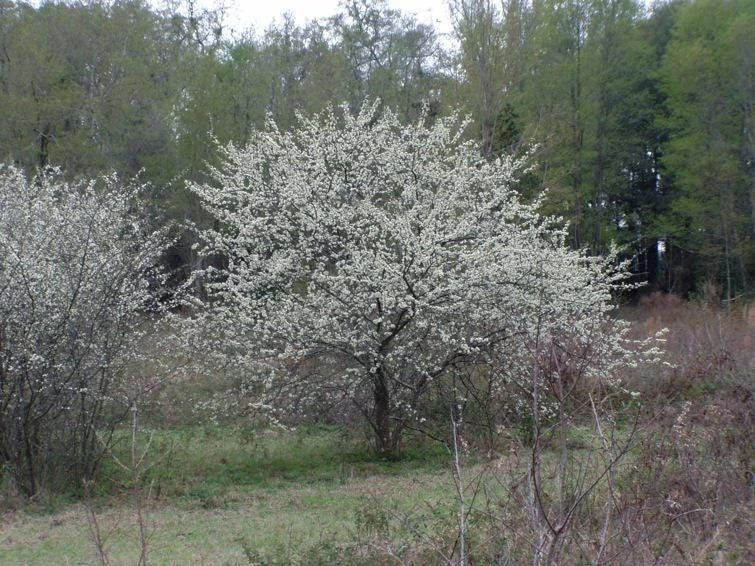
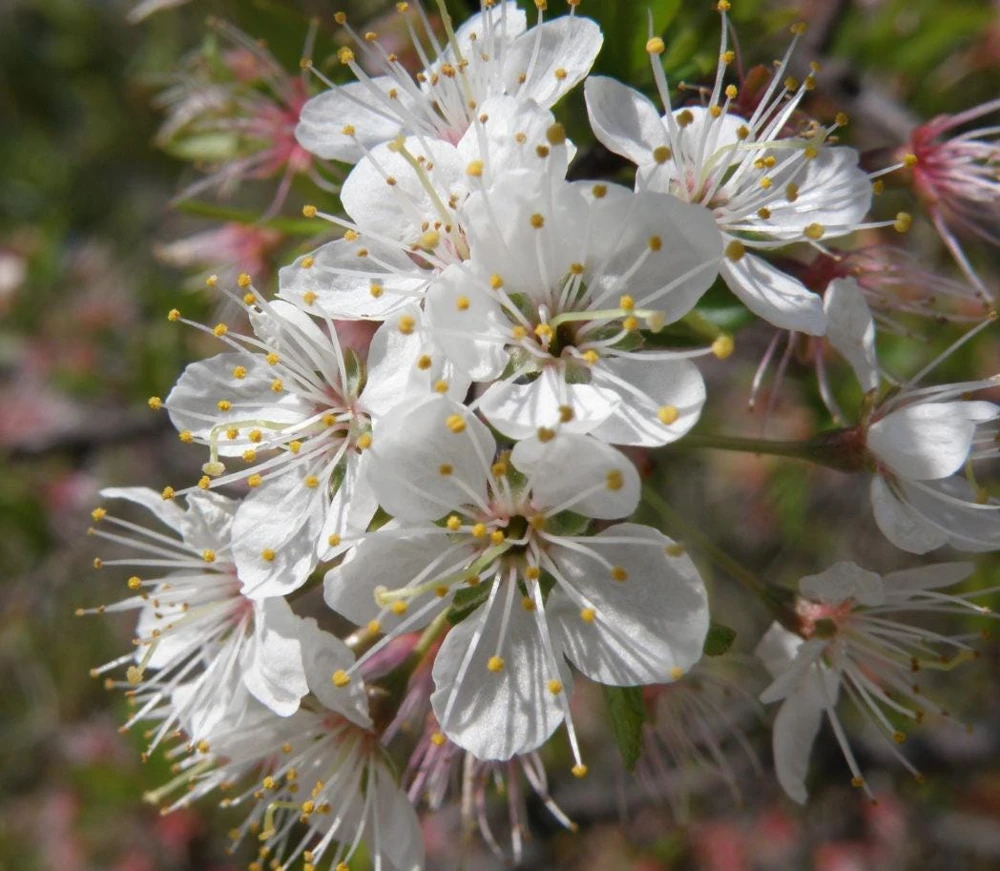
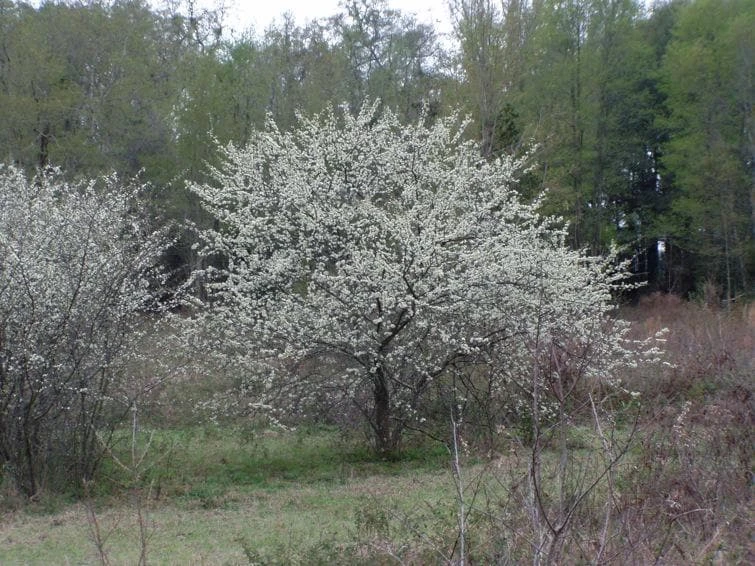
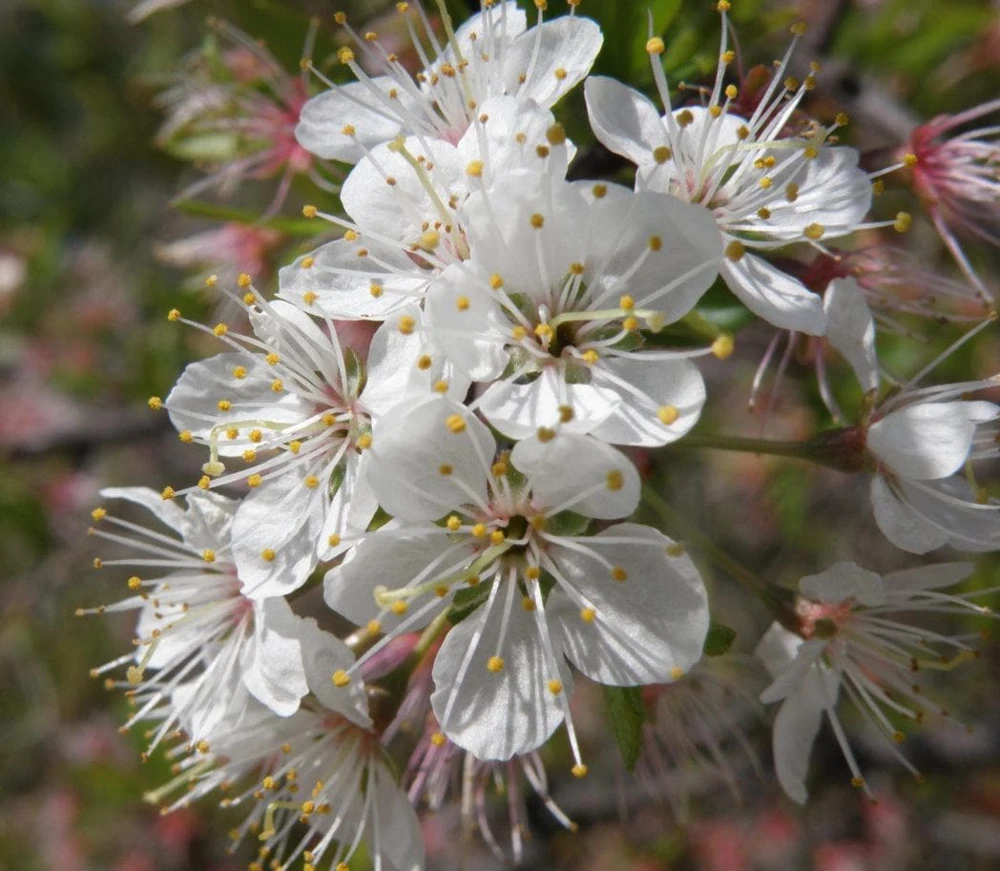
- Attractive Spring Blooms: In early spring, the tree is adorned with a profusion of white, fragrant flowers, creating a stunning visual display and attracting pollinators. These blooms are an early sign of spring’s arrival.
- Adaptable and Hardy: This species is remarkably resilient, thriving in a wide range of conditions and hardy in USDA zones 5 through 9. Its ability to tolerate various soil types and climates makes it a low-maintenance choice.
- Fast Growing: Known for its vigorous growth rate, the Chickasaw plum quickly establishes itself, providing rapid landscaping solutions and quicker enjoyment of its benefits. This Prunus angustifolia starter will grow quickly.
- Naturalized Appearance: Its “twiggy” form and spreading habit create a natural, informal look, ideal for naturalized areas, woodland edges, or as part of a native plant garden.
n
n
n
n
n
n
n
nn
Plant Care & Growing Tips
n
Caring for your Chickasaw Plum Tree live plant is relatively straightforward, given its native hardiness. These plants are quite adaptable but will perform best with proper attention to their specific needs. For optimal growth and fruit production, ensure they receive ample sunlight. Chickasaw plums thrive in full sun, meaning at least 6-8 hours of direct sunlight per day. While they can tolerate partial shade, fruit production may be reduced. When planting, choose a location with well-draining soil. They are not particular about soil type and can grow in sandy, loamy, or clay soils, as long as drainage is adequate. Avoid consistently waterlogged conditions, which can lead to root rot.
nn
Watering should be consistent during the first growing season to help establish a strong root system. Once established, the native plum tree is quite drought-tolerant, though supplemental watering during prolonged dry spells will benefit fruit development. Fertilization is generally not heavily required for this resilient native. A light application of a balanced, slow-release fertilizer in early spring can promote vigorous growth, especially in poor soils. Pruning can be done in late winter or early spring to remove dead or diseased branches, improve air circulation, and shape the tree. This helps maintain the health and productivity of your edible fruit tree. The Chickasaw plum is hardy in USDA zones 5 through 9, tolerating a wide range of winter temperatures. Ensure adequate spacing if you desire a thicket, as it spreads by root suckers.
nn
Size & Details
n
This offering includes 5 Chickasaw Plum Tree live plants, each standing approximately 12-24 inches tall (with a minimum height of 12-18 inches upon shipment). These are healthy starter plants, typically shipped in quart pots, ready for transplanting into your garden or larger containers. The Chickasaw plum is a fast-growing species that typically reaches a mature height of 6 to 12 feet, though it can grow up to 25 feet under ideal conditions. It forms a rounded, somewhat “twiggy” mass with slender, reddish branches that can sometimes be thorny. Its natural spreading habit by root suckers contributes to its effectiveness for erosion control and creating dense thickets, making it an excellent Prunus angustifolia starter for establishing a naturalized area. Expect flowers in early spring, followed by tart, edible fruits in the summer months.
nn
Frequently Asked Questions
n
- n
- Q: How big does this plant get? A: A Chickasaw Plum Tree live plant typically grows 6 to 12 feet tall, but it can reach up to 25 feet under optimal growing conditions. It also spreads by root suckers to form thickets.
- Q: What size pot does it come in? A: These Prunus angustifolia starter plants are typically shipped in quart-sized pots, ensuring a healthy root system for successful transplanting.
- Q: Is this an indoor or outdoor plant? A: The Chickasaw Plum Tree is an outdoor plant, best suited for gardens, landscapes, and naturalized areas. It requires full sun exposure to thrive.
- Q: How much sunlight does it need? A: This native plum tree requires full sun, meaning at least 6-8 hours of direct sunlight per day, for the best growth and fruit production.
- Q: Is this plant easy to care for? A: Yes, the Chickasaw Plum Tree is known for its hardiness and relatively low maintenance once established, making it a good choice for various gardening skill levels.
- Q: What condition will it arrive in? A: Your edible fruit tree will arrive as a healthy, live starter plant, carefully packaged to ensure its safety during transit and ready for planting.
- Q: Can I use the fruit of the Chickasaw Plum? A: Absolutely! The fruit of the Chickasaw Plum is tart and edible, often used for making jams, jellies, sauces, or enjoyed fresh if you appreciate a tart flavor.
- Q: How long until it blooms or produces fruit? A: As a fast-growing species, your wildlife habitat plant may begin to flower and produce fruit within a few years of planting, depending on growing conditions and maturity.
- Q: Will it survive winter in my zone? A: Yes, the Chickasaw Plum Tree is remarkably hardy and thrives in USDA Zones 5 through 9, making it suitable for a wide range of climates.
- Q: What type of soil does it prefer? A: While adaptable to various soil types, the Chickasaw Plum prefers well-draining soil. It can tolerate sandy, loamy, or clay soils as long as they are not waterlogged.
n
n
n
n
n
n
n
n
n
n
“, “key_features”: { “usda_zone”: “USDA zones 5-9”, “soil_type”: “Well-draining soil”, “sunlight_exposure”: “Full sun”, “expected_planting_period”: “Spring to early summer” } } “`
Be the first to review “5 Chickasaw Plum Tree Starter Plant 12-24″ Tall (Quart Pot) – Prunus angustifolia”
Related products


You May Like

How to Grow Passion Flower (Passiflora) for Tropical Blooms
Few climbing vines in the home garden command attention quite like the exotic Passion Flower (Passiflora). [...]
Nov

Thanksgiving Cactus Care: How to Get Thanksgiving Cactus to Bloom
Is your Thanksgiving cactus growing well but not giving you any flowers? Maybe it looked [...]
Nov

How to Grow Garlic for a Bountiful Home Harvest
Garlic (Allium sativum) is one of the most satisfying, low-maintenance, and flavor-packed crops you can [...]
Oct

Hardneck vs. Softneck Garlic: Which Should You Grow?
Have you ever stood in front of a seed catalog in mid-September, staring at dozens [...]
1 Comment
Oct

When to Plant Music Garlic: Ultimate US Fall Guide
Have you ever spent your fall weekend placing carefully chosen garlic cloves into rich, dark [...]
1 Comment
Oct

5 Best Bulbs for Fall Planting: Brighten Your Garden This Spring
Are you dreaming of a garden full of vibrant colors in the spring? The key [...]
Aug

10 Houseplants That Will Thrive in Your Kitchen
Are you tired of your kitchen feeling dull and lifeless? Want to add a little [...]
1 Comment
Aug
Reviews
There are no reviews yet.