
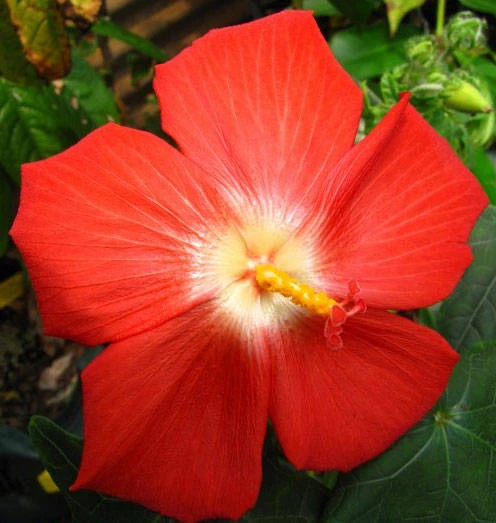
Abelmoschus Moschatus Seeds – Ambrette Annual Hibiscus – 20 Seeds
Original price was: 48.91 $.19.91 $Current price is: 19.91 $.
Grow your own fragrant Abelmoschus moschatus seeds, known for their captivating scent and beautiful blooms. Also called Ambrette or Annual Hibiscus seeds, these plants are versatile, offering edible leaves, roots, and seeds, and attracting pollinators to your garden. Perfect for culinary experiments and ornamental display.
Estimated arrival
Nov 26
Dec 01 - Dec 03
Dec 03 - Dec 08
See our Shipping Policy.
Get in touch with us via email, and our team will review your concerns.
Our Alive & Thrive Guarantee covers issues with your plants within the first 30 days. Read our Refund & Returns Policy.
-
USDA Hardiness Zone
USDA Hardiness Zones 9 to 11 (tender perennial), annual elsewhere -
Soil Type
Well-draining, rich, fertile soil -
Sunlight Exposure
Full sun -
Expected Planting Period
Spring, after last frost
Overview
Introduce a touch of exotic fragrance and beauty to your garden with Abelmoschus moschatus seeds. Known by many names, including Abelmosk, Ambrette, Annual Hibiscus seeds, Bamia Moschata, Galu Gasturi, muskdana, musk mallow seeds, musk okra, musk seeds, ornamental okra seeds, rose mallow seeds, tropical jewel hibiscus, and Yorka okra, this plant is a true multi-tasker. Native to India, Abelmoschus moschatus is celebrated for its highly fragrant nature, which historically made its seed oil a prized component in perfumes. While less common for perfumery today due to cost, its appeal as a garden specimen and culinary ingredient remains strong. These seeds promise to grow into vibrant plants that offer both aesthetic pleasure and practical uses, making them an excellent choice for any enthusiast looking to expand their botanical horizons.
This offering provides high-quality Abelmoschus moschatus seeds, ready for you to cultivate. Whether you’re a seasoned gardener or just starting out, these seeds are a fantastic way to experience the unique charm of this plant. The resulting plants are not only visually appealing but also provide a delightful aroma that will enhance any outdoor space. Consider adding these versatile seeds to your collection for a rewarding growing experience.
Key Benefits
Cultivating Abelmoschus moschatus seeds offers a multitude of benefits, from their aromatic qualities to their diverse utility. These plants are a wonderful addition to any garden or culinary repertoire.
- Aromatic Appeal: The plants grown from Abelmoschus moschatus seeds produce a distinct and pleasant fragrance, adding an exotic scent to your garden and attracting beneficial insects.
- Culinary Versatility: Almost every part of the plant is edible. The leaves, roots, seeds, and seedpods can all be used in various culinary applications, offering unique flavors and textures.
- Pollinator Attraction: The vibrant flowers of the Annual Hibiscus are a magnet for local wildlife, including many different birds, bees, and butterflies, contributing to a healthy ecosystem.
- Edible Seeds: The seeds themselves are a culinary delight, tasting similar to sesame seeds. They can be fried, roasted, or even used as a coffee flavoring, adding a gourmet touch to your dishes.
- Nutritional Value: The leaves and new shoots can be eaten as vegetables, providing a fresh and healthy addition to salads or cooked meals. Unripened seedpods are also a tasty boiled vegetable.
- Traditional Uses: Historically, the oil from these seeds was used in perfumes, and the leaves were employed to clarify sugar. The flowers can even be used to flavor tobacco.
- Adaptable Growth: These plants can be grown as an annual in most climates and are tender perennials in USDA Hardiness Zones 9 to 11, making them adaptable to various growing conditions.
Plant Care & Growing Tips
Growing Abelmoschus moschatus seeds successfully requires attention to a few key environmental factors. This plant thrives in warm conditions and well-draining soil. For optimal growth, provide a location with full sun exposure, meaning at least 6-8 hours of direct sunlight per day. If you are in a very hot climate, some afternoon shade can be beneficial to prevent scorching, especially for younger plants. Planting these Ambrette seeds in rich, fertile soil that drains well is crucial to prevent root rot. Incorporating organic matter, such as compost, will significantly improve soil structure and nutrient content, providing an ideal environment for your musk mallow seeds to flourish.
Watering should be consistent, especially during dry spells and when the plants are actively growing and flowering. The soil should be kept moist but not waterlogged. Allow the top inch or two of soil to dry out slightly between waterings. As for temperature, these plants prefer warm conditions and are sensitive to frost. They can be grown as annuals in cooler climates, completing their life cycle within one growing season. In warmer regions (USDA Hardiness Zones 9 to 11), they can persist as tender perennials. Fertilize regularly with a balanced all-purpose fertilizer during the growing season to support robust growth and abundant flowering from your ornamental okra seeds. Watch out for common garden pests, though Abelmoschus moschatus is generally quite resilient. Good air circulation can help prevent fungal issues.
Starting your Abelmoschus moschatus seeds indoors a few weeks before the last frost can give them a head start, especially in regions with shorter growing seasons. Transplant them outdoors once all danger of frost has passed and the soil has warmed up. Regular deadheading of spent flowers will encourage more blooms and prevent the plant from putting all its energy into seed production too early. This will ensure a continuous display of beautiful flowers and a steady supply of fresh, edible leaves and pods. Following these guidelines will help you cultivate healthy and productive Annual Hibiscus seeds plants.
Size & Details
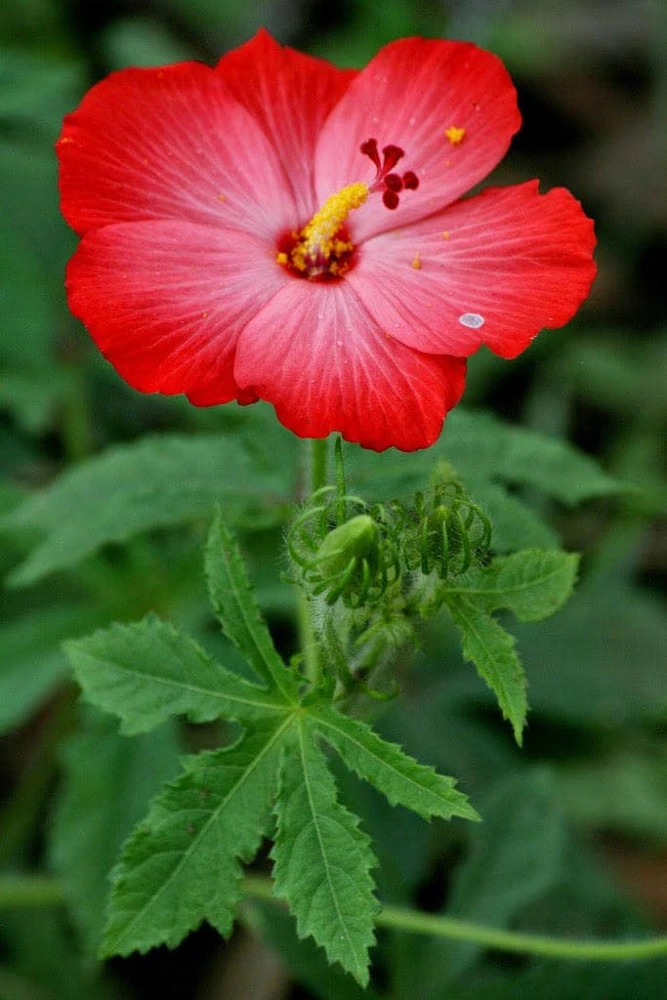
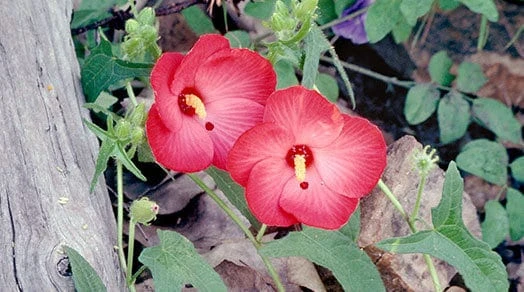
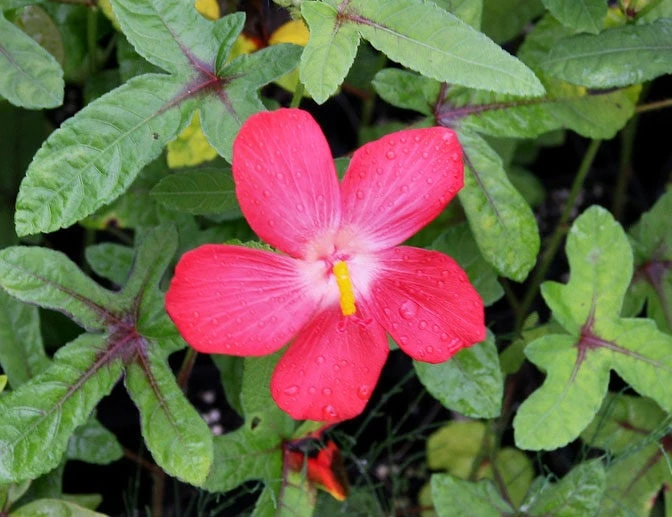
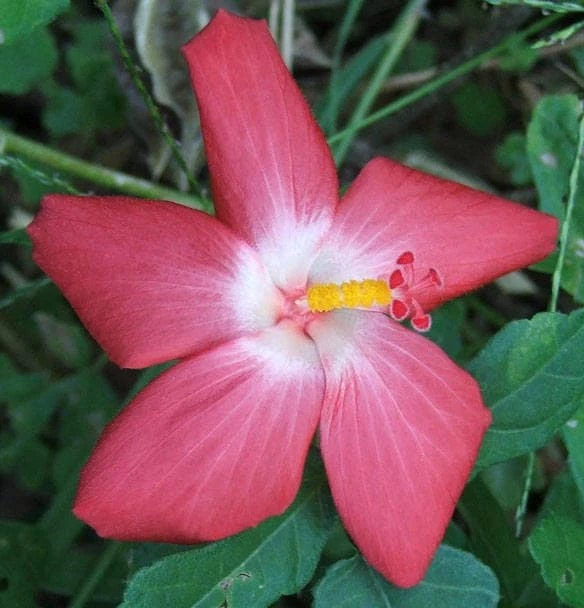
This package contains 20 high-quality Abelmoschus moschatus seeds, offering a generous start to your garden project. Each seed has the potential to grow into a robust plant, typically reaching heights of 3 to 6 feet (approximately 90 to 180 cm) with a similar spread, depending on growing conditions and climate. The plants produce beautiful, hibiscus-like flowers, often pale yellow with a dark center, contributing to their appeal as ornamental okra seeds. These seeds are shipped as a dry seed packet, ready for planting. Expect germination within 10-21 days under ideal conditions, with the first blooms appearing in mid-summer, continuing until the first frost. The rapid growth rate makes them a rewarding choice for gardeners looking for quick results.
The plants grown from these Ambrette seeds are known for their strong, upright habit, making them suitable for mixed borders or as a focal point in a garden bed. The seedpods mature after flowering, providing a continuous harvest of edible parts throughout the season. These musk mallow seeds are a fantastic way to introduce a unique and beneficial plant into your home garden, offering both ornamental beauty and culinary uses from a single packet of seeds.
Frequently Asked Questions
- Q: How big does this plant get? A: The Abelmoschus moschatus plant typically grows to a height of 3 to 6 feet and can have a similar spread, creating a substantial presence in your garden. Its size can vary based on growing conditions and climate.
- Q: Is this an indoor or outdoor plant? A: While primarily grown outdoors as an annual in most regions, Abelmoschus moschatus can be a tender perennial in USDA Hardiness Zones 9 to 11. It is best suited for outdoor cultivation to allow for its full growth potential.
- Q: How much sunlight does it need? A: For optimal growth and flowering, plants grown from Abelmoschus moschatus seeds require full sun exposure, meaning at least 6 to 8 hours of direct sunlight per day.
- Q: Is this plant easy to care for? A: Yes, Abelmoschus moschatus is considered relatively easy to care for, especially when provided with adequate sunlight, well-draining soil, and consistent watering. It’s a great choice for both novice and experienced gardeners.
- Q: Can I use the seeds in cooking? A: Absolutely! The Ambrette seeds are edible and taste similar to sesame seeds. They can be fried, roasted, or used as a flavoring in various recipes, including coffee.
- Q: How long until it blooms? A: After planting your Annual Hibiscus seeds, you can typically expect the first blooms to appear in mid-summer, with flowering continuing until the first frost.
- Q: What condition will the seeds arrive in? A: Your Abelmoschus moschatus seeds will arrive as a packet of dry seeds, carefully packaged to ensure their viability and readiness for planting.
- Q: What’s the best time to plant these seeds? A: The best time to plant Abelmoschus moschatus seeds is after the last danger of frost has passed in your region and the soil has warmed up. For a head start, you can begin germinating them indoors a few weeks prior.
- Q: Will it survive winter in my zone? A: In USDA Hardiness Zones 9 to 11, Abelmoschus moschatus can survive winter as a tender perennial. In colder zones, it is typically grown as an annual.
- Q: Are these plants good for attracting pollinators? A: Yes, the flowers of Abelmoschus moschatus are known to attract a variety of pollinators, including birds, bees, and butterflies, making them a beneficial addition to a wildlife-friendly garden.
Be the first to review “Abelmoschus Moschatus Seeds – Ambrette Annual Hibiscus – 20 Seeds”
Related products


Flower Seeds
Blue Stock Matthiola Incana Seeds – 50 Fragrant Gillyflower Seeds – Ten-Week Blue Stock

You May Like

How to Grow Passion Flower (Passiflora) for Tropical Blooms
Few climbing vines in the home garden command attention quite like the exotic Passion Flower (Passiflora). [...]
Nov

Thanksgiving Cactus Care: How to Get Thanksgiving Cactus to Bloom
Is your Thanksgiving cactus growing well but not giving you any flowers? Maybe it looked [...]
Nov

How to Grow Garlic for a Bountiful Home Harvest
Garlic (Allium sativum) is one of the most satisfying, low-maintenance, and flavor-packed crops you can [...]
Oct

Hardneck vs. Softneck Garlic: Which Should You Grow?
Have you ever stood in front of a seed catalog in mid-September, staring at dozens [...]
1 Comment
Oct

When to Plant Music Garlic: Ultimate US Fall Guide
Have you ever spent your fall weekend placing carefully chosen garlic cloves into rich, dark [...]
1 Comment
Oct

5 Best Bulbs for Fall Planting: Brighten Your Garden This Spring
Are you dreaming of a garden full of vibrant colors in the spring? The key [...]
Aug

10 Houseplants That Will Thrive in Your Kitchen
Are you tired of your kitchen feeling dull and lifeless? Want to add a little [...]
1 Comment
Aug
Reviews
There are no reviews yet.