
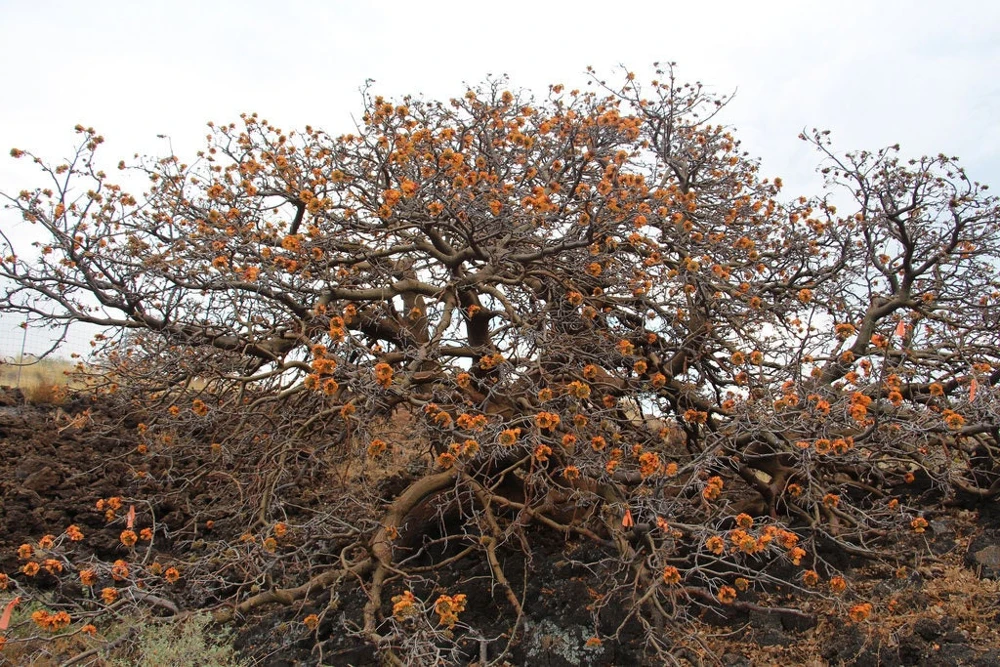
Adenanthera Pavonina Seeds – Red-Bead Tree, False Wiliwili, 10 Seeds
Original price was: 40.91 $.11.91 $Current price is: 11.91 $.
Cultivate the striking Adenanthera pavonina seeds, also known as the Red-Bead Tree seeds or False Wiliwili. This pack contains 10 high-quality seeds, perfect for starting your own tropical or subtropical tree. Enjoy its ornamental beauty and vibrant red seeds.
Estimated arrival
Nov 27
Dec 02 - Dec 04
Dec 04 - Dec 09
See our Shipping Policy.
Get in touch with us via email, and our team will review your concerns.
Our Alive & Thrive Guarantee covers issues with your plants within the first 30 days. Read our Refund & Returns Policy.
-
USDA Hardiness Zone
USDA Zones 10-12 (outdoor), or container plant indoors -
Soil Type
Well-draining sandy loam -
Sunlight Exposure
Full sun -
Expected Planting Period
Year-round indoors, spring to early summer outdoors
Overview
Embark on a rewarding gardening journey with Adenanthera pavonina seeds. These fascinating seeds allow you to grow the beautiful Adenanthera pavonina tree, often recognized by its common names: Red-Bead Tree and False Wiliwili. Originating from Southeast Asia and the Indian subcontinent, this fast-growing, medium-sized tree is renowned for its striking, hard, and glossy scarlet red seeds, which are traditionally used for jewelry and decorative purposes. Growing the Red-Bead Tree seeds offers a unique opportunity to add a touch of exotic elegance and vibrant color to your landscape. This product provides 10 viable seeds, carefully selected to give you the best chance of successful germination and growth, leading to a mature tree that will be a focal point in any garden or suitable container.
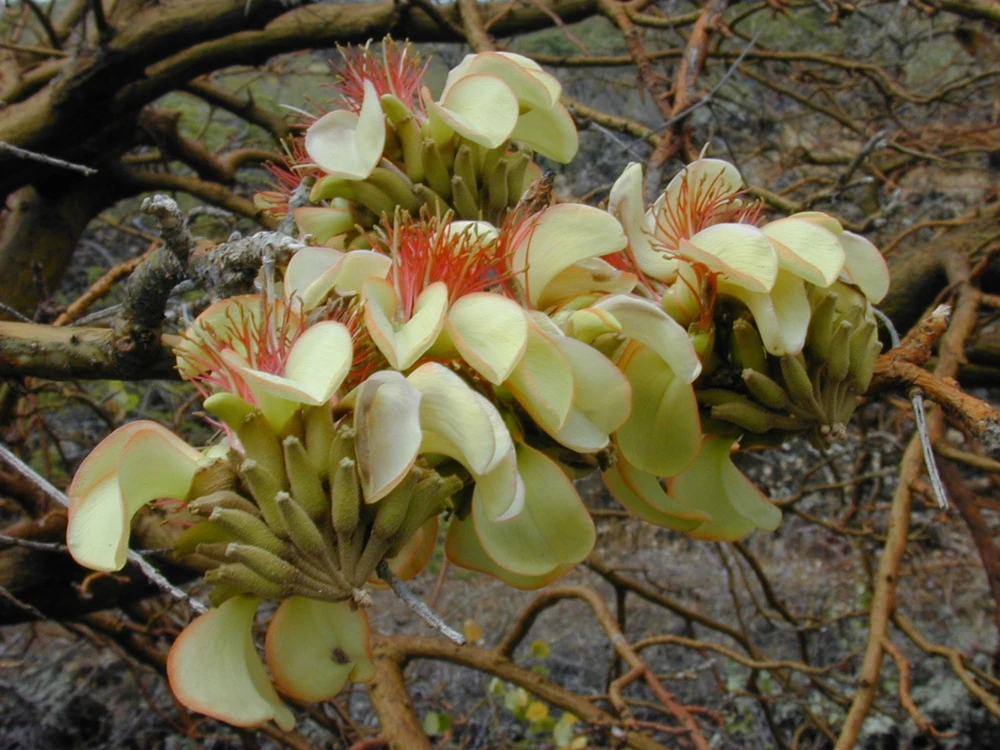
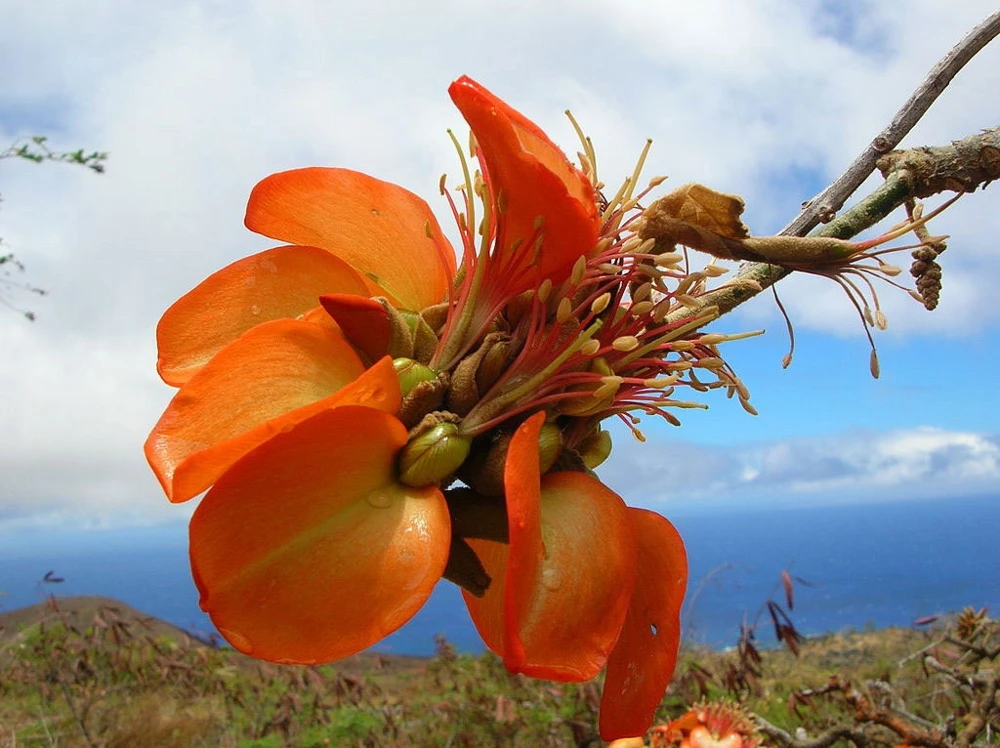
The Adenanthera pavonina is a versatile tree that thrives in tropical and subtropical climates. Its feathery, bipinnate leaves provide a lush canopy, while delicate, yellowish-white flowers bloom in slender spikes before giving way to the distinctive spirally twisted pods containing the brilliant red seeds. Starting with Adenanthera pavonina seeds is an engaging project for both novice and experienced gardeners, offering the satisfaction of nurturing a plant from its very beginning. With proper care, these seeds will develop into a robust tree known for its resilience and captivating appearance, making it a valuable addition to botanical collections or as a unique ornamental specimen.
Key Benefits
Growing Adenanthera pavonina seeds offers a multitude of benefits, transforming your garden into a vibrant, exotic haven. This tree is not only a visual delight but also boasts several practical advantages:
- Striking Ornamental Value: The primary allure of the Adenanthera pavonina lies in its stunning visual appeal. Its bright red, heart-shaped seeds are highly decorative and retain their color and luster for years, making them popular for crafts and jewelry. The tree’s delicate foliage and fragrant, creamy-yellow flowers also contribute to its overall beauty.
- Fast Growth Rate: Compared to many other tree species, the Red-Bead Tree exhibits a relatively fast growth rate, allowing you to enjoy a mature, shade-providing specimen sooner. This makes it an excellent choice for quickly establishing a tropical aesthetic in your garden.
- Drought Tolerance: Once established, Adenanthera pavonina is known for its resilience and ability to withstand periods of drought, making it a low-maintenance option for regions with intermittent rainfall or for gardeners seeking water-wise plants.
- Nitrogen Fixation: As a member of the legume family, the Adenanthera pavonina can fix nitrogen in the soil, enriching its fertility and benefiting surrounding plants. This natural process reduces the need for chemical fertilizers, promoting a healthier ecosystem.
- Versatile Uses: Beyond its ornamental qualities, the tree’s seeds, wood, and leaves have various traditional uses, including medicinal applications and as a source of dye. Cultivating Red-Bead Tree seeds connects you to a plant with a rich cultural history.
- Attracts Wildlife: The flowers can attract pollinators, and the tree provides habitat and shade, contributing to local biodiversity. This makes it a great choice for creating a wildlife-friendly garden.
- Unique Conversation Starter: The distinctive appearance of the seeds and the tree’s exotic origins make it a fascinating plant that is sure to spark interest and conversation among visitors to your garden.
Plant Care & Growing Tips
Successfully germinating and growing Adenanthera pavonina seeds requires attention to specific environmental conditions, but the tree is generally resilient once established. To ensure the best start, scarification of the hard seed coat is crucial. This can be achieved by gently nicking the seed coat with a file or sandpaper, or by soaking the seeds in hot (not boiling) water for 24 hours, allowing them to swell. Plant the scarified seeds in a well-draining potting mix, about 1 inch deep, and keep the soil consistently moist but not waterlogged. Germination typically occurs within a few weeks under warm conditions.
Once seedlings emerge, provide them with plenty of sunlight. The Red-Bead Tree thrives in full sun, requiring at least 6-8 hours of direct sunlight per day. It prefers warm, tropical to subtropical climates and is not tolerant of frost. If you are growing False Wiliwili seeds in a region with cold winters, it can be grown in a large container and moved indoors during colder months. Water regularly, especially during dry spells, but allow the top inch of soil to dry out between waterings to prevent root rot. A balanced, slow-release fertilizer can be applied during the growing season to support vigorous growth. Pruning may be necessary to maintain shape and remove any dead or diseased branches. Pay attention to common pests like aphids or scale insects, treating them with appropriate organic solutions if they appear.
Size & Details
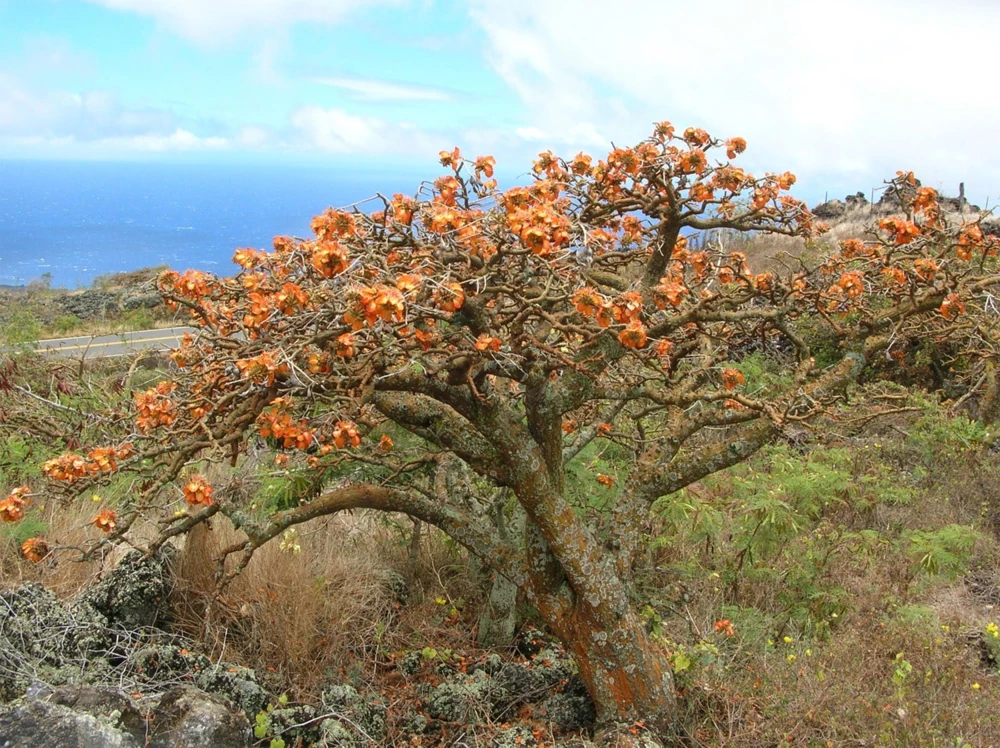
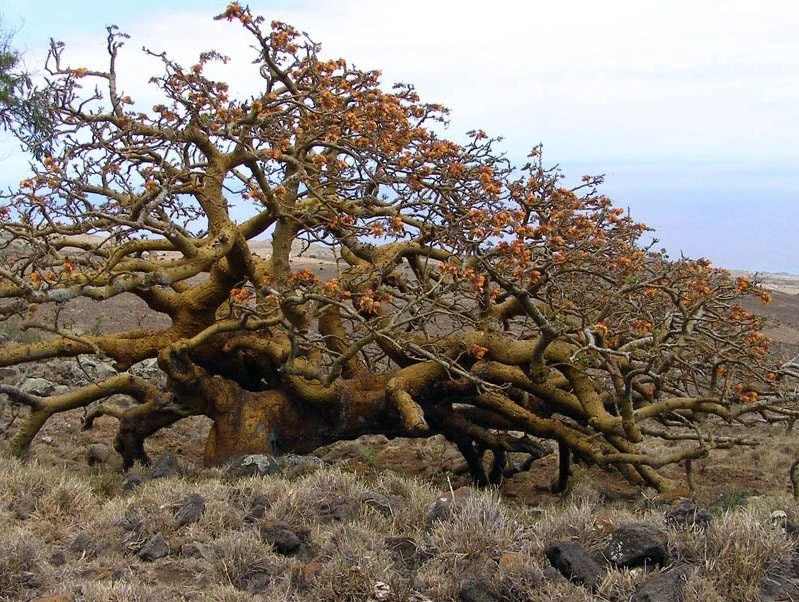
This package contains 10 Adenanthera pavonina seeds, ready for you to begin cultivating this magnificent tropical tree. The Adenanthera pavonina, or Red-Bead Tree, is a medium-sized tree that can reach heights of 30-60 feet (9-18 meters) in its native habitat, with a spread of 20-40 feet (6-12 meters). When grown in containers or in less ideal conditions, its size can be managed through pruning. The tree exhibits a relatively fast growth rate, often adding several feet in height per year under optimal conditions. The iconic red seeds, typically 7-8 mm in diameter, develop within twisted pods that mature over several months. You will receive fresh, viable seeds, ensuring a strong start to growing your own Red-Bead Tree seeds. Expect the first flowers and seeds to appear within 3-5 years after planting, depending on growing conditions.
Frequently Asked Questions
- Q: How do I prepare the Adenanthera pavonina seeds for planting? A: The seeds have a very hard coat. You need to scarify them by gently filing or sanding a small spot on the seed coat, or by soaking them in hot (not boiling) water for 24 hours until they swell. This helps water penetrate and initiates germination.
- Q: What is the best time to plant Red-Bead Tree seeds? A: The best time to plant is during the warm seasons, typically spring or early summer, when temperatures are consistently warm. If growing indoors, you can start them any time of year.
- Q: How much sunlight does the Adenanthera pavonina tree need? A: This tree thrives in full sun, requiring at least 6-8 hours of direct sunlight daily to grow vigorously and produce abundant flowers and seeds.
- Q: Is this an indoor or outdoor plant? A: The Adenanthera pavonina is primarily an outdoor tree in tropical and subtropical climates (USDA Zones 10-12). In cooler climates, it can be grown in a large pot and brought indoors during winter or treated as an annual.
- Q: How long does it take for the seeds to germinate? A: After proper scarification, germination typically occurs within 1-4 weeks, though it can sometimes take longer depending on environmental conditions. Consistent warmth and moisture are key.
- Q: What kind of soil is best for growing False Wiliwili seeds? A: A well-draining soil mix is essential. A sandy loam or a potting mix amended with perlite or coarse sand works well to prevent waterlogging.
- Q: How often should I water my young Adenanthera pavonina plant? A: Water regularly, especially when the plant is young, ensuring the soil remains moist but not saturated. Allow the top inch of soil to dry out slightly between waterings.
- Q: Will the Red-Bead Tree seeds produce actual red beads? A: Yes, the mature Adenanthera pavonina tree will produce pods containing the characteristic bright, glossy scarlet red seeds, which are often referred to as ‘red beads’.
- Q: Is the Adenanthera pavonina tree drought-tolerant? A: Once established, the tree exhibits good drought tolerance, making it suitable for xeriscaping or areas with limited water availability, though it benefits from occasional watering during prolonged dry periods.
- Q: Can I grow this tree in a container? A: Yes, you can grow Adenanthera pavonina in a large container, especially if you are in a climate that experiences frost. Choose a large pot with good drainage and prune the tree to manage its size.
Be the first to review “Adenanthera Pavonina Seeds – Red-Bead Tree, False Wiliwili, 10 Seeds”
Related products


Tree Seeds
Canino Olive Tree Seeds – 10 Pack Olea Europaea Canino for Edible Olives, Full Sun, Zones 9-11

You May Like

How to Grow Passion Flower (Passiflora) for Tropical Blooms
Few climbing vines in the home garden command attention quite like the exotic Passion Flower (Passiflora). [...]
Nov

Thanksgiving Cactus Care: How to Get Thanksgiving Cactus to Bloom
Is your Thanksgiving cactus growing well but not giving you any flowers? Maybe it looked [...]
Nov

How to Grow Garlic for a Bountiful Home Harvest
Garlic (Allium sativum) is one of the most satisfying, low-maintenance, and flavor-packed crops you can [...]
Oct

Hardneck vs. Softneck Garlic: Which Should You Grow?
Have you ever stood in front of a seed catalog in mid-September, staring at dozens [...]
1 Comment
Oct

When to Plant Music Garlic: Ultimate US Fall Guide
Have you ever spent your fall weekend placing carefully chosen garlic cloves into rich, dark [...]
1 Comment
Oct

5 Best Bulbs for Fall Planting: Brighten Your Garden This Spring
Are you dreaming of a garden full of vibrant colors in the spring? The key [...]
Aug

10 Houseplants That Will Thrive in Your Kitchen
Are you tired of your kitchen feeling dull and lifeless? Want to add a little [...]
1 Comment
Aug
Reviews
There are no reviews yet.