
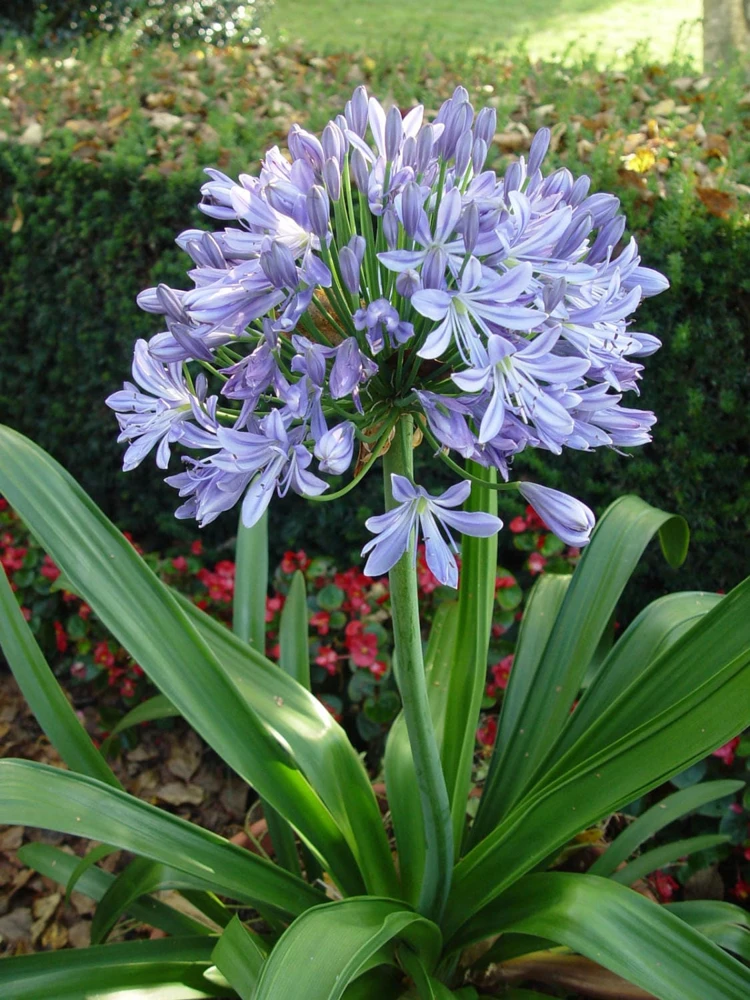
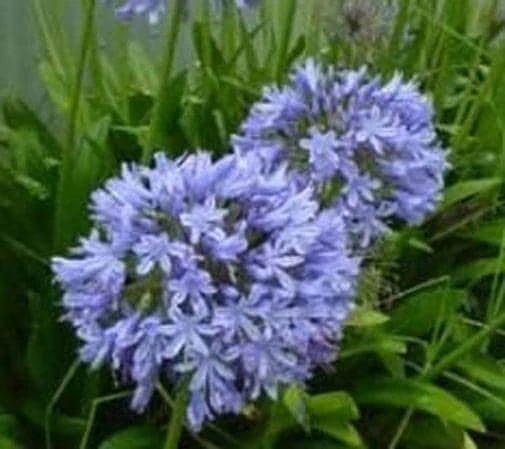
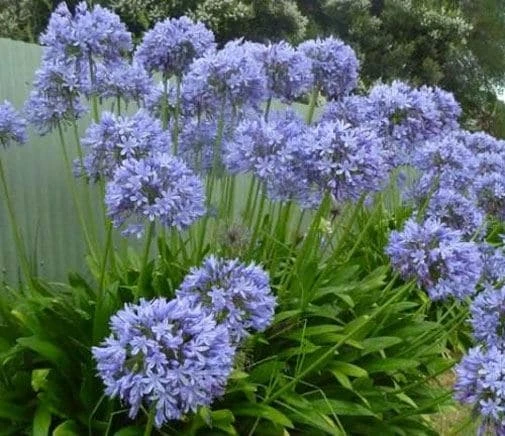
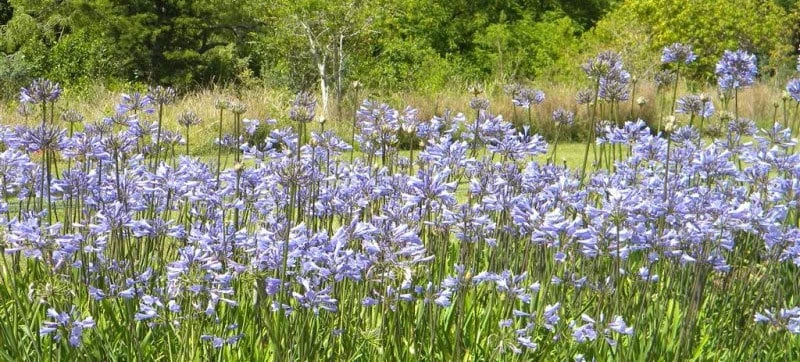
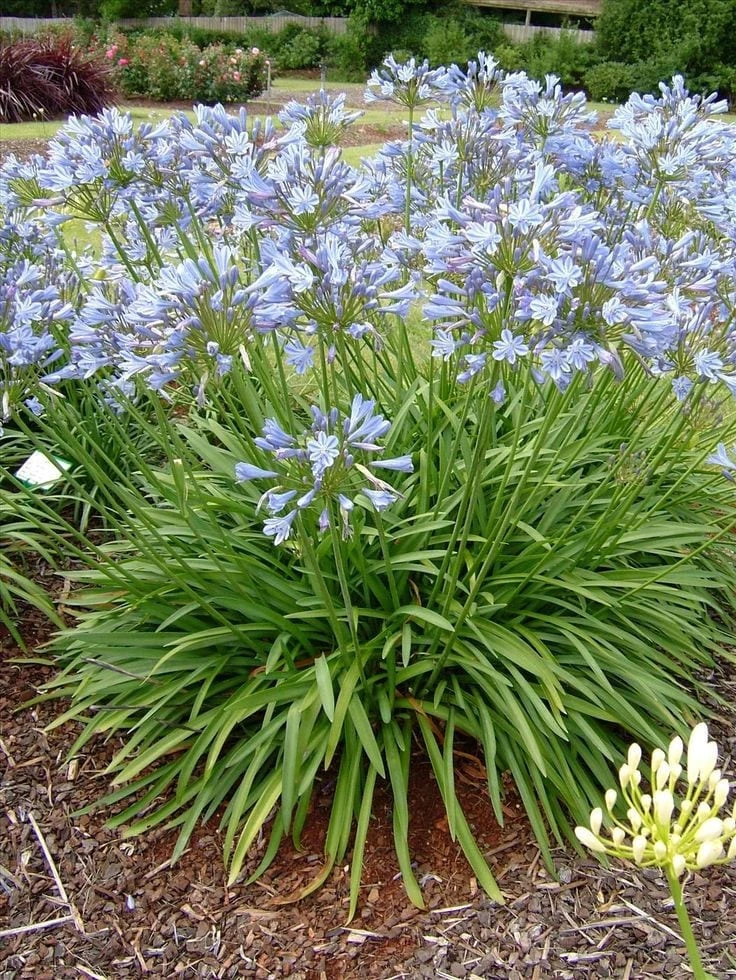
Agapanthus praecox Dwarf Blue Lily of the Nile Seeds – 10 Count
Original price was: 48.91 $.19.91 $Current price is: 19.91 $.
Cultivate stunning blue blossoms with these Agapanthus praecox Dwarf Blue seeds. Also known as Dwarf Blue Lily of the Nile seeds, these easy-to-grow perennials thrive in sun to shade, reaching up to 1 foot tall. Perfect for adding vibrant color to your garden from spring through fall.
Estimated arrival
Nov 28
Dec 03 - Dec 05
Dec 05 - Dec 10
See our Shipping Policy.
Get in touch with us via email, and our team will review your concerns.
Our Alive & Thrive Guarantee covers issues with your plants within the first 30 days. Read our Refund & Returns Policy.
-
USDA Hardiness Zone
USDA Hardiness Zones 6 to 10 -
Soil Type
Well-draining, rich in organic matter -
Sunlight Exposure
Full sun to partial shade -
Expected Planting Period
Late winter to early spring (indoors) or after last frost (outdoors)
Overview
Embark on a rewarding gardening journey with our premium Agapanthus praecox Dwarf Blue seeds. These exquisite seeds promise to transform your garden into a vibrant spectacle of blue, producing the charming Agapanthus praecox Dwarf Blue, often referred to as the Dwarf Blue Lily of the Nile seeds. Known for its compact growth and abundant flowering, this perennial is a favorite among gardeners seeking both beauty and resilience. From late spring through fall, your garden will be graced with clusters of striking blue, trumpet-shaped flowers atop sturdy stems. This variety is particularly prized for its smaller stature, making it versatile for various garden settings, from borders to containers. Growing Agapanthus from seed offers a unique opportunity to nurture these beautiful plants from their very beginning, providing a sense of accomplishment as you watch them mature and bloom.
Each packet contains 10 carefully selected seeds, ensuring a good start for your gardening project. The Agapanthus praecox Dwarf Blue seeds are ideal for creating an enchanting display in mixed beds, rock gardens, or as a captivating ground cover. Their ease of cultivation makes them suitable for both novice and experienced gardeners. Prepare to enjoy a long season of interest with these delightful blue perennials that bring a touch of elegance and serenity to any outdoor space.
Key Benefits
Choosing to grow Agapanthus praecox Dwarf Blue seeds offers a multitude of advantages for your garden and gardening experience. These seeds develop into plants that provide consistent beauty and require minimal fuss, making them a superb addition to almost any landscape.
- Stunning Blue Blooms: Enjoy a prolonged display of vibrant blue flowers that emerge from spring to fall, adding a splash of cool color to your garden palette. The intense hue of the Dwarf Blue Lily of the Nile is truly captivating.
- Compact Growth Habit: Reaching only up to 1 foot tall, these dwarf plants are perfect for small spaces, container gardening, or as a front-of-border specimen, providing maximum impact with minimal footprint.
- Versatile Sun Tolerance: Thrives in a wide range of light conditions, from full sun to partial shade, offering flexibility in placement within your garden design. This adaptability makes Agapanthus care relatively straightforward.
- Drought-Tolerant Perennial: Once established, Agapanthus praecox Dwarf Blue is remarkably drought-tolerant, reducing the need for frequent watering and making it an excellent choice for water-wise gardens.
- Low Maintenance: These plants require very little attention once established, making them perfect for busy gardeners or those looking for an effortless way to add beauty to their landscape.
- Attractive to Pollinators: The charming blue flowers are a magnet for bees and butterflies, contributing to a healthy and biodiverse garden ecosystem.
- Hardy in Many Climates: Suitable for USDA Hardiness Zones 6 to 10, these plants can withstand a variety of conditions, ensuring reliable performance in many regions.
Plant Care & Growing Tips
Successful cultivation of Agapanthus praecox Dwarf Blue seeds begins with proper planting and consistent care. These resilient plants are generally easy to grow, but providing optimal conditions will ensure a spectacular display of their characteristic blue flowers. For best results, sow your Dwarf Blue Lily of the Nile seeds in late winter or early spring indoors, or directly outdoors after the last frost.
For germination, prepare a well-draining seed-starting mix in trays or pots. Lightly cover the seeds with a thin layer of soil, as some light aids germination. Maintain consistent moisture, but avoid waterlogging, and keep the soil temperature around 65-70°F (18-21°C). Germination can be slow and erratic, sometimes taking several weeks to a few months, so patience is key. Once seedlings are large enough to handle, transplant them into individual pots and grow them in a bright location with indirect light until they are ready to be moved outdoors.
When planting outdoors, choose a site that receives at least 6 hours of direct sunlight per day, though they can tolerate partial shade, especially in hotter climates. The soil should be well-draining and rich in organic matter. While adaptable, Agapanthus prefers a slightly acidic to neutral pH. Water regularly during the first growing season to establish a strong root system. Once established, they are quite drought-tolerant, but occasional deep watering during prolonged dry spells will promote better flowering. Fertilize lightly in spring with a balanced slow-release fertilizer. Deadhead spent flower stalks to encourage more blooms and maintain a tidy appearance. In colder regions (Zone 6), a protective layer of mulch can help overwinter the plants. Understanding proper Agapanthus care will ensure your plants thrive for years to come.
Size & Details
These Agapanthus praecox Dwarf Blue seeds will grow into robust and beautiful perennial plants. Mature plants typically reach a height of approximately 1 foot (30 cm) tall with a similar spread, forming attractive clumps of strap-like, evergreen or semi-evergreen foliage. The flower stalks will rise above the foliage, showcasing the vibrant blue blossoms. The roots of this particular variety can be eaten raw or cooked, adding an interesting, though optional, culinary aspect to your garden. This species is known for its moderate growth rate, establishing well within the first year and producing abundant blooms from the second year onwards. The seeds are supplied in a packet containing 10 individual seeds, ready for sowing. Expect a rewarding experience as you watch these beautiful blue perennials develop from seed to stunning flowering plants.
Frequently Asked Questions
- Q: How big does this Agapanthus plant get? A: The Agapanthus praecox Dwarf Blue is a compact variety, typically growing up to 1 foot (30 cm) tall with a similar spread. Its dwarf nature makes it suitable for various garden applications, including containers.
- Q: Is this an indoor or outdoor plant? A: While young seedlings can be started indoors, mature Agapanthus praecox Dwarf Blue plants are primarily outdoor perennials. They thrive in garden beds, borders, and outdoor containers, particularly in USDA Hardiness Zones 6 to 10.
- Q: How much sunlight does it need? A: This plant performs best in full sun, meaning at least 6 hours of direct sunlight per day. However, it is quite adaptable and will also tolerate partial shade, especially in areas with very hot summer afternoons.
- Q: Is this plant easy to care for? A: Yes, Agapanthus care is generally considered easy once the plants are established. They are drought-tolerant, require minimal fertilization, and are not prone to many pests or diseases, making them a great choice for beginners.
- Q: What condition will the seeds arrive in? A: Your Agapanthus praecox Dwarf Blue seeds will arrive as dry, viable seeds, carefully packaged to ensure their integrity and readiness for planting. You will receive 10 seeds per packet.
- Q: When is the best time to plant these seeds? A: The best time to sow Dwarf Blue Lily of the Nile seeds is in late winter to early spring if starting indoors, or directly outdoors after all danger of frost has passed in your region.
- Q: Will it survive winter in my zone? A: Agapanthus praecox Dwarf Blue is hardy in USDA Hardiness Zones 6 to 10. In Zone 6, applying a protective layer of mulch in late fall can help ensure its survival through colder winter temperatures.
- Q: How long until it blooms? A: When grown from Agapanthus praecox Dwarf Blue seeds, plants typically begin to flower in their second growing season. Patience is rewarded with abundant blue blossoms once established.
- Q: What type of soil does it prefer? A: This plant thrives in well-draining soil that is rich in organic matter. It can tolerate a range of soil types, but heavy clay soils should be amended to improve drainage.
- Q: Are the roots of Agapanthus praecox Dwarf Blue edible? A: Yes, the roots of Agapanthus praecox are traditionally known to be edible and can be consumed raw or cooked. However, it’s always recommended to consult with an expert before consuming any plant parts.
Be the first to review “Agapanthus praecox Dwarf Blue Lily of the Nile Seeds – 10 Count”
Related products


You May Like

How to Grow Passion Flower (Passiflora) for Tropical Blooms
Few climbing vines in the home garden command attention quite like the exotic Passion Flower (Passiflora). [...]
Nov

Thanksgiving Cactus Care: How to Get Thanksgiving Cactus to Bloom
Is your Thanksgiving cactus growing well but not giving you any flowers? Maybe it looked [...]
Nov

How to Grow Garlic for a Bountiful Home Harvest
Garlic (Allium sativum) is one of the most satisfying, low-maintenance, and flavor-packed crops you can [...]
Oct

Hardneck vs. Softneck Garlic: Which Should You Grow?
Have you ever stood in front of a seed catalog in mid-September, staring at dozens [...]
1 Comment
Oct

When to Plant Music Garlic: Ultimate US Fall Guide
Have you ever spent your fall weekend placing carefully chosen garlic cloves into rich, dark [...]
1 Comment
Oct

5 Best Bulbs for Fall Planting: Brighten Your Garden This Spring
Are you dreaming of a garden full of vibrant colors in the spring? The key [...]
Aug

10 Houseplants That Will Thrive in Your Kitchen
Are you tired of your kitchen feeling dull and lifeless? Want to add a little [...]
1 Comment
Aug
Reviews
There are no reviews yet.