
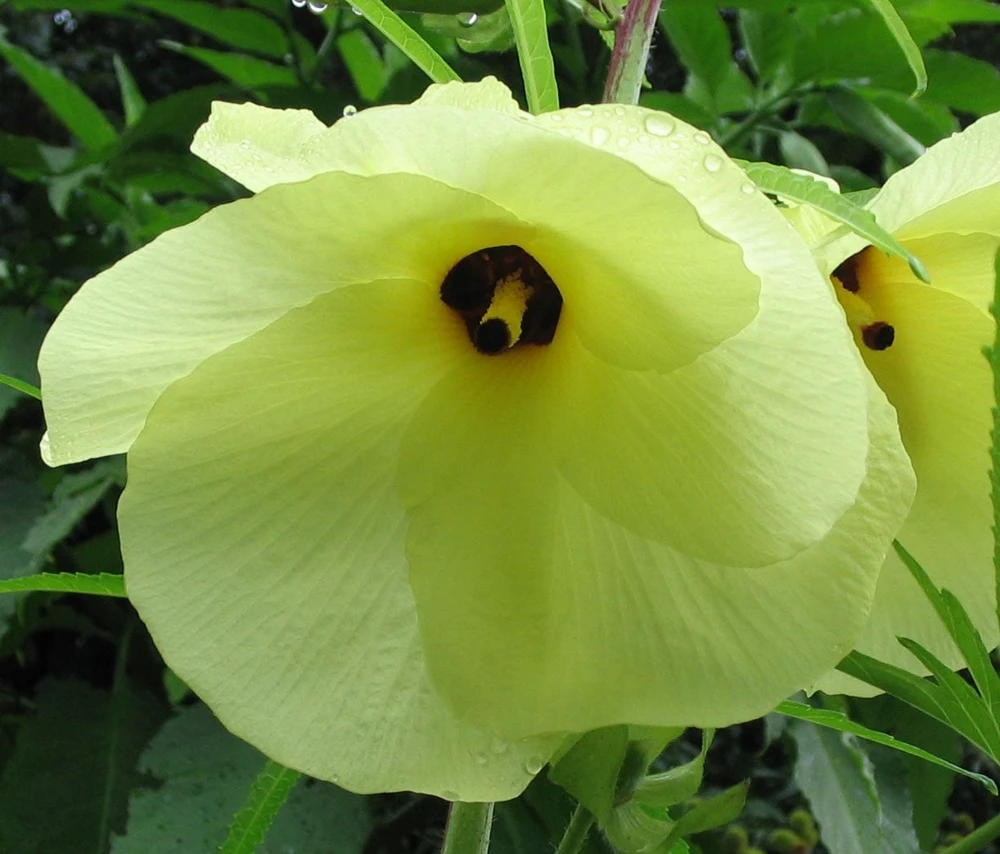
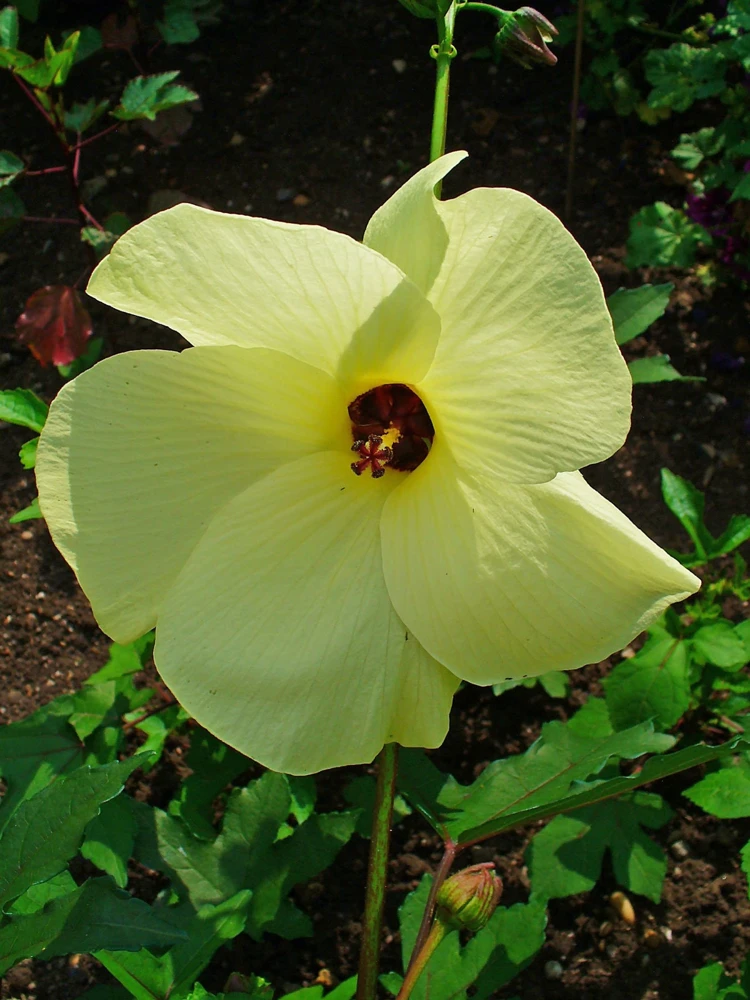
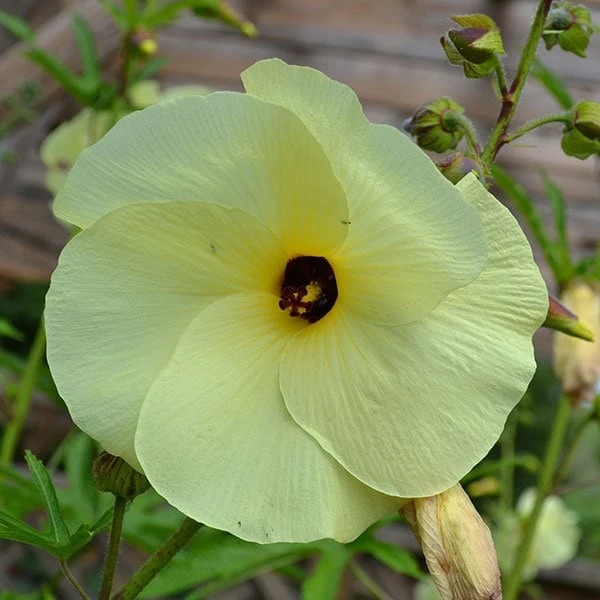
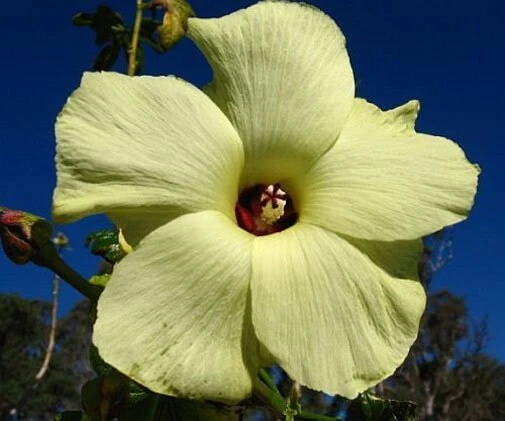
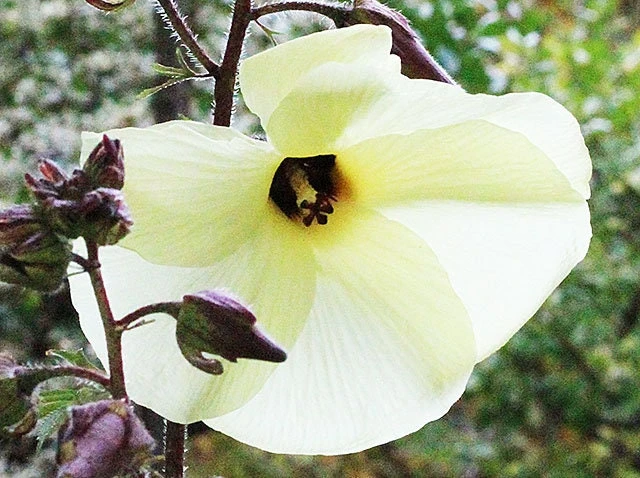
Aibika Seeds – Sunset Muskmallow Hibiscus (Abelmoschus manihot) – 50 Seeds
Original price was: 48.91 $.19.91 $Current price is: 19.91 $.
Cultivate Aibika seeds, the versatile Sunset Muskmallow seeds, for a bounty of edible leaves and vibrant yellow flowers. Rich in nutrients, this plant is a great addition to any garden in USDA Zones 8b-11, offering both beauty and sustenance. Grow your own edible hibiscus seeds today!
Estimated arrival
Nov 27
Dec 02 - Dec 04
Dec 04 - Dec 09
See our Shipping Policy.
Get in touch with us via email, and our team will review your concerns.
Our Alive & Thrive Guarantee covers issues with your plants within the first 30 days. Read our Refund & Returns Policy.
-
USDA Hardiness Zone
8b to 11 -
Soil Type
Well-draining, rich soil -
Sunlight Exposure
Full sun to partial shade -
Expected Planting Period
Spring to early summer
Overview
Discover the joy of growing your own Aibika seeds, also known as Sunset Muskmallow seeds or Edible Hibiscus. This remarkable plant, scientifically named Abelmoschus manihot, offers a unique combination of ornamental beauty and nutritional benefits. Formerly classified under the Hibiscus genus, this flowering plant in the mallow family Malvaceae is now recognized for its distinct qualities. Each packet contains 50 high-quality Abelmoschus manihot seeds, ready to transform your garden into a vibrant and productive space. These plants are easy to establish and provide a continuous harvest of nutritious leaves and stunning blossoms throughout the warmer months. Whether you’re an experienced gardener or just starting out, growing Aibika is a rewarding experience that brings both visual appeal and culinary delight to your home.
The Aibika seeds develop into robust plants that can reach up to 10 feet tall, thriving in conditions ranging from full sun to partial shade. Its palmate leaves are a significant food source in many cultures, packed with essential vitamins and minerals. Beyond its nutritional value, the plant is adorned with bright yellow blossoms during the summer, adding a cheerful splash of color to your landscape. This resilient plant is also known to be mostly deer-resistant, making it an excellent choice for gardens where wildlife might be an issue. Embrace the opportunity to cultivate this versatile and beneficial plant from our premium edible hibiscus seeds.
Key Benefits
Aibika seeds offer a multitude of advantages for both your garden and your diet. From their ease of growth to their impressive nutritional profile, these seeds are a fantastic choice for any home gardener.
- Nutrient-Rich Edibles: The leaves and young shoots of the Aibika plant are exceptionally nutritious, providing significant amounts of vitamins and minerals. They are a healthy addition to various dishes, making edible hibiscus seeds a smart choice for health-conscious individuals.
- High Protein Content: The flower buds and young leaves can be eaten raw or cooked and contain approximately 12% protein by dry weight, offering a valuable plant-based protein source.
- Beautiful Blooms: Enjoy vibrant, bright yellow flowers in the middle of summer, adding a tropical and ornamental touch to your garden landscape. These beautiful flowers are a highlight of growing Aibika.
- Deer Resistant: The plants are generally left alone by deer, which is a significant advantage for gardeners in areas prone to deer browsing. This makes Sunset Muskmallow seeds a more reliable option.
- Versatile Growth: Thrives in a range of light conditions, from full sun to partial shade, making it adaptable to various garden settings.
- Robust Plant Size: Can grow up to 10 feet tall, providing ample foliage for harvesting and a substantial presence in the garden.
- Easy to Grow: These Abelmoschus manihot seeds are relatively easy to germinate and grow, making them suitable for gardeners of all skill levels.
Plant Care & Growing Tips
Successfully growing Aibika from Aibika seeds requires attention to a few key environmental factors. These plants are relatively forgiving but perform best with optimal care. Begin by sowing your edible hibiscus seeds in well-draining soil, either directly outdoors after the last frost or indoors a few weeks prior for an earlier start. Ensure the soil remains consistently moist but not waterlogged during germination.
Once established, the Aibika plant thrives in full sun to partial shade. Full sun encourages more prolific flowering and robust growth, while partial shade can be beneficial in hotter climates to prevent leaf scorch. Water regularly, especially during dry spells, to keep the soil consistently moist. These plants are quite vigorous and can tolerate a variety of soil types, but prefer rich, well-draining soil with a slightly acidic to neutral pH. For optimal growth and yield, consider amending your soil with organic compost before planting. Fertilize every 4-6 weeks with a balanced organic fertilizer during the active growing season.
Abelmoschus manihot seeds are best suited for USDA Hardiness Zones 8b to 11. In colder zones, Aibika can be grown as an annual or brought indoors during winter. Pruning can help manage plant size and encourage bushier growth, leading to more leaf production. While generally robust, keep an eye out for common garden pests, though the plant is largely pest and disease resistant. With proper care, your Sunset Muskmallow seeds will yield a thriving, productive plant that enhances your garden’s beauty and your culinary adventures.
Size & Details
Our offering includes 50 Aibika seeds, providing a generous quantity for planting a significant patch or multiple containers. These seeds will grow into plants that typically reach an impressive height of up to 10 feet (approximately 3 meters) at maturity, creating a striking vertical element in your garden. The growth rate is moderate to fast, allowing for harvests of young leaves and buds within a few months of planting. The plants develop a bushy habit, with palmate leaves that are both ornamental and edible. These edible hibiscus seeds are packaged to ensure viability and freshness upon arrival.
The plants will produce their characteristic bright yellow flowers in the middle of summer, adding a vibrant splash of color. While individual plant width can vary, they generally spread about 3-5 feet wide, requiring adequate space for optimal development. Growing Aibika from these seeds provides a rewarding experience, culminating in a plant that offers both aesthetic appeal and a continuous supply of nutritious leaves and protein-rich buds. The seeds are ready for planting in spring after the danger of frost has passed, or can be started indoors for an earlier jump on the growing season, especially for those in cooler climates outside the ideal USDA Zones 8b to 11.
Frequently Asked Questions
- Q: How big does the Aibika plant get? A: The Abelmoschus manihot seeds will grow into plants that can reach an impressive height of up to 10 feet (3 meters) tall, making them a significant presence in the garden. They also spread about 3-5 feet wide.
- Q: Is this an indoor or outdoor plant? A: Aibika is primarily an outdoor plant, thriving in USDA Hardiness Zones 8b to 11. In colder climates, it can be grown as an annual or overwintered indoors as a container plant.
- Q: How much sunlight does growing Aibika require? A: These plants prefer full sun to partial shade. Full sun promotes the best growth and flowering, but partial shade can be beneficial in very hot climates to prevent leaf burn.
- Q: Is this plant easy to care for? A: Yes, Aibika is considered relatively easy to care for. It requires consistent watering, well-draining soil, and can tolerate a range of conditions, making Aibika seeds suitable for gardeners of all experience levels.
- Q: Can I use the leaves and flowers in cooking? A: Absolutely! The young leaves and flower buds of the Aibika plant are edible and highly nutritious. They can be consumed raw in salads or cooked in various dishes, providing vitamins, minerals, and protein. These are truly versatile edible hibiscus seeds.
- Q: When is the best time to plant Sunset Muskmallow seeds? A: The best time to plant these seeds outdoors is in spring after all danger of frost has passed. For an earlier start, you can sow the seeds indoors 4-6 weeks before the last frost date.
- Q: What condition will the seeds arrive in? A: Your Aibika seeds will arrive as a packet of 50 high-quality, viable seeds, ready for planting in your garden. We ensure careful packaging for optimal freshness and germination potential.
- Q: Will it survive winter in my zone if I’m outside 8b-11? A: If you are outside USDA Zones 8b-11, Aibika will likely not survive winter outdoors. You can grow it as an annual, or cultivate it in a container and bring it indoors to protect it from frost.
- Q: Are these plants deer resistant? A: Yes, one of the benefits of growing Aibika is that the plants are mostly left alone by deer, making them a good choice for gardens where deer can be an issue.
- Q: Do I need special soil for Abelmoschus manihot seeds? A: While Aibika is adaptable, it thrives best in rich, well-draining soil. Amending your garden soil with organic compost will provide an ideal environment for growth.
Be the first to review “Aibika Seeds – Sunset Muskmallow Hibiscus (Abelmoschus manihot) – 50 Seeds”
Related products


Vegetable Seeds
Yellow Cheese Pimento Pepper Seeds – 50 Count – Sweet & Mild


You May Like

How to Grow Passion Flower (Passiflora) for Tropical Blooms
Few climbing vines in the home garden command attention quite like the exotic Passion Flower (Passiflora). [...]
Nov

Thanksgiving Cactus Care: How to Get Thanksgiving Cactus to Bloom
Is your Thanksgiving cactus growing well but not giving you any flowers? Maybe it looked [...]
Nov

How to Grow Garlic for a Bountiful Home Harvest
Garlic (Allium sativum) is one of the most satisfying, low-maintenance, and flavor-packed crops you can [...]
Oct

Hardneck vs. Softneck Garlic: Which Should You Grow?
Have you ever stood in front of a seed catalog in mid-September, staring at dozens [...]
1 Comment
Oct

When to Plant Music Garlic: Ultimate US Fall Guide
Have you ever spent your fall weekend placing carefully chosen garlic cloves into rich, dark [...]
1 Comment
Oct

5 Best Bulbs for Fall Planting: Brighten Your Garden This Spring
Are you dreaming of a garden full of vibrant colors in the spring? The key [...]
Aug

10 Houseplants That Will Thrive in Your Kitchen
Are you tired of your kitchen feeling dull and lifeless? Want to add a little [...]
1 Comment
Aug
Reviews
There are no reviews yet.