
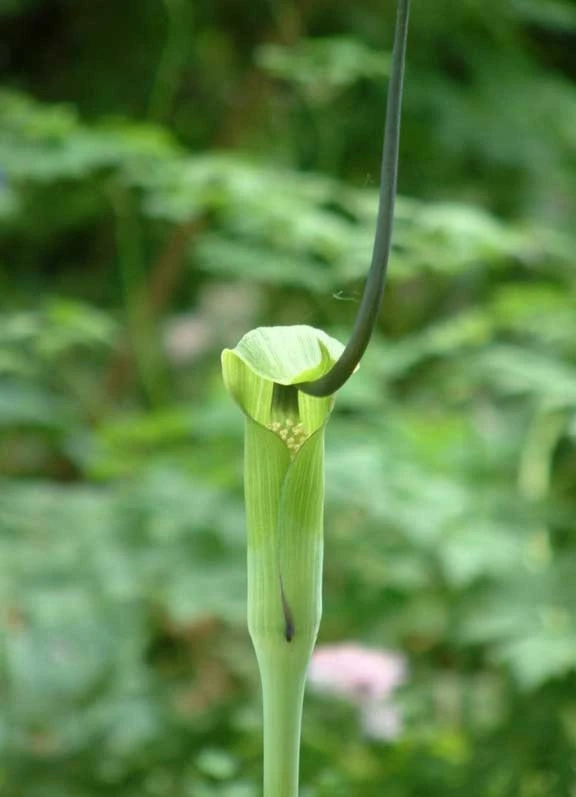
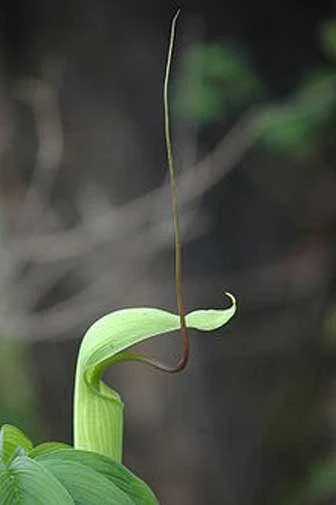
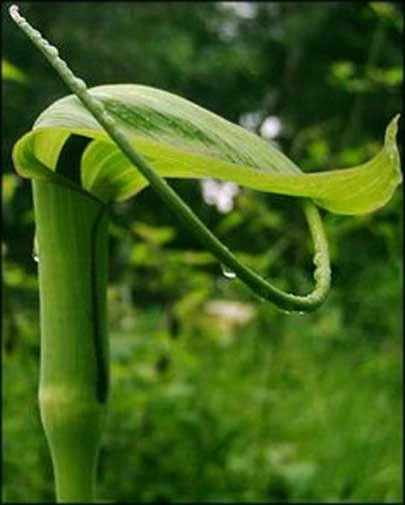
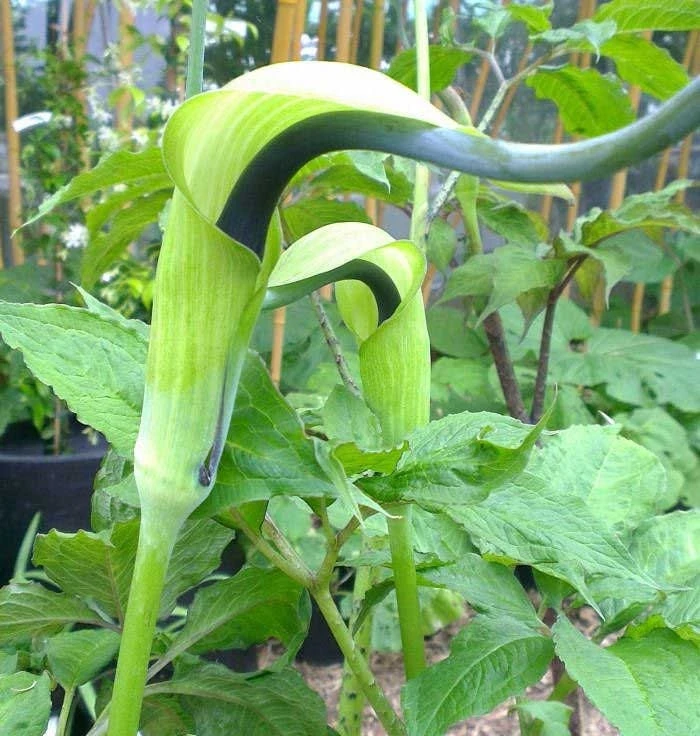
Arisaema tortuosum Seeds – Whipcord Cobra Lily Jack-in-the-Pulpit 20 Seeds Outdoor
Original price was: 48.91 $.19.91 $Current price is: 19.91 $.
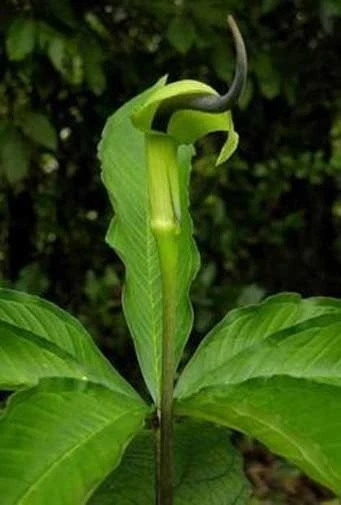
Cultivate the striking Arisaema tortuosum seeds, also known as Whipcord Cobra Lily seeds or Jack-in-the-Pulpit. Each pack contains 20 seeds for growing this unique perennial with its dramatic, whip-like spadix. Ideal for shaded garden areas, these exotic lily seeds add an intriguing touch to any landscape.
Estimated arrival
Nov 26
Dec 01 - Dec 03
Dec 03 - Dec 08
See our Shipping Policy.
Get in touch with us via email, and our team will review your concerns.
Our Alive & Thrive Guarantee covers issues with your plants within the first 30 days. Read our Refund & Returns Policy.
-
USDA Hardiness Zone
6-9 -
Soil Type
Rich, organic, well-draining soil -
Sunlight Exposure
Light to partial shade -
Expected Planting Period
Fall to early spring
Overview
Embark on a captivating gardening journey with our premium Arisaema tortuosum seeds. These remarkable seeds allow you to cultivate the distinctive Whipcord Cobra Lily, a plant renowned for its unusual and striking appearance. Also commonly known as Jack-in-the-Pulpit, this species (botanically named Arisaema tortuosum) is a true conversation starter in any garden. Originating from the Himalayas, this tuberous perennial is celebrated for its unique inflorescence, featuring a hooded spathe and an elongated, whip-like spadix that can reach impressive heights. Growing up to 6 feet tall, the Whipcord Cobra Lily thrives in conditions that mimic its natural habitat, offering a touch of exotic mystery to your outdoor space. These Whipcord Cobra Lily seeds are your gateway to growing a truly extraordinary specimen.
The allure of Arisaema tortuosum seeds lies in the promise of cultivating a plant with a dramatic and architectural form. Unlike typical lilies, this species presents a fascinating structure where the spadix, often green or purple, emerges from a protective hood, extending upwards like a coiled cobra ready to strike. This makes it an exceptional choice for gardeners seeking to add unique textures and forms to their plant collections. Whether you’re an experienced horticulturist or an enthusiastic beginner, starting with Jack-in-the-Pulpit seeds provides a rewarding experience as you watch these unusual plants emerge and develop their iconic features.
Key Benefits
Growing Arisaema tortuosum seeds offers a multitude of benefits for the discerning gardener, transforming your landscape into a botanical wonderland. These unique plants provide visual interest and ecological value.
- Striking Ornamental Value: The primary benefit of growing Arisaema tortuosum seeds is the unparalleled visual appeal. Its unique whip-like spadix and hooded spathe create a dramatic focal point in shaded garden areas, offering an exotic and architectural element rarely seen in temperate gardens.
- Low Maintenance Perennial: Once established, the Whipcord Cobra Lily is surprisingly low-maintenance. It reliably returns year after year, requiring minimal intervention beyond its initial planting and preferred growing conditions, making it a sustainable choice for your garden.
- Adaptable to Shade Gardens: This plant excels in shaded environments, making it an excellent option for those challenging spots in the garden where other flowering plants struggle. It brings life and color to dimmer corners.
- Unique Botanical Specimen: For collectors and enthusiasts, growing exotic lily seeds like these adds a rare and fascinating species to your botanical repertoire. Its distinct form stands out from more common garden varieties.
- Supports Biodiversity: While not a major pollinator plant, its unique structure and growth habit contribute to the diversity of your garden ecosystem, attracting curious onlookers and potentially specialized insects.
- Conversation Starter: The unusual appearance of the Whipcord Cobra Lily is guaranteed to spark curiosity and conversation among garden visitors, making it a memorable addition to your landscape.
Plant Care & Growing Tips
Successfully cultivating Arisaema tortuosum seeds requires understanding their specific environmental preferences. These fascinating plants thrive in conditions that mimic their native Himalayan habitat, primarily focusing on shade and consistent moisture. For optimal growth, plant your Whipcord Cobra Lily seeds in an area that receives light to partial shade. While they can tolerate full shade, some dappled sunlight helps promote stronger growth and more vibrant coloration of the spathe and spadix. Avoid harsh, direct afternoon sun, which can scorch the leaves and stress the plant.
Watering is crucial for these plants. They prefer consistently moist, but not waterlogged, soil. Ensure good drainage to prevent tuber rot. During dry spells, especially in the growing season, supplemental watering will be necessary to keep the soil adequately hydrated. A layer of mulch around the base of the plant can help retain soil moisture and regulate soil temperature. The ideal soil for growing Arisaema tortuosum is rich in organic matter, slightly acidic to neutral, and well-draining. Incorporating compost or leaf mold into your planting area will provide the necessary nutrients and improve soil structure. These plants are hardy in USDA Zones 6 to 9, meaning they can withstand winter temperatures in these regions, with tubers becoming dormant underground. In colder zones, the tubers may need to be lifted and stored indoors during winter or heavily mulched for protection.
Fertilization should be light. A balanced, slow-release granular fertilizer applied in early spring as new growth emerges is generally sufficient. Alternatively, a top dressing of compost can provide a steady supply of nutrients. Keep an eye out for common pests, though Arisaema tortuosum is generally resilient. Slugs and snails may be attracted to the foliage, especially in moist conditions. Proper air circulation and occasional inspection can help prevent issues. By providing the right conditions – shade, moisture, and well-draining, rich soil – you will be well on your way to successfully growing these magnificent plants from your Jack-in-the-Pulpit seeds.
Size & Details
Each packet contains 20 high-quality Arisaema tortuosum seeds, ready for planting. Once established, these remarkable plants can reach an impressive height of 4 to 6 feet (approximately 1.2 to 1.8 meters), with a spread of about 1 to 2 feet (30 to 60 cm). The distinctive whip-like spadix can extend up to a foot (30 cm) or more above the spathe, creating a dramatic vertical element in the garden. These seeds are typically best sown in fall or early spring after a period of cold stratification, which mimics natural winter conditions and aids germination. Expect germination to occur in the following spring or early summer, with the plant reaching maturity and flowering within 2 to 3 years from seeding. The tubers, from which the plant grows, are hardy in USDA Zones 6 to 9, ensuring they return each year in suitable climates. Our exotic lily seeds provide the opportunity to grow these unique specimens into grand garden features.
Frequently Asked Questions
- Q: How big does this plant get? A: The Arisaema tortuosum, also known as Whipcord Cobra Lily, can grow quite tall, typically reaching heights of 4 to 6 feet when mature. Its unique spadix can extend an additional foot above the spathe.
- Q: Is this an indoor or outdoor plant? A: This plant is primarily an outdoor plant, suited for garden beds in appropriate USDA Hardiness Zones. While it needs shade, it is not typically grown as an indoor houseplant.
- Q: How much sunlight does it need? A: Arisaema tortuosum prefers light to partial shade. It can tolerate full shade, but direct, harsh afternoon sun should be avoided as it can damage the foliage.
- Q: Is this plant easy to care for? A: Once established, the Whipcord Cobra Lily is relatively low-maintenance. The most crucial aspects are providing consistent moisture, good drainage, and a shaded location.
- Q: What condition will the seeds arrive in? A: Your Arisaema tortuosum seeds will arrive as dried, viable seeds, carefully packaged to ensure their quality and readiness for planting.
- Q: When is the best time to plant these seeds? A: It’s best to plant Jack-in-the-Pulpit seeds in the fall or early spring. They often benefit from a period of cold stratification to encourage germination.
- Q: Will it survive winter in my zone? A: These plants are hardy in USDA Zones 6 to 9. If you are in a colder zone, you may need to provide significant winter protection or lift the tubers for indoor storage.
- Q: What kind of soil does growing Arisaema tortuosum prefer? A: They thrive in rich, organic, and well-draining soil. Amending your soil with compost or leaf mold is highly recommended for optimal growth.
- Q: How long until it blooms? A: While germination may occur in the spring following planting, it typically takes 2 to 3 years for the plant to reach maturity and produce its first blooms from seed.
- Q: Are these exotic lily seeds safe to eat? A: No, the tubers of Arisaema tortuosum contain calcium oxalate crystals and must be thoroughly processed (dried or cooked) before consumption, as they can cause severe irritation and illness if eaten raw or improperly prepared. They are not intended for culinary use by home gardeners.
Be the first to review “Arisaema tortuosum Seeds – Whipcord Cobra Lily Jack-in-the-Pulpit 20 Seeds Outdoor”
Related products





You May Like

How to Grow Passion Flower (Passiflora) for Tropical Blooms
Few climbing vines in the home garden command attention quite like the exotic Passion Flower (Passiflora). [...]
Nov

Thanksgiving Cactus Care: How to Get Thanksgiving Cactus to Bloom
Is your Thanksgiving cactus growing well but not giving you any flowers? Maybe it looked [...]
Nov

How to Grow Garlic for a Bountiful Home Harvest
Garlic (Allium sativum) is one of the most satisfying, low-maintenance, and flavor-packed crops you can [...]
Oct

Hardneck vs. Softneck Garlic: Which Should You Grow?
Have you ever stood in front of a seed catalog in mid-September, staring at dozens [...]
1 Comment
Oct

When to Plant Music Garlic: Ultimate US Fall Guide
Have you ever spent your fall weekend placing carefully chosen garlic cloves into rich, dark [...]
1 Comment
Oct

5 Best Bulbs for Fall Planting: Brighten Your Garden This Spring
Are you dreaming of a garden full of vibrant colors in the spring? The key [...]
Aug

10 Houseplants That Will Thrive in Your Kitchen
Are you tired of your kitchen feeling dull and lifeless? Want to add a little [...]
1 Comment
Aug
Reviews
There are no reviews yet.