
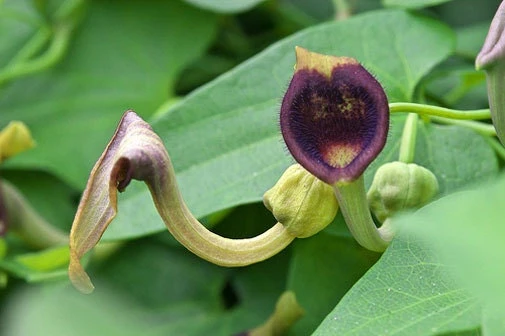
Aristolochia Debilis Seeds – 50 Count – Pipevine Host Plant
Original price was: 44.91 $.15.91 $Current price is: 15.91 $.
Cultivate a vibrant butterfly garden with Aristolochia debilis seeds. This pack contains 50 Aristolochia debilis seeds, perfect for growing the essential host plant for Pipevine, Polydamas, and Mylotes Swallowtail butterflies. Thrives in light shade.
Estimated arrival
Nov 27
Dec 02 - Dec 04
Dec 04 - Dec 09
See our Shipping Policy.
Get in touch with us via email, and our team will review your concerns.
Our Alive & Thrive Guarantee covers issues with your plants within the first 30 days. Read our Refund & Returns Policy.
-
USDA Hardiness Zone
6 to 11 -
Soil Type
Well-draining, humus-rich soil -
Sunlight Exposure
Light shade -
Expected Planting Period
Spring to early summer
Overview
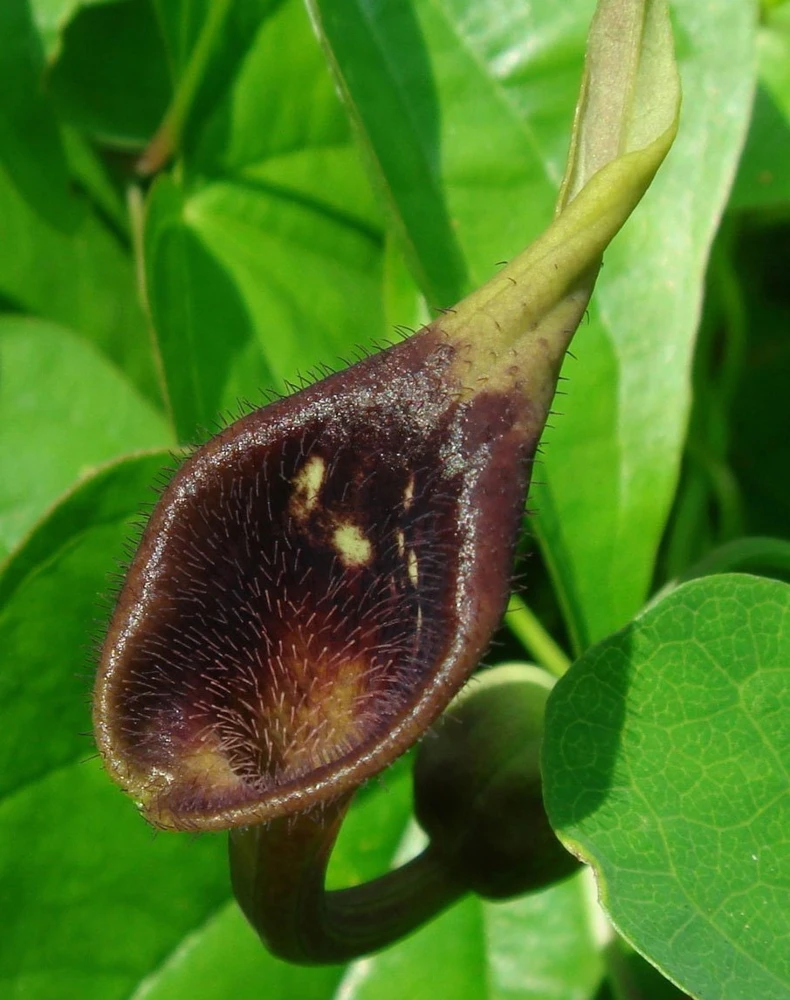
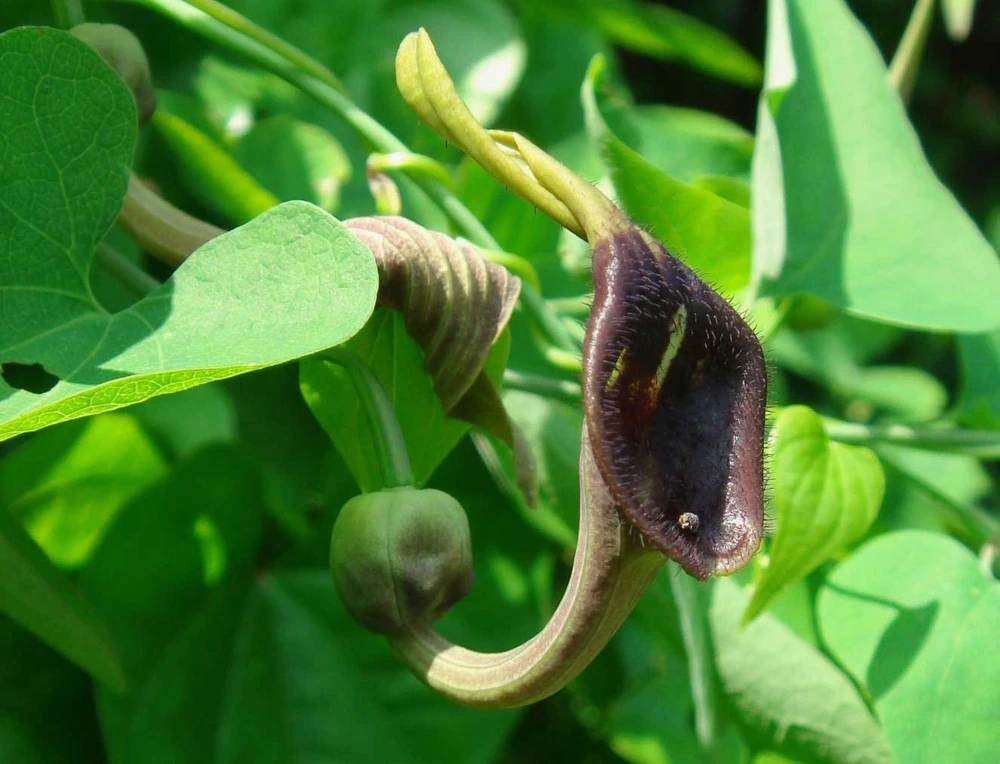
Embark on a rewarding gardening journey with Aristolochia debilis seeds, also known as Dutchmen’s Pipe or slender pipevine. This offering provides 50 Aristolochia debilis seeds, allowing you to cultivate a vital plant for local ecosystems right in your backyard. Aristolochia debilis is renowned for its unique, pipe-shaped flowers and its crucial role as a larval host plant. Gardeners looking to support native wildlife, particularly butterflies, will find this species indispensable. These seeds offer an excellent opportunity to grow a beautiful and beneficial plant that contributes significantly to biodiversity. Ideal for naturalized gardens, woodland edges, or shaded borders, this plant provides both aesthetic appeal and ecological value.
Growing Aristolochia debilis from seed is a fulfilling project for gardeners of all experience levels. With its distinctive foliage and intriguing blooms, it adds a touch of exotic charm to any setting. Beyond its visual appeal, its primary importance lies in sustaining butterfly populations, making it a must-have for any butterfly enthusiast or conservation-minded gardener. These seeds ensure you can establish a robust patch of this incredible vine, ready to welcome and nourish successive generations of colorful winged visitors.
Key Benefits
The cultivation of Aristolochia debilis seeds offers a multitude of advantages for your garden and the environment:
- Essential Butterfly Host Plant:Aristolochia debilis serves as a critical larval host for several stunning butterfly species, including the Pipevine Swallowtail, Polydamas Swallowtail, and Mylotes Cattleheart butterflies. By growing this plant, you directly contribute to the survival and proliferation of these beautiful insects, making your garden a true haven for wildlife.
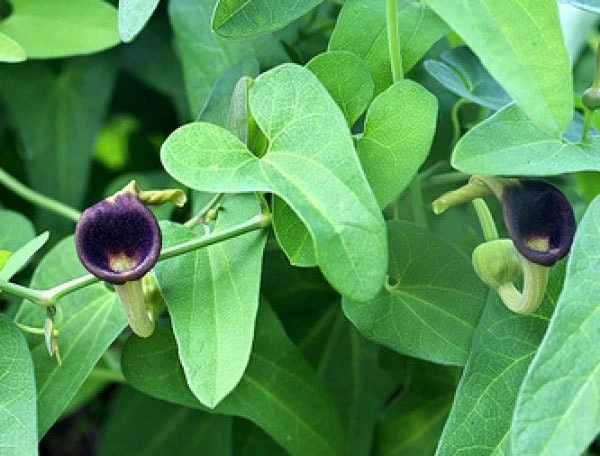
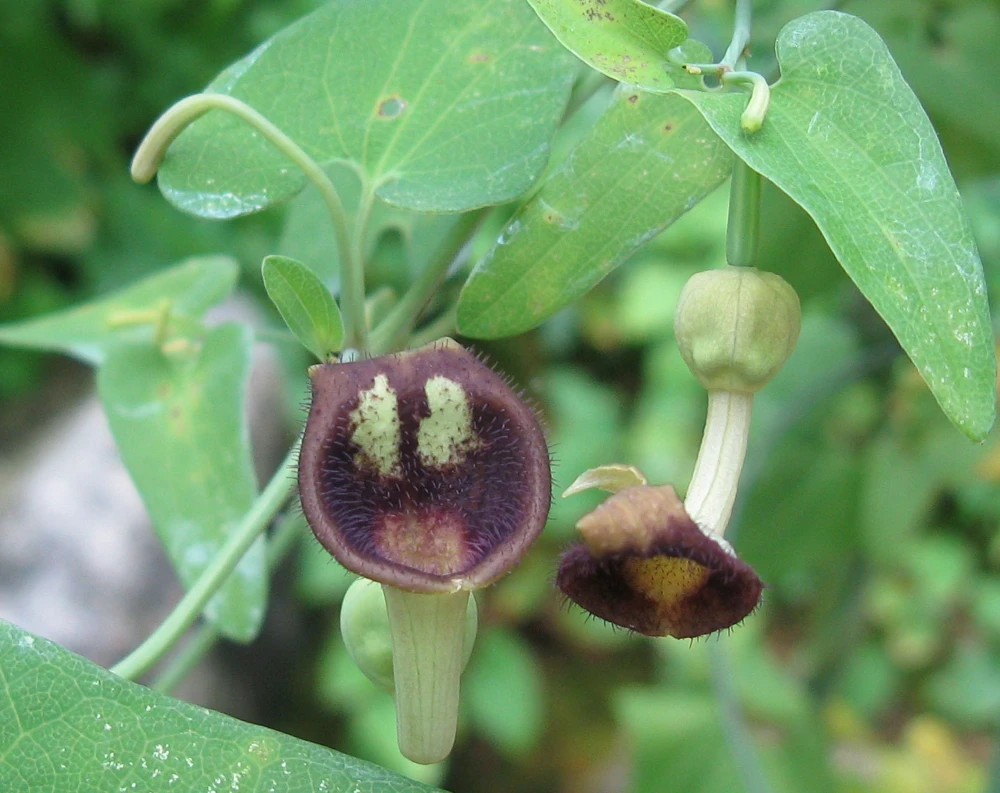
- Unique Ornamental Appeal: The slender pipevine features distinctive, often mottled, pipe-shaped flowers that are a conversation starter. Its delicate foliage and interesting bloom structure add an exotic and intriguing element to shaded garden areas, creating visual interest throughout the growing season.
- Repeated Blooming: This plant is known for blooming repeatedly throughout the year, ensuring a continuous display of its unique flowers. This extended bloom period provides consistent ecological support and aesthetic beauty.
- Adaptable to Shade: Unlike many flowering plants that demand full sun, Aristolochia debilis thrives in light shade, making it an excellent choice for those challenging areas under trees or on the north side of buildings where other plants struggle.
- Supports Local Ecosystems: By providing a food source for caterpillars, you are fostering a healthier local ecosystem, attracting not only butterflies but also the birds and other beneficial insects that feed on them, thus promoting a balanced garden environment.
- Easy to Grow from Seed: With proper care, these seeds germinate and establish readily, offering a cost-effective way to create a large planting of this valuable vine. The joy of watching a plant grow from a tiny seed to a thriving butterfly magnet is incredibly rewarding.
- Hardy and Resilient: Suitable for a wide range of climates, the slender pipevine is a robust plant once established, offering a long-lasting addition to your garden. Its resilience makes it a low-maintenance choice for busy gardeners.
Plant Care & Growing Tips
Successful Aristolochia debilis cultivation begins with understanding its specific needs. These seeds will thrive when planted in a location that receives light shade. While it can tolerate some morning sun, protection from intense afternoon sun is crucial to prevent leaf scorch and ensure healthy growth. Aim for an area that receives 3-6 hours of dappled sunlight or indirect light daily. This plant is hardy in USDA Hardiness Zones 6 to 11, indicating its adaptability to a broad spectrum of climates, from temperate to subtropical.
When it comes to soil, Aristolochia debilis prefers a well-draining, humus-rich soil. Amending your planting site with compost or other organic matter will significantly improve soil structure and fertility, providing the ideal environment for root development. Consistent moisture is key, especially during dry spells and in the plant’s establishment phase. However, avoid waterlogging, as this can lead to root rot. A good practice is to water deeply when the top inch of soil feels dry to the touch. For optimal growth, a balanced, slow-release fertilizer can be applied in spring, though it is not a heavy feeder.
To ensure robust growth and continuous blooming, occasional pruning can be beneficial. Remove any dead or damaged stems, and trim to maintain desired shape and size. While generally pest-resistant, keep an eye out for common garden pests and address them promptly with organic solutions if necessary. Remember, the goal of Aristolochia debilis cultivation is to create a thriving habitat, so minimizing chemical use is highly recommended. By following these guidelines, your pipevine host plant will flourish, providing a beautiful display and essential support for local butterfly populations.
Size & Details
This product includes 50 Aristolochia debilis seeds, packaged to ensure viability and readiness for planting. Once germinated and established, Aristolochia debilis is a vigorous herbaceous perennial vine that can reach lengths of 10 to 15 feet in a single growing season when provided with adequate support. Its growth rate is considered moderate to fast, allowing it to quickly establish itself in your garden. The leaves are typically heart-shaped, and the unique, pipe-shaped flowers emerge repeatedly throughout the year, adding continuous visual interest. These seeds offer a flexible planting solution, allowing you to sow them directly outdoors in spring after the last frost, or start them indoors for an earlier jump on the growing season. Full maturity and robust flowering can be expected within the first one to two years under ideal growing conditions, transforming your garden into a lively butterfly sanctuary with this crucial pipevine host plant.
Frequently Asked Questions
- Q: How many seeds are included in this pack? A: This pack contains 50 Aristolochia debilis seeds, providing ample opportunity to establish multiple plants or share with fellow gardeners.
- Q: Is this an indoor or outdoor plant? A: Aristolochia debilis is primarily an outdoor plant, thriving in garden settings where it can climb and spread. It is a perennial in suitable climates.
- Q: How much sunlight does Aristolochia debilis need? A: This plant prefers light shade, meaning it thrives with dappled sunlight or protection from intense afternoon sun. Too much direct sun can scorch its leaves.
- Q: Is this plant easy to care for? A: Yes, Aristolochia debilis cultivation is considered relatively easy. Once established, it requires consistent moisture and occasional pruning, making it suitable for gardeners of varying experience levels.
- Q: What condition will the seeds arrive in? A: The Aristolochia debilis seeds will arrive carefully packaged, ensuring their viability and readiness for planting upon receipt.
- Q: How long until it blooms? A: While germination can vary, established plants typically begin to bloom within their first year, with more prolific flowering in the second year and beyond.
- Q: Will it survive winter in my zone? A: Aristolochia debilis is hardy in USDA Hardiness Zones 6 to 11. In colder parts of its range (Zone 6), it may die back to the ground in winter but will typically resprout in spring.
- Q: What kind of soil is best for this plant? A: It prefers well-draining, humus-rich soil. Amending your soil with compost will provide the best growing conditions for your pipevine host plant.
- Q: Why is this plant called a “pipevine host plant”? A: It’s called a pipevine host plant because its leaves are the sole food source for the caterpillars of several Pipevine Swallowtail species, making it essential for their life cycle.
- Q: Can I grow Aristolochia debilis in a container? A: While it’s primarily a climbing vine, it can be grown in a large container with a trellis, provided it receives adequate light shade and consistent watering.
Be the first to review “Aristolochia Debilis Seeds – 50 Count – Pipevine Host Plant”
Related products





Seeds
Sword Fern Seeds – 1500 Polystichum Munitum Spores – Evergreen Foliage, Deer Resistant, Zones 4-9

You May Like

How to Grow Passion Flower (Passiflora) for Tropical Blooms
Few climbing vines in the home garden command attention quite like the exotic Passion Flower (Passiflora). [...]
Nov

Thanksgiving Cactus Care: How to Get Thanksgiving Cactus to Bloom
Is your Thanksgiving cactus growing well but not giving you any flowers? Maybe it looked [...]
Nov

How to Grow Garlic for a Bountiful Home Harvest
Garlic (Allium sativum) is one of the most satisfying, low-maintenance, and flavor-packed crops you can [...]
Oct

Hardneck vs. Softneck Garlic: Which Should You Grow?
Have you ever stood in front of a seed catalog in mid-September, staring at dozens [...]
1 Comment
Oct

When to Plant Music Garlic: Ultimate US Fall Guide
Have you ever spent your fall weekend placing carefully chosen garlic cloves into rich, dark [...]
1 Comment
Oct

5 Best Bulbs for Fall Planting: Brighten Your Garden This Spring
Are you dreaming of a garden full of vibrant colors in the spring? The key [...]
Aug

10 Houseplants That Will Thrive in Your Kitchen
Are you tired of your kitchen feeling dull and lifeless? Want to add a little [...]
1 Comment
Aug
Reviews
There are no reviews yet.