
Aristolochia foetida Seeds – Rare Pipevine Flower Seeds – 5 Count
Original price was: 66.91 $.37.91 $Current price is: 37.91 $.
Cultivate the exotic Aristolochia foetida with this packet of 5 seeds. Known for its striking pink and yellow blossoms, this plant is also a vital pipevine swallowtail host plant, attracting beautiful butterflies to your garden. Ideal for USDA Zones 10-11.
Estimated arrival
Nov 26
Dec 01 - Dec 03
Dec 03 - Dec 08
See our Shipping Policy.
Get in touch with us via email, and our team will review your concerns.
Our Alive & Thrive Guarantee covers issues with your plants within the first 30 days. Read our Refund & Returns Policy.
-
USDA Hardiness Zone
USDA Hardiness Zones 10-11 -
Soil Type
Well-draining, rich soil -
Sunlight Exposure
Full sun to partial shade -
Expected Planting Period
Late winter to early spring (with cold stratification)
Overview
Embark on a rewarding horticultural journey with these rare Aristolochia foetida seeds. Also known as the Pipevine, this fascinating plant produces unique and captivating blossoms that are sure to be a conversation starter in any garden. Each packet contains 5 seeds of this extraordinary species, native to the vibrant landscapes of Mexico. The Aristolochia foetida is cherished not only for its ornamental value but also for its significant ecological role as a host plant for various swallowtail butterflies, including the Pipevine Swallowtail, Polydamas Swallowtail, and Mylotes Cattleheart. Growing these rare Aristolochia seeds requires patience, as germination can be slow, sometimes taking up to two years with a necessary cold period. However, the eventual display of its intricate flowers makes the wait worthwhile, offering a truly unique botanical experience for dedicated gardeners.
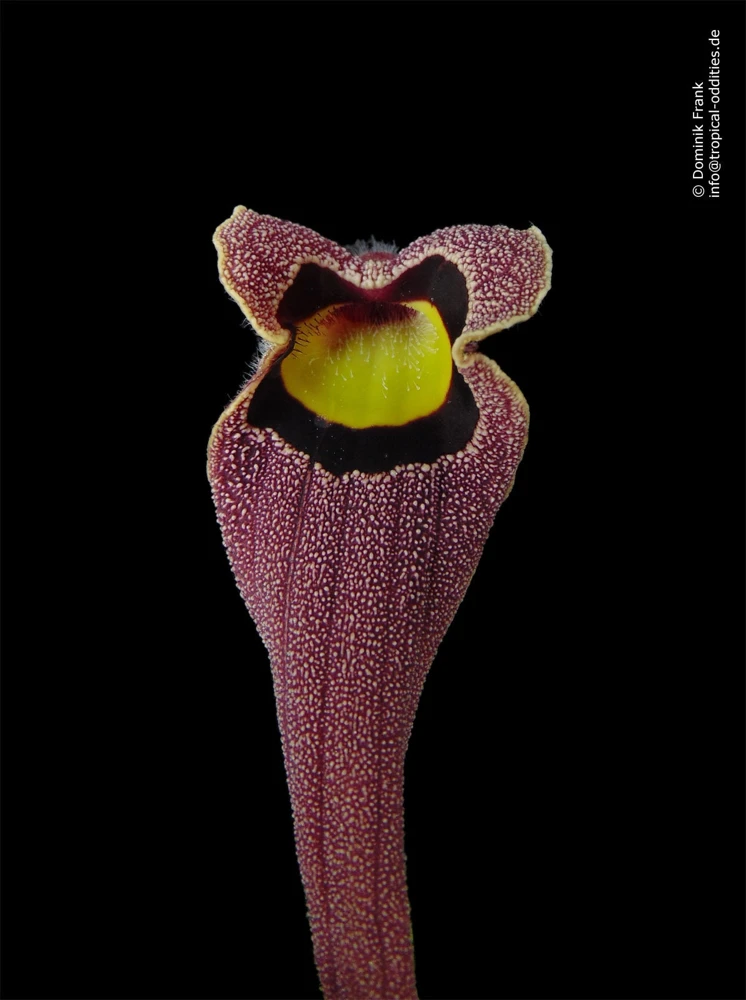
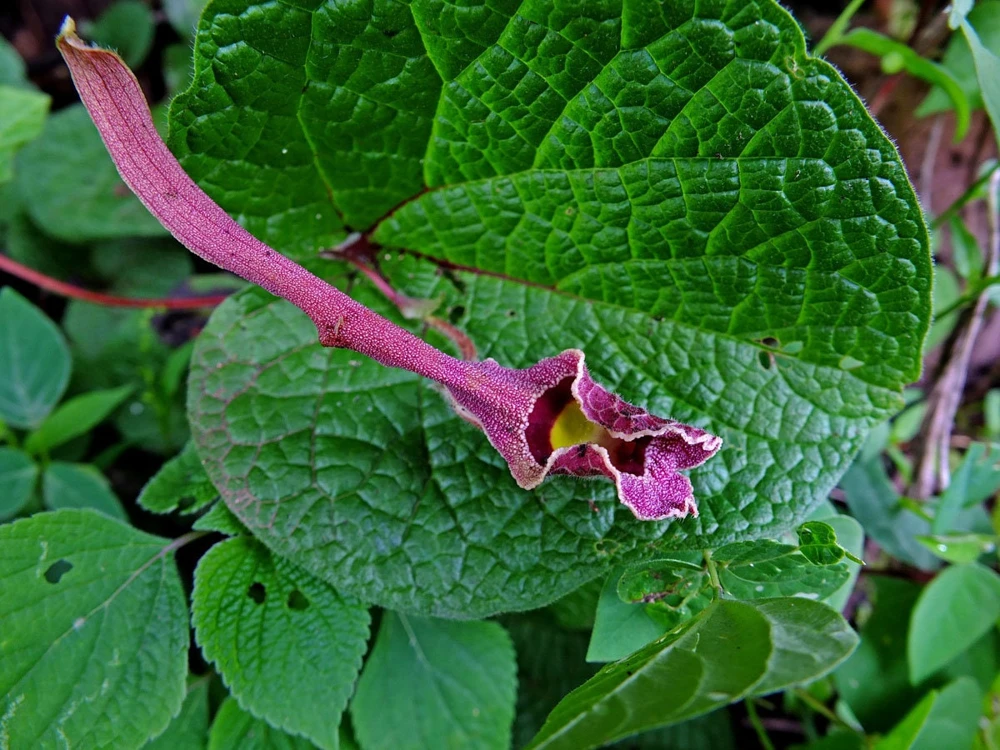
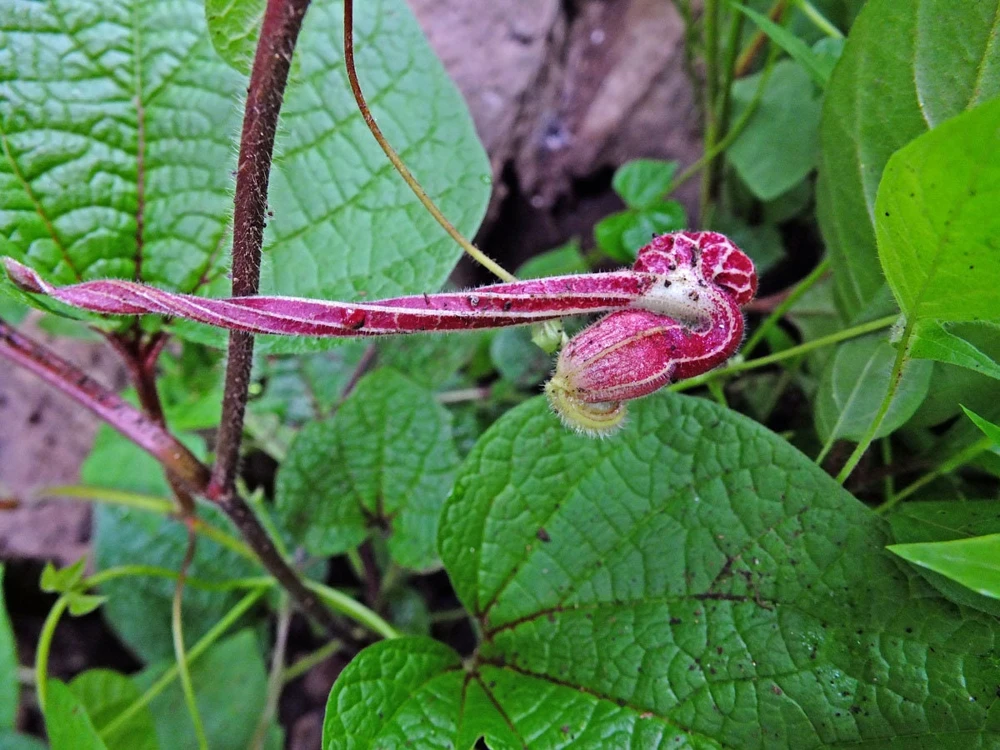
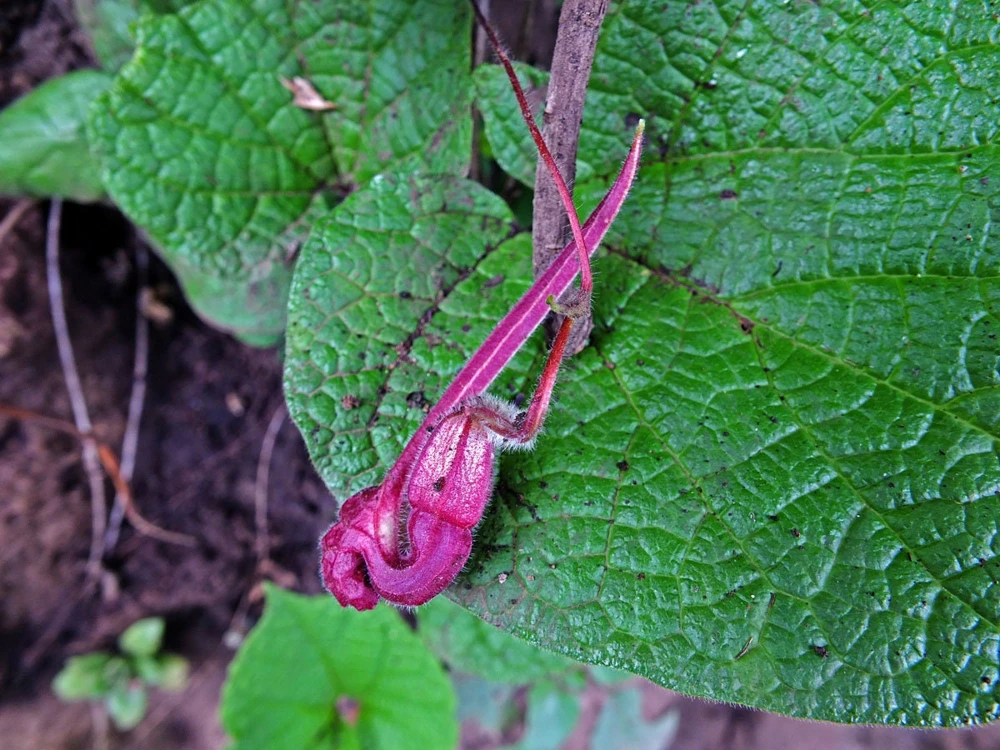
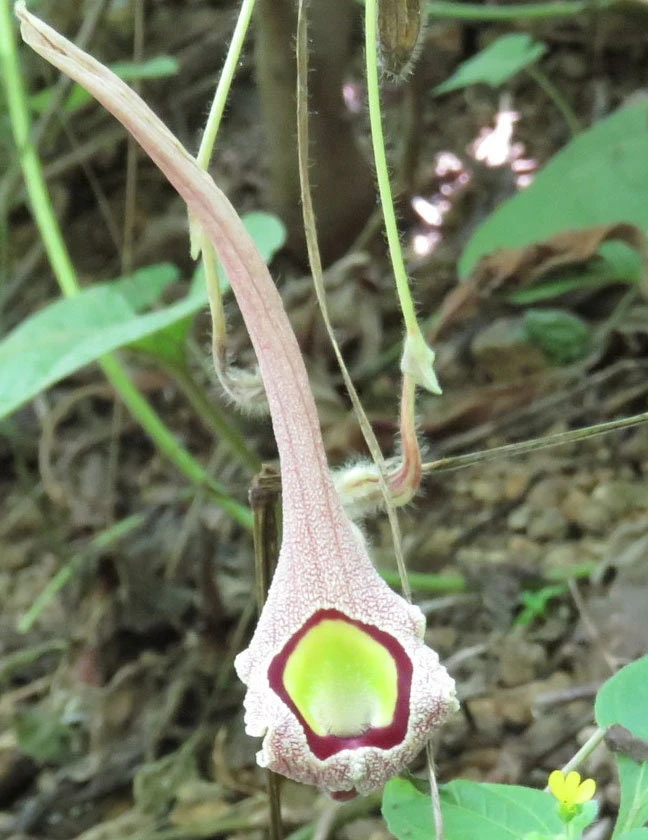
The distinctive flowers of the Aristolochia foetida are a marvel of nature, showcasing a delicate pink hue with a contrasting yellow throat, all framed by a dark maroon outline. These blossoms appear repeatedly, ensuring a continuous and eye-catching display. This particular species, along with most other Aristolochia varieties (excluding Aristolochia gigantea), plays a crucial role in supporting local butterfly populations by providing essential nourishment for their larvae. If you’re looking for a plant that combines exotic beauty with ecological benefit, growing Aristolochia foetida seeds is an excellent choice. It’s a perfect addition for those interested in creating a butterfly garden or simply admiring unusual and striking flora.
Key Benefits
Growing Aristolochia foetida from seeds offers a multitude of benefits for both the gardener and the environment. This unique plant provides an exceptional visual appeal and supports local ecosystems. Here are some of the key advantages of cultivating these remarkable plants from Aristolochia foetida seeds:
- Stunning Floral Display: The blossoms of Aristolochia foetida are truly unique, featuring a captivating pink color with a yellow throat and a dark maroon outline. Their unusual shape and repeating bloom cycle make them a standout feature in any garden, drawing admiration and curiosity.
- Butterfly Host Plant: This plant is an essential larval host for several species of swallowtail butterflies, including the Pipevine Swallowtail, Polydamas Swallowtail, and Mylotes Cattleheart. By planting Aristolochia foetida, you actively contribute to the conservation of these beautiful insects, making your garden a vital habitat.
- Exotic Garden Addition: Native to Mexico, the Aristolochia foetida brings a touch of tropical allure to your outdoor space. Its distinctive appearance and ecological importance make it a prized specimen for collectors of rare and exotic plants.
- Educational Opportunity: Observing the life cycle of butterflies on a host plant like this provides a wonderful educational experience for children and adults alike. It fosters an appreciation for nature and the interconnectedness of plant and animal life.
- Conversation Starter: The unusual and striking nature of the Aristolochia foetida’s flowers is guaranteed to spark curiosity and conversation among visitors. It’s a plant that leaves a lasting impression and showcases your unique gardening interests.
- Rewarding Cultivation: While germination of these rare Aristolochia seeds can be slow, the eventual success of growing such a distinct plant from seed is incredibly gratifying. It’s a testament to patience and dedication in gardening.
- Adaptable to Specific Climates: Thriving in USDA Hardiness Zones 10 to 11, this plant is well-suited for warmer climates, adding lush foliage and unique blooms to suitable environments. Understanding Aristolochia foetida care is key to its success.
Plant Care & Growing Tips
Cultivating Aristolochia foetida from seed requires patience and attention to specific environmental conditions. Germination can be a slow process, often requiring a cold stratification period that can extend up to two years. To encourage successful sprouting of your Aristolochia foetida seeds, it’s recommended to sow them in a well-draining seed-starting mix. Maintain consistent moisture without waterlogging. Once seedlings emerge, provide bright, indirect light. As the plants mature, they will thrive in locations that receive full sun to partial shade. In its native habitat, this plant often grows as a vine, so consider providing a trellis or support structure for it to climb.
For established plants, proper watering is crucial. Keep the soil consistently moist, especially during warmer months, but allow the top inch or two of soil to dry slightly between waterings to prevent root rot. A rich, well-draining soil mix is ideal. If growing in containers, ensure pots have adequate drainage holes. Aristolochia foetida is best suited for USDA Hardiness Zones 10 to 11, meaning it prefers warmer climates and is not tolerant of frost. In cooler zones, it can be grown as an annual or brought indoors during winter. Fertilize sparingly during the growing season with a balanced liquid fertilizer. Keep an eye out for common garden pests, though serious issues are rare. Understanding Aristolochia foetida care will help ensure a healthy and thriving plant that produces many beautiful blooms and serves as a valuable pipevine swallowtail host plant.
Size & Details
This product includes 5 seeds of the unique Aristolochia foetida, ready for you to cultivate into a beautiful, vining plant. Once established, this vigorous vine can reach impressive lengths, often growing several feet annually, depending on growing conditions and support availability. The mature plant will showcase numerous distinctive pink and yellow blossoms throughout its blooming season. While germination can be a lengthy process, taking anywhere from a few months to two years, the resulting plant offers a long-lasting display of exotic beauty. It is specifically suited for outdoor cultivation in USDA Hardiness Zones 10 to 11, where it can be a perennial. In other regions, it can be grown as a warm-season annual or overwintered indoors. Each seed holds the potential for a striking specimen that will enhance your garden’s aesthetic and ecological value as a pipevine swallowtail host plant.
Frequently Asked Questions
- Q: How big does this plant get? A: Once established, Aristolochia foetida is a vigorous vine that can grow several feet in length each year, depending on growing conditions and available support. It can cover trellises or fences.
- Q: Is this an indoor or outdoor plant? A: Aristolochia foetida is primarily an outdoor plant, thriving in USDA Hardiness Zones 10 to 11. In cooler climates, it can be grown as an annual or brought indoors during the winter months.
- Q: How much sunlight does it need? A: This plant prefers full sun to partial shade. Ensure it receives at least 4-6 hours of direct sunlight daily for optimal growth and flowering.
- Q: Is this plant easy to care for? A: While the germination of Aristolochia foetida seeds can be slow and require patience, the mature plant is relatively easy to care for once established, needing consistent moisture and appropriate light.
- Q: What condition will the seeds arrive in? A: You will receive 5 seeds of Aristolochia foetida, carefully packaged to ensure their viability for planting. Detailed instructions for germination are typically included.
- Q: How long until it blooms? A: After successful germination and establishment, the plant can begin to bloom within a year or two, with continuous flowering throughout its active growing season.
- Q: When is the best time to plant Aristolochia foetida seeds? A: Due to the need for a cold stratification period, seeds can be sown in late winter or early spring, allowing nature to facilitate the cold treatment. Alternatively, artificial stratification can be done.
- Q: Will it survive winter in my zone? A: Aristolochia foetida is hardy in USDA Zones 10 to 11. If you are in a colder zone, you will need to protect the plant from frost or grow it as an annual.
- Q: Is this plant known for attracting butterflies? A: Yes, it is a well-known pipevine swallowtail host plant and attracts other swallowtail species, making it an excellent choice for a butterfly garden.
- Q: What does ‘Aristolochia foetida care’ involve for germination? A: Germination can be slow and often requires a cold stratification period. Sowing in a well-draining, moist seed-starting mix and maintaining consistent conditions are key steps. These are truly rare Aristolochia seeds.
Be the first to review “Aristolochia foetida Seeds – Rare Pipevine Flower Seeds – 5 Count”
Related products


You May Like

How to Grow Passion Flower (Passiflora) for Tropical Blooms
Few climbing vines in the home garden command attention quite like the exotic Passion Flower (Passiflora). [...]
Nov

Thanksgiving Cactus Care: How to Get Thanksgiving Cactus to Bloom
Is your Thanksgiving cactus growing well but not giving you any flowers? Maybe it looked [...]
Nov

How to Grow Garlic for a Bountiful Home Harvest
Garlic (Allium sativum) is one of the most satisfying, low-maintenance, and flavor-packed crops you can [...]
Oct

Hardneck vs. Softneck Garlic: Which Should You Grow?
Have you ever stood in front of a seed catalog in mid-September, staring at dozens [...]
1 Comment
Oct

When to Plant Music Garlic: Ultimate US Fall Guide
Have you ever spent your fall weekend placing carefully chosen garlic cloves into rich, dark [...]
1 Comment
Oct

5 Best Bulbs for Fall Planting: Brighten Your Garden This Spring
Are you dreaming of a garden full of vibrant colors in the spring? The key [...]
Aug

10 Houseplants That Will Thrive in Your Kitchen
Are you tired of your kitchen feeling dull and lifeless? Want to add a little [...]
1 Comment
Aug
Reviews
There are no reviews yet.