
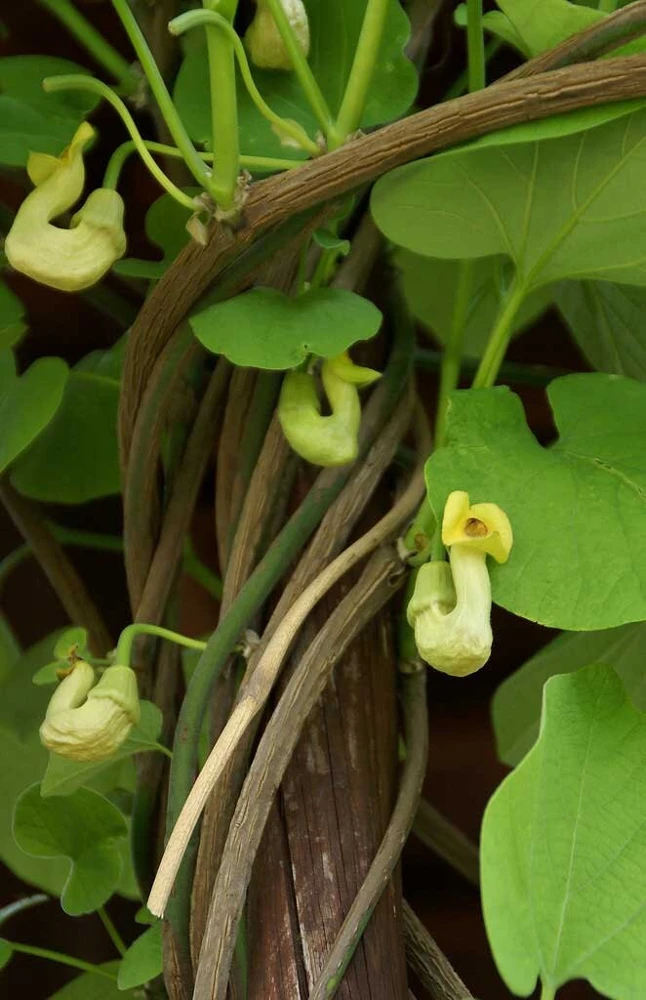
Aristolochia manshuriensis Seeds – Manchurian Pipevine Seeds – 100 Seeds
Original price was: 48.91 $.19.91 $Current price is: 19.91 $.
Discover the beauty of Aristolochia manshuriensis seeds, also known as Manchurian pipevine seeds. These exotic seeds grow into a unique vine, perfect for attracting Pipevine Swallowtail butterflies. An excellent choice for gardeners looking for a distinctive and beneficial plant.
Estimated arrival
Nov 26
Dec 01 - Dec 03
Dec 03 - Dec 08
See our Shipping Policy.
Get in touch with us via email, and our team will review your concerns.
Our Alive & Thrive Guarantee covers issues with your plants within the first 30 days. Read our Refund & Returns Policy.
-
USDA Hardiness Zone
5 to 10 -
Soil Type
Rich, well-draining soil -
Sunlight Exposure
Partial shade -
Expected Planting Period
Spring
Overview
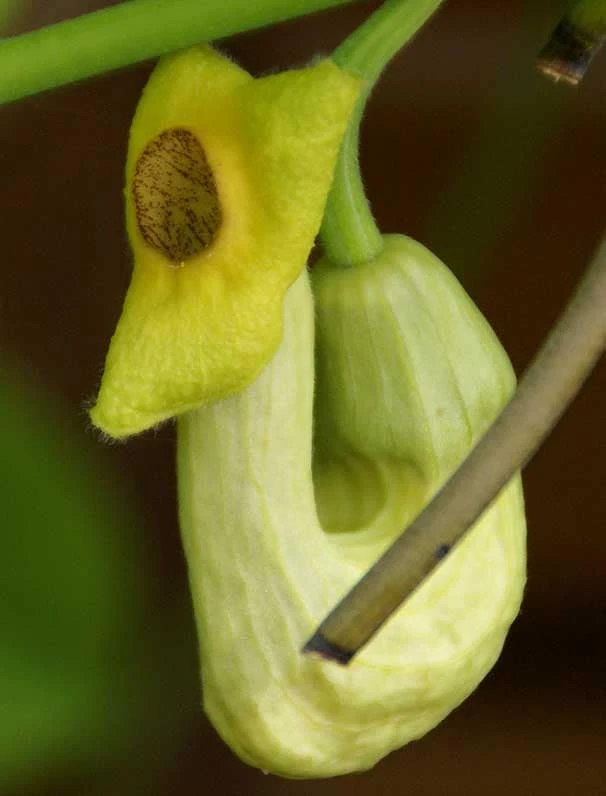
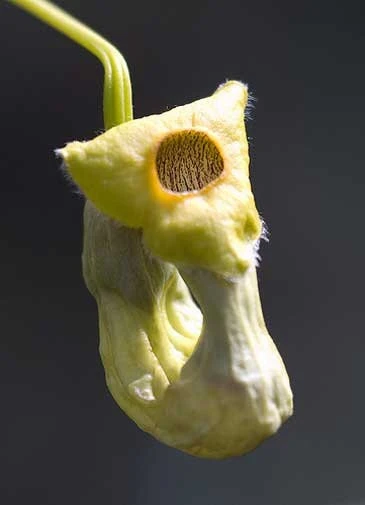
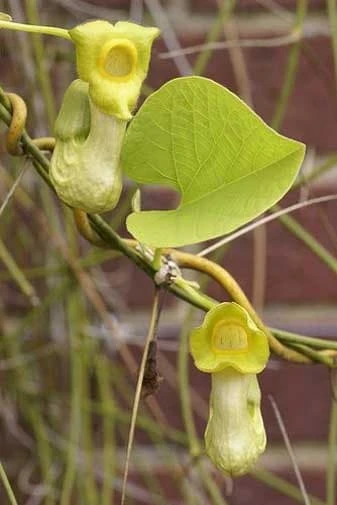
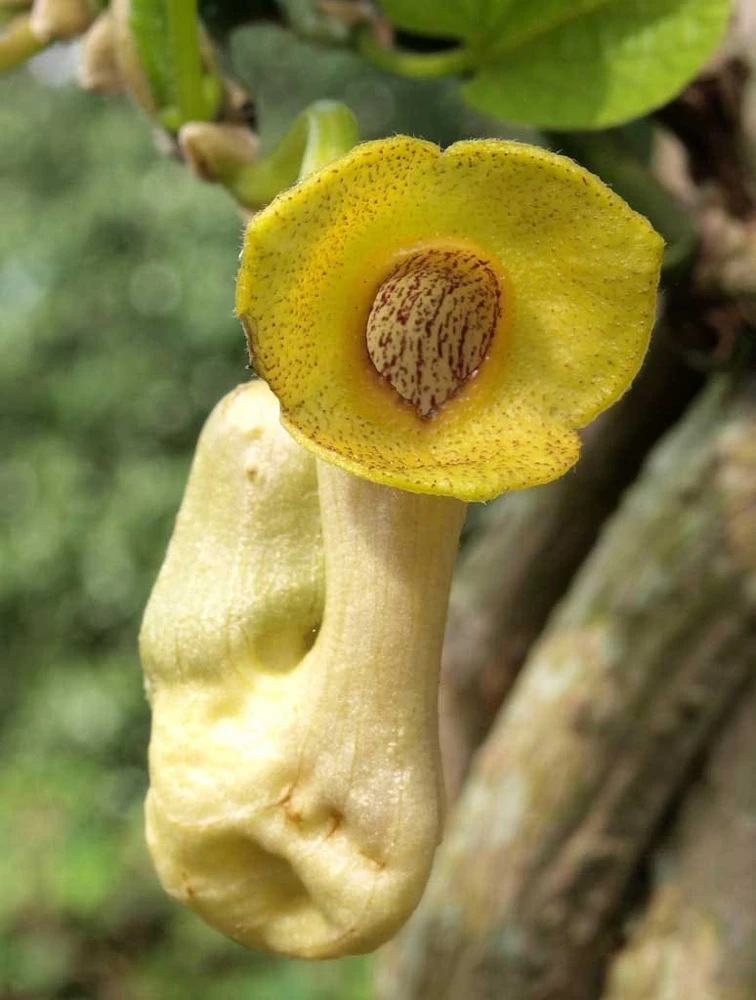
Cultivate a truly unique and captivating vine in your garden with Aristolochia manshuriensis seeds. Also known as Birthwort or Manchurian Pipevine, this fascinating plant is renowned for its exotic-looking, pipe-shaped blooms that emerge from late spring through early summer. Growing this vine from Aristolochia manshuriensis seeds offers a rewarding experience, transforming your outdoor space into a haven for beautiful butterflies. This particular species is a vital larval host plant for several stunning swallowtail butterflies, including the Pipevine Swallowtail, Polydamas Swallowtail, and Mylotes Cattleheart. By planting these Manchurian pipevine seeds, you are not only adding an ornamental marvel to your landscape but also contributing significantly to local pollinator ecosystems. Its lush foliage and intriguing flowers make it a conversation starter, perfect for arbors, pergolas, or fences.
Key Benefits
Planting Aristolochia manshuriensis seeds provides numerous advantages for both your garden and the local environment. These unique vines offer a blend of aesthetic appeal and ecological importance.
-
Exotic Floral Display: The distinctive, pipe-shaped flowers of the Manchurian Pipevine are truly a sight to behold. Blooming from late spring to early summer, they add an unusual and intriguing element to any garden, creating visual interest that sets it apart from more common garden plants. These blooms are a conversation starter.
-
Butterfly Host Plant: This vine is a crucial larval host plant for several swallowtail butterflies, most notably the Pipevine Swallowtail. By growing Aristolochia manshuriensis seeds, you provide essential food and habitat for these magnificent creatures, supporting biodiversity in your backyard. It’s a wonderful way to attract and sustain local butterfly populations.
-
Rapid Growth for Coverage: Once established, the Manchurian Pipevine is a vigorous grower, quickly covering trellises, fences, and arbors with its large, heart-shaped leaves. This makes it an excellent choice for creating natural screens, adding shade, or softening hard architectural lines in your garden. The lush foliage provides a dense, green backdrop.
-
Unique Garden Specimen: For gardeners seeking something out of the ordinary, Manchurian pipevine seeds offer the opportunity to grow a truly unique specimen. Its unusual flowers and large leaves create a dramatic effect, making it a focal point in any garden design. It’s a plant that sparks curiosity and admiration.
-
Adaptable to Various Zones: With a hardiness range spanning USDA Zones 5 to 10, this plant is remarkably adaptable, thriving in a wide range of climates across the United States. This broad adaptability makes it accessible to many gardeners, allowing more people to enjoy the beauty of Aristolochia manshuriensis seeds.
Plant Care & Growing Tips
Successfully growing Aristolochia manshuriensis seeds into a thriving vine requires attention to specific environmental conditions and care practices. This robust plant, also known as Birthwort, is generally low-maintenance once established, but proper initial care will ensure vigorous growth and abundant blooms. Understanding its needs will help you cultivate a healthy and beautiful Manchurian Pipevine.
When it comes to sunlight, the Manchurian Pipevine prefers partial shade, especially in hotter climates where intense afternoon sun can scorch its leaves. In cooler regions, it can tolerate more sun, but a spot with morning sun and afternoon shade is ideal. Ensure the soil is consistently moist but well-draining; it dislikes soggy conditions, which can lead to root rot. A rich, well-draining soil amended with organic matter will provide the best growing medium for your Aristolochia manshuriensis seeds. Water regularly during dry periods, particularly when the plant is young and establishing itself. Once mature, it can tolerate some drought, but consistent moisture promotes healthier growth and more prolific flowering.
This vine is hardy in USDA Zones 5 to 10, making it suitable for a wide range of climates. In colder zones, the plant may die back to the ground in winter but will typically re-emerge in spring. Fertilize in spring with a balanced, slow-release fertilizer to support its vigorous growth. Pruning is best done after flowering to maintain shape and control size, as this vine can grow quite large. Keep an eye out for common garden pests, though the Manchurian Pipevine is generally quite resilient. Providing a sturdy support structure like a trellis or arbor is crucial, as this vine will climb and twine its way upwards, creating a lush, green curtain. Growing your own Birthwort seeds is a rewarding experience, leading to a vibrant garden feature.
Size & Details
Our offering includes 100 Aristolochia manshuriensis seeds, providing a generous quantity for planting and ensuring successful germination. These seeds will develop into a robust, deciduous vine that can reach impressive sizes, typically growing 15 to 30 feet in length, sometimes even more under ideal conditions. The vine features large, heart-shaped leaves, often 6 to 12 inches across, creating a dense canopy of foliage. The unique pipe-shaped flowers, which give the plant its common name, appear from late spring to early summer and can be several inches long. The growth rate is considered fast once established, allowing for quick coverage of desired structures. When you cultivate these rare vine seeds, you can expect a significant increase in size each growing season.
The seeds are shipped in a protective packet, ready for planting. While germination can vary, starting with 100 seeds significantly increases your chances of establishing multiple healthy plants. Expect the first blooms within 2-3 years of planting, with more abundant flowering as the vine matures. This plant is an excellent choice for creating a living screen or adding vertical interest to your garden. The mature plant will provide ample foliage for the Pipevine Swallowtail larvae, fulfilling its role as a crucial host plant.
Frequently Asked Questions
-
Q: How big does the Aristolochia manshuriensis vine get? A: The Manchurian pipevine seeds you plant can grow into a vigorous vine reaching lengths of 15 to 30 feet, sometimes even more. It produces large, heart-shaped leaves that can be 6 to 12 inches wide, creating a dense cover.
-
Q: What are the sunlight requirements for Aristolochia manshuriensis? A: This vine prefers partial shade, especially in hotter climates where intense afternoon sun can be too harsh. In cooler regions, it can tolerate more sun, but a spot with morning sun and afternoon shade is ideal for growing Aristolochia manshuriensis seeds.
-
Q: Is this plant easy to care for? A: Once established, the Manchurian Pipevine is relatively low-maintenance. It requires consistent moisture and a sturdy support structure. Proper initial care after planting the Birthwort seeds will ensure a healthy and vigorous plant.
-
Q: What condition will the seeds arrive in? A: The Aristolochia manshuriensis seeds are shipped in a protective packet to ensure their viability upon arrival. They are ready for immediate planting or proper storage until you are ready to sow them.
-
Q: Can I use this plant to attract butterflies? A: Yes, absolutely! This plant is a crucial larval host for the Pipevine Swallowtail, Polydamas Swallowtail, and Mylotes Cattleheart butterflies. Planting these Pipevine Swallowtail host plant seeds is an excellent way to support these beautiful pollinators.
-
Q: When is the best time to plant Aristolochia manshuriensis seeds? A: The best time to plant these seeds is typically in spring after the last frost, or they can be started indoors several weeks before the last frost date. Follow specific germination instructions for optimal results with your rare vine seeds.
-
Q: Will it survive winter in my zone? A: The Manchurian Pipevine is hardy in USDA Zones 5 to 10. In colder zones (5-6), it may die back to the ground during winter but will reliably regrow from the roots in spring. In warmer zones (7-10), it may retain some foliage or be fully deciduous depending on the winter severity.
-
Q: What kind of soil does Aristolochia manshuriensis prefer? A: This plant thrives in rich, well-draining soil that is consistently moist. Amend your soil with organic matter to provide the best growing conditions for your Manchurian pipevine seeds.
-
Q: How long does it take for the seeds to germinate? A: Germination times can vary, but typically, with proper stratification and care, you can expect germination within several weeks to a few months. Patience is key when growing from Aristolochia manshuriensis seeds.
-
Q: What are the common names for Aristolochia manshuriensis? A: The most common names for this plant are Birthwort and Manchurian Pipevine. It is scientifically known as Aristolochia manshuriensis.
Be the first to review “Aristolochia manshuriensis Seeds – Manchurian Pipevine Seeds – 100 Seeds”
Related products

Seeds
Sword Fern Seeds – 1500 Polystichum Munitum Spores – Evergreen Foliage, Deer Resistant, Zones 4-9


You May Like

How to Grow Passion Flower (Passiflora) for Tropical Blooms
Few climbing vines in the home garden command attention quite like the exotic Passion Flower (Passiflora). [...]
Nov

Thanksgiving Cactus Care: How to Get Thanksgiving Cactus to Bloom
Is your Thanksgiving cactus growing well but not giving you any flowers? Maybe it looked [...]
Nov

How to Grow Garlic for a Bountiful Home Harvest
Garlic (Allium sativum) is one of the most satisfying, low-maintenance, and flavor-packed crops you can [...]
Oct

Hardneck vs. Softneck Garlic: Which Should You Grow?
Have you ever stood in front of a seed catalog in mid-September, staring at dozens [...]
1 Comment
Oct

When to Plant Music Garlic: Ultimate US Fall Guide
Have you ever spent your fall weekend placing carefully chosen garlic cloves into rich, dark [...]
1 Comment
Oct

5 Best Bulbs for Fall Planting: Brighten Your Garden This Spring
Are you dreaming of a garden full of vibrant colors in the spring? The key [...]
Aug

10 Houseplants That Will Thrive in Your Kitchen
Are you tired of your kitchen feeling dull and lifeless? Want to add a little [...]
1 Comment
Aug
Reviews
There are no reviews yet.