
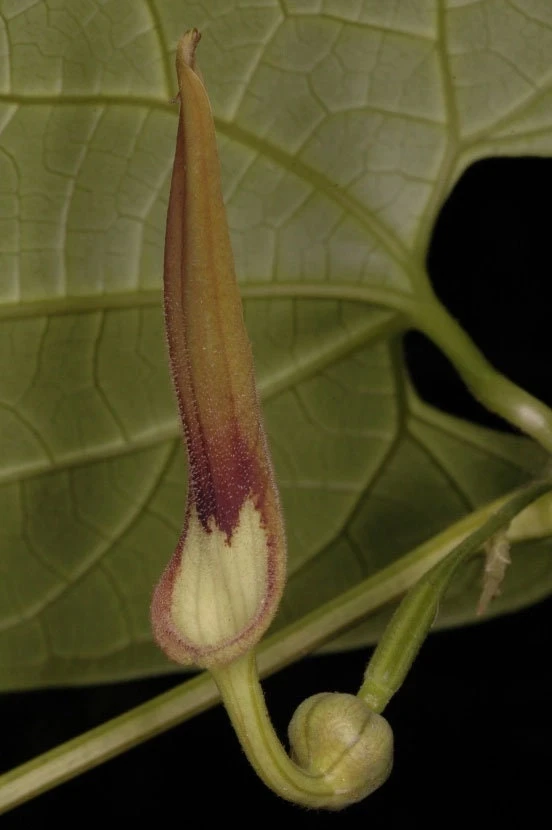
Aristolochia tagala Seeds – Indian Birthwort – 50 Count – Butterfly Host Plant
Original price was: 48.91 $.19.91 $Current price is: 19.91 $.
Cultivate the unique Aristolochia tagala seeds, known as Indian Birthwort seeds, to grow a fascinating evergreen climber. This plant is a vital butterfly host plant seeds, attracting Pipevine Swallowtails and other beautiful species to your garden.
Estimated arrival
Nov 27
Dec 02 - Dec 04
Dec 04 - Dec 09
See our Shipping Policy.
Get in touch with us via email, and our team will review your concerns.
Our Alive & Thrive Guarantee covers issues with your plants within the first 30 days. Read our Refund & Returns Policy.
-
USDA Hardiness Zone
USDA Zones 9 to 11 -
Soil Type
Well-draining, rich in organic matter -
Sunlight Exposure
Full sun to partial shade -
Expected Planting Period
Spring to early summer
Overview
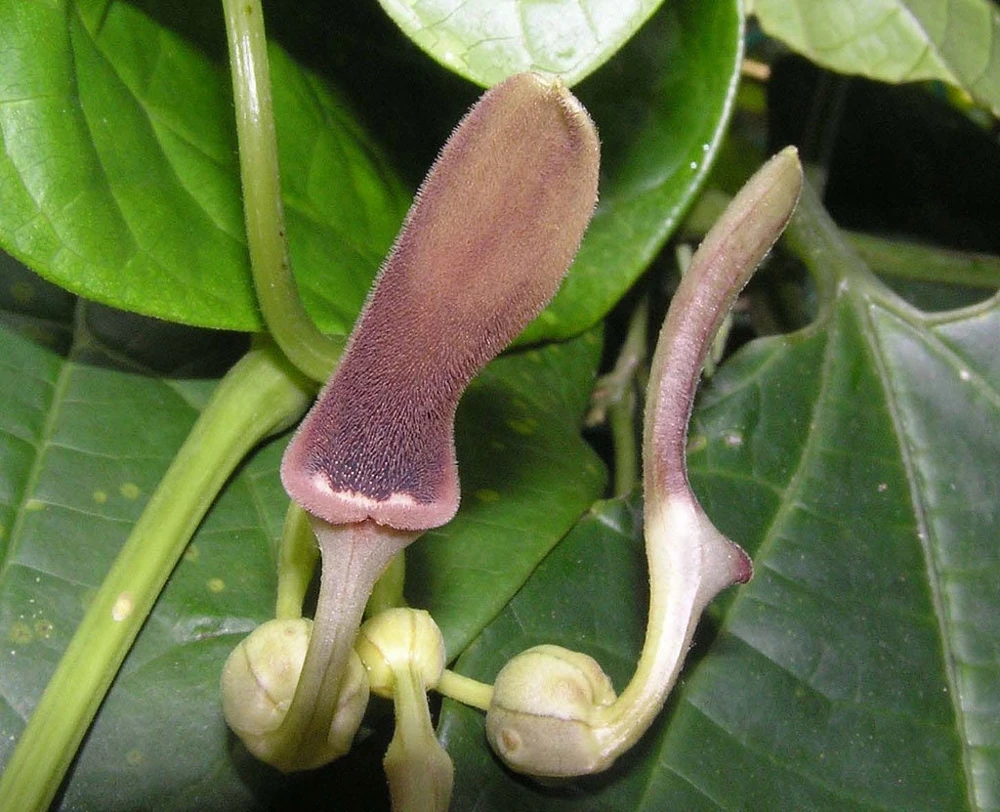
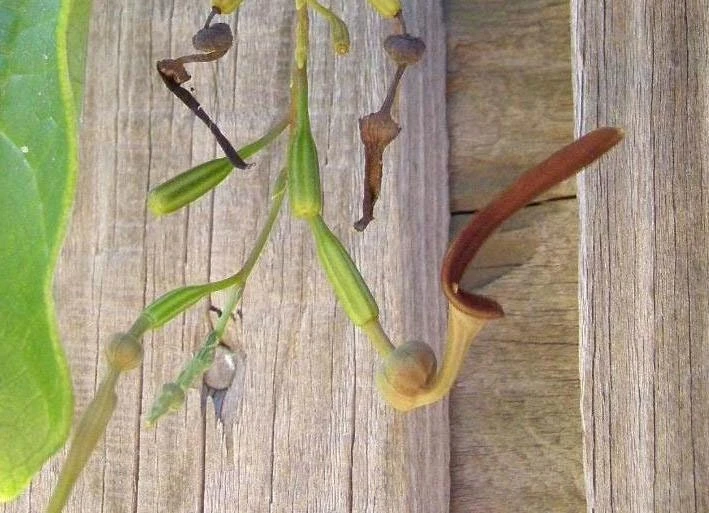
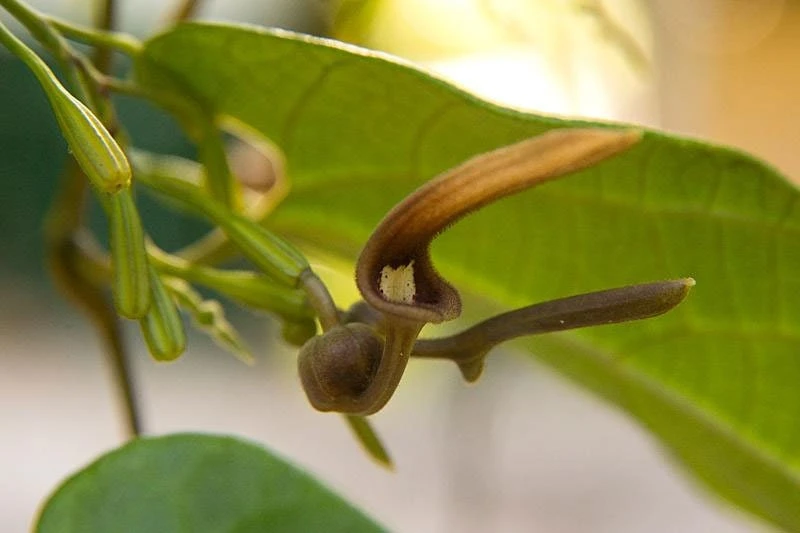
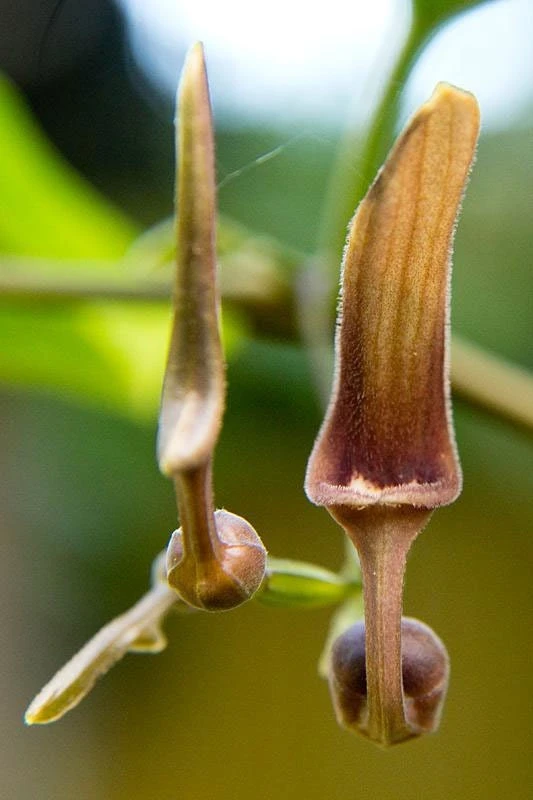
Embark on a rewarding gardening journey with these premium Aristolochia tagala seeds. Also widely recognized as Indian Birthwort seeds, these seeds offer the opportunity to cultivate a truly remarkable evergreen climber. Scientifically known by the synonym Aristolochia acuminata, this plant is not only visually intriguing but also plays a crucial ecological role. It is a highly sought-after butterfly host plant seeds, especially for species such as the Common Rose, Common Birdwing, Pipevine Swallowtail, Polydamas Swallowtail, and Mylotes Cattleheart butterflies. Growing up to an impressive 50 feet long, the Aristolochia tagala showcases a unique pollination mechanism involving insects, making it a fascinating addition to any garden or naturalized area. Its distinctive pitcher-shaped flowers and their interaction with pollinators provide an engaging spectacle for nature enthusiasts.
Key Benefits
The Aristolochia tagala offers a multitude of benefits for both the gardener and the environment. Cultivating this plant from Aristolochia tagala seeds enriches your outdoor space in several meaningful ways.
- Exceptional Butterfly Host: This plant is an essential larval host for a variety of butterflies, including the Common Rose, Common Birdwing, Pipevine Swallowtail, Polydamas Swallowtail, and Mylotes Cattleheart. Planting it directly supports local butterfly populations and biodiversity.
- Unique Evergreen Climber: As an evergreen vine, it provides year-round greenery and structure to trellises, fences, or other support systems, offering continuous visual interest.
- Fascinating Pollination Process: Witness the plant’s unique method of insect-assisted pollination, where the pitcher-shaped flowers temporarily trap insects to ensure successful fertilization. This intricate natural process is a marvel to observe.
- Vigorous Growth: Capable of reaching lengths of up to 50 feet, the Aristolochia tagala can quickly establish itself and cover large areas, creating lush, green backdrops or screens.
- Ecological Contribution: By providing a food source and habitat for specific butterfly larvae, growing Indian Birthwort seeds contributes significantly to maintaining a healthy ecosystem and promotes local wildlife.
- Distinctive Appearance: The unusual flower structure and lush foliage add an exotic and architectural element to your garden design, setting it apart from more common garden plants.
Plant Care & Growing Tips
Growing Aristolochia tagala seeds into a thriving vine requires attention to specific environmental conditions. These seeds prefer a warm climate, ideally within USDA Hardiness Zones 9 to 11. For optimal growth, choose a location that receives full sun to partial shade. In hotter climates, some afternoon shade can be beneficial to prevent leaf scorch. The soil should be well-draining, rich in organic matter, and consistently moist but not waterlogged. Amending heavy clay soils with compost or sand can improve drainage significantly. When planting the Indian Birthwort seeds, sow them just below the soil surface and keep the soil consistently moist until germination occurs, which can sometimes be irregular.
Once established, the Aristolochia tagala is relatively low-maintenance. Water regularly, especially during dry periods, ensuring the soil remains damp. Fertilize with a balanced, slow-release fertilizer in spring to support its vigorous growth. Provide a sturdy trellis, arbor, or fence for the vine to climb, as it can become quite large. Pruning can be done to manage its size and shape, typically after the flowering period. While generally robust, monitor for common garden pests and diseases, addressing any issues promptly with appropriate organic or chemical treatments. Understanding that this is a Pipevine Swallowtail host plant means avoiding pesticides that could harm the butterfly larvae.
Size & Details
This offering includes 50 seeds of Aristolochia tagala, commonly known as Indian Birthwort. Each seed has the potential to grow into a robust evergreen vine capable of reaching lengths of up to 50 feet, depending on growing conditions and support structures. The plant exhibits a vigorous growth rate once established, quickly covering its designated climbing surface. It thrives in USDA Hardiness Zones 9 to 11. The distinctive pitcher-shaped flowers are an integral part of its life cycle, facilitating its unique pollination. These Aristolochia acuminata seeds are a fantastic choice for gardeners looking to introduce a unique, ecologically beneficial plant to their landscape, especially those interested in creating a butterfly-friendly habitat.
Frequently Asked Questions
- Q: How many Aristolochia tagala seeds are included in this package? A: This package contains 50 Aristolochia tagala seeds, providing a generous quantity to start your planting project.
- Q: Is Aristolochia tagala an indoor or outdoor plant? A: While it can be grown in containers and brought indoors in colder climates, it is primarily an outdoor plant, especially when allowed to reach its full potential as a climbing vine. It thrives outdoors in USDA Zones 9 to 11.
- Q: How much sunlight does the Indian Birthwort need? A: The Indian Birthwort seeds grow best in locations that receive full sun to partial shade. In regions with intense summer heat, some afternoon shade is beneficial to protect the foliage.
- Q: What condition will the seeds arrive in? A: The seeds will arrive carefully packaged to ensure their viability and protection during transit, ready for planting upon arrival.
- Q: Is this plant suitable for beginners? A: Yes, with proper attention to its basic needs for sunlight, water, and support, the Aristolochia tagala can be successfully grown by gardeners of various experience levels.
- Q: How long until the Aristolochia tagala flowers? A: The time to flowering can vary depending on growing conditions and climate, but typically, established plants grown from Aristolochia tagala seeds will begin to flower within 1-2 years.
- Q: What’s the minimum temperature this plant can tolerate? A: This plant is suited for USDA Hardiness Zones 9 to 11, meaning it prefers climates where temperatures generally do not drop below 20-25°F (-6 to -4°C).
- Q: What kind of soil is best for Aristolochia tagala? A: It prefers well-draining soil that is rich in organic matter. Amending with compost can improve both drainage and fertility.
- Q: How tall does the Aristolochia tagala grow? A: This vigorous evergreen climber can grow up to 50 feet long, making it suitable for large trellises, arbors, or fences.
- Q: Why is this considered a butterfly host plant? A: Many Aristolochia species, including Aristolochia tagala, are specifically larval host plants for several butterfly species like the Pipevine Swallowtail, meaning their caterpillars feed exclusively on its leaves, making it crucial for their life cycle. This makes them excellent butterfly host plant seeds.
Be the first to review “Aristolochia tagala Seeds – Indian Birthwort – 50 Count – Butterfly Host Plant”
Related products


You May Like

How to Grow Passion Flower (Passiflora) for Tropical Blooms
Few climbing vines in the home garden command attention quite like the exotic Passion Flower (Passiflora). [...]
Nov

Thanksgiving Cactus Care: How to Get Thanksgiving Cactus to Bloom
Is your Thanksgiving cactus growing well but not giving you any flowers? Maybe it looked [...]
Nov

How to Grow Garlic for a Bountiful Home Harvest
Garlic (Allium sativum) is one of the most satisfying, low-maintenance, and flavor-packed crops you can [...]
Oct

Hardneck vs. Softneck Garlic: Which Should You Grow?
Have you ever stood in front of a seed catalog in mid-September, staring at dozens [...]
1 Comment
Oct

When to Plant Music Garlic: Ultimate US Fall Guide
Have you ever spent your fall weekend placing carefully chosen garlic cloves into rich, dark [...]
1 Comment
Oct

5 Best Bulbs for Fall Planting: Brighten Your Garden This Spring
Are you dreaming of a garden full of vibrant colors in the spring? The key [...]
Aug

10 Houseplants That Will Thrive in Your Kitchen
Are you tired of your kitchen feeling dull and lifeless? Want to add a little [...]
1 Comment
Aug
Reviews
There are no reviews yet.