
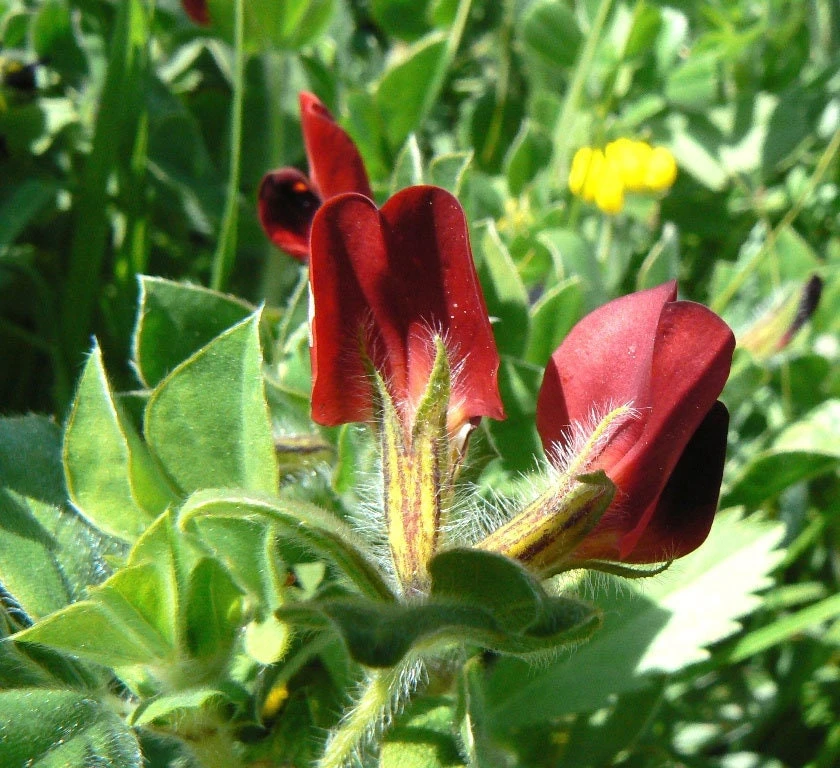
Asparagus Pea Seeds – Winged Lotus – Edible Ornamental – 5 Seeds
Original price was: 48.91 $.19.91 $Current price is: 19.91 $.
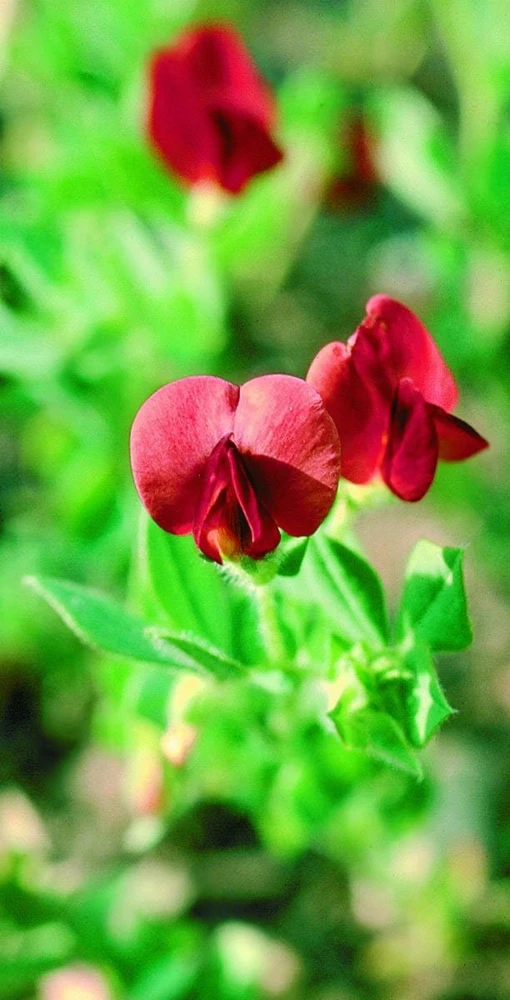
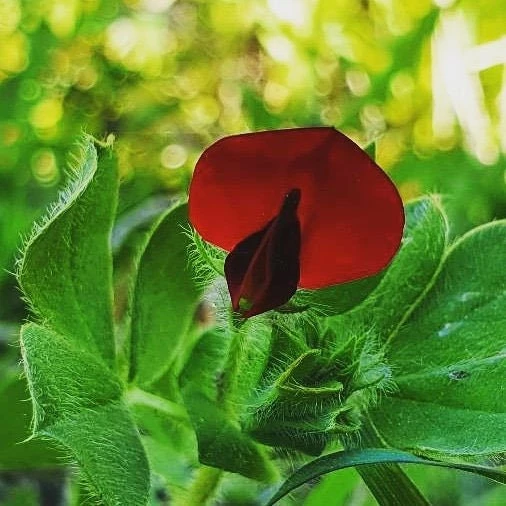
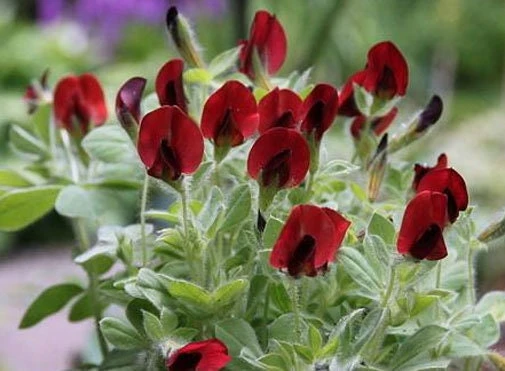
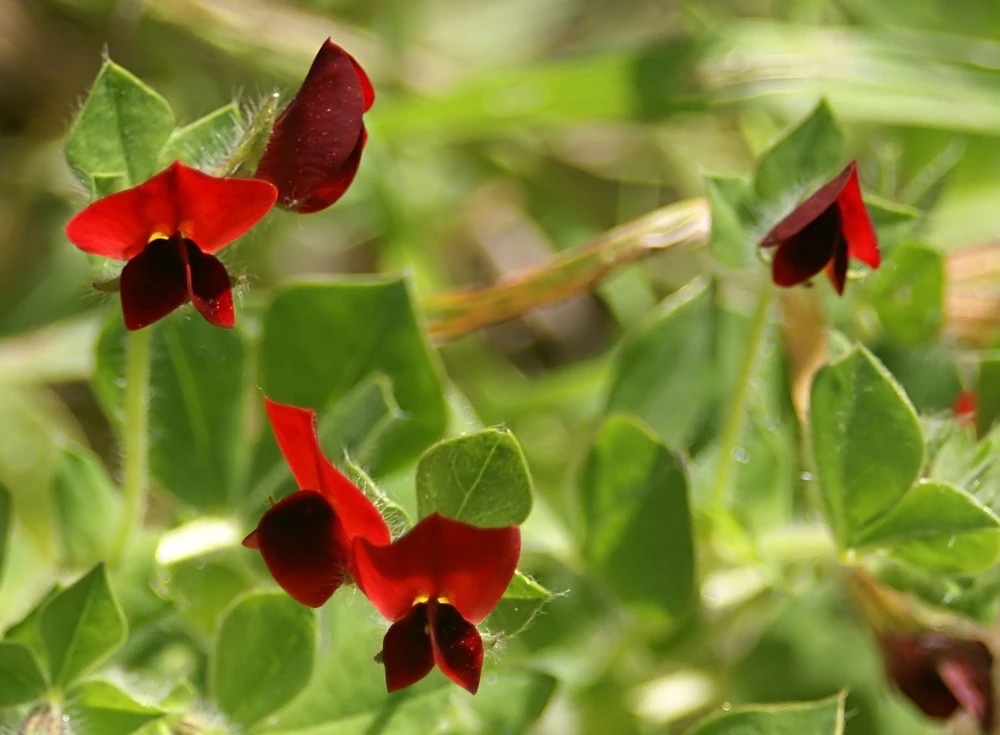
Cultivate the unique Asparagus Pea seeds, also known as Winged Lotus seeds. This dual-purpose plant offers both ornamental red-purple flowers and delicious, asparagus-flavored pods. Perfect for gardens in all USDA Hardiness Zones.
Estimated arrival
Nov 29
Dec 04 - Dec 06
Dec 06 - Dec 11
See our Shipping Policy.
Get in touch with us via email, and our team will review your concerns.
Our Alive & Thrive Guarantee covers issues with your plants within the first 30 days. Read our Refund & Returns Policy.
-
USDA Hardiness Zone
All USDA Hardiness Zones (as an annual) -
Soil Type
Well-draining soil -
Sunlight Exposure
Full sun -
Expected Planting Period
Spring after last frost
Overview
Discover the fascinating world of the Asparagus Pea seeds, a truly versatile and captivating plant known botanically as Tetragonolobus purpureus. Also affectionately called Winged Pea, Square Podded Pea, or Winged Lotus seeds, this plant offers a delightful blend of ornamental beauty and culinary utility. Our premium pack of Asparagus Pea seeds provides the opportunity to grow this unique annual that thrives in full sun, producing stunning red and purple flowers throughout the summer months. Beyond its visual appeal, the young seed pods are a gourmet’s delight, offering a delicate asparagus-like flavor perfect for fresh salads, stir-fries, or stews. This plant is an excellent choice for gardeners looking to add an unusual and productive crop to their edible landscape, making it a truly exceptional edible ornamental seeds option for any garden.
The Asparagus Pea seeds are incredibly adaptable, capable of growing successfully across all USDA Hardiness Zones as an annual. Its ease of cultivation makes it suitable for both novice and experienced gardeners. The historical use of its roasted and ground seeds as a coffee substitute further highlights its versatility, offering a glimpse into traditional culinary practices. Embrace the joy of growing your own Asparagus Pea, a plant that promises both visual splendor and delicious rewards from your garden.
Key Benefits
Growing Asparagus Pea seeds offers a multitude of advantages for your garden and culinary adventures:
- Dual Purpose Beauty: Enjoy beautiful red and purple flowers that add a vibrant splash of color to your garden, making it a true edible ornamental seeds variety. These blooms are a charming addition to any flower bed or vegetable patch.
- Unique Edible Pods: Harvest young, tender pods that boast a distinct flavor, often compared to asparagus. These pods are a delightful and healthy addition to various dishes, from salads to light stir-fries.
- Easy to Grow Annual: This plant is an annual that can be successfully grown in all USDA Hardiness Zones, making it accessible to gardeners across diverse climates. It’s relatively low maintenance once established.
- Versatile Culinary Use: The young pods are excellent when eaten fresh or lightly cooked. Historically, the mature seeds have even been roasted and ground to serve as a coffee substitute, showcasing the plant’s adaptability.
- Attracts Pollinators: The vibrant flowers of the Winged Lotus seeds can attract beneficial pollinators to your garden, contributing to a healthier ecosystem and potentially improving yields for other plants.
- Compact Growth Habit: Asparagus Pea typically grows as a compact plant, making it suitable for smaller gardens, raised beds, or even container gardening, maximizing your growing space.
- Adds Novelty to the Garden: Introduce an unusual and conversation-starting plant to your collection. The unique winged pods are sure to intrigue friends and family.
Plant Care & Growing Tips
To successfully grow asparagus pea from your Asparagus Pea seeds, understanding its basic needs is key. These plants thrive in a location that receives full sun, meaning at least 6-8 hours of direct sunlight per day. Adequate sunlight is crucial for robust growth and abundant flowering and pod production. While adaptable, well-draining soil is preferred to prevent waterlogging, which can be detrimental to the roots. A slightly acidic to neutral pH (6.0-7.0) is ideal. Before planting, consider amending heavy clay soils with organic matter to improve drainage and aeration.
Watering should be consistent, especially during dry spells and when the plants are young. Aim to keep the soil evenly moist but not waterlogged. Once established, Asparagus Pea shows some drought tolerance but will perform best with regular moisture. Fertilization is generally not heavily required if planted in fertile soil. However, a balanced, all-purpose fertilizer can be applied once or twice during the growing season, particularly if your soil is poor. As an annual, Tetragonolobus purpureus completes its life cycle within one year. Pests are generally not a major issue, but keep an eye out for common garden pests and address them with organic solutions if necessary. Support may be needed for sprawling plants to keep the pods off the ground.
Harvesting the pods when they are young and tender, typically 1-2 inches long, will encourage continuous production. If you let them mature, they become tougher and less palatable for eating fresh, but the seeds can be collected for future planting or other uses. The plant’s ability to grow in all USDA Hardiness Zones as an annual makes it a versatile choice for many gardeners looking to grow asparagus pea.
Size & Details
Our offering includes 5 seeds of Tetragonolobus purpureus, commonly known as Asparagus Pea or Winged Lotus. These seeds are ready for planting to start your unique edible and ornamental garden. Each plant typically grows to a height of 12-18 inches (30-45 cm) and can spread similarly, forming a bushy, somewhat sprawling habit. The growth rate is moderate, with plants reaching maturity and beginning to flower in mid-summer, approximately 60-70 days after planting. The pods are best harvested when young, about 1-2 inches long, for optimal flavor and tenderness. These seeds are provided in a protective packet, ensuring their viability for successful germination. You can expect to grow asparagus pea plants that are both productive and visually appealing.
Frequently Asked Questions
- Q: How big does this plant get? A: Asparagus Pea typically grows to about 12-18 inches (30-45 cm) tall and can have a similar spread, forming a compact, bushy plant.
- Q: Is this an indoor or outdoor plant? A: While it can be started indoors, Asparagus Pea seeds are primarily grown outdoors as an annual for its edible pods and ornamental flowers, thriving in full sun.
- Q: How much sunlight does it need? A: This plant requires full sun, meaning at least 6-8 hours of direct sunlight per day, for best growth and pod production.
- Q: Is this plant easy to care for? A: Yes, Asparagus Pea is considered relatively easy to care for, making it suitable for gardeners of all experience levels. It’s a great choice if you want to grow asparagus pea without much fuss.
- Q: What condition will the Asparagus Pea seeds arrive in? A: Your Asparagus Pea seeds will arrive in a sealed packet, ensuring their freshness and viability for successful planting.
- Q: When is the best time to plant these seeds? A: The best time to plant Winged Lotus seeds is after the last frost in spring, once the soil has warmed up.
- Q: Will it survive winter in my zone? A: Asparagus Pea is an annual plant, meaning it completes its life cycle in one growing season and will not survive winter. However, it can be grown in all USDA Hardiness Zones during its active growing season.
- Q: Can the pods truly be eaten? A: Yes, the young, tender pods are edible and have a mild flavor reminiscent of asparagus, making them a unique addition to your culinary repertoire.
- Q: What is the main use of Tetragonolobus purpureus? A: The main use of Tetragonolobus purpureus is as a dual-purpose plant, grown for its beautiful red-purple flowers and its uniquely flavored edible young pods, making it an excellent edible ornamental seeds choice.
- Q: How many seeds are included? A: This product includes a pack of 5 seeds, providing a good starting quantity for your garden.
Be the first to review “Asparagus Pea Seeds – Winged Lotus – Edible Ornamental – 5 Seeds”
Related products


You May Like

How to Grow Passion Flower (Passiflora) for Tropical Blooms
Few climbing vines in the home garden command attention quite like the exotic Passion Flower (Passiflora). [...]
Nov

Thanksgiving Cactus Care: How to Get Thanksgiving Cactus to Bloom
Is your Thanksgiving cactus growing well but not giving you any flowers? Maybe it looked [...]
Nov

How to Grow Garlic for a Bountiful Home Harvest
Garlic (Allium sativum) is one of the most satisfying, low-maintenance, and flavor-packed crops you can [...]
Oct

Hardneck vs. Softneck Garlic: Which Should You Grow?
Have you ever stood in front of a seed catalog in mid-September, staring at dozens [...]
1 Comment
Oct

When to Plant Music Garlic: Ultimate US Fall Guide
Have you ever spent your fall weekend placing carefully chosen garlic cloves into rich, dark [...]
1 Comment
Oct

5 Best Bulbs for Fall Planting: Brighten Your Garden This Spring
Are you dreaming of a garden full of vibrant colors in the spring? The key [...]
Aug

10 Houseplants That Will Thrive in Your Kitchen
Are you tired of your kitchen feeling dull and lifeless? Want to add a little [...]
1 Comment
Aug
Reviews
There are no reviews yet.