
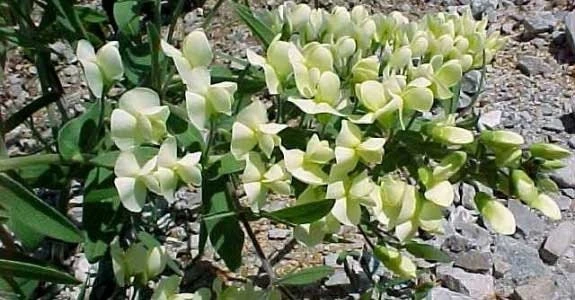
Baptisia bracteata False Indigo Seeds – 5 Seeds Cream Wild Indigo for Pollinators
Original price was: 48.91 $.19.91 $Current price is: 19.91 $.
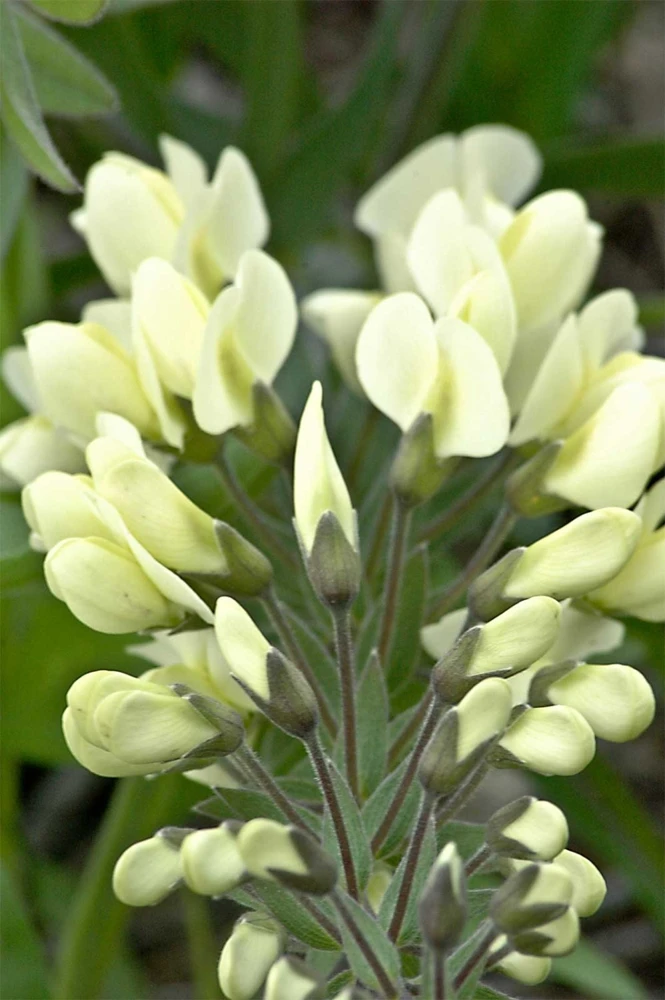
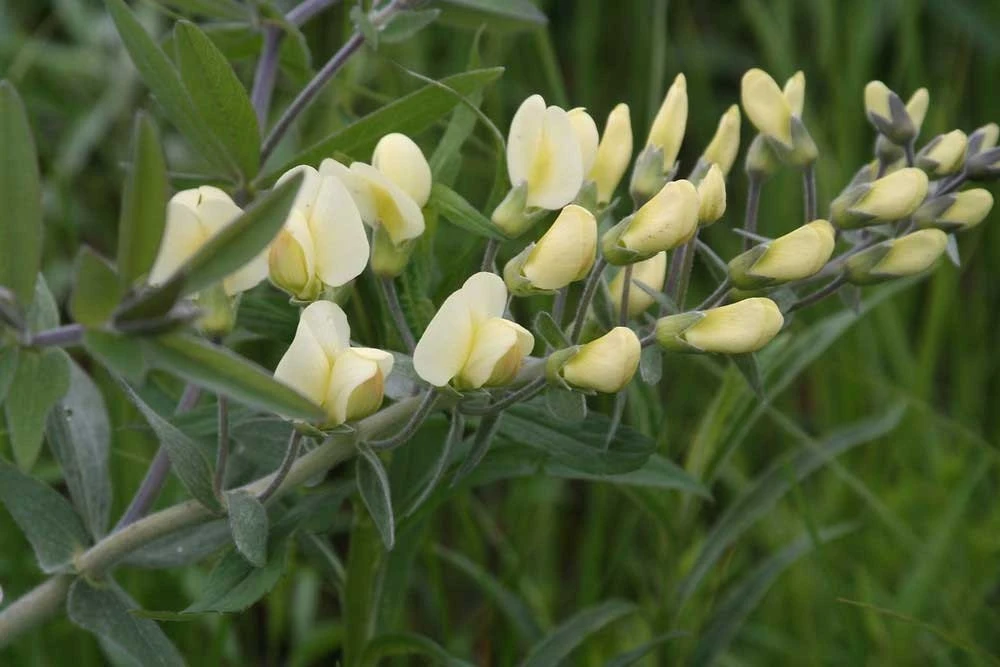
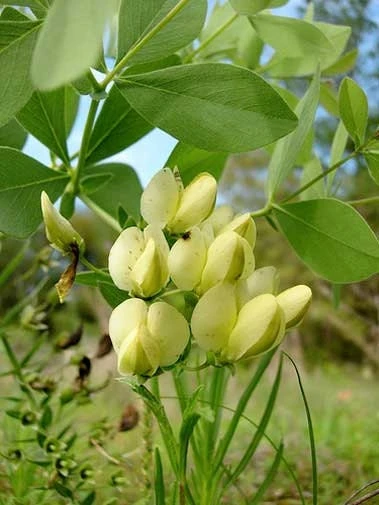
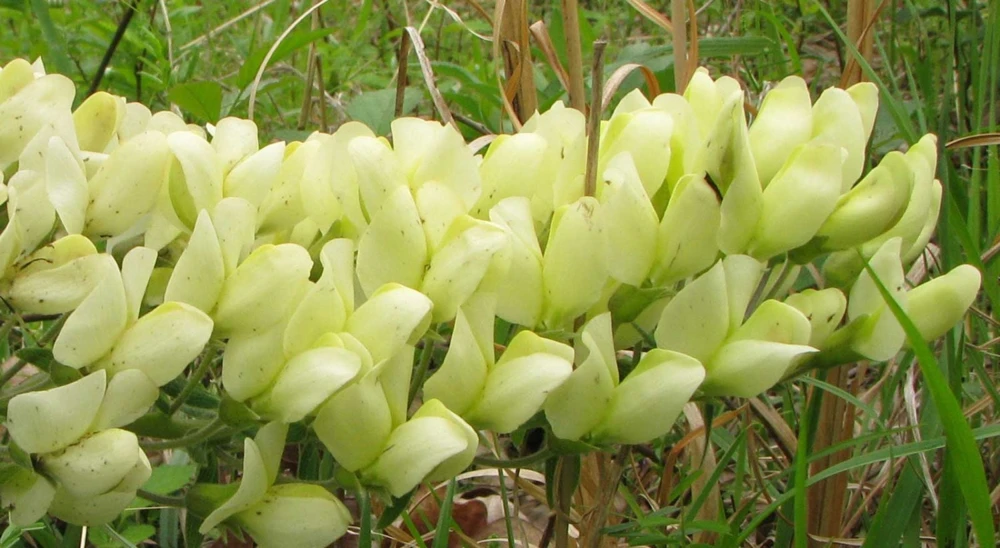
Cultivate the beautiful Baptisia bracteata seeds, also known as False Indigo seeds. This vital perennial supports bumblebee and butterfly populations, growing to about 2 feet tall with cream-colored blooms. Perfect for sun to partial shade gardens, these 5 seeds offer a durable and attractive addition to your landscape.
Estimated arrival
Nov 27
Dec 02 - Dec 04
Dec 04 - Dec 09
See our Shipping Policy.
Get in touch with us via email, and our team will review your concerns.
Our Alive & Thrive Guarantee covers issues with your plants within the first 30 days. Read our Refund & Returns Policy.
-
USDA Hardiness Zone
3 to 9 -
Soil Type
Well-draining soil -
Sunlight Exposure
Full sun to partial shade -
Expected Planting Period
Spring
Overview
Bring the beauty and ecological benefits of native flora to your garden with these premium Baptisia bracteata seeds. Also known by its common names such as False Indigo, Longbract Wild Indigo, Plains Wild Indigo, and Cream Wild Indigo, this perennial plant is a cornerstone for local ecosystems. Each packet contains 5 seeds, ready to grow into robust plants that can thrive for decades. The Baptisia bracteata is particularly significant for pollinators; Queen Bumblebees emerging from hibernation in late spring rely on its nectar, making it an incredibly important resource for the bumblebee population. Beyond its ecological role, its elegant form and cream-colored blooms add a touch of natural sophistication to any garden space, blooming from late spring through mid-summer.
This remarkable plant is not just a treat for the eyes but also a vital host for various butterfly species. It serves as a larval host plant for the Wild Indigo Duskywing and Hoary Edge butterflies, contributing directly to their life cycles. Growing to an average height of about 2 feet, the False Indigo seeds will produce plants that are both manageable and impactful in your landscape. They prefer locations with full sun to partial shade, making them versatile for different garden exposures. Choosing to plant Cream Wild Indigo from seed is a rewarding way to support biodiversity and enjoy a resilient, long-lived perennial.
Key Benefits
Planting Baptisia bracteata seeds offers a multitude of advantages for both your garden and the environment. These plants are incredibly hardy and beneficial. The advantages of growing this native perennial are:
- Pollinator Support: This plant is a critical early food source for Queen Bumblebees, directly supporting their population and the broader ecosystem. Its blooms also attract other beneficial insects and pollinators.
- Butterfly Host Plant: Serves as a vital larval host for the Wild Indigo Duskywing and Hoary Edge butterflies, aiding in the conservation of these beautiful species.
- Longevity: Known to live for decades, often exceeding 20 years, providing a long-term, low-maintenance addition to your garden. This makes False Indigo seeds an excellent investment for enduring beauty.
- Drought Tolerance: Once established, Baptisia bracteata is remarkably drought-tolerant, requiring less frequent watering compared to many other garden plants.
- Low Maintenance: Requires minimal care once established, making it suitable for gardeners seeking beautiful plants without extensive upkeep.
- Versatile Sun Exposure: Thrives in full sun to partial shade, offering flexibility in garden placement and design.
- Aesthetic Appeal: Produces attractive cream-colored blooms from late spring to mid-summer, enhancing the visual appeal of borders, meadows, or native plant gardens.
Plant Care & Growing Tips
Growing Baptisia bracteata seeds into thriving plants is a straightforward process, especially given their hardy nature. For successful germination, it’s often beneficial to scarify the seeds (gently scratch the hard outer coating) and then stratify them (expose them to cold, moist conditions for 30-60 days) to mimic natural winter conditions. Sow the treated seeds in well-draining soil in spring after the last frost. Space them about 18-24 inches apart to allow for mature growth. While young plants will need regular watering to establish strong root systems, mature Baptisia bracteata becomes quite drought-tolerant.
This plant performs best in full sun, meaning at least 6 hours of direct sunlight per day, but it can also tolerate partial shade. In hotter climates, a little afternoon shade might be beneficial. Well-draining soil is crucial to prevent root rot; sandy or loamy soils are ideal. Fertilization is generally not necessary, as Baptisia is a nitrogen-fixing legume, enriching the soil naturally. Avoid over-fertilizing, which can lead to leggy growth and fewer flowers. Pruning is usually limited to removing spent flower stalks or tidying up the plant after blooming. The strong taproot of Baptisia makes it difficult to transplant once established, so choose its permanent location carefully. This hardy perennial is resistant to most pests and diseases, making it a reliable choice for gardeners. Remember, planting pollinator plants seeds like these is a direct contribution to local wildlife.
Size & Details
This offering includes 5 seeds of Baptisia bracteata, commonly known as Cream Wild Indigo. Upon successful germination and growth, these perennial plants typically reach a mature height of approximately 2 feet (60 cm). They spread to a similar width, forming an attractive, bushy mound. The plant boasts a moderate growth rate, establishing well within its first year and increasing in size in subsequent seasons. Blooms appear from late spring through the middle of summer, showcasing delicate cream-colored flowers arranged on tall spikes. The seeds provided are for outdoor planting, designed to grow into robust, long-lived specimens that can persist for over two decades in optimal conditions. Each seed holds the potential to become a significant part of your garden’s ecological tapestry, providing sustained beauty and support for local wildlife. Ensure you provide ample space for these plants to mature and showcase their full splendor.
Frequently Asked Questions
- Q: How big does this plant get from these 5 seeds? A: From these 5 seeds, you can expect mature Baptisia bracteata plants to grow to an average height of about 2 feet (60 cm) and a similar spread. They form a robust, bushy habit over time.
- Q: Is this an indoor or outdoor plant? A: Baptisia bracteata is an outdoor perennial plant. It is best suited for garden beds, borders, or naturalized areas where it can receive adequate sunlight and space.
- Q: How much sunlight does it need? A: This plant thrives in full sun, requiring at least 6 hours of direct sunlight daily. It can also tolerate partial shade, especially in regions with very hot summer afternoons.
- Q: Is this plant easy to care for? Is it good for beginners? A: Yes, once established, Baptisia bracteata is considered a very low-maintenance plant, making it an excellent choice for beginner gardeners. Its hardiness and drought tolerance reduce the need for constant attention.
- Q: What condition will the seeds arrive in? A: The Baptisia bracteata seeds will arrive as dry, viable seeds, ready for scarification and stratification before planting. They are carefully packaged to ensure their integrity during transit.
- Q: How long until it blooms? A: While germination can occur in the first year, Baptisia bracteata typically takes 2-3 years to establish and begin blooming consistently. The blooms then appear from late spring to mid-summer each year.
- Q: Will it survive winter in my zone? A: Yes, this plant is very cold hardy. It is suitable for USDA Hardiness Zones 3 to 9, meaning it can withstand significant winter temperatures and return each spring.
- Q: Why are Baptisia bracteata seeds important for pollinators? A: These pollinator plants seeds grow into plants that provide crucial early-season nectar for Queen Bumblebees when other food sources are scarce. They also serve as host plants for specific butterfly larvae, supporting their life cycle.
- Q: Can I use these seeds for a native plant garden? A: Absolutely! Growing native plant seeds like Baptisia bracteata is ideal for creating or enhancing a native plant garden, supporting local wildlife and biodiversity.
- Q: What kind of soil does Cream Wild Indigo prefer? A: Cream Wild Indigo prefers well-draining soil, such as sandy or loamy types. Good drainage is essential to prevent root issues, especially in areas with heavier rainfall.
Be the first to review “Baptisia bracteata False Indigo Seeds – 5 Seeds Cream Wild Indigo for Pollinators”
Related products




You May Like

How to Grow Passion Flower (Passiflora) for Tropical Blooms
Few climbing vines in the home garden command attention quite like the exotic Passion Flower (Passiflora). [...]
Nov

Thanksgiving Cactus Care: How to Get Thanksgiving Cactus to Bloom
Is your Thanksgiving cactus growing well but not giving you any flowers? Maybe it looked [...]
Nov

How to Grow Garlic for a Bountiful Home Harvest
Garlic (Allium sativum) is one of the most satisfying, low-maintenance, and flavor-packed crops you can [...]
Oct

Hardneck vs. Softneck Garlic: Which Should You Grow?
Have you ever stood in front of a seed catalog in mid-September, staring at dozens [...]
1 Comment
Oct

When to Plant Music Garlic: Ultimate US Fall Guide
Have you ever spent your fall weekend placing carefully chosen garlic cloves into rich, dark [...]
1 Comment
Oct

5 Best Bulbs for Fall Planting: Brighten Your Garden This Spring
Are you dreaming of a garden full of vibrant colors in the spring? The key [...]
Aug

10 Houseplants That Will Thrive in Your Kitchen
Are you tired of your kitchen feeling dull and lifeless? Want to add a little [...]
1 Comment
Aug
Reviews
There are no reviews yet.