
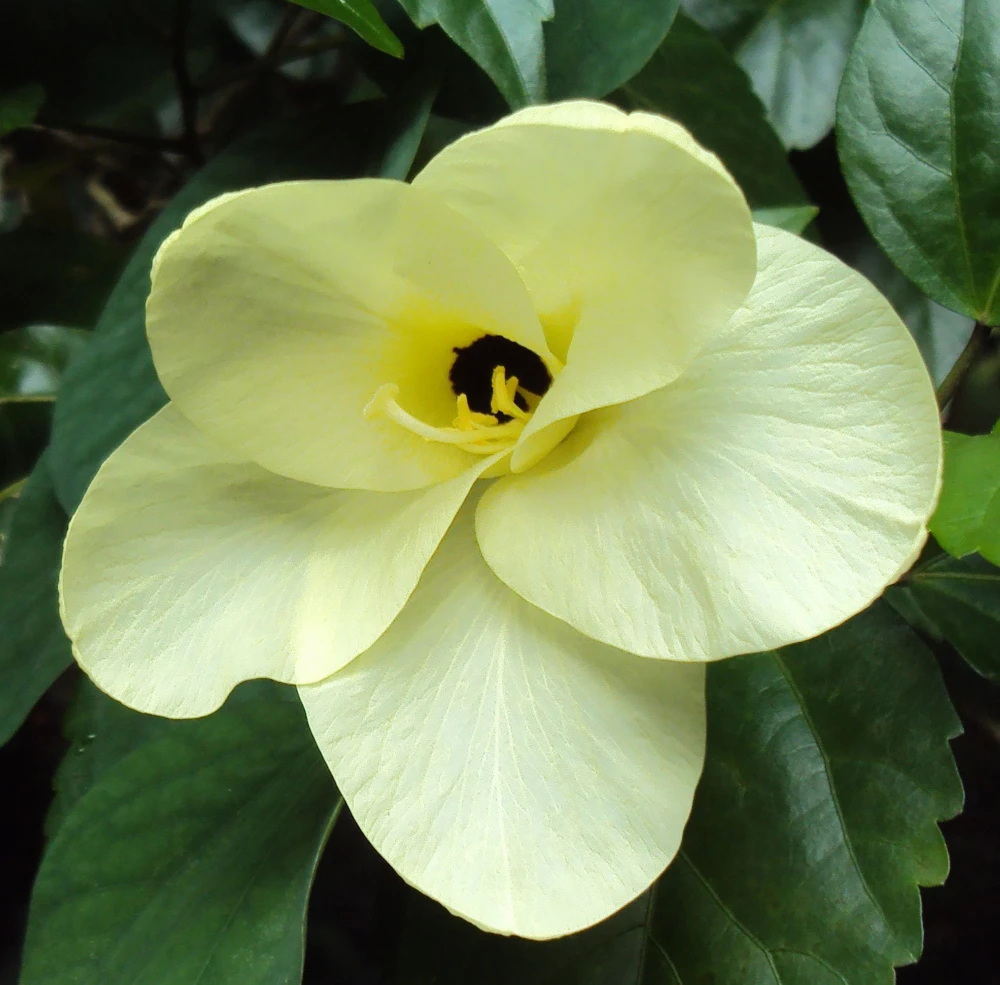
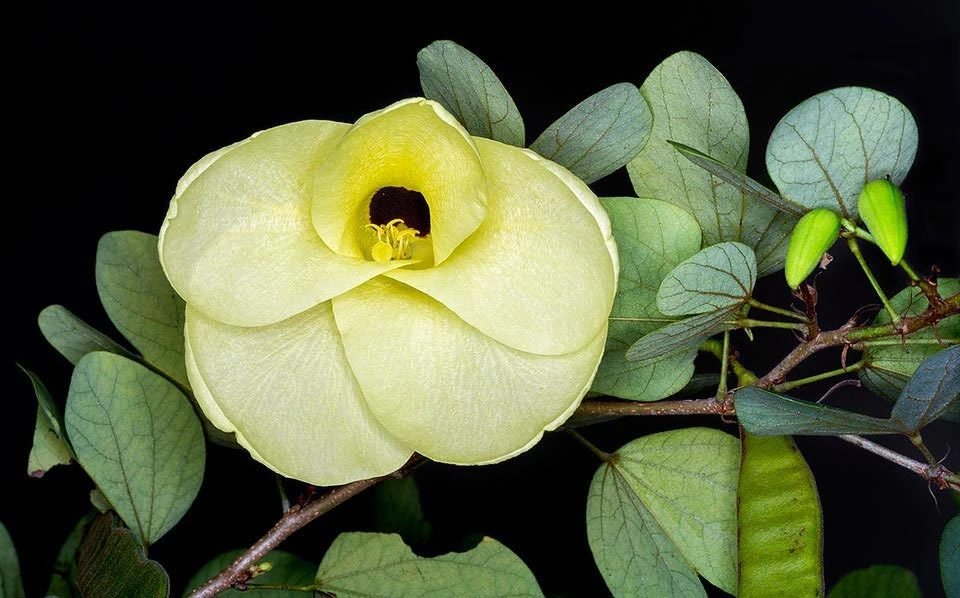
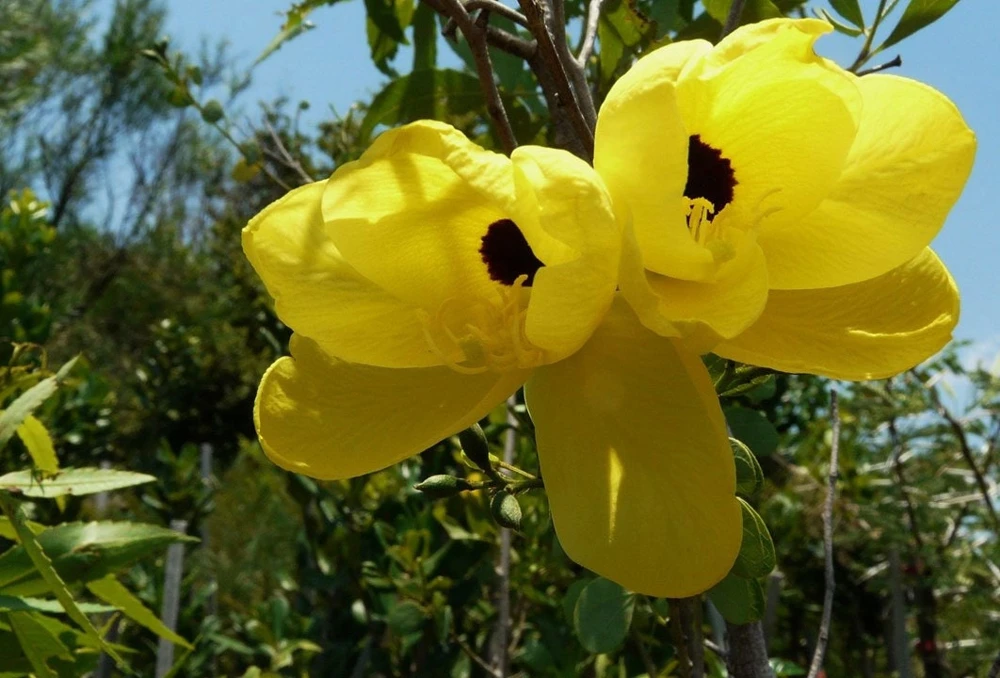
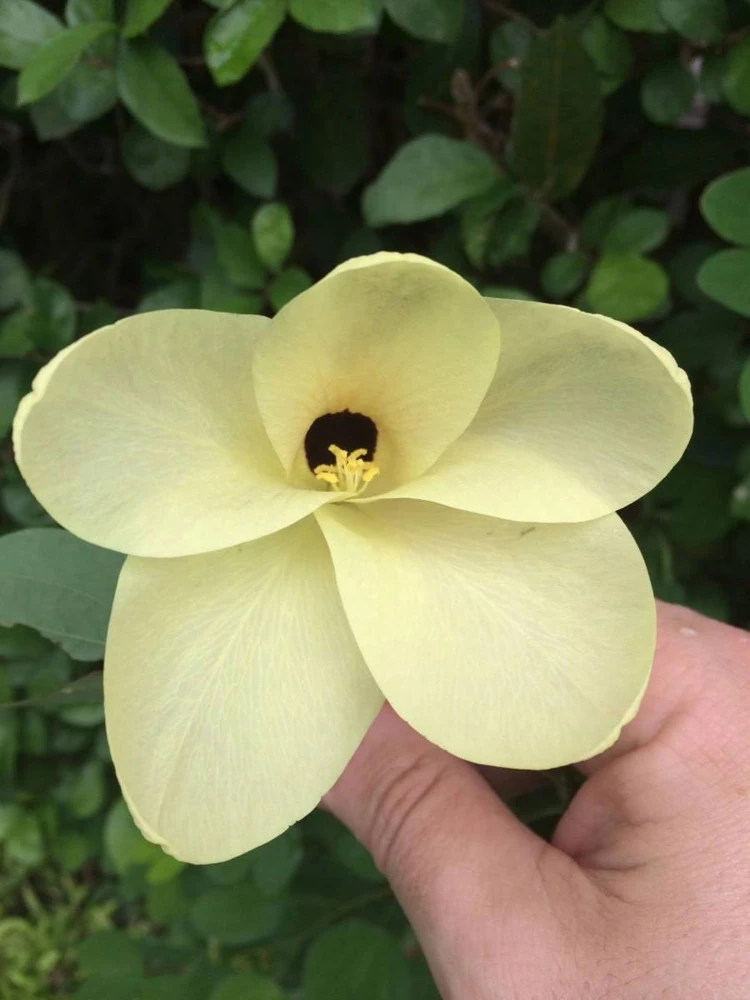
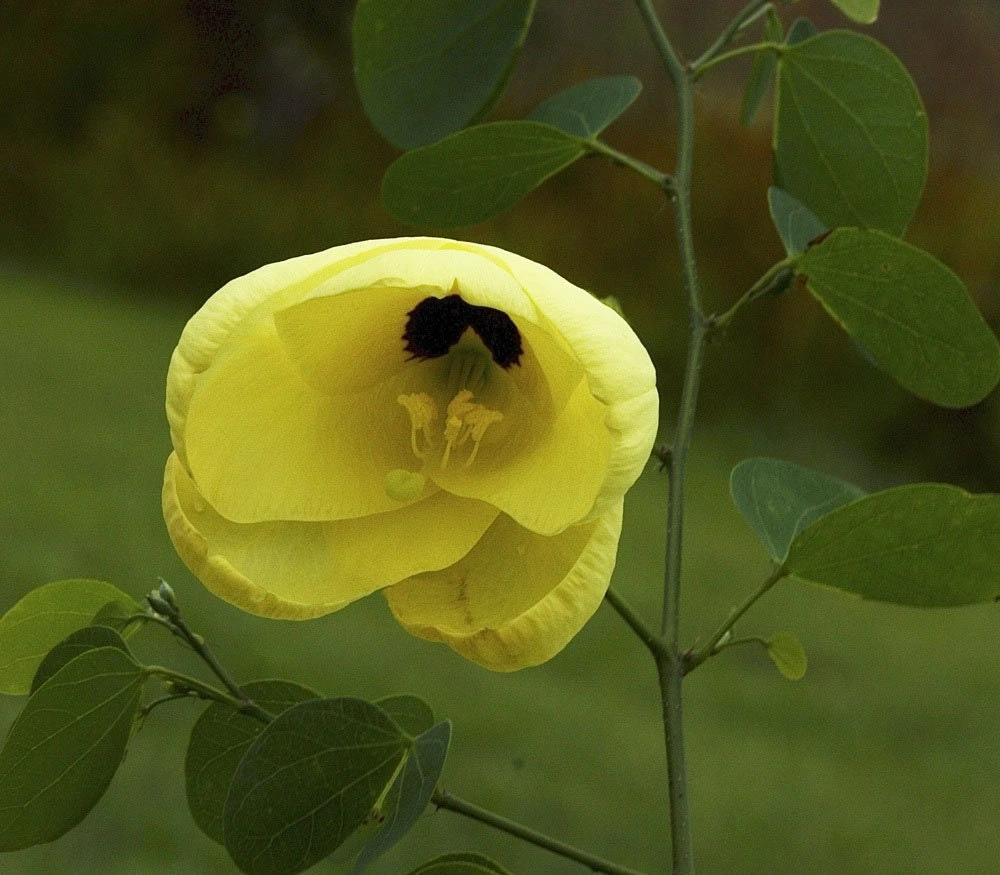
Bauhinia tomentosa Seeds – St Thomas Bell Orchid Yellow Butterfly Tree – 5 Seeds
Original price was: 48.91 $.19.91 $Current price is: 19.91 $.
Cultivate the stunning Bauhinia tomentosa seeds, known as the Yellow Butterfly Tree seeds, and enjoy vibrant yellow blossoms from summer to fall. These St Thomas Tree seeds are ideal for USDA Zones 10-11, growing into beautiful trees that attract butterflies. Each pack contains 5 seeds for your gardening pleasure.
Estimated arrival
Nov 27
Dec 02 - Dec 04
Dec 04 - Dec 09
See our Shipping Policy.
Get in touch with us via email, and our team will review your concerns.
Our Alive & Thrive Guarantee covers issues with your plants within the first 30 days. Read our Refund & Returns Policy.
-
USDA Hardiness Zone
USDA Hardiness Zones 10 to 11 -
Soil Type
Well-draining soil, sandy loam -
Sunlight Exposure
Full sun to partial shade -
Expected Planting Period
Spring to early summer
Overview
Embark on a rewarding gardening journey by planting Bauhinia tomentosa seeds. Also widely recognized as the St. Thomas Tree, Yellow Bauhinia, Yellow Bell Orchid Tree, or the charming Yellow Butterfly Tree seeds, this plant promises to transform your garden into a vibrant spectacle. These seeds will grow into medium-sized trees, reaching heights of approximately 15 feet, making them a superb choice for adding vertical interest to your landscape. The bright yellow, bell-shaped flowers are a highlight, emerging from mid-summer and continuing their display until early fall. Named after the Swiss botanists Gaspard and Johann Bauhin, this genus is also celebrated for being larval host plants for butterflies like the Gold-spotted Aguna and Gilberts Flasher, making your garden a haven for these delicate creatures. Cultivating Bauhinia tomentosa seeds offers both aesthetic beauty and ecological benefits.
Our carefully selected Bauhinia tomentosa seeds provide an excellent opportunity for gardeners in USDA Hardiness Zones 10 to 11 to cultivate this magnificent specimen. Whether you’re an experienced horticulturist or a budding enthusiast, these seeds offer a straightforward path to growing a visually striking tree that contributes positively to local biodiversity. The distinctive blossoms and attractive foliage ensure that the Yellow Butterfly Tree will be a focal point in any garden setting, offering a continuous show of color and life throughout the warmer months. Begin your project to grow Bauhinia tomentosa today and look forward to a stunning display.
Key Benefits
Growing the Bauhinia tomentosa seeds offers a multitude of benefits for both your garden and local ecosystem. These seeds mature into trees that provide significant visual appeal and environmental advantages, making them a fantastic addition to any landscape.
- Stunning Floral Display: Enjoy a prolonged period of bloom with bright yellow, bell-shaped flowers that appear from mid-summer through early fall, adding a splash of vibrant color to your garden. The unique shape of the blossoms gives the tree its common name, Yellow Bell Orchid Tree.
- Attracts Pollinators: These trees serve as crucial larval host plants for various butterflies, including the Gold-spotted Aguna and Gilberts Flasher, enhancing biodiversity and bringing more life to your outdoor space.
- Moderate Growth Habit: Reaching up to 15 feet in height, the Yellow Butterfly Tree is an ideal size for many gardens, providing shade and visual interest without becoming overly dominant.
- Adaptable to Sun Exposure: Thrives in a range of light conditions, from full sun to partial shade, offering flexibility in planting location within your garden.
- Durable and Resilient: Suitable for USDA Hardiness Zones 10-11, these trees are well-adapted to warmer climates and can withstand typical conditions in these regions.
- Unique Botanical Interest: Named after the Bauhin brothers, the genus Bauhinia carries a rich botanical history that adds an intellectual layer to its cultivation.
- Easy to Establish from Seed: With proper care, these Bauhinia tomentosa seeds offer a satisfying way to cultivate a beautiful tree from its very beginning.
Plant Care & Growing Tips
To successfully grow Bauhinia tomentosa from seed, a few key care practices should be followed. These trees prefer a location that receives full sun to partial shade. Full sun will encourage the most prolific blooming, ensuring your Yellow Butterfly Tree seeds develop into a spectacular display. The soil should be well-draining, as waterlogged conditions can be detrimental to the young seedlings and established trees. A sandy loam or a general-purpose potting mix amended with some sand or perlite works well to improve drainage.
Watering should be consistent, especially for young seedlings. Keep the soil moist but not soggy. Once established, the trees are moderately drought-tolerant but will benefit from regular watering during dry spells, particularly when they are flowering. Fertilization can be done with a balanced, slow-release fertilizer in the spring, or a liquid feed every few weeks for younger plants to encourage strong growth. These trees are hardy in USDA Zones 10 to 11, meaning they thrive in warmer climates and are not tolerant of freezing temperatures. If you are outside these zones, consider growing them in containers that can be moved indoors during winter.
Common problems to watch out for include general garden pests, though Bauhinia tomentosa is relatively pest-resistant. Ensure good air circulation to prevent fungal issues. Pruning can be done to maintain shape and size, especially to remove any dead or crossing branches. Early training of the tree’s structure will result in a stronger, more attractive specimen. With these tips, your Bauhinia tomentosa seeds will have the best chance to flourish into a magnificent Yellow Bell Orchid Tree.
Size & Details
These Bauhinia tomentosa seeds are provided in a pack of 5, offering a generous start to cultivating this beautiful tree. Once established, the Yellow Butterfly Tree typically grows to a height of about 15 feet, with a spread that can reach 10-12 feet, forming an attractive, rounded canopy. The growth rate is moderate, allowing you to enjoy its development over several years. The seeds themselves are relatively small, requiring careful handling during planting. They ship as dry seeds, ready for stratification and planting.
The tree’s mature size makes it suitable as a specimen plant, a small shade tree, or part of a mixed border in larger gardens. It typically begins to bloom within 3-5 years from seed, offering its vibrant yellow flowers throughout the summer and fall. The flowers are approximately 2-3 inches across. The foliage is distinctive, resembling a butterfly’s wings, adding year-round interest even when not in bloom. Prepare to enjoy the beauty and ecological benefits of your Yellow Butterfly Tree seeds for many seasons to come.
Frequently Asked Questions
- Q: How big does this plant get? A: The Bauhinia tomentosa seeds will grow into trees that typically reach about 15 feet in height with a spread of 10-12 feet, making them a medium-sized tree suitable for various garden designs.
- Q: Is this an indoor or outdoor plant? A: The Yellow Butterfly Tree is primarily an outdoor plant, thriving in USDA Hardiness Zones 10 to 11. In colder climates, it can be grown in a large container and brought indoors during winter months.
- Q: How much sunlight does it need? A: This tree prefers full sun to partial shade. For the most abundant blooms from your Bauhinia tomentosa seeds, a location with at least 6 hours of direct sunlight per day is recommended.
- Q: Is this plant easy to care for? A: Once established, the Yellow Butterfly Tree is relatively low-maintenance. The most critical factors are well-draining soil and adequate warmth. Growing from St Thomas Tree seeds requires some initial care for germination and seedling establishment.
- Q: What condition will the seeds arrive in? A: Your order will contain 5 high-quality, viable Bauhinia tomentosa seeds, carefully packaged to ensure their integrity during transit, ready for planting.
- Q: How long until it blooms? A: When grown from Yellow Butterfly Tree seeds, you can generally expect the first blooms to appear within 3 to 5 years after planting, provided optimal growing conditions are met.
- Q: Will it survive winter in my zone? A: This tree is hardy in USDA Zones 10 to 11. If your region experiences temperatures below freezing, it will not survive outdoors during winter without protection.
- Q: What type of soil is best for these seeds? A: Bauhinia tomentosa seeds thrive in well-draining soil. A mix of sandy loam or a good quality potting mix amended with sand or perlite for improved drainage is ideal.
- Q: Are these trees attractive to wildlife? A: Yes, Bauhinia tomentosa is known as a larval host plant for several butterfly species, including the Gold-spotted Aguna and Gilberts Flasher, making it excellent for attracting pollinators.
- Q: Can I grow Bauhinia tomentosa in a pot? A: Yes, especially in cooler zones, you can grow Bauhinia tomentosa in a large container. Ensure the pot has good drainage and is large enough to accommodate the root system as the tree grows.
Be the first to review “Bauhinia tomentosa Seeds – St Thomas Bell Orchid Yellow Butterfly Tree – 5 Seeds”
Related products


Tree Seeds
Canino Olive Tree Seeds – 10 Pack Olea Europaea Canino for Edible Olives, Full Sun, Zones 9-11


You May Like

How to Grow Passion Flower (Passiflora) for Tropical Blooms
Few climbing vines in the home garden command attention quite like the exotic Passion Flower (Passiflora). [...]
Nov

Thanksgiving Cactus Care: How to Get Thanksgiving Cactus to Bloom
Is your Thanksgiving cactus growing well but not giving you any flowers? Maybe it looked [...]
Nov

How to Grow Garlic for a Bountiful Home Harvest
Garlic (Allium sativum) is one of the most satisfying, low-maintenance, and flavor-packed crops you can [...]
Oct

Hardneck vs. Softneck Garlic: Which Should You Grow?
Have you ever stood in front of a seed catalog in mid-September, staring at dozens [...]
1 Comment
Oct

When to Plant Music Garlic: Ultimate US Fall Guide
Have you ever spent your fall weekend placing carefully chosen garlic cloves into rich, dark [...]
1 Comment
Oct

5 Best Bulbs for Fall Planting: Brighten Your Garden This Spring
Are you dreaming of a garden full of vibrant colors in the spring? The key [...]
Aug

10 Houseplants That Will Thrive in Your Kitchen
Are you tired of your kitchen feeling dull and lifeless? Want to add a little [...]
1 Comment
Aug
Reviews
There are no reviews yet.