
Bilberry Seeds Vaccinium myrtillus – 10 Seeds – European Blueberry Edible Fruit
Original price was: 27.00 $.19.20 $Current price is: 19.20 $.
Cultivate your own delicious bilberry seeds with this pack of 10 Vaccinium myrtillus seeds. Also known as European blueberry, this hardy shrub produces highly prized sweet-tart edible berries and makes an excellent groundcover. Perfect for naturalized gardens and woodland borders in USDA Zones 3-8.
Estimated arrival
Nov 27
Dec 02 - Dec 04
Dec 04 - Dec 09
See our Shipping Policy.
Get in touch with us via email, and our team will review your concerns.
Our Alive & Thrive Guarantee covers issues with your plants within the first 30 days. Read our Refund & Returns Policy.
-
USDA Hardiness Zone
Zones 3-8 -
Soil Type
Acidic, well-draining soil -
Sunlight Exposure
Partial shade to full sun -
Expected Planting Period
Spring after cold stratification
Overview
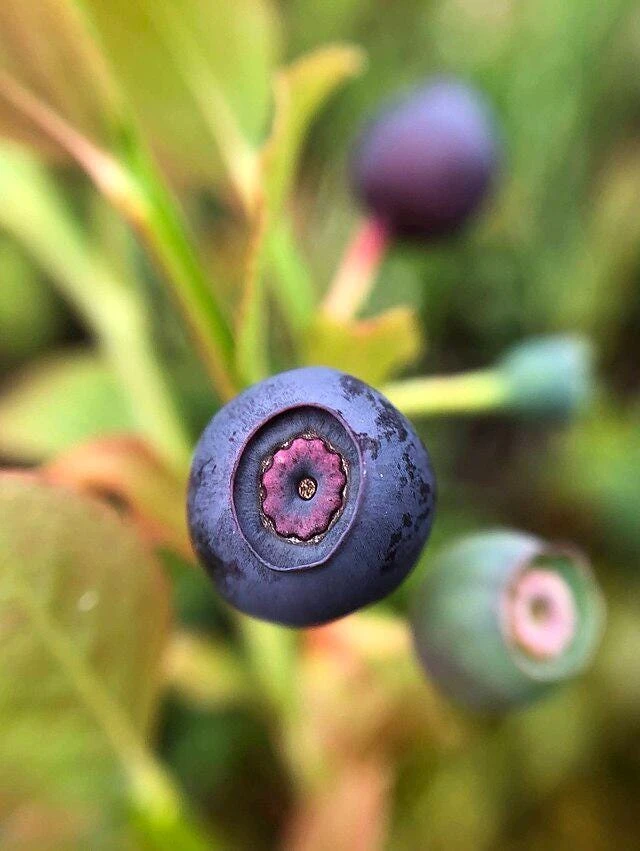
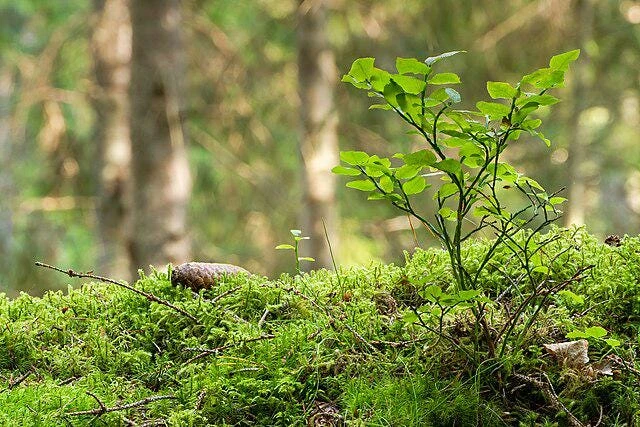
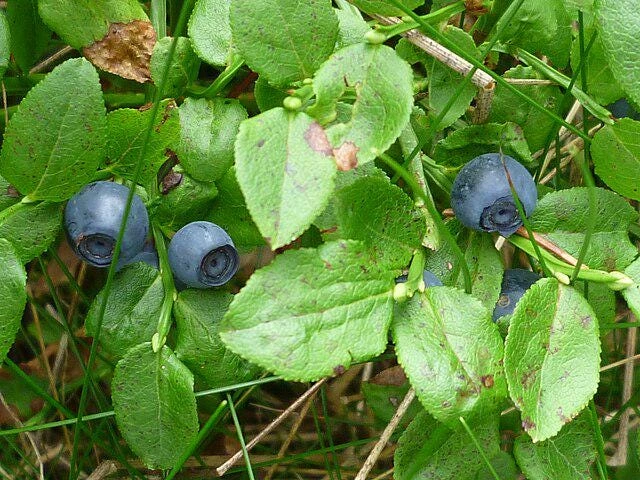
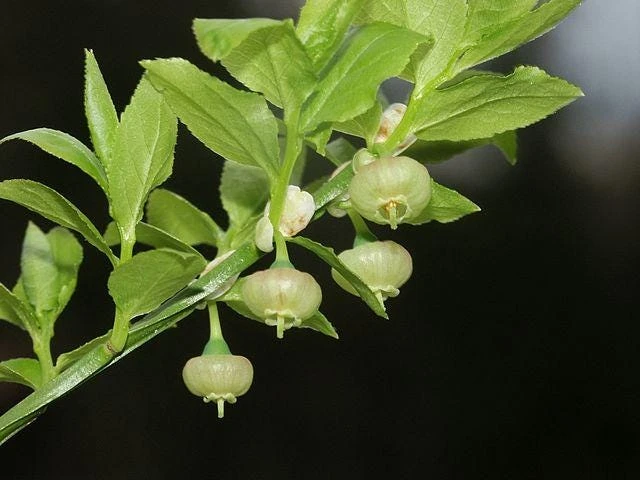
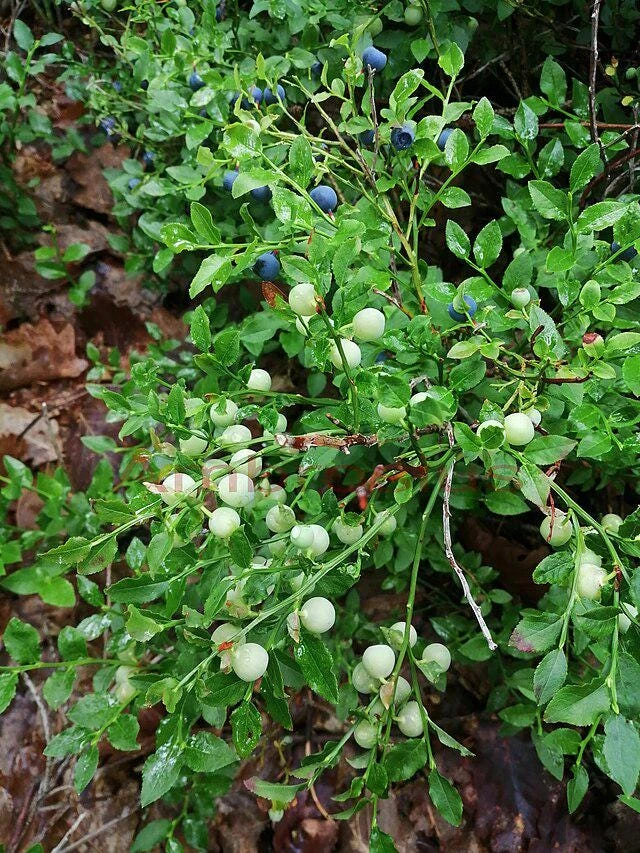
Embark on a rewarding gardening journey with our premium bilberry seeds. Each pack contains 10 high-quality seeds from Vaccinium myrtillus, commonly known as Bilberry or European Blueberry. This low-growing, deciduous shrub is native to Europe and parts of Asia, thriving in heathlands, woodlands, and acidic soils. It forms dense mats through creeping stems, making it an effective and attractive groundcover. The vibrant green leaves transform into reddish-purple hues in autumn, providing seasonal interest. From delicate, bell-shaped flowers that attract pollinators to the dark blue, almost black edible berries, this plant offers beauty and bounty. Growing Vaccinium myrtillus seeds allows you to cultivate your own supply of these highly sought-after, sweet-tart fruits, perfect for culinary uses.
These european blueberry seeds are an excellent choice for gardeners looking to add a unique, edible, and ornamental plant to their landscape. Whether you’re creating a naturalized garden, enhancing woodland borders, or establishing an edible landscape, Bilberry is a hardy and low-maintenance option. Starting from bilberry seeds gives you the satisfaction of nurturing a plant from its very beginning, ensuring a robust and healthy addition to your outdoor space.
Key Benefits
Our bilberry seeds offer a multitude of benefits for both your garden and your palate, making them a fantastic addition to any plant enthusiast’s collection:
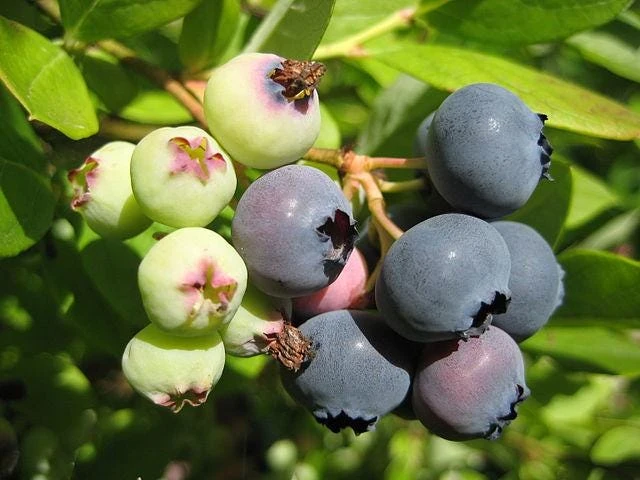
- Delicious Edible Berries: Enjoy a harvest of dark blue to almost black berries, renowned for their sweet-tart flavor. These highly prized European blueberries are perfect for pies, jams, desserts, or fresh snacking.
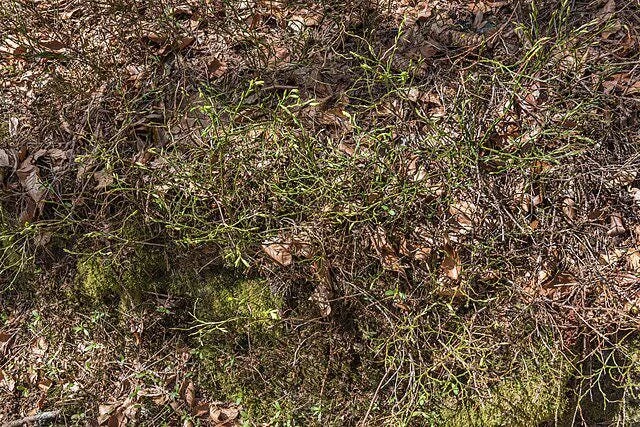
- Attractive Groundcover: The low-growing habit and creeping stems of Vaccinium myrtillus create dense mats, providing excellent groundcover and erosion control in suitable environments.
- Seasonal Interest: Experience bright green foliage in summer that transitions to beautiful reddish-purple tones in autumn, adding dynamic color to your garden through the seasons.
- Pollinator Friendly: The delicate, bell-shaped flowers produced in late spring to early summer attract a variety of beneficial pollinators, including bees, supporting local ecosystems.
- Hardy & Low Maintenance: Once established, Bilberry is a resilient plant that thrives in specific conditions (acidic, well-drained soil, partial shade to full sun) and requires minimal ongoing care.
- Adaptable Landscape Plant: Ideal for naturalized gardens, woodland borders, and edible landscapes, these bilberry seeds allow you to grow a versatile plant that fits various design aesthetics.
- Unique Garden Addition: Growing european blueberry seeds introduces a distinctive and less common fruit-bearing shrub to your garden, setting it apart from typical plantings.
Plant Care & Growing Tips
Cultivating Vaccinium myrtillus seeds requires patience and specific conditions, particularly regarding germination. The seeds need cold stratification seeds to break dormancy. To prepare, clean the seeds and mix them with a moist medium like sand or peat, then store them in a refrigerator at 1–5°C (34–41°F) for 2 to 3 months. After stratification, sow the seeds on the surface of a well-draining, acidic seed-starting mix, lightly pressing them in, as they require light for germination. Maintain consistent moisture without waterlogging and a cool temperature of approximately 15–20°C (59–68°F). Germination can be slow, typically taking 4 to 12 weeks.
Once seedlings develop a few true leaves, gradually acclimate them to outdoor conditions before transplanting. For optimal growth, bilberry plants thrive in acidic, well-drained soils with a pH between 4.5 and 5.5. They prefer partial shade to full sun, with some afternoon shade being beneficial in hotter climates. Ensure the soil remains consistently moist, especially during dry periods, but avoid overwatering. Fertilize sparingly with an acid-loving plant fertilizer in early spring. These plants are hardy in USDA Zones 3-8, tolerating cold winters. Protect young plants from extreme temperatures and ensure good air circulation to prevent fungal issues. Growing bilberry seeds successfully leads to a robust, fruit-bearing shrub.
Size & Details
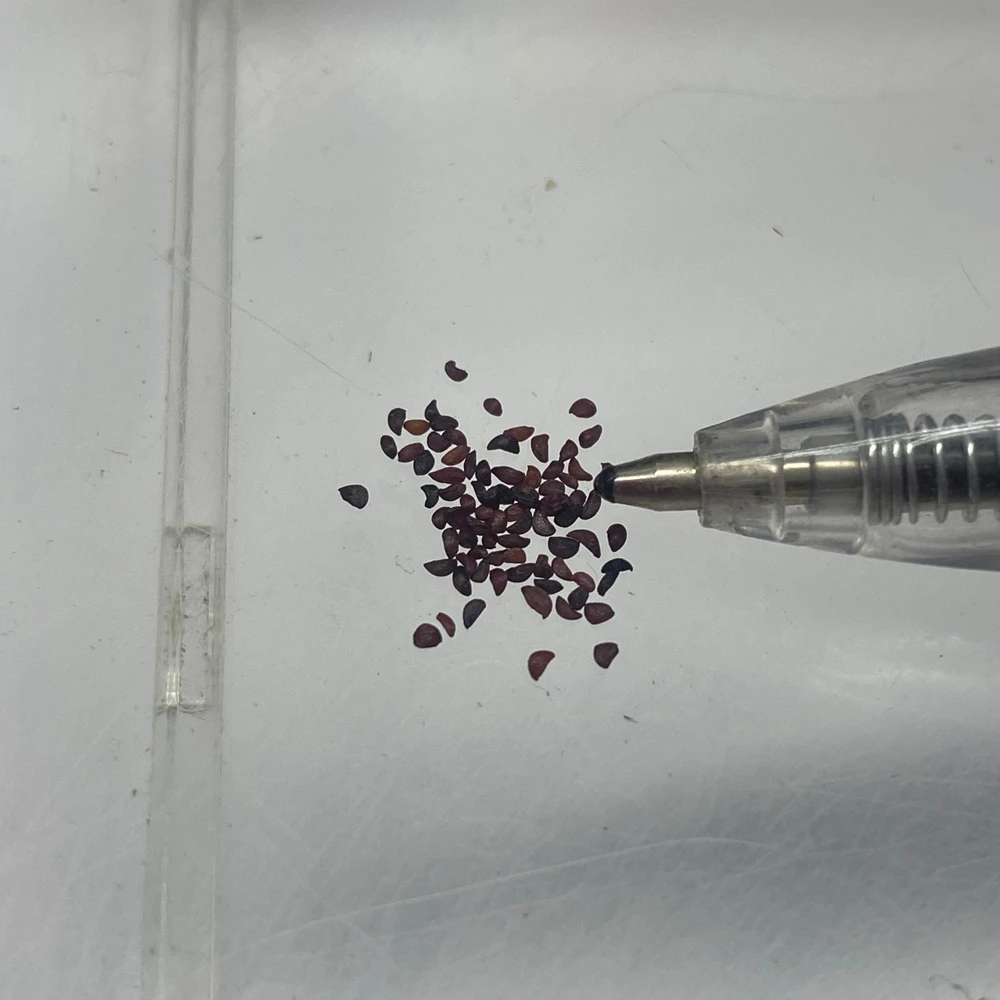
This product includes 10 bilberry seeds (Vaccinium myrtillus seeds) for cultivation. When mature, the Bilberry shrub typically grows between 10 to 50 cm (4 to 20 inches) tall and forms dense, spreading mats through its creeping stems. The plants are slow to establish from seed, with germination taking 4 to 12 weeks after cold stratification. Full maturity and fruit production can take several years, offering a long-term reward for your gardening efforts. These hardy plants are suitable for USDA Zones 3-8, making them a resilient choice for many temperate climates. The seeds arrive ready for stratification and planting, providing a foundational step to growing your own european blueberry seeds into a thriving shrub.
Frequently Asked Questions
- Q: How do I germinate these bilberry seeds? A: Bilberry seeds require cold stratification. Mix them with a moist medium and refrigerate for 2-3 months. After stratification, sow on the surface of an acidic seed-starting mix, lightly pressing them in, and keep consistently moist at 15-20°C.
- Q: What size will the Bilberry plant reach? A: Mature Vaccinium myrtillus plants typically grow between 10 to 50 cm (4 to 20 inches) tall, forming dense, low-growing mats.
- Q: Is this an indoor or outdoor plant? A: Bilberry is an outdoor plant, best suited for naturalized gardens, woodland borders, and edible landscapes in USDA Zones 3-8.
- Q: How much sunlight does Bilberry need? A: Bilberry plants prefer partial shade to full sun. In hotter regions, providing some afternoon shade is beneficial to prevent stress.
- Q: What kind of soil is best for growing bilberry? A: These plants thrive in acidic, well-drained soils with a pH between 4.5 and 5.5. Incorporating peat moss or other acidic amendments can be helpful.
- Q: Are the berries edible? A: Yes, the dark blue to almost black berries produced by Vaccinium myrtillus are highly prized for their sweet-tart flavor and are excellent for culinary uses.
- Q: How long does it take for the plants to produce fruit? A: While germination can take 4-12 weeks, it typically takes several years for bilberry plants grown from seed to mature and begin producing a significant harvest of fruit.
- Q: What are the main benefits of growing Bilberry? A: Key benefits include delicious edible berries, attractive groundcover, seasonal foliage color, attracting pollinators, and being a hardy, low-maintenance plant.
- Q: Can I grow these european blueberry seeds in a container? A: While possible, Bilberry plants prefer to spread. If growing in a container, ensure it’s large, has excellent drainage, and use an acidic potting mix.
- Q: What is the recommended USDA hardiness zone for Bilberry? A: Vaccinium myrtillus is hardy and suitable for USDA Zones 3-8, tolerating a range of temperate climates.
Be the first to review “Bilberry Seeds Vaccinium myrtillus – 10 Seeds – European Blueberry Edible Fruit”
Related products


You May Like

How to Grow Passion Flower (Passiflora) for Tropical Blooms
Few climbing vines in the home garden command attention quite like the exotic Passion Flower (Passiflora). [...]
Nov

Thanksgiving Cactus Care: How to Get Thanksgiving Cactus to Bloom
Is your Thanksgiving cactus growing well but not giving you any flowers? Maybe it looked [...]
Nov

How to Grow Garlic for a Bountiful Home Harvest
Garlic (Allium sativum) is one of the most satisfying, low-maintenance, and flavor-packed crops you can [...]
Oct

Hardneck vs. Softneck Garlic: Which Should You Grow?
Have you ever stood in front of a seed catalog in mid-September, staring at dozens [...]
1 Comment
Oct

When to Plant Music Garlic: Ultimate US Fall Guide
Have you ever spent your fall weekend placing carefully chosen garlic cloves into rich, dark [...]
1 Comment
Oct

5 Best Bulbs for Fall Planting: Brighten Your Garden This Spring
Are you dreaming of a garden full of vibrant colors in the spring? The key [...]
Aug

10 Houseplants That Will Thrive in Your Kitchen
Are you tired of your kitchen feeling dull and lifeless? Want to add a little [...]
1 Comment
Aug
Reviews
There are no reviews yet.