
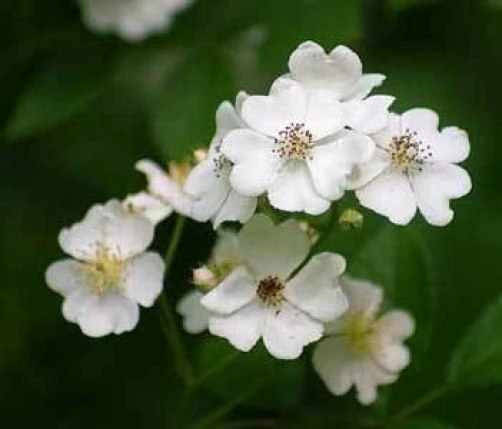
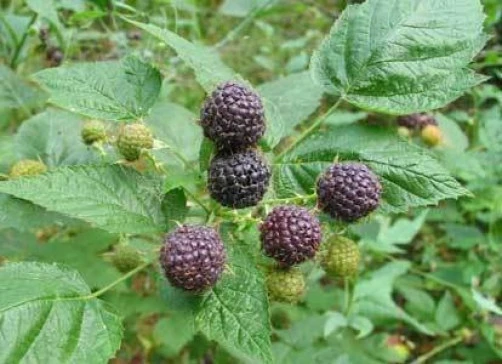
Black Raspberry Seeds – Rubus leucodermis – 10 Pack – Fruit Seeds for Garden
Original price was: 49.99 $.24.99 $Current price is: 24.99 $.
Start your own patch of delicious black raspberry seeds (Rubus leucodermis) with this convenient pack of 10 seeds. These perennial fruit seeds are perfect for home gardeners looking to cultivate sweet, dark berries rich in antioxidants. Enjoy fresh fruit directly from your garden or use them in jams and desserts. Easy to grow in suitable climates, these seeds offer a rewarding gardening experience.
Estimated arrival
Oct 15
Oct 20 - Oct 22
Oct 22 - Oct 27
See our Shipping Policy.
Get in touch with us via email, and our team will review your concerns.
Our Alive & Thrive Guarantee covers issues with your plants within the first 30 days. Read our Refund & Returns Policy.
-
USDA Hardiness Zone
3 (-40 to -30 °F) -
Soil Type
Well-draining loamy soil -
Sunlight Exposure
Full sun -
Expected Planting Period
Early spring after stratification
Overview
Embark on a delightful gardening journey with our premium black raspberry seeds (Rubus leucodermis). This pack of 10 high-quality seeds provides the perfect starting point for cultivating your very own patch of these highly sought-after berries. Known for their intense flavor and striking dark color, black raspberries are a true garden treasure. Unlike red raspberries, Rubus leucodermis seeds produce canes that are typically purplish-black with a whitish, waxy bloom, giving them their distinctive name. These perennial shrubs are not only a source of delicious fruit but also add ornamental value to your landscape with their arching canes and delicate white flowers in spring. Growing your own black raspberry plant from seed is a rewarding experience, allowing you to enjoy fresh, organic fruit right from your backyard. Each seed holds the potential for a robust plant that will yield abundant harvests year after year, providing a continuous supply of nutritious and flavorful berries for your culinary adventures.
Key Benefits
Cultivating black raspberry seeds offers a multitude of benefits, from the joy of homegrown produce to the nutritional advantages these berries provide. These plants are a fantastic addition to any edible garden, delivering both beauty and bounty.
- Delicious Homegrown Fruit: Enjoy the rich, sweet-tart flavor of fresh black raspberries picked directly from your garden. Homegrown berries are often more flavorful and nutritious than store-bought varieties, making these black raspberry seeds an excellent choice for culinary enthusiasts.
- High in Antioxidants: Black raspberries are renowned for their exceptionally high levels of antioxidants, particularly anthocyanins, which contribute to their deep color and potential health benefits. Incorporating them into your diet can support overall wellness.
- Rewarding Gardening Project: Starting plants from seed, especially fruit-bearing ones like these Rubus leucodermis seeds, offers immense satisfaction. Witnessing the transformation from a tiny seed to a productive bush is a truly fulfilling experience for gardeners of all levels.
- Versatile Culinary Uses: Fresh black raspberries are perfect for eating out of hand, but they also excel in pies, tarts, jams, jellies, smoothies, and desserts. Their unique flavor profile enhances a wide range of recipes.
- Attracts Pollinators: The flowers produced by the black raspberry plant attract beneficial pollinators like bees to your garden, contributing to a healthier ecosystem and potentially improving yields for other fruit-bearing plants nearby.
- Perennial Growth: Once established, black raspberry plants are perennials, meaning they will return year after year, providing continuous harvests with proper care. This makes them a sustainable and long-term investment for your edible landscape.
- Drought Tolerance: While consistent moisture is best for optimal fruit production, established black raspberry plants tend to be relatively drought-tolerant compared to many other fruit crops, making them a resilient choice in various climates.
Plant Care & Growing Tips
Successfully growing black raspberry seeds requires attention to specific environmental conditions, but the effort is well worth the delicious rewards. These plants thrive with adequate sunlight, well-draining soil, and consistent moisture.
For optimal growth, plant your black raspberry seeds in a location that receives full sun, meaning at least 6-8 hours of direct sunlight per day. While they can tolerate partial shade, fruit production will be significantly reduced. The ideal soil for a black raspberry plant is well-draining loam, rich in organic matter, with a pH between 6.0 and 6.8. If your soil is heavy clay, amend it with compost, peat moss, or sand to improve drainage. Poor drainage can lead to root rot, which is detrimental to the plant’s health. Prior to planting, it’s often beneficial to stratify the seeds (cold treatment) to break dormancy and improve germination rates. This can be done by placing the seeds in a moist medium (like sand or peat) in a refrigerator for 2-3 months.
Once germinated and established, consistent watering is crucial, especially during dry spells and when fruits are developing. Aim for about 1 inch of water per week, either from rain or irrigation. Avoid overhead watering if possible, as wet foliage can encourage fungal diseases; instead, water at the base of the plant. Fertilize in early spring with a balanced slow-release fertilizer or compost to support vigorous growth and fruit production. Pruning is essential for black raspberries; they typically fruit on floricanes (second-year canes). After fruiting, these canes should be cut back to the ground. Thin out weak or damaged canes annually to maintain good air circulation and plant health. The USDA Hardiness Zone for black raspberries is generally 3 (-40 to -30 °F) to 8, indicating their robust nature in a wide range of climates. Protect young plants from extreme cold in their first year. Keep an eye out for common pests like aphids or Japanese beetles, and diseases such as anthracnose; address any issues promptly with organic solutions or appropriate treatments.
Size & Details
This offering includes 10 high-quality black raspberry seeds (Rubus leucodermis), ready for stratification and planting. Once established, a mature black raspberry plant typically grows to a height of 3 to 5 feet with a similar spread, forming a dense, arching shrub. The canes can extend quite a bit, and supporting them with a trellis or stakes can help manage growth and improve air circulation, leading to healthier plants and easier harvesting. Growth rate is moderate, with plants often beginning to produce fruit in their second year after planting. The seeds are small, as expected for berry seeds, and require careful handling during planting. Expect the plants to produce fruit in mid-summer, typically from June to August, depending on your local climate and planting time. These perennial plants will continue to yield fruit for many years, making them a valuable long-term addition to your edible garden.
Frequently Asked Questions
- Q: How big does a black raspberry plant get? A: A mature black raspberry plant typically reaches 3 to 5 feet in height and spread. The canes can be quite long and arching, so providing support with a trellis or stakes is often beneficial for managing growth and maximizing fruit production.
- Q: Is this an indoor or outdoor plant? A: Black raspberry plants are primarily outdoor plants. They require full sun and specific chilling hours to produce fruit, making them unsuitable for typical indoor growing conditions. They thrive in garden beds or large containers outdoors.
- Q: How much sunlight do black raspberry seeds need to grow? A: Once germinated and growing, black raspberry plants need full sun, which means at least 6-8 hours of direct sunlight per day. Ample sunlight is crucial for robust growth and abundant fruit production from your black raspberry seeds.
- Q: Are these black raspberry seeds easy to care for? A: While growing from seed requires patience and attention to detail (like stratification), established black raspberry plants are relatively easy to care for. They need consistent watering, annual pruning, and good sun exposure to thrive and produce fruit reliably.
- Q: What condition will the seeds arrive in? A: Your black raspberry seeds will arrive as dry seeds, carefully packaged to ensure their viability. They will need to undergo a cold stratification period before planting to encourage successful germination.
- Q: When is the best time to plant black raspberry seeds? A: After cold stratification, it’s best to plant the seeds indoors in late winter or early spring. Once seedlings are strong enough and the danger of frost has passed, they can be transplanted outdoors.
- Q: Will my black raspberry plant survive winter in my zone? A: Black raspberry plants are quite hardy, generally thriving in USDA Zones 3 to 8. If you are within these zones, your plant should successfully overwinter with proper care and mulching in colder regions, especially for young plants.
- Q: How long until the black raspberry plant produces fruit? A: Typically, a black raspberry plant grown from seed will begin producing fruit in its second year. Yields will increase as the plant matures in subsequent years, offering a continuous supply of delicious berries.
- Q: Can I grow wild black raspberry from these seeds? A: These are seeds for Rubus leucodermis, commonly known as Western Black Raspberry or Whitebark Raspberry. While closely related to other black raspberry species, they are cultivated varieties or specific species rather than just any ‘wild’ type.
- Q: What kind of soil is best for growing black raspberry seeds? A: Black raspberries prefer well-draining, loamy soil that is rich in organic matter. A slightly acidic to neutral pH (6.0-6.8) is ideal. Amending heavy clay soils with compost will greatly improve drainage and plant health.
Be the first to review “Black Raspberry Seeds – Rubus leucodermis – 10 Pack – Fruit Seeds for Garden”
Related products


Fruit Seeds
Ruegen Alpine Strawberry Seeds – 60 Count Everbearing Fragaria Vesca Red Fruit White Flower


You May Like

Hardneck vs. Softneck Garlic: Which Should You Grow?
Have you ever stood in front of a seed catalog in mid-September, staring at dozens [...]
Oct

When to Plant Music Garlic: Ultimate US Fall Guide
Have you ever spent your fall weekend placing carefully chosen garlic cloves into rich, dark [...]
1 Comment
Oct

5 Best Bulbs for Fall Planting: Brighten Your Garden This Spring
Are you dreaming of a garden full of vibrant colors in the spring? The key [...]
Aug

10 Houseplants That Will Thrive in Your Kitchen
Are you tired of your kitchen feeling dull and lifeless? Want to add a little [...]
1 Comment
Aug
Reviews
There are no reviews yet.