
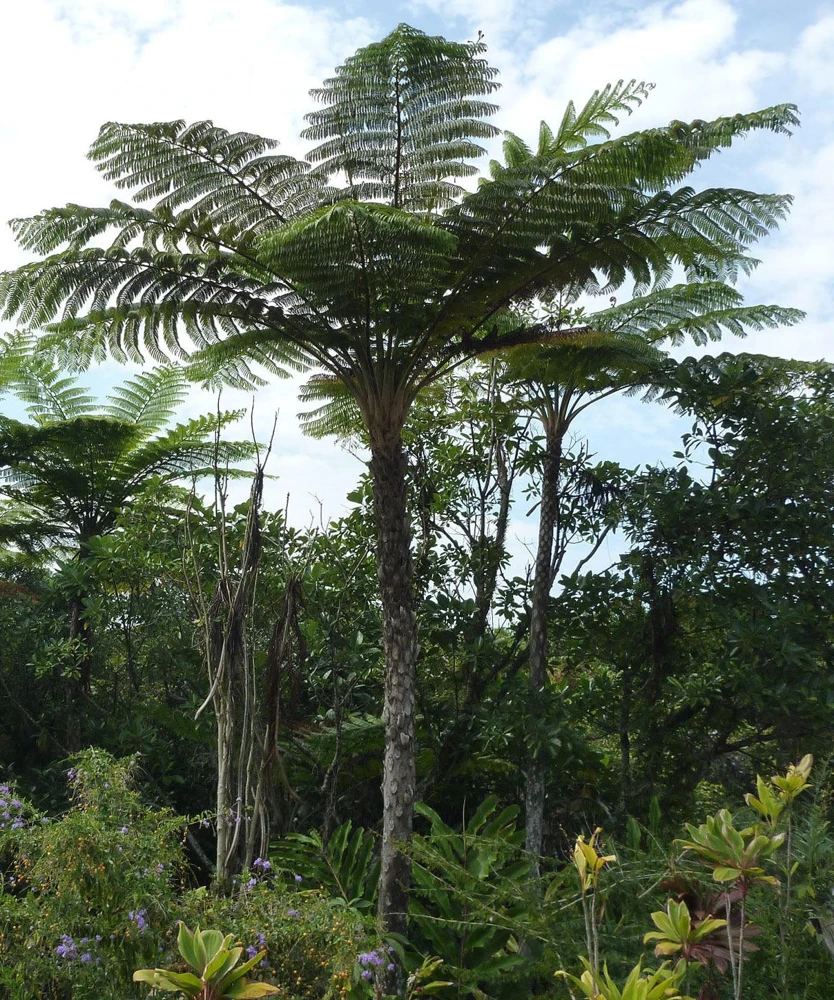
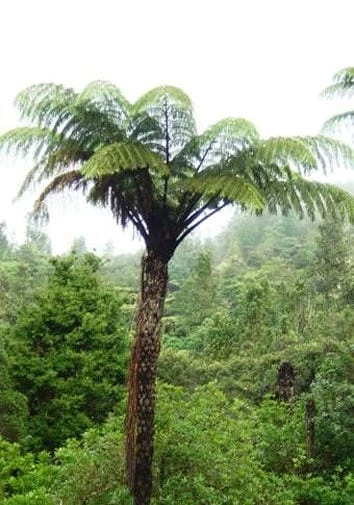
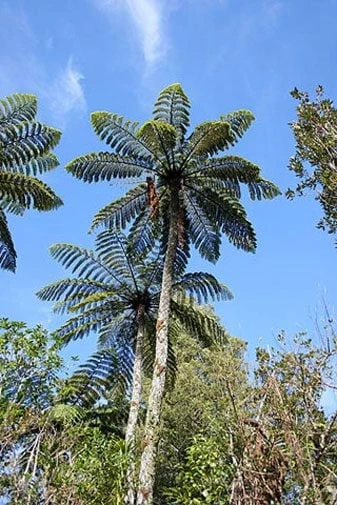
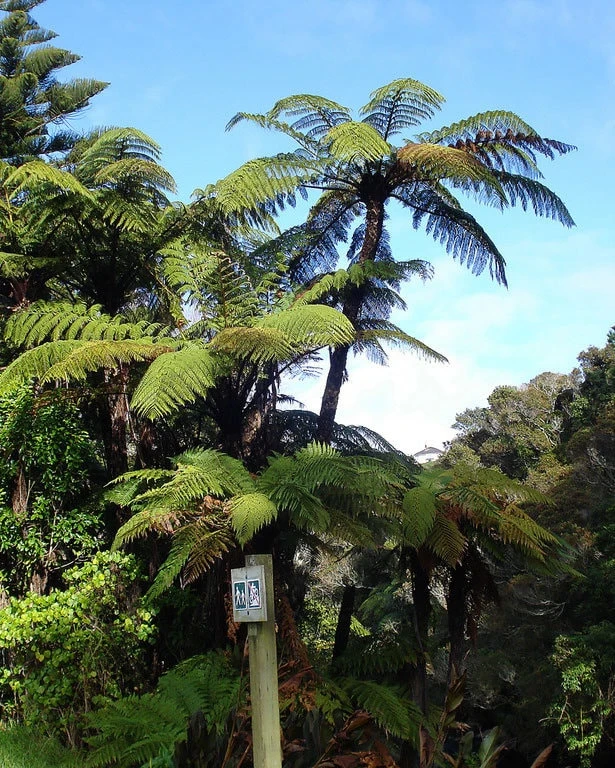
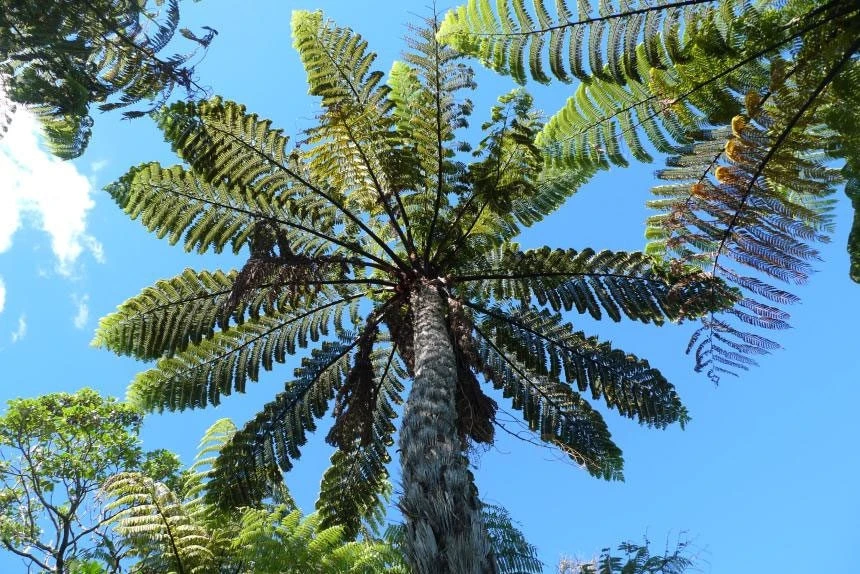
Black Tree Fern Spores – Cyathea medullaris – 1000 Count Seeds
Original price was: 48.91 $.19.91 $Current price is: 19.91 $.
Cultivate the magnificent Black Tree Fern spores (Cyathea medullaris), also known as Korau or Mamaku. This package contains 1000 Cyathea medullaris seeds, perfect for establishing a stunning tropical tree fern in USDA Zones 9-11.
Estimated arrival
Nov 27
Dec 02 - Dec 04
Dec 04 - Dec 09
See our Shipping Policy.
Get in touch with us via email, and our team will review your concerns.
Our Alive & Thrive Guarantee covers issues with your plants within the first 30 days. Read our Refund & Returns Policy.
-
USDA Hardiness Zone
9 to 11 -
Soil Type
Rich, well-draining, consistently moist soil -
Sunlight Exposure
Sun to full shade (bright indirect light for germination) -
Expected Planting Period
Year-round indoors for germination; spring to early summer for outdoor establishment
Overview
Embark on the rewarding journey of growing your own majestic tree fern with these premium Black Tree Fern spores. Known scientifically as Cyathea medullaris, this impressive plant is also recognized by its common names such as Korau, Mamaku, and Sago Fern. These 1000 high-quality Cyathea medullaris seeds offer an excellent opportunity for gardeners to cultivate a truly unique and architectural specimen. Originating from tropical regions, the Black Tree Fern spores are the perfect starting point for creating a lush, exotic landscape or a striking focal point in a large container. This plant is renowned for its striking black trunk and elegant fronds, making it a highly desirable addition to any garden.
The Black Tree Fern can reach towering heights of over 40 feet in its natural habitat, developing a robust trunk that has historically been used as building material. While these are spores, not a live plant, they represent the potential for significant growth and a long-lived specimen. Ideal for those who enjoy the process of nurturing plants from their earliest stages, these spores provide a sustainable and cost-effective way to introduce this magnificent tropical tree into your environment. Whether you’re an experienced fern enthusiast or a curious beginner, growing a Black Tree Fern from spores is an engaging and educational experience that culminates in a spectacular plant.
Key Benefits
Growing the Black Tree Fern from spores offers numerous benefits, transforming your garden into a tropical paradise. These benefits extend from aesthetic appeal to environmental contributions, making it a valuable addition.
- Dramatic Architectural Presence: The mature Black Tree Fern develops a striking black trunk and large, elegant fronds, creating an unparalleled architectural statement in any garden or landscape. Its towering height makes it a natural focal point.
- Adaptable Shade Tolerance: Unlike many tropical plants, the Cyathea medullaris thrives in a range of light conditions, from partial sun to full shade, offering flexibility in placement within your garden design. This adaptability makes it easier to find an ideal spot.
- Unique Growing Experience: Cultivating Black Tree Fern spores provides a deeply satisfying and educational experience, allowing you to witness the entire life cycle of this magnificent plant from its microscopic beginnings.
- Tropical Ambiance: The lush, fern-like foliage instantly evokes a tropical atmosphere, making it perfect for creating a serene, exotic retreat in your backyard or conservatory.
- Potential for Large Specimens: With proper care, these Cyathea medullaris seeds can grow into impressive, mature tree ferns, providing long-term beauty and a sense of permanence to your landscape.
- Biodiversity Support: Mature tree ferns can provide shelter and a microclimate for smaller plants and creatures, enhancing the biodiversity of your garden ecosystem.
- Sustainable Gardening: Starting from grow tree fern from spores is an environmentally friendly way to acquire new plants, reducing the impact associated with transporting larger, established specimens.
Plant Care & Growing Tips
Cultivating Black Tree Fern spores requires patience and specific environmental conditions to ensure successful germination and growth. The initial stages involve creating a sterile, humid environment. Begin by sterilizing your growing medium, which should be a fine, well-draining mix, ideally peat-based with perlite or vermiculite. Sprinkle the Cyathea medullaris seeds lightly over the surface of the moist, sterile medium without burying them, as they require light for germination. Cover the container with a clear lid or plastic wrap to maintain high humidity and prevent the spores from drying out. Place the container in a location with bright, indirect light, avoiding direct sunlight which can be too intense for the delicate spores.
Maintain consistent moisture in the medium, ensuring it is always damp but never waterlogged. A fine mist sprayer can be used to re-moisten the surface without disturbing the spores. Germination can take several weeks to many months, appearing first as a green film (prothalli) before developing into recognizable fern fronds. Once the young ferns are large enough to handle, they can be carefully pricked out and transplanted into individual pots with a slightly coarser, yet still well-draining, potting mix. As the Black Tree Fern matures, it prefers a sheltered location outdoors in USDA Hardiness Zones 9 to 11, or as a container plant that can be moved indoors during colder months. It thrives in sun to full shade, with adequate moisture and protection from strong winds. Regular feeding with a balanced liquid fertilizer during the growing season will support healthy frond development and encourage the growth of a robust trunk.
Size & Details
This product offers approximately 1000 Cyathea medullaris seeds, providing ample opportunity to propagate multiple Black Tree Fern specimens. As spores, their initial size is microscopic, requiring careful handling and specific growing conditions for germination. Once established, young ferns will grow slowly, gradually developing their distinctive fronds. A mature Black Tree Fern can eventually reach an impressive height of over 40 feet in ideal conditions, though growth in cultivation will vary depending on climate and care. The trunk, a key feature of this species, develops over many years, becoming thick and dark, giving the plant its common name. Expect a slow to moderate growth rate, with significant height achieved over several decades. These spores offer the foundation for a long-term gardening project, culminating in a magnificent, towering fern that will be a highlight of your garden for many years to come.
Frequently Asked Questions
- Q: How do I grow tree fern from spores? A: To grow tree fern from spores, you’ll need a sterile, humid environment. Sprinkle the spores on a moist, sterile, peat-based medium, cover to maintain humidity, and place in bright, indirect light. Patience is key, as germination can take several months.
- Q: What condition will the Black Tree Fern spores arrive in? A: The Black Tree Fern spores will arrive carefully packaged in a protective container, ensuring their viability and readiness for planting. They are dry and ready for immediate sowing upon receipt.
- Q: Is this an indoor or outdoor plant? A: While germination and young plants can be started indoors, the mature Black Tree Fern is primarily an outdoor plant suitable for USDA Zones 9 to 11. In colder climates, it can be grown in large containers and moved indoors during winter.
- Q: How much sunlight do these Cyathea medullaris seeds need? A: For germination, the spores require bright, indirect light. Once established, the mature Cyathea medullaris can tolerate a range from partial sun to full shade, preferring a sheltered location.
- Q: How big does the Black Tree Fern get? A: In its native habitat, the Black Tree Fern can grow over 40 feet tall. In cultivation, with optimal conditions, it can still achieve significant height, becoming a very large and impressive specimen.
- Q: Is this plant easy to care for after germination? A: While starting from spores requires attention, once the young Black Tree Fern is established, it is moderately easy to care for, requiring consistent moisture, appropriate light, and protection from extreme cold.
- Q: When is the best time to plant Black Tree Fern spores? A: Black Tree Fern spores can be sown at any time of the year indoors, provided you can maintain the necessary temperature and humidity. Spring is often preferred for natural light cycles.
- Q: What is the USDA Hardiness Zone for the Black Tree Fern? A: The Black Tree Fern is suitable for USDA Hardiness Zones 9 to 11, where it can be grown outdoors year-round. In colder zones, it must be protected from frost.
- Q: What kind of soil does the Black Tree Fern prefer? A: The Black Tree Fern thrives in rich, well-draining, and consistently moist soil. A mix high in organic matter, such as peat or compost, is ideal.
- Q: What are the other common names for Cyathea medullaris? A: Besides Black Tree Fern, Cyathea medullaris is also known as Korau, Mamaku, and Sago Fern, reflecting its diverse recognition across different regions.
Be the first to review “Black Tree Fern Spores – Cyathea medullaris – 1000 Count Seeds”
Related products


You May Like

How to Grow Passion Flower (Passiflora) for Tropical Blooms
Few climbing vines in the home garden command attention quite like the exotic Passion Flower (Passiflora). [...]
Nov

Thanksgiving Cactus Care: How to Get Thanksgiving Cactus to Bloom
Is your Thanksgiving cactus growing well but not giving you any flowers? Maybe it looked [...]
Nov

How to Grow Garlic for a Bountiful Home Harvest
Garlic (Allium sativum) is one of the most satisfying, low-maintenance, and flavor-packed crops you can [...]
Oct

Hardneck vs. Softneck Garlic: Which Should You Grow?
Have you ever stood in front of a seed catalog in mid-September, staring at dozens [...]
1 Comment
Oct

When to Plant Music Garlic: Ultimate US Fall Guide
Have you ever spent your fall weekend placing carefully chosen garlic cloves into rich, dark [...]
1 Comment
Oct

5 Best Bulbs for Fall Planting: Brighten Your Garden This Spring
Are you dreaming of a garden full of vibrant colors in the spring? The key [...]
Aug

10 Houseplants That Will Thrive in Your Kitchen
Are you tired of your kitchen feeling dull and lifeless? Want to add a little [...]
1 Comment
Aug
Reviews
There are no reviews yet.