
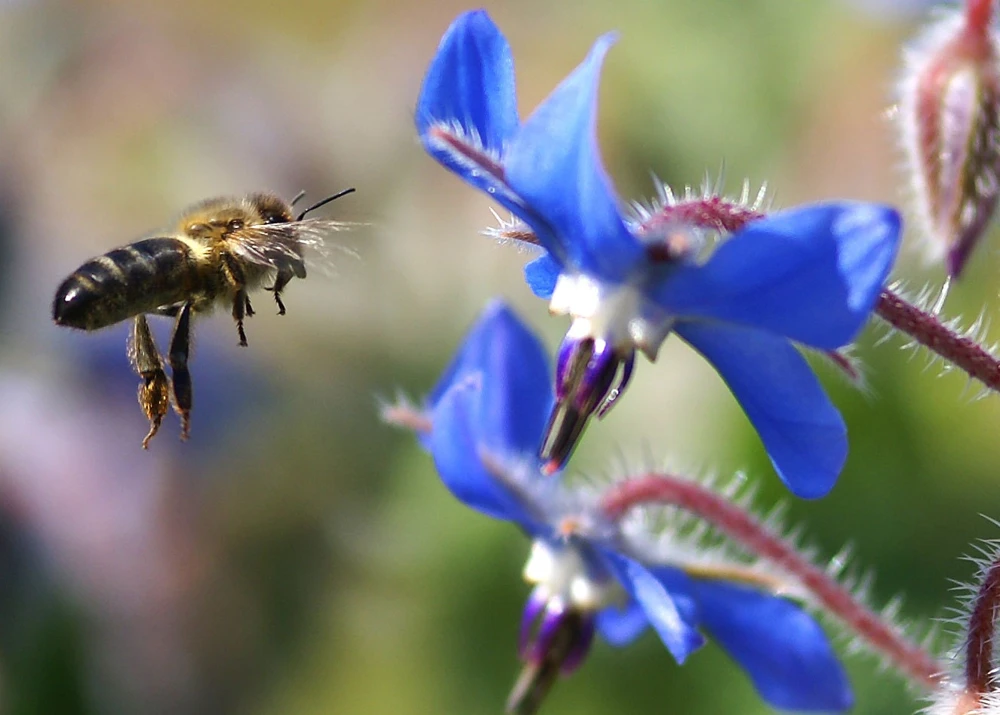
Borage Seeds – 100 Seeds – Fragrant Blue Blossoms, Edible Leaves – Outdoor
Original price was: 48.91 $.19.91 $Current price is: 19.91 $.
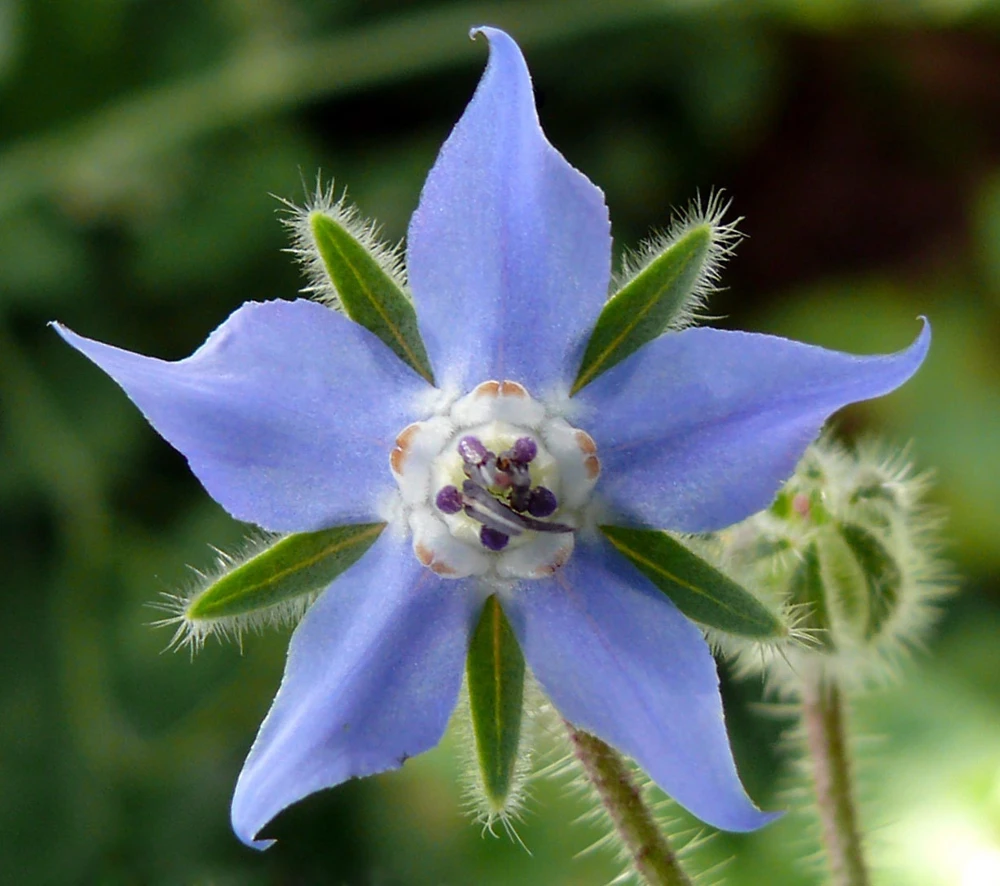
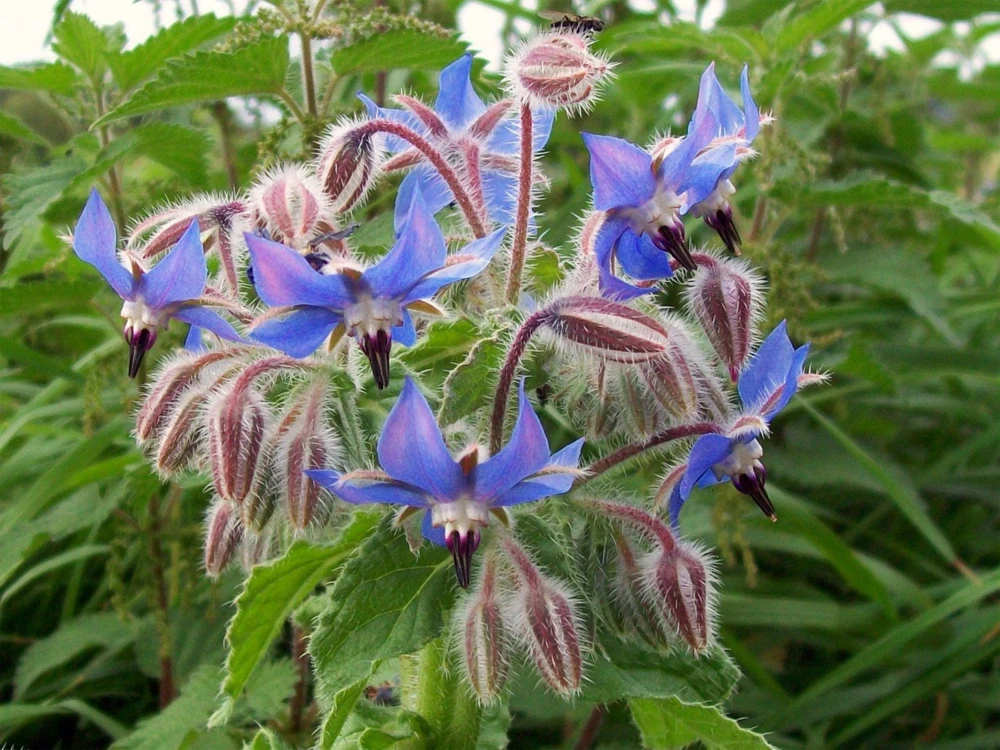
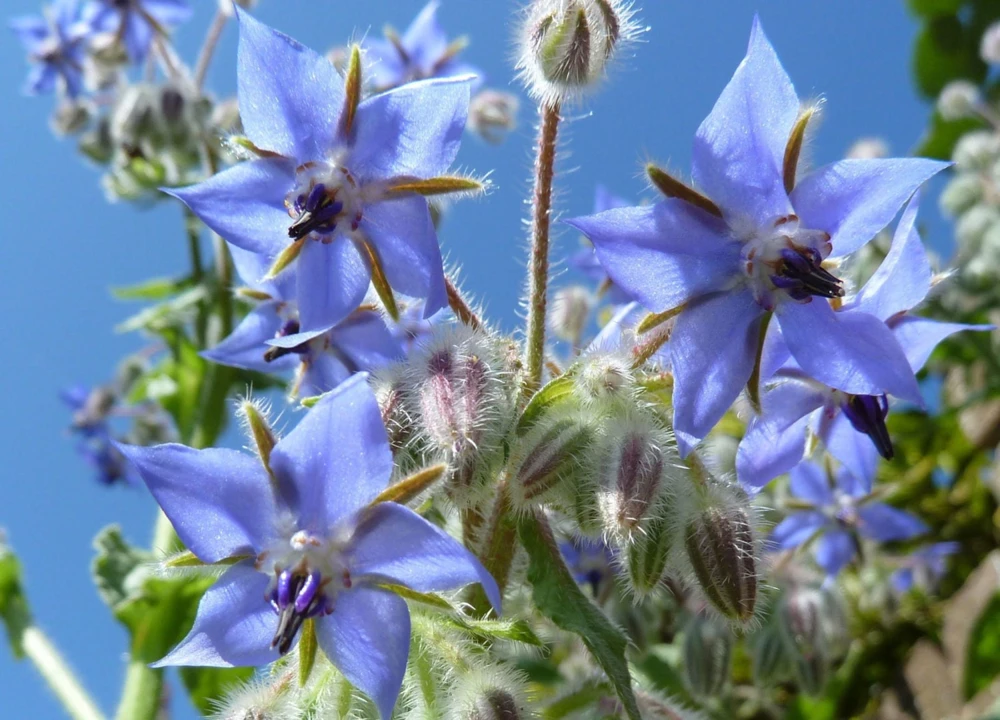
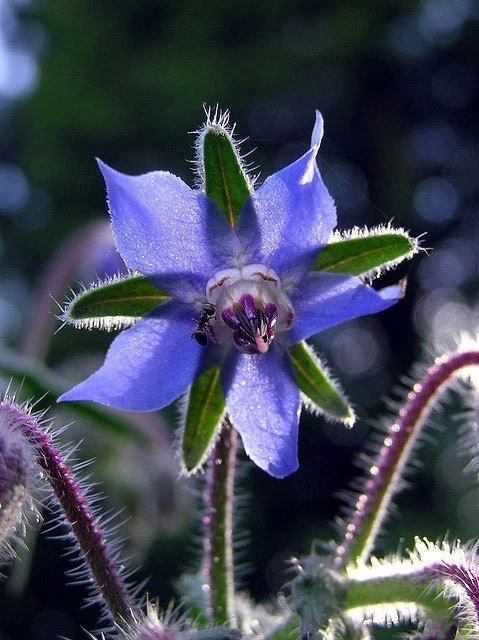
Cultivate your garden with borage seeds, yielding vibrant blue blossoms and beneficial edible leaves. Each packet contains 100 seeds, perfect for adding a touch of beauty and flavor to your outdoor space. Enjoy the unique flavor and charming appearance of edible borage in salads or as a garnish.
Estimated arrival
Nov 27
Dec 02 - Dec 04
Dec 04 - Dec 09
See our Shipping Policy.
Get in touch with us via email, and our team will review your concerns.
Our Alive & Thrive Guarantee covers issues with your plants within the first 30 days. Read our Refund & Returns Policy.
-
USDA Hardiness Zone
6-9 -
Soil Type
Well-draining, loamy soil -
Sunlight Exposure
Full sun -
Expected Planting Period
Spring to early summer
Overview
Introduce a delightful and versatile herb to your garden with these high-quality borage seeds. Also known by its botanical name, Borago officinalis, this annual plant is celebrated for its striking, star-shaped blue flowers and succulent, cucumber-flavored leaves. Each packet provides 100 seeds, offering ample opportunity to cultivate a thriving patch of this charming herb. Borage is not only a beautiful addition to any garden, attracting beneficial pollinators, but its leaves and flowers are also highly valued for their culinary uses. Whether you’re a seasoned gardener or just starting out, growing borage seeds is a rewarding experience, promising both visual appeal and a fresh ingredient for your kitchen.
Originating from the Mediterranean region, borage has a rich history of use in traditional medicine and cooking. Its common names, like ‘Cool Tankard’ and ‘Tailwort’, hint at its refreshing qualities and distinctive appearance. This plant thrives in sunny locations, rewarding gardeners with a continuous display of its unique blue blossoms from late spring through early fall. Beyond its aesthetic and culinary benefits, borage also plays an important ecological role, serving as a larval host for the Rustic Sphinx moth, contributing to local biodiversity.
Key Benefits
Growing borage from borage seeds offers a multitude of advantages for both your garden and your plate. Its ease of cultivation and diverse uses make it a must-have for any herb enthusiast.
- Vibrant Blue Blossoms: Enjoy a continuous display of beautiful, fragrant blue flowers that add a splash of color to garden beds and attract essential pollinators like bees, enhancing your garden’s ecosystem.
- Edible Leaves and Flowers: The young leaves have a refreshing cucumber-like flavor and can be eaten raw in salads or cooked like spinach. The beautiful blue flowers are also edible and make an excellent garnish for drinks and dishes.
- Culinary Versatility: Use the leaves to flavor soups, stews, and sandwiches, or infuse them in beverages. The flowers are perfect for candying, freezing in ice cubes, or decorating desserts, adding both beauty and a subtle flavor.
- Attracts Pollinators: Borage is a magnet for bees and other beneficial insects, making it an excellent companion plant for vegetables and fruits that require pollination, thereby increasing yields.
- Easy to Grow: These borage seeds are simple to sow and maintain, making borage an ideal choice for beginner gardeners. It’s a robust plant that self-seeds readily, ensuring a continuous supply year after year.
- Supports Local Wildlife: As a larval host for the Rustic Sphinx moth, growing edible borage contributes to the health and diversity of local insect populations, making your garden a haven for nature.
- Drought Tolerant: Once established, borage is relatively drought-tolerant, requiring less frequent watering compared to some other garden plants, making it a sustainable choice for various climates.
Plant Care & Growing Tips
Successful cultivation of borage seeds begins with proper site selection and consistent care. Borage is a relatively forgiving plant, but providing optimal conditions will ensure a bountiful harvest of both flowers and leaves. Choose a location in your garden that receives full sun, meaning at least 6-8 hours of direct sunlight daily. While borage can tolerate some partial shade, full sun promotes the most abundant flowering and robust growth. Prepare your soil by ensuring it is well-draining, as borage dislikes soggy conditions. A rich, loamy soil with a neutral to slightly acidic pH (6.0-7.0) is ideal. Amend heavy clay soils with organic matter like compost to improve drainage and fertility.
Sow your borage seeds directly into the garden bed after the last frost date in spring. Plant seeds about 1/2 inch deep and 6-12 inches apart. Once seedlings emerge, thin them to a final spacing of 12-18 inches to allow for adequate air circulation and growth. Water newly planted seeds regularly to keep the soil consistently moist until germination occurs, which typically takes 7-14 days. Once established, borage is fairly drought-tolerant, but consistent watering during dry spells will encourage continuous blooming and leaf production. Avoid overwatering, which can lead to root rot. Fertilization is generally not necessary in rich soil, but if your soil is poor, a balanced organic fertilizer can be applied once early in the growing season. Deadhead spent flowers regularly to encourage more blooms and prevent excessive self-seeding, or allow some flowers to go to seed if you wish for future generations of fragrant blue flowers.
Borage is generally pest and disease resistant, but keep an eye out for common garden pests like aphids, which can be managed with organic insecticidal soap or by introducing beneficial insects. The plant is hardy in USDA Hardiness Zones 6 to 9, meaning it can withstand winter temperatures in these regions and may self-seed for next year. For colder zones, it is typically grown as an annual. Harvesting leaves can begin when the plants are young and tender. Pick the younger, softer leaves for the best flavor. Flowers can be harvested as they open. Learning how to grow borage successfully will provide you with a beautiful and useful plant for many months.
Size & Details
This product includes 100 high-quality borage seeds, scientifically known as Borago officinalis, ready for planting in your home garden. Each seed is carefully selected to ensure optimal germination and growth. When mature, borage plants typically reach a height of 2 to 3 feet (60-90 cm) and spread about 1 to 2 feet (30-60 cm) wide, forming a bushy, upright habit. The plants produce their characteristic star-shaped blue flowers repeatedly from late spring through early fall, offering a long season of ornamental beauty and culinary harvest. The leaves are ovate to lance-shaped, covered in fine, bristly hairs, and can be harvested continuously throughout the growing season.
These seeds are intended for outdoor cultivation, thriving in garden beds, raised beds, or large containers where they have ample space to grow. They are suitable for a wide range of climates, particularly in USDA Hardiness Zones 6 to 9, where they may even self-seed. In colder regions, borage is grown as a warm-season annual. Expect germination within 7-14 days under ideal conditions, with plants reaching maturity and beginning to flower approximately 8-10 weeks after sowing. The package contains sufficient seeds to establish a generous patch of this versatile herb, allowing you to enjoy fresh edible borage and its beautiful blossoms throughout the growing season.
Frequently Asked Questions
- Q: How big does this plant get? A: Borage plants typically grow to be about 2 to 3 feet tall and can spread about 1 to 2 feet wide, forming a bushy and attractive plant in your garden.
- Q: Is this an indoor or outdoor plant? A: Borage is primarily an outdoor plant that thrives in garden beds and large containers. While it can be started indoors, it performs best when grown outdoors in full sun.
- Q: How much sunlight does it need? A: Borage requires full sun, meaning at least 6-8 hours of direct sunlight per day, for optimal growth and abundant flowering. It can tolerate some partial shade but may not flower as profusely.
- Q: Is this plant easy to care for? A: Yes, borage is considered an easy-to-care-for plant, making it suitable for beginner gardeners. It’s relatively low maintenance once established and is known for its resilience.
- Q: Can I use edible borage in cooking? A: Absolutely! Both the young leaves and the beautiful blue flowers of borage are edible. The leaves have a fresh cucumber-like flavor and are great in salads, while the flowers make an excellent garnish.
- Q: How long until it blooms? A: Borage typically begins to bloom approximately 8-10 weeks after sowing the borage seeds, offering a continuous display of its lovely fragrant blue flowers from late spring until early fall.
- Q: Will it survive winter in my zone? A: Borage is hardy in USDA Hardiness Zones 6 to 9. In these zones, it may self-seed and return the following year. In colder zones, it is typically grown as an annual and will need to be replanted each spring.
- Q: What condition will the seeds arrive in? A: The seeds will arrive in a protective packet, ensuring their viability and readiness for planting. Each packet contains 100 high-quality Borago officinalis seeds.
- Q: What’s the best time to plant these seeds? A: The best time to plant borage seeds is in the spring, after all danger of frost has passed. This allows the plants to establish themselves and enjoy the full growing season.
- Q: Does borage attract pollinators? A: Yes, borage is well-known for attracting a variety of pollinators, especially bees, due to its nectar-rich flowers. It’s an excellent addition for supporting local bee populations and improving garden biodiversity.
Be the first to review “Borage Seeds – 100 Seeds – Fragrant Blue Blossoms, Edible Leaves – Outdoor”
Related products


Herb Seeds
10 Mouse Garlic Allium Angulosum Wild Garlic Pink Flower Herb Seeds Pink Flowers Zones 4-8


You May Like

How to Grow Passion Flower (Passiflora) for Tropical Blooms
Few climbing vines in the home garden command attention quite like the exotic Passion Flower (Passiflora). [...]
Nov

Thanksgiving Cactus Care: How to Get Thanksgiving Cactus to Bloom
Is your Thanksgiving cactus growing well but not giving you any flowers? Maybe it looked [...]
Nov

How to Grow Garlic for a Bountiful Home Harvest
Garlic (Allium sativum) is one of the most satisfying, low-maintenance, and flavor-packed crops you can [...]
Oct

Hardneck vs. Softneck Garlic: Which Should You Grow?
Have you ever stood in front of a seed catalog in mid-September, staring at dozens [...]
1 Comment
Oct

When to Plant Music Garlic: Ultimate US Fall Guide
Have you ever spent your fall weekend placing carefully chosen garlic cloves into rich, dark [...]
1 Comment
Oct

5 Best Bulbs for Fall Planting: Brighten Your Garden This Spring
Are you dreaming of a garden full of vibrant colors in the spring? The key [...]
Aug

10 Houseplants That Will Thrive in Your Kitchen
Are you tired of your kitchen feeling dull and lifeless? Want to add a little [...]
1 Comment
Aug
Reviews
There are no reviews yet.