
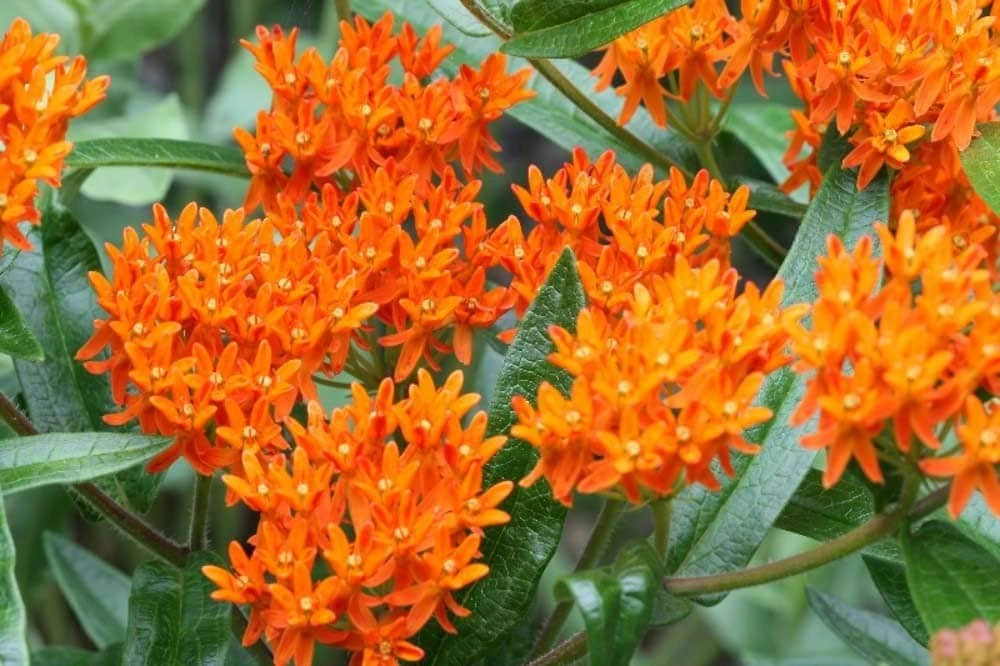
Butterfly Milkweed Seeds (Asclepias Tuberosa) – 50 Seed Pack – Drought Tolerant, Full Sun, Monarch Host Plant
Original price was: 48.91 $.19.91 $Current price is: 19.91 $.
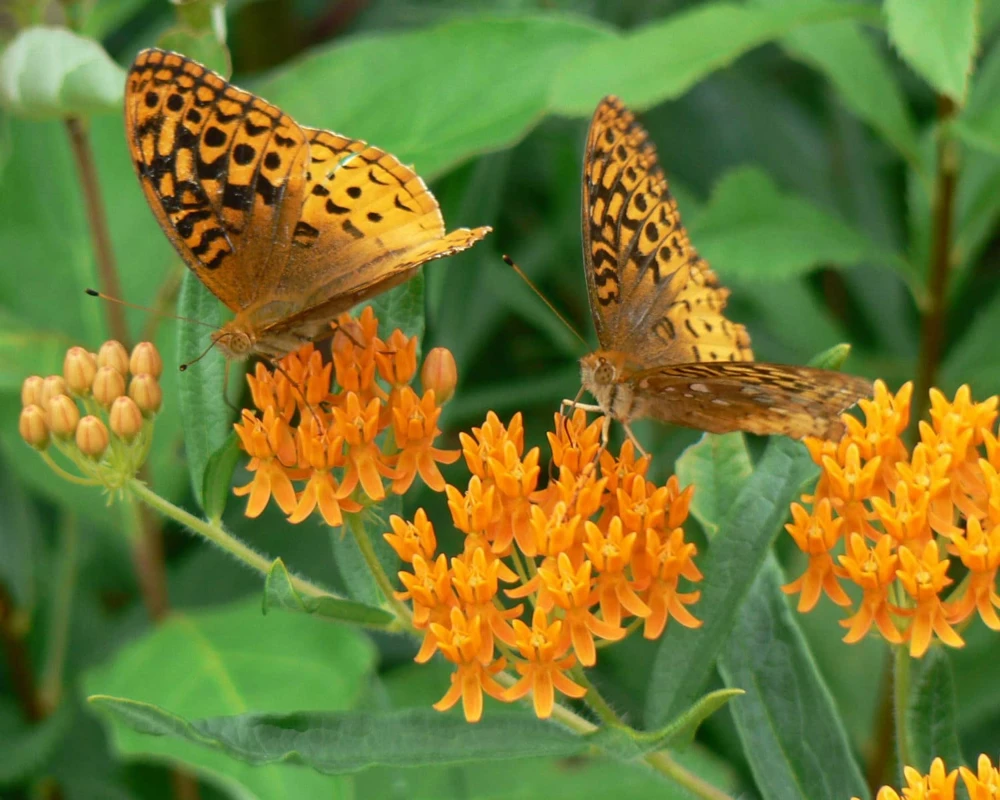
Cultivate a vibrant wildlife haven with our premium butterfly milkweed seeds (Asclepias Tuberosa). This 50-seed pack is perfect for creating a pollinator-friendly garden, attracting monarch butterflies, bees, and hummingbirds. Enjoy its stunning orange and yellow blooms and support local ecosystems.
Estimated arrival
Nov 27
Dec 02 - Dec 04
Dec 04 - Dec 09
See our Shipping Policy.
Get in touch with us via email, and our team will review your concerns.
Our Alive & Thrive Guarantee covers issues with your plants within the first 30 days. Read our Refund & Returns Policy.
-
USDA Hardiness Zone
4 to 10 -
Soil Type
Well-draining soil -
Sunlight Exposure
Full sun -
Expected Planting Period
Late fall to early spring
Overview
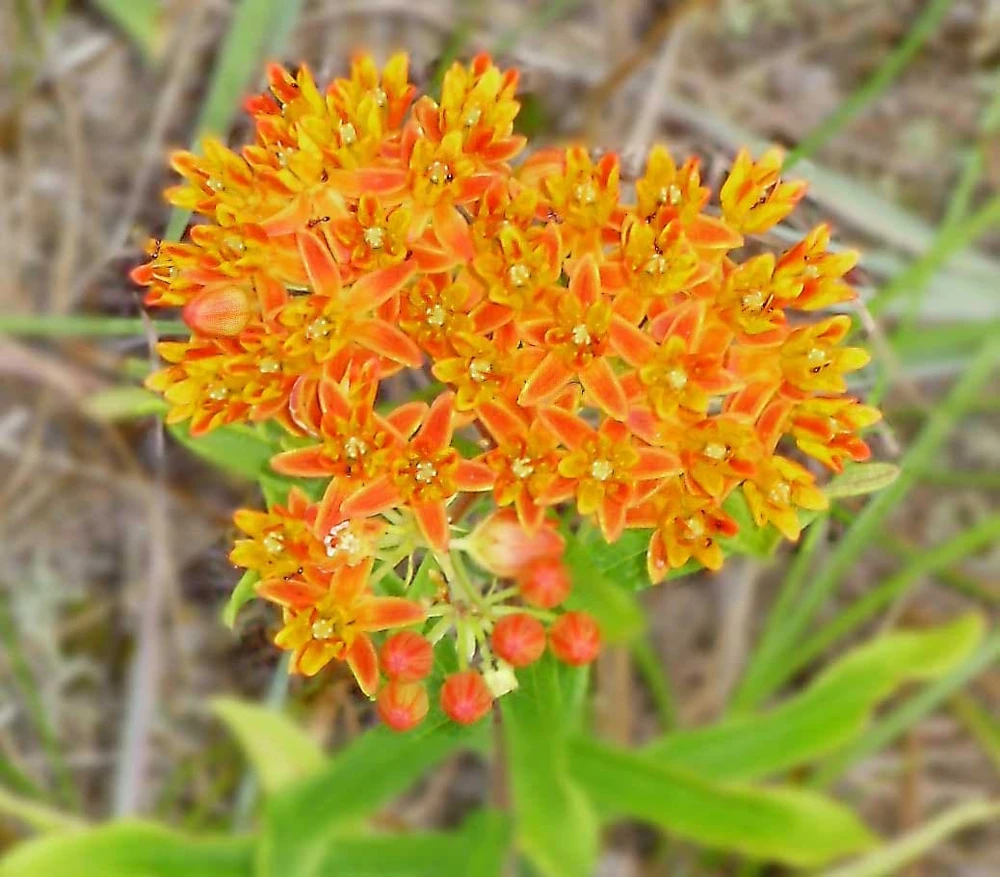
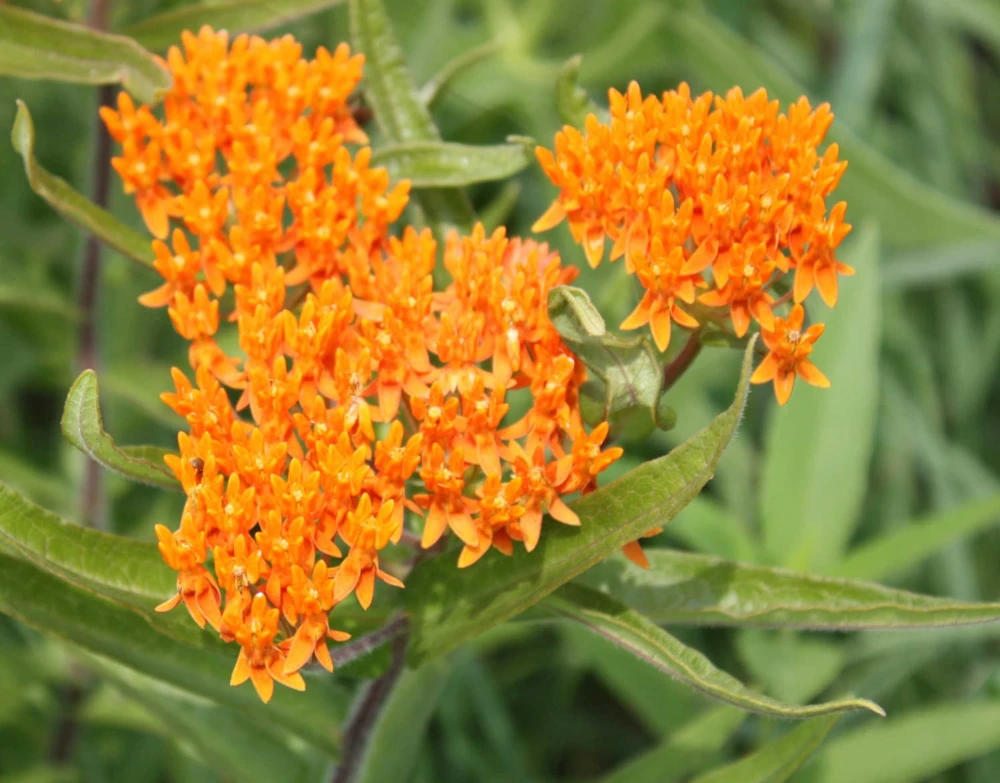
Transform your garden into a pollinator paradise with our premium butterfly milkweed seeds. This offering includes 50 high-quality seeds of Asclepias tuberosa, also widely known as Butterfly Milkweed, Butterfly Weed, and Pleurisy Root. Unlike many other milkweed varieties, this particular species thrives in drier soil conditions and demands full sun exposure to flourish, making it an excellent choice for xeriscaping or sunny garden spots. A distinctive feature of this plant is its lack of milky sap, setting it apart from its relatives. From mid-summer through early fall, your garden will be adorned with spectacular orange and yellow blooms that are not only visually appealing but also a magnet for various wildlife. This plant is a crucial host for Monarch and Queen butterfly larvae, playing a vital role in their life cycle. Creating a habitat with asclepias tuberosa seeds supports local biodiversity and adds a splash of vibrant color to any landscape.
Beyond monarchs, these seeds will grow into plants that attract a diverse array of pollinators, including several bird species, a multitude of bees, and various butterflies. Hummingbirds are particularly drawn to its nectar-rich flowers. It also serves as a larval host for other fascinating insects like the Polka-Dot Wasp Moth (where oleander is absent), Cycnia collaris, and Unexpected Cycnia Moths. Common names for this beloved plant include Canada Root, Chiggerflower, Fluxroot, Indian Paintbrush, Orange Milkweed, and Butterfly Love, highlighting its widespread recognition and appreciation. Starting with these butterfly garden seeds is a rewarding experience for any gardener looking to make an ecological impact.
Key Benefits
Planting butterfly milkweed seeds offers a multitude of benefits, enhancing both the aesthetic appeal and ecological value of your outdoor space. This resilient perennial is a cornerstone for creating a thriving wildlife habitat, providing essential resources for numerous beneficial insects and birds.
- Attracts Essential Pollinators: The bright orange and yellow flowers are irresistible to a wide range of pollinators, including bees, hummingbirds, and various butterfly species. This helps support local ecosystems and promotes biodiversity in your garden.
- Crucial Monarch Host Plant: Asclepias tuberosa is a primary host plant for Monarch and Queen butterfly caterpillars. By planting these monarch host plant seeds, you directly contribute to the survival and population health of these iconic butterflies.
- Drought-Tolerant and Low Maintenance: Once established, Butterfly Milkweed is remarkably drought-tolerant, requiring less water than many other flowering plants. It thrives in full sun and well-drained soil, making it an easy-care addition to almost any garden.
- Vibrant, Long-Lasting Blooms: Enjoy a prolonged display of stunning orange and yellow flowers from mid-summer to early fall. These cheerful blooms add continuous color and interest to your landscape for several months.
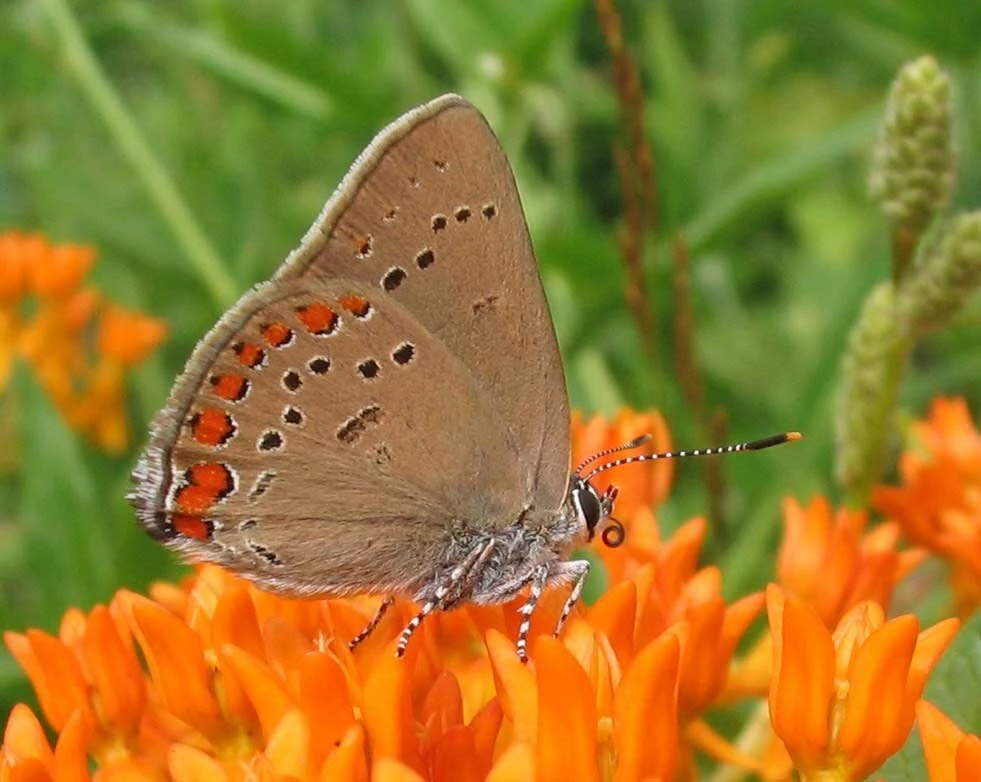
- Supports Diverse Wildlife: Beyond monarchs, this plant attracts various other beneficial insects and birds, enriching the ecological tapestry of your yard. It’s a nectar source for many butterflies, such as the Gray Cooper and Banded Hairstreak.
- Native Perennial: As a native North American perennial, it is well-adapted to local climates and contributes to the natural beauty and ecological balance of the region.
- Educational Opportunity: Observing the life cycle of butterflies and the interactions of various pollinators provides a wonderful educational experience for children and adults alike.
Plant Care & Growing Tips
Growing butterfly milkweed seeds is a straightforward process, especially when you understand its specific needs. Success begins with proper site selection and soil preparation. This plant absolutely thrives in full sun, meaning it requires at least 6-8 hours of direct sunlight per day. Choose a location in your garden that receives abundant sun throughout the day. Unlike many other milkweeds, Asclepias tuberosa prefers dry to medium-dry soil conditions and excellent drainage. Avoid heavy, waterlogged soils, as this can lead to root rot. If your soil is heavy clay, amend it with sand or compost to improve drainage.
For best germination, asclepias tuberosa seeds often benefit from a period of cold stratification. This can be achieved by placing the seeds in a moist paper towel inside a plastic bag and refrigerating them for 30-60 days before planting in spring. Alternatively, you can sow them directly outdoors in late fall or early winter, allowing nature to provide the necessary cold treatment. Sow seeds about 1/4 inch deep and space them 12-18 inches apart. Water gently after planting. Once established, watering needs are minimal; this plant is quite drought-tolerant. During extended dry spells, occasional deep watering may be beneficial, but allow the soil to dry out between waterings. Fertilization is generally not necessary in average garden soil, as excessive nutrients can sometimes lead to leggy growth rather than abundant blooms. This perennial is quite hardy and generally pest-resistant. Keep an eye out for aphids, which can be easily managed with a strong spray of water or insecticidal soap if necessary. The plant is hardy in USDA Zones 4 to 10, making it suitable for a wide range of climates. Proper care ensures a thriving patch of orange milkweed seeds that will delight pollinators for years.
Size & Details
This offering includes a pack of 50 butterfly milkweed seeds (Asclepias tuberosa), providing ample opportunity to establish a robust patch of this beneficial perennial. Each seed has the potential to grow into a mature plant that typically reaches a height of 1 to 2.5 feet (30-75 cm) with a similar spread of 1 to 2 feet. The plant forms a sturdy, upright clump adorned with lance-shaped green leaves. The vibrant orange and yellow flower clusters emerge from mid-summer, usually in July, and continue blooming through early fall, often until September or October, depending on your climate. The seeds are shipped in a protective packet, ready for planting. While germination can occur in the first year, Butterfly Milkweed often takes a couple of years to fully establish and produce its most prolific blooms. It has a moderate growth rate, establishing itself well within a few seasons. These butterfly garden seeds are ideal for creating naturalized areas, pollinator gardens, or adding a burst of color to perennial borders.
Frequently Asked Questions
- Q: How many seeds are included in this pack? A: This pack contains 50 butterfly milkweed seeds, providing a generous quantity for planting a significant area or for multiple planting attempts.
- Q: Is this an indoor or outdoor plant? A: Butterfly Milkweed (Asclepias Tuberosa) is primarily an outdoor plant. It requires full sun and is best suited for garden beds, meadows, or large containers outdoors.
- Q: How much sunlight does Butterfly Milkweed need? A: This plant thrives in full sun, requiring at least 6-8 hours of direct sunlight per day for optimal growth and flowering.
- Q: Is this plant easy to care for? A: Yes, once established, Butterfly Milkweed is considered a low-maintenance plant. It is drought-tolerant and requires minimal care, making it suitable for both beginner and experienced gardeners.
- Q: What condition will the seeds arrive in? A: The seeds will arrive in a protective packet, carefully packaged to ensure their viability and readiness for planting.
- Q: How long until it blooms after planting? A: While some plants may bloom in their first year from seed, Butterfly Milkweed typically establishes its root system in the first year and produces its most abundant blooms in its second or third year.
- Q: Will it survive winter in my zone? A: Yes, Butterfly Milkweed is a hardy perennial suitable for USDA Hardiness Zones 4 to 10. It will die back to the ground in winter and re-emerge in spring.
- Q: Is this plant a host for Monarch butterflies? A: Absolutely! Asclepias tuberosa is a critical larval host plant for Monarch and Queen butterflies, providing essential food for their caterpillars. Planting these monarch host plant seeds directly supports their life cycle.
- Q: What kind of soil does Butterfly Milkweed prefer? A: It prefers well-draining soil and can tolerate a variety of soil types, including sandy or rocky soils, but it does not do well in heavy, wet clay.
- Q: When is the best time to plant these seeds? A: You can sow the seeds directly outdoors in late fall or early winter for natural cold stratification, or indoors in late winter/early spring after a period of artificial cold stratification.
Be the first to review “Butterfly Milkweed Seeds (Asclepias Tuberosa) – 50 Seed Pack – Drought Tolerant, Full Sun, Monarch Host Plant”
Related products


Flower Seeds


You May Like

How to Grow Passion Flower (Passiflora) for Tropical Blooms
Few climbing vines in the home garden command attention quite like the exotic Passion Flower (Passiflora). [...]
Nov

Thanksgiving Cactus Care: How to Get Thanksgiving Cactus to Bloom
Is your Thanksgiving cactus growing well but not giving you any flowers? Maybe it looked [...]
Nov

How to Grow Garlic for a Bountiful Home Harvest
Garlic (Allium sativum) is one of the most satisfying, low-maintenance, and flavor-packed crops you can [...]
Oct

Hardneck vs. Softneck Garlic: Which Should You Grow?
Have you ever stood in front of a seed catalog in mid-September, staring at dozens [...]
1 Comment
Oct

When to Plant Music Garlic: Ultimate US Fall Guide
Have you ever spent your fall weekend placing carefully chosen garlic cloves into rich, dark [...]
1 Comment
Oct

5 Best Bulbs for Fall Planting: Brighten Your Garden This Spring
Are you dreaming of a garden full of vibrant colors in the spring? The key [...]
Aug

10 Houseplants That Will Thrive in Your Kitchen
Are you tired of your kitchen feeling dull and lifeless? Want to add a little [...]
1 Comment
Aug
Reviews
There are no reviews yet.