
Caesalpinia Pulcherrima Yellow Seeds – 10 Pack, Tropical Butterfly Host Plant
Original price was: 48.91 $.19.91 $Current price is: 19.91 $.
Cultivate stunning tropical beauty with Caesalpinia pulcherrima yellow seeds. This 10-seed pack allows you to grow the vibrant Peacock Flower, a favorite for attracting birds, bees, and butterflies. Perfect for USDA Zones 8-11, these seeds will transform your garden into a pollinator paradise.
Estimated arrival
Nov 26
Dec 01 - Dec 03
Dec 03 - Dec 08
See our Shipping Policy.
Get in touch with us via email, and our team will review your concerns.
Our Alive & Thrive Guarantee covers issues with your plants within the first 30 days. Read our Refund & Returns Policy.
-
USDA Hardiness Zone
8 to 11 -
Soil Type
Well-draining, sandy loam -
Sunlight Exposure
Full sun to partial shade -
Expected Planting Period
Spring to early summer
Overview
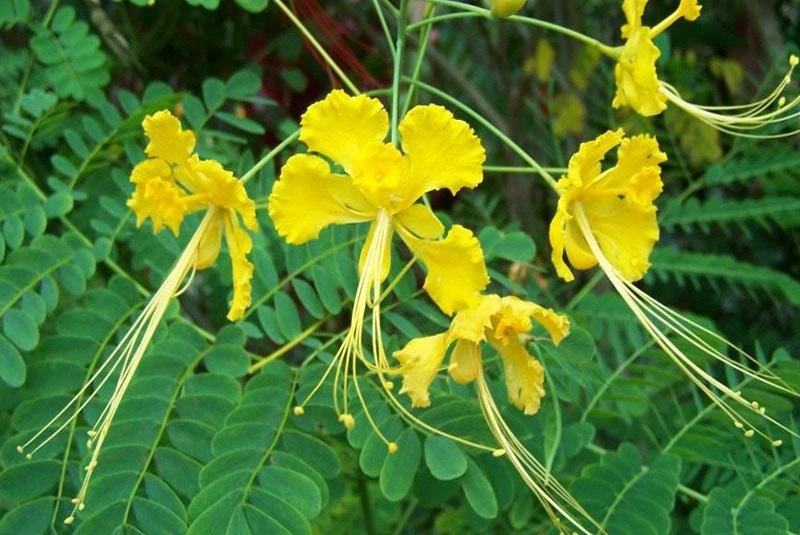
Transform your garden into a tropical haven with our premium Caesalpinia pulcherrima yellow seeds. Also widely known as the Yellow Peacock Flower, Dwarf Poinciana, or Pride of Barbados, this stunning tropical shrub is celebrated for its brilliant yellow blooms and its incredible ability to attract a lively array of pollinators. Each pack contains 10 Caesalpinia pulcherrima yellow seeds, providing you with the opportunity to cultivate these magnificent plants that bring both color and life to any outdoor space. Originating from tropical regions, this species, scientifically known as Caesalpinia pulcherrima, is a fast-growing, showy shrub that will become a focal point in your landscape. Prepare to enjoy a continuous display of exotic yellow flowers that thrive in warmer climates, making it an ideal choice for gardeners in USDA Hardiness Zones 8 to 11.
These peacock flower seeds are perfect for gardeners looking to create a vibrant, low-maintenance, and wildlife-friendly garden. The striking yellow blossoms are not only beautiful but also serve as a vital nectar source for hummingbirds, bees, and especially butterflies. As a larval host plant for several butterfly species, including the Common Mormon, Common Grass Yellow, and Tailed Jay butterflies, growing these seeds directly contributes to supporting local ecosystems. Whether you’re an experienced gardener or just starting, these easy-to-grow seeds promise a rewarding experience, culminating in a spectacular display of tropical flora.
Key Benefits
Planting Caesalpinia pulcherrima yellow seeds offers a multitude of benefits, enhancing your garden’s aesthetic appeal and ecological value. This tropical shrub is a true garden gem, providing continuous beauty and supporting local wildlife.
- Stunning Visual Appeal: The bright, showy yellow flowers of the Caesalpinia pulcherrima create a dramatic and beautiful focal point in any garden. Their exotic appearance adds a touch of the tropics, making your landscape stand out with vibrant color.
- Attracts Pollinators: This plant is a magnet for beneficial insects and birds. Its nectar-rich flowers draw in hummingbirds, bees, and a wide variety of butterflies, making your garden a lively and dynamic ecosystem.
- Butterfly Host Plant: Beyond just attracting adult butterflies, these Caesalpinia seeds provide essential food and habitat for butterfly larvae, including the Common Mormon, Common Grass Yellow, and Tailed Jay. This directly supports the butterfly life cycle and promotes biodiversity.
- Drought Tolerant: Once established, Caesalpinia pulcherrima is remarkably drought-tolerant, making it an excellent choice for xeriscaping or gardens in drier climates, reducing the need for frequent watering.
- Long Blooming Season: In suitable climates (USDA Zones 8-11), the Yellow Peacock Flower can bloom almost year-round, providing continuous color and interest in your garden for many months.
- Easy to Grow from Seed: These yellow bird of paradise seeds are relatively straightforward to germinate and grow, offering a satisfying project for gardeners of all skill levels. With proper care, you’ll see beautiful results.
- Versatile Landscaping Use: Ideal for hedges, borders, specimen plants, or large containers, the Caesalpinia pulcherrima adapts well to various garden designs, adding a tropical flair wherever it’s planted.
Plant Care & Growing Tips
Growing vibrant Caesalpinia pulcherrima yellow seeds into healthy, blooming shrubs is a rewarding experience with the right care. These tropical plants thrive in warm conditions and require specific attention to light, water, and soil to reach their full potential. To ensure successful germination, it’s often beneficial to scarify the seeds by gently scratching the hard outer coat with sandpaper or nicking it with a knife, and then soaking them in warm water for 24 hours before planting. This helps water penetrate the seed and speeds up germination, which typically occurs within 1-3 weeks.
For optimal growth, plant your tropical butterfly plant in a location that receives full sun to partial shade. Full sun (at least 6-8 hours of direct sunlight daily) will encourage the most prolific blooming and robust growth. While it tolerates some shade, too much will result in fewer flowers. The soil should be well-draining, as these plants do not like soggy roots. A sandy loam soil with a slightly acidic to neutral pH (6.0-7.0) is ideal. Amend heavy clay soils with organic matter to improve drainage. Once established, Caesalpinia pulcherrima is quite drought-tolerant, but regular watering during dry spells, especially when young, will promote better growth and flowering. Allow the top inch or two of soil to dry out between waterings.
Caesalpinia pulcherrima yellow seeds will produce plants that are hardy in USDA Zones 8 to 11. In Zone 8, they may die back to the ground in winter but often return from the roots in spring. In warmer zones, they can remain evergreen. Fertilize sparingly; a balanced slow-release fertilizer in spring is usually sufficient. Pruning can be done to maintain shape, remove spent flowers to encourage more blooms, or to control size. Watch out for common pests like aphids or spider mites, which can usually be managed with insecticidal soap. Providing the right conditions will ensure your Caesalpinia seeds grow into magnificent, butterfly-attracting specimens.
Size & Details
The Caesalpinia pulcherrima yellow seeds you receive will germinate to produce a beautiful, medium-sized tropical shrub. Typically, this plant grows to a height of 6 to 10 feet (1.8 to 3 meters) with a similar spread, though it can be kept smaller with regular pruning. Its growth rate is considered fast, allowing you to enjoy substantial development within the first growing season. These seeds are shipped as raw, untreated seeds, ready for scarification and planting. Each seed has the potential to grow into a vibrant flowering shrub, adding significant ornamental value to your garden. Expect the first blooms to appear within one to two years from seeding, depending on growing conditions and climate.
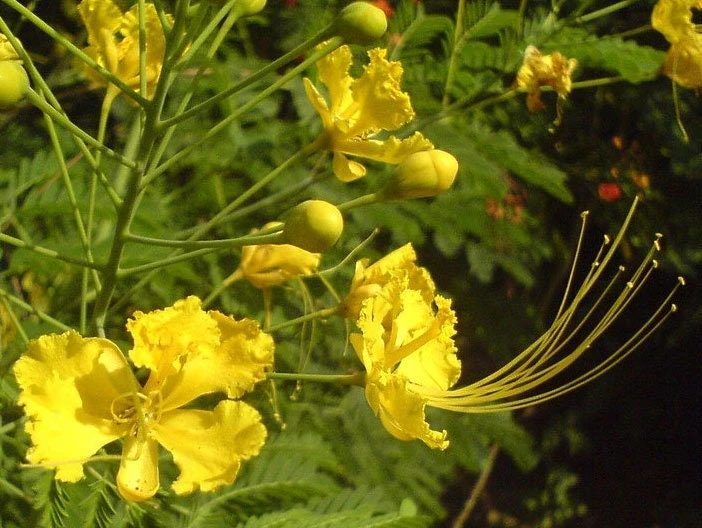
The mature plant will feature attractive, fern-like, bipinnate leaves and striking flower clusters. Each cluster bears numerous individual flowers with five crinkled petals and long, prominent stamens, creating an exotic, feathery appearance. The flowering period is extensive, often blooming year-round in frost-free environments. This makes it an excellent choice for continuous garden interest and a reliable food source for pollinators. The yellow bird of paradise seeds will develop into a robust plant that can withstand various conditions once established, providing a long-lasting display of tropical beauty.
Frequently Asked Questions
- Q: How big does this plant get from these Caesalpinia pulcherrima yellow seeds? A: When mature, the Caesalpinia pulcherrima typically grows to about 6 to 10 feet tall and wide. Its size can be managed with regular pruning to fit your garden space or kept smaller in containers.
- Q: Is this an indoor or outdoor plant? A: This is primarily an outdoor plant, thriving in warm, tropical, and subtropical climates (USDA Zones 8-11). In colder zones, it can be grown in a large pot and brought indoors during winter, or treated as an annual.
- Q: How much sunlight does it need? A: The tropical butterfly plant prefers full sun, meaning at least 6-8 hours of direct sunlight per day, for the best flowering. It can tolerate partial shade, but blooming may be less prolific.
- Q: Is this plant easy to care for? A: Yes, once established, Caesalpinia pulcherrima is relatively easy to care for. It’s drought-tolerant and requires minimal maintenance beyond occasional pruning and feeding. Starting from Caesalpinia seeds requires a bit more initial attention during germination.
- Q: What condition will the seeds arrive in? A: Your peacock flower seeds will arrive as dry, raw seeds, carefully packaged to ensure their viability. They will be ready for scarification and planting upon arrival.
- Q: How long until it blooms from seed? A: Typically, the plant will start to bloom within one to two years after germination, provided it’s grown in optimal conditions with plenty of sunlight and warmth.
- Q: Will it survive winter in my zone? A: This plant is hardy in USDA Zones 8 to 11. In Zone 8, it may die back to the ground with frost but often re-sprouts from the roots in spring. In Zones 9-11, it can remain evergreen.
- Q: What’s the best time to plant these Caesalpinia seeds? A: The best time to plant is in spring or early summer after all danger of frost has passed and soil temperatures have warmed up. This gives the young plants ample time to establish before cooler weather.
- Q: What kind of soil does this plant prefer? A: It thrives in well-draining soil, preferably a sandy loam. It’s tolerant of various soil types but will not do well in heavy, waterlogged conditions.
- Q: Is this plant good for beginners? A: Yes, with a little research on seed scarification and proper planting techniques, growing Caesalpinia pulcherrima yellow seeds can be a very rewarding experience for beginner gardeners looking to add tropical flair.
Be the first to review “Caesalpinia Pulcherrima Yellow Seeds – 10 Pack, Tropical Butterfly Host Plant”
Related products


Flower Seeds


You May Like

How to Grow Passion Flower (Passiflora) for Tropical Blooms
Few climbing vines in the home garden command attention quite like the exotic Passion Flower (Passiflora). [...]
Nov

Thanksgiving Cactus Care: How to Get Thanksgiving Cactus to Bloom
Is your Thanksgiving cactus growing well but not giving you any flowers? Maybe it looked [...]
Nov

How to Grow Garlic for a Bountiful Home Harvest
Garlic (Allium sativum) is one of the most satisfying, low-maintenance, and flavor-packed crops you can [...]
Oct

Hardneck vs. Softneck Garlic: Which Should You Grow?
Have you ever stood in front of a seed catalog in mid-September, staring at dozens [...]
1 Comment
Oct

When to Plant Music Garlic: Ultimate US Fall Guide
Have you ever spent your fall weekend placing carefully chosen garlic cloves into rich, dark [...]
1 Comment
Oct

5 Best Bulbs for Fall Planting: Brighten Your Garden This Spring
Are you dreaming of a garden full of vibrant colors in the spring? The key [...]
Aug

10 Houseplants That Will Thrive in Your Kitchen
Are you tired of your kitchen feeling dull and lifeless? Want to add a little [...]
1 Comment
Aug
Reviews
There are no reviews yet.