
California Pipevine Seeds – Aristolochia californica – 10 Seeds – Outdoor Perennial Climber
Original price was: 48.91 $.19.91 $Current price is: 19.91 $.
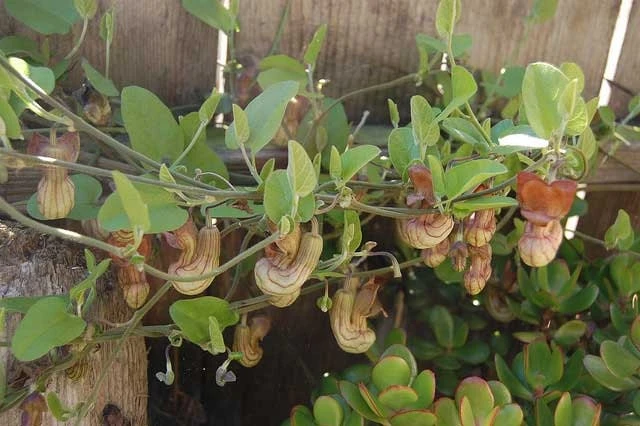
Cultivate stunning California Pipevine seeds (Aristolochia californica), a unique perennial climber. These Aristolochia californica seeds are perfect for attracting Pipevine Swallowtail butterflies and other pollinators to your garden. Thrives in partial to full shade, offering early blooms.
Estimated arrival
Nov 26
Dec 01 - Dec 03
Dec 03 - Dec 08
See our Shipping Policy.
Get in touch with us via email, and our team will review your concerns.
Our Alive & Thrive Guarantee covers issues with your plants within the first 30 days. Read our Refund & Returns Policy.
-
USDA Hardiness Zone
USDA Hardiness Zones 8 to 10 -
Soil Type
Rich, well-draining soil -
Sunlight Exposure
Partial shade to full shade -
Expected Planting Period
Early spring after stratification
Overview
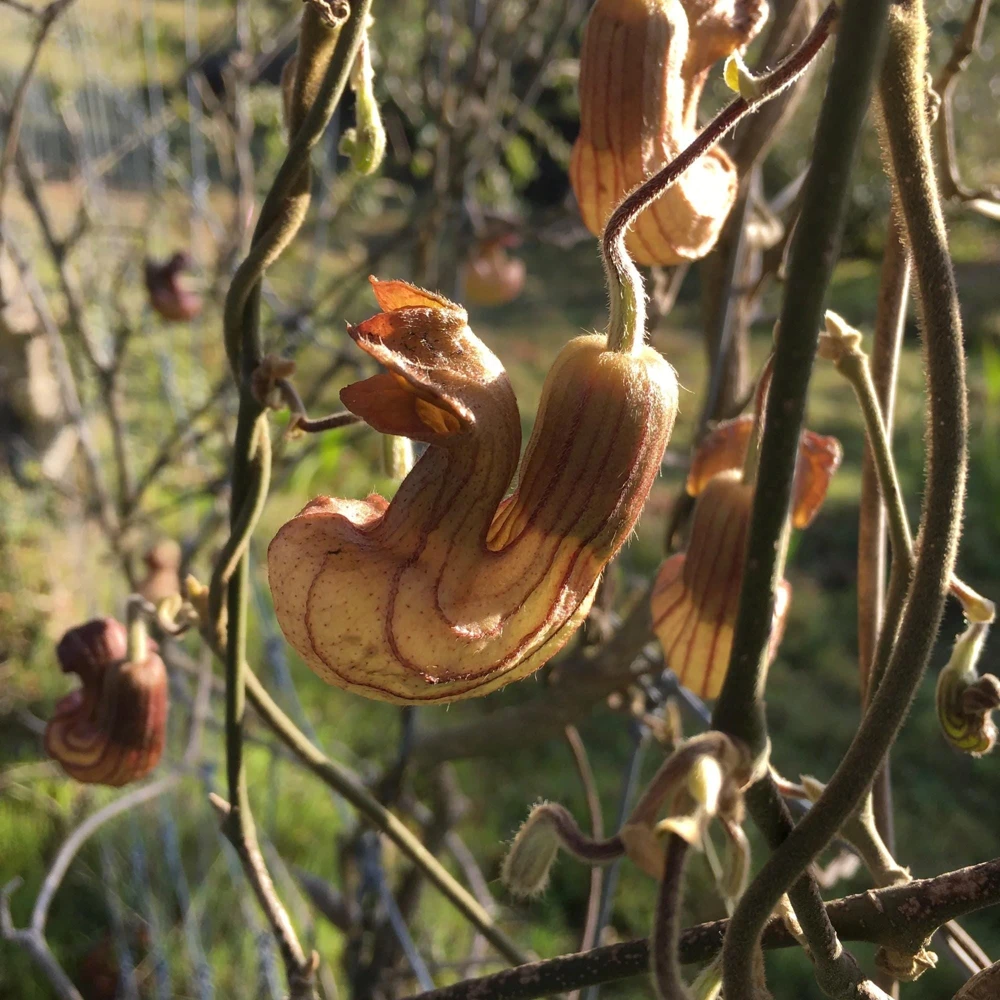
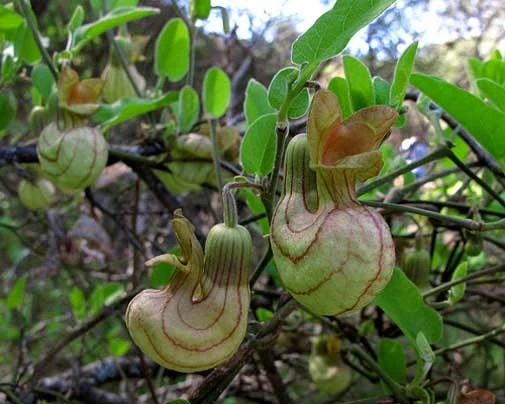
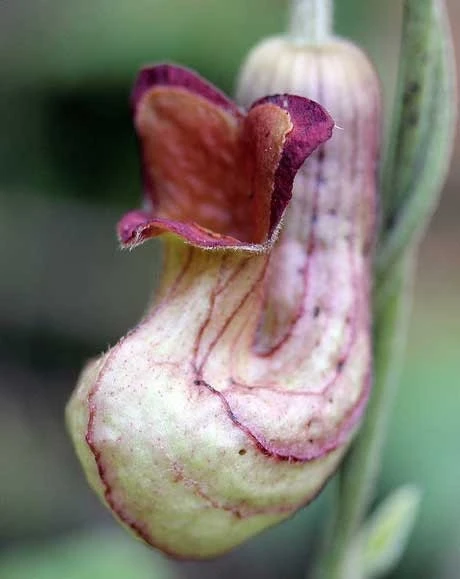
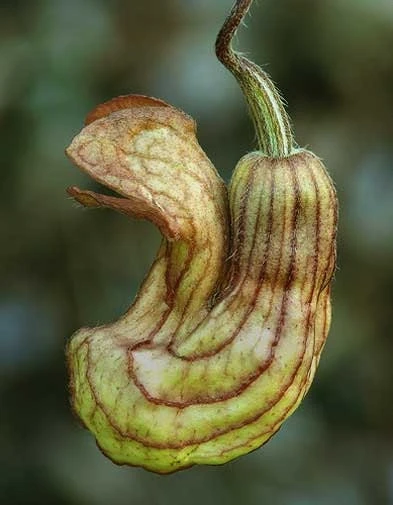
Embark on a rewarding gardening journey with our premium California Pipevine seeds. Also known by its botanical name, Aristolochia californica seeds, and colloquially as California Dutchman’s Pipe, this exceptional perennial climber is a must-have for any garden enthusiast looking to create a vibrant, nature-friendly space. The California Pipevine is renowned for its distinctive, pipe-shaped flowers that emerge in late winter to early spring, adding an unusual beauty to the landscape when most other plants are still dormant. Beyond its aesthetic appeal, this plant plays a crucial ecological role as a larval host plant for the magnificent Pipevine Swallowtail, Polydamas Swallowtail, and Mylotes Cattleheart butterflies. By planting these California Pipevine seeds, you are not only cultivating a beautiful vine but also contributing to the conservation of these vital pollinators, transforming your garden into a thriving ecosystem.
Key Benefits
The California Pipevine seeds offer a multitude of benefits for both your garden and the local ecosystem, making them an excellent choice for conscientious gardeners. Growing this unique climber provides visual interest and supports local wildlife.
- Attracts Pollinators: The primary benefit of planting these seeds is their ability to attract a wide array of beneficial insects, including various birds, bees, and especially butterflies. It serves as a vital larval host plant for the Pipevine Swallowtail, ensuring their lifecycle continues in your garden.
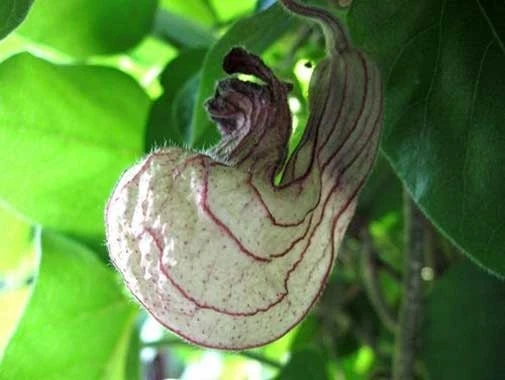
- Unique Ornamental Value: The distinctive, pipe-shaped flowers of the California Pipevine are truly one-of-a-kind. Their unusual form and early blooming period make them a captivating focal point in any garden, adding an element of intrigue and natural beauty.
- Shade-Loving Perennial: Ideal for those challenging shaded areas in your garden, this plant thrives in partial to full shade. This makes it a versatile choice for under trees, along north-facing walls, or in woodland gardens where other flowering plants might struggle.
- Early Season Blooms: Enjoy the delicate beauty of its blossoms in late winter and early spring, providing much-needed color and life when many other plants are still dormant. This early bloom offers a head start to the season’s vibrancy.
- Low Maintenance Climber: Once established, the California Pipevine is relatively low-maintenance, requiring minimal intervention to thrive. Its vigorous climbing habit makes it excellent for covering fences, trellises, or arbors with lush foliage and unique flowers.
- Supports Butterfly Conservation: By cultivating Aristolochia californica seeds, you are actively participating in butterfly conservation efforts. Providing a host plant for the Pipevine Swallowtail directly supports their population and ecological health.
- Natural Privacy Screen: With its dense foliage and climbing nature, the California Pipevine can create a beautiful and natural privacy screen or add lushness to vertical spaces, enhancing the overall appeal and seclusion of your garden.
Plant Care & Growing Tips
Successful cultivation of California Pipevine seeds begins with proper planting and ongoing care. These seeds require specific conditions to germinate and establish into healthy, thriving vines. For optimal germination, it’s often recommended to cold stratify the seeds for a period of 60-90 days before planting. Once stratified, sow the seeds in a well-draining seed-starting mix, lightly covering them with soil. Maintain consistent moisture but avoid waterlogging, which can lead to rot.
Once seedlings emerge, transplant them carefully into their permanent location. The California Pipevine thrives in at least some light shade, but it can also handle a spot that receives full shade, making it a versatile choice for various garden settings. It prefers rich, well-draining soil that is consistently moist. Regular watering is crucial, especially during dry spells and in its initial establishment phase. Fertilize sparingly with a balanced, slow-release fertilizer in spring to encourage vigorous growth. This plant is hardy in USDA Zones 8 to 10, tolerating a range of temperatures. Providing a sturdy trellis or support structure is essential as this perennial climber will rapidly grow and intertwine, creating a dense canopy of foliage and unique blooms. Understanding California Pipevine care is key to a flourishing plant.
Protect young plants from strong winds and intense afternoon sun until they are well-established. While generally robust, monitor for common garden pests, though the California Pipevine is relatively resistant. Pruning can be done after flowering to maintain shape and encourage bushier growth. Remember, thoughtful care from the moment you plant your growing Pipevine from seed will yield a magnificent, butterfly-attracting display for years to come.
Size & Details
This offering includes 10 California Pipevine seeds (Aristolochia californica), ready for you to start cultivating. Each seed carries the potential to grow into a robust, perennial climbing vine. In ideal conditions, the California Pipevine can reach impressive lengths, typically growing 15 to 20 feet tall, and sometimes even up to 30 feet, making it an excellent choice for covering arbors, pergolas, or fences. The plant produces distinctive, U-shaped flowers, often with a purplish-brown hue, which appear from late winter through early spring, followed by interesting seed pods.
The seeds are shipped in a protective packet to ensure their viability upon arrival. With proper care, germination can occur within several weeks to a few months after stratification. Expect the vine to establish itself in the first year, with more vigorous growth and flowering commencing in its second season. Providing ample space and a strong support structure will allow this beautiful climber to fully express its natural splendor and become a prominent feature in your garden for many years. This unique plant is a testament to the beauty of native flora and its ecological importance.
Frequently Asked Questions
- Q: How big does this plant get? A: The California Pipevine is a vigorous climber that can typically reach lengths of 15 to 20 feet, and under optimal conditions, it can grow up to 30 feet tall, providing extensive coverage for your garden structures.
- Q: Is this an indoor or outdoor plant? A: This is an outdoor perennial climber, best suited for gardens where it can grow vertically on trellises, fences, or arbors. It thrives in its natural outdoor habitat.
- Q: How much sunlight does it need? A: The California Pipevine prefers at least some light shade but can tolerate and even thrive in full shade, making it perfect for shadier spots in your garden.
- Q: Is this plant easy to care for? A: Once established, the California Pipevine is relatively low-maintenance. It requires consistent moisture and a good support structure but is otherwise quite resilient, especially if you follow our California Pipevine care tips.
- Q: What condition will the California Pipevine seeds arrive in? A: Your Aristolochia californica seeds will arrive in a securely packaged packet, ensuring they are protected and viable for planting upon delivery.
- Q: How long until it blooms? A: While the vine will establish in its first year, significant blooming typically begins in the second year after planting from seed, with flowers appearing in late winter to early spring.
- Q: When is the best time to plant these seeds? A: After a period of cold stratification, the best time to sow the growing Pipevine from seed is in early spring, allowing the young plants to establish before the heat of summer.
- Q: Will it survive winter in my zone? A: The California Pipevine is hardy in USDA Hardiness Zones 8 to 10, meaning it is well-adapted to survive winters within these specific temperature ranges.
- Q: Is this plant a host for specific butterflies? A: Yes, it is a crucial larval host plant for the Pipevine Swallowtail, Polydamas Swallowtail, and Mylotes Cattleheart butterflies, making it an excellent choice for a butterfly garden.
- Q: What kind of soil does Aristolochia californica seeds prefer? A: It thrives in rich, well-draining soil that retains consistent moisture. Amending your soil with organic matter can help achieve these conditions.
Be the first to review “California Pipevine Seeds – Aristolochia californica – 10 Seeds – Outdoor Perennial Climber”
Related products


Flower Seeds
Blue Stock Matthiola Incana Seeds – 50 Fragrant Gillyflower Seeds – Ten-Week Blue Stock
You May Like

How to Grow Passion Flower (Passiflora) for Tropical Blooms
Few climbing vines in the home garden command attention quite like the exotic Passion Flower (Passiflora). [...]
Nov

Thanksgiving Cactus Care: How to Get Thanksgiving Cactus to Bloom
Is your Thanksgiving cactus growing well but not giving you any flowers? Maybe it looked [...]
Nov

How to Grow Garlic for a Bountiful Home Harvest
Garlic (Allium sativum) is one of the most satisfying, low-maintenance, and flavor-packed crops you can [...]
Oct

Hardneck vs. Softneck Garlic: Which Should You Grow?
Have you ever stood in front of a seed catalog in mid-September, staring at dozens [...]
1 Comment
Oct

When to Plant Music Garlic: Ultimate US Fall Guide
Have you ever spent your fall weekend placing carefully chosen garlic cloves into rich, dark [...]
1 Comment
Oct

5 Best Bulbs for Fall Planting: Brighten Your Garden This Spring
Are you dreaming of a garden full of vibrant colors in the spring? The key [...]
Aug

10 Houseplants That Will Thrive in Your Kitchen
Are you tired of your kitchen feeling dull and lifeless? Want to add a little [...]
1 Comment
Aug
Reviews
There are no reviews yet.