
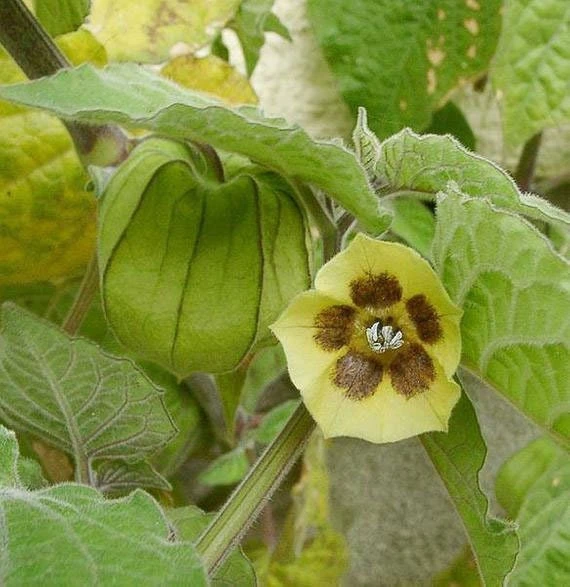
Cape Gooseberry Seeds – Physalis peruviana – Peruvian Ground Cherry – 50 Seeds
Original price was: 48.91 $.19.91 $Current price is: 19.91 $.
Cultivate your own sweet and tangy Cape Gooseberries with this pack of cape gooseberry seeds. Also known as Peruvian Ground Cherry or PohaBerry, these physalis peruviana seeds are perfect for gardeners looking to add unique fruit to their harvest.
Estimated arrival
Nov 27
Dec 02 - Dec 04
Dec 04 - Dec 09
See our Shipping Policy.
Get in touch with us via email, and our team will review your concerns.
Our Alive & Thrive Guarantee covers issues with your plants within the first 30 days. Read our Refund & Returns Policy.
-
USDA Hardiness Zone
Annual in temperate zones; Tender perennial in USDA Hardiness Zones 10 to 12 -
Soil Type
Rich, well-draining soil -
Sunlight Exposure
Full sun -
Expected Planting Period
Spring to early summer (after last frost)
Overview
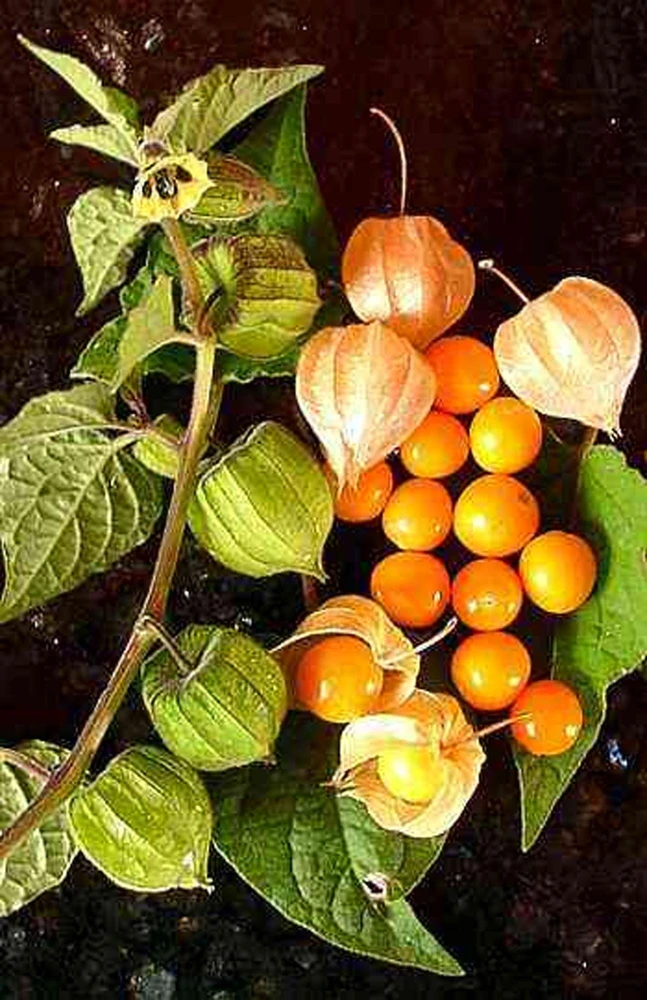
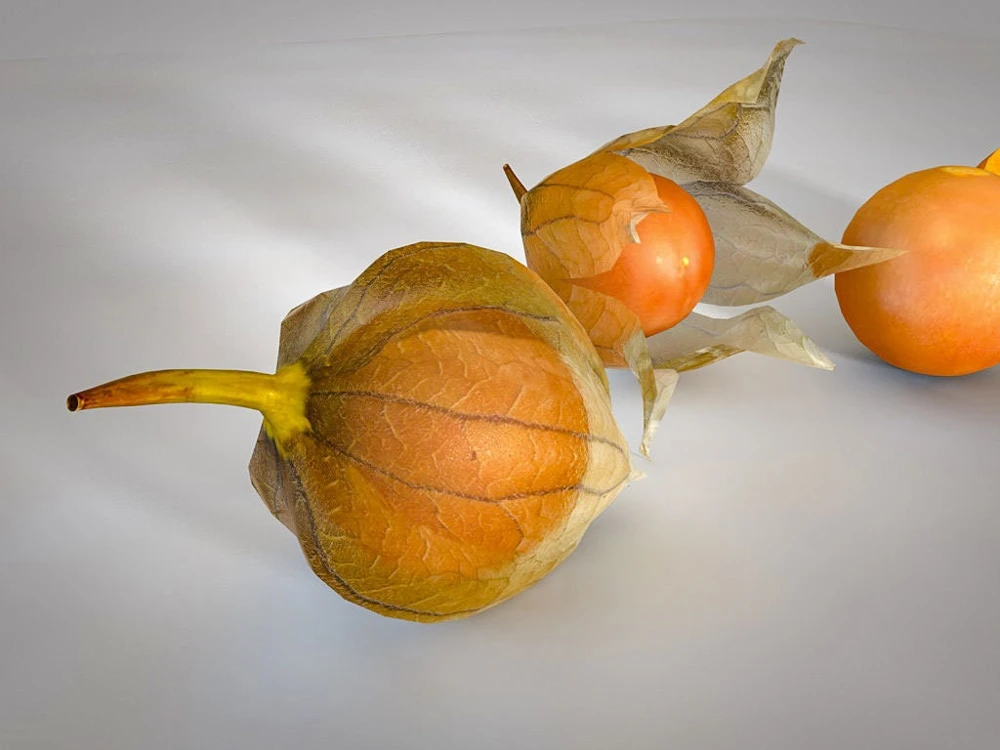
Embark on a rewarding gardening journey with these premium cape gooseberry seeds. Scientifically known as Physalis peruviana, this delightful plant offers a bounty of sweet and tangy fruit, encased in a delicate, paper-like husk. Often referred to as Peruvian Ground Cherry, PohaBerry, or Goldenberry, the Cape Gooseberry is a versatile and attractive addition to any garden. These physalis peruviana seeds promise a vibrant growing experience, culminating in a harvest of delicious berries perfect for fresh eating, jams, desserts, or garnishes. Whether you’re an experienced gardener or just starting, growing your own Cape Gooseberries from seed is an enjoyable and fruitful endeavor.
The Cape Gooseberry plant is celebrated for its distinctive flavor profile, blending notes of pineapple, tomato, and vanilla. Originating from the Andes, it thrives in sunny conditions and can be grown as an annual in cooler climates or as a tender perennial in warmer zones. Our cape gooseberry seeds are carefully selected to ensure high germination rates, setting you up for success. Prepare to enjoy the unique charm and taste of these exotic fruits right from your backyard or patio.
Key Benefits
Growing Cape Gooseberries from seed offers numerous advantages for both your garden and your palate. These resilient plants provide a continuous supply of nutritious and flavorful fruit throughout the growing season.
- Delicious & Versatile Fruit: Harvest sweet and tangy berries perfect for snacking, baking, preserves, or garnishing. The unique flavor of the cape gooseberry seeds will elevate your culinary creations.
- Nutrient-Rich Harvest: Cape Gooseberries are packed with vitamins A and C, antioxidants, and fiber, contributing to a healthy diet.
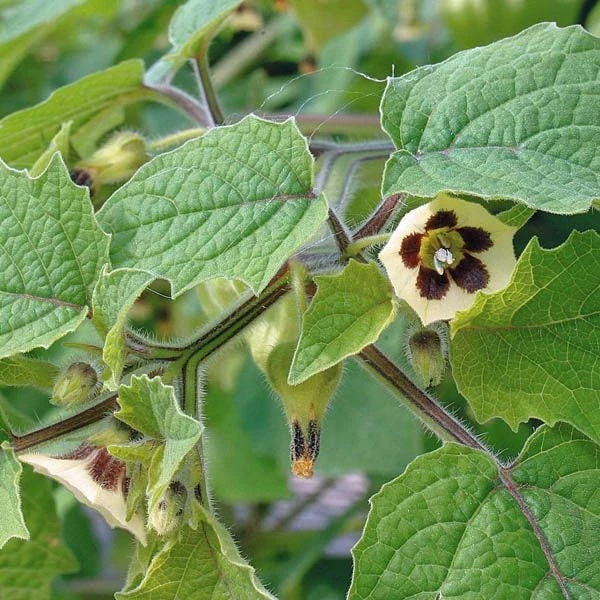
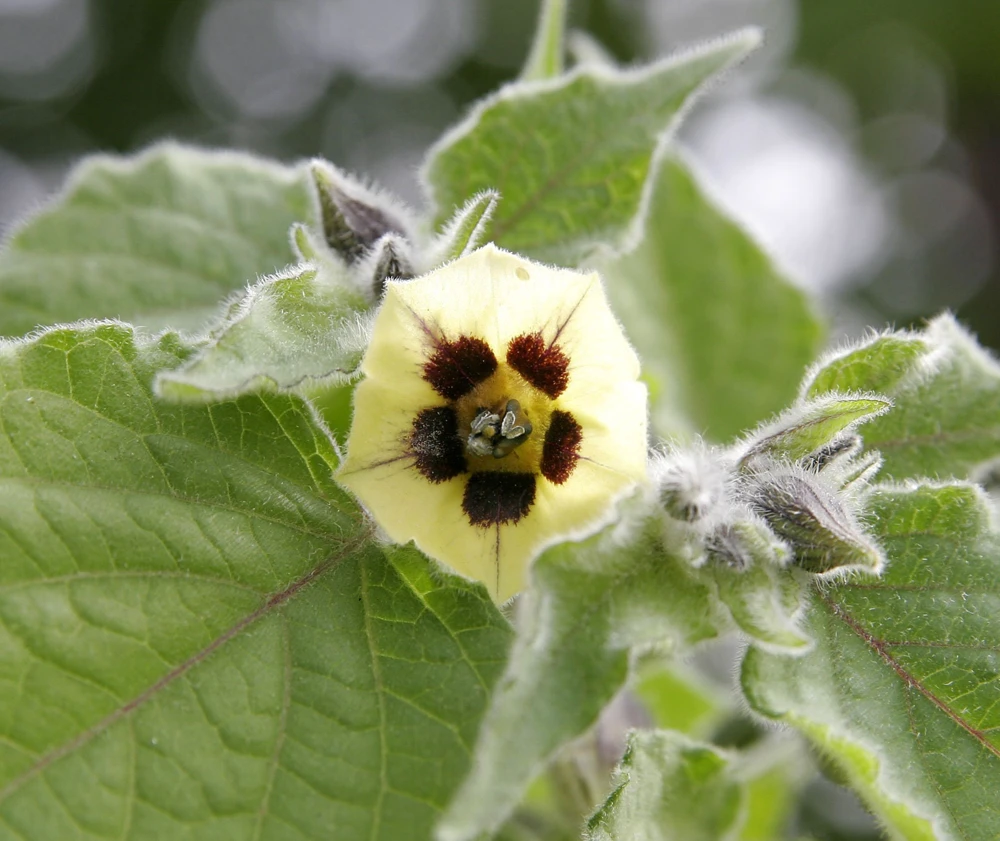
- Attractive Garden Addition: The plants feature charming yellow and purple blossoms that attract pollinators like birds, bees, and butterflies, enhancing your garden’s biodiversity.
- Adaptable Growth: Can be grown as an annual in temperate regions or as a tender perennial in USDA Hardiness Zones 10-12, offering flexibility for various climates.
- Rewarding Gardening Experience: From sprouting physalis peruviana seeds to harvesting ripe fruit, the entire process is deeply satisfying for gardeners of all levels.
- Unique Flavor Profile: Enjoy a distinct taste that combines elements of tropical fruits, making it a standout in any fruit collection.
- Easy to Grow from Seed: With proper care, these seeds germinate readily, providing a cost-effective way to cultivate a significant number of plants.
Plant Care & Growing Tips
Successfully growing Cape Gooseberries from cape gooseberry seeds requires attention to a few key environmental factors. Start your seeds indoors 6-8 weeks before the last frost date in your area. Sow seeds shallowly, about 1/4 inch deep, in a well-draining seed starting mix. Maintain a consistent soil temperature of 70-75°F (21-24°C) for optimal germination. Once seedlings emerge, provide plenty of light, either from a sunny windowsill or grow lights, to prevent them from becoming leggy.
When transplanting outdoors, choose a location that receives full sun, meaning at least 6-8 hours of direct sunlight daily. The plant prefers rich, well-draining soil with a pH between 6.0 and 7.0. Amend heavy clay soils with compost or organic matter to improve drainage and fertility. Space plants about 2-3 feet apart to allow for adequate air circulation and growth. Water regularly, especially during dry periods, ensuring the soil remains consistently moist but not waterlogged. Avoid overhead watering to minimize the risk of fungal diseases. These peruvian ground cherry plants can reach about 2 feet tall and may benefit from staking or caging to support their fruit-laden branches.
Fertilize your Cape Gooseberry plants every 4-6 weeks with a balanced, all-purpose fertilizer once they start producing fruit. Reduce fertilization as the season progresses. In temperate zones, these plants are typically grown as annuals, completing their life cycle in one season. In USDA Hardiness Zones 10 to 12, they can overwinter as tender perennials. Protect perennial plants from frost by covering them or bringing them indoors if grown in containers. Keep an eye out for common garden pests, though Cape Gooseberries are generally quite resilient. Proper care for your pohaberry seeds will lead to a bountiful harvest.
Size & Details
This product includes 50 high-quality cape gooseberry seeds (Physalis peruviana). Each seed has the potential to grow into a robust plant reaching approximately 2 feet in height, with a similar spread. The plants typically begin to produce their distinctive yellow and purple blossoms from late spring through mid-summer, attracting a variety of pollinators. Fruit production usually follows, with berries ripening from late summer into fall. The papery husk that encases each berry will turn from green to light brown and become dry when the fruit is ripe and ready for harvest. These seeds are ideal for starting your own patch of goldenberry seeds, providing a long harvesting season.
The Cape Gooseberry plant is an annual in temperate climates, completing its life cycle within one growing season. In warmer regions (USDA Hardiness Zones 10-12), it behaves as a tender perennial, potentially producing fruit for several years. The growth rate is moderate, allowing for a satisfying progression from seed to mature, fruit-bearing plant within a single season. Expect to enjoy the first ripe fruits approximately 75-90 days after transplanting the seedlings outdoors.
Frequently Asked Questions
- Q: How big does this plant get? A: The cape gooseberry seeds will grow into plants that typically reach about 2 feet tall. They also tend to spread out, so give them enough space in your garden.
- Q: How many seeds are included in this pack? A: This pack contains 50 physalis peruviana seeds, providing ample opportunity to grow multiple plants for a good harvest.
- Q: Is this an indoor or outdoor plant? A: Cape Gooseberries are primarily outdoor plants that thrive in full sun. In colder climates, they are grown as annuals, but they can be started indoors to extend the growing season.
- Q: How much sunlight does it need? A: These plants require full sun, meaning at least 6-8 hours of direct sunlight per day, for optimal growth and fruit production.
- Q: Is this plant easy to care for? A: Yes, peruvian ground cherry plants are relatively easy to grow from seed, especially if given consistent sun, water, and well-draining soil. They are a great choice for beginner to intermediate gardeners.
- Q: When is the best time to plant these seeds? A: It’s best to start pohaberry seeds indoors 6-8 weeks before your last expected frost date. Transplant them outdoors once all danger of frost has passed.
- Q: What condition will the seeds arrive in? A: The seeds will arrive in a protective packet, ensuring their viability and freshness for planting.
- Q: Can I grow these in containers? A: Yes, Cape Gooseberries can be successfully grown in large containers (at least 5-gallon size) if you provide adequate sunlight and water.
- Q: Will it survive winter in my zone? A: If you are in USDA Hardiness Zones 10 to 12, the plant can act as a tender perennial. In colder zones, it will grow as an annual and typically won’t survive winter outdoors.
- Q: What is the ideal soil type for growing Cape Gooseberries? A: They prefer rich, well-draining soil. Amending with compost is beneficial to provide nutrients and improve soil structure.
Be the first to review “Cape Gooseberry Seeds – Physalis peruviana – Peruvian Ground Cherry – 50 Seeds”
Related products


Fruit Seeds
Southern Highbush Blueberry Seeds – 50 Pre-Stratified Vaccinium Corymbosum Fruit Bush Seeds


You May Like

How to Grow Passion Flower (Passiflora) for Tropical Blooms
Few climbing vines in the home garden command attention quite like the exotic Passion Flower (Passiflora). [...]
Nov

Thanksgiving Cactus Care: How to Get Thanksgiving Cactus to Bloom
Is your Thanksgiving cactus growing well but not giving you any flowers? Maybe it looked [...]
Nov

How to Grow Garlic for a Bountiful Home Harvest
Garlic (Allium sativum) is one of the most satisfying, low-maintenance, and flavor-packed crops you can [...]
Oct

Hardneck vs. Softneck Garlic: Which Should You Grow?
Have you ever stood in front of a seed catalog in mid-September, staring at dozens [...]
1 Comment
Oct

When to Plant Music Garlic: Ultimate US Fall Guide
Have you ever spent your fall weekend placing carefully chosen garlic cloves into rich, dark [...]
1 Comment
Oct

5 Best Bulbs for Fall Planting: Brighten Your Garden This Spring
Are you dreaming of a garden full of vibrant colors in the spring? The key [...]
Aug

10 Houseplants That Will Thrive in Your Kitchen
Are you tired of your kitchen feeling dull and lifeless? Want to add a little [...]
1 Comment
Aug
Reviews
There are no reviews yet.