
Caper Bush Seeds (Capparis spinosa) – 20 Seeds – Culinary Herb
Original price was: 44.99 $.19.99 $Current price is: 19.99 $.
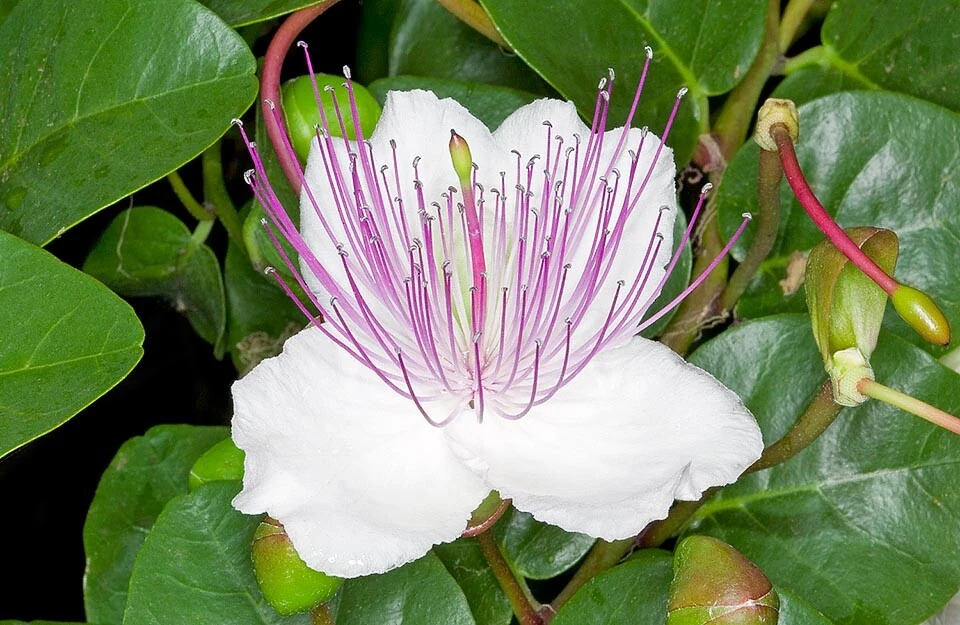
Cultivate your own delicious capers at home with these premium caper bush seeds. Capparis spinosa, also known as the Caper Bush, is a drought-tolerant, Mediterranean plant producing edible flower buds. Ideal for sunny gardens and culinary use.
Estimated arrival
Oct 15
Oct 20 - Oct 22
Oct 22 - Oct 27
See our Shipping Policy.
Get in touch with us via email, and our team will review your concerns.
Our Alive & Thrive Guarantee covers issues with your plants within the first 30 days. Read our Refund & Returns Policy.
-
USDA Hardiness Zone
USDA zones 8-11 -
Soil Type
Well-draining, sandy, or rocky soil -
Sunlight Exposure
Full sun -
Expected Planting Period
Spring to early summer
Overview
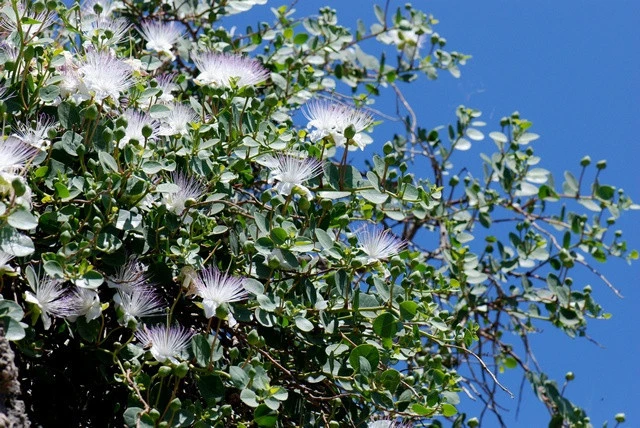
Embark on a rewarding gardening journey by cultivating your own gourmet ingredients with these premium caper bush seeds. The Caper Bush (Capparis spinosa) is a fascinating and beautiful plant native to the Mediterranean region, renowned for its distinctive edible flower buds, commonly known as capers. These seeds offer you the opportunity to grow this unique shrub, transforming your garden into a source of culinary delight. The plant itself is a low-growing, sprawling shrub with attractive, rounded leaves and delicate, showy flowers, making it an excellent ornamental addition to rock gardens, xeriscapes, or sunny borders. Growing your own capers ensures a fresh supply of these piquant buds, which are a staple in Mediterranean cuisine, adding a burst of flavor to salads, fish dishes, and sauces. Our caper bush seeds are carefully selected to ensure high germination rates and robust plant growth, allowing you to successfully establish this drought-tolerant and resilient species in your home garden.
The Caper Bush is not just a culinary powerhouse; it’s also a resilient and beautiful plant. Its origins in harsh, rocky environments mean it thrives in conditions many other plants would struggle with, making it a sustainable choice for many gardeners. With these caper bush seeds, you’re not just planting a herb; you’re cultivating a piece of Mediterranean charm and a source of unique flavors that will elevate your cooking. Imagine harvesting your own capers, knowing they were grown with care right in your backyard. This experience is both gratifying and educational, connecting you more deeply with your food sources.
Key Benefits
Growing Capparis spinosa from seed offers numerous advantages for both the avid gardener and the culinary enthusiast. These benefits extend from the plant’s resilience to its delicious yield:
- Gourmet Culinary Ingredient: Harvest fresh caper buds directly from your garden. These small, unopened flower buds are pickled and used to add a distinctive salty, tangy, and slightly floral flavor to a wide array of dishes, from pasta and salads to fish and chicken. Growing your own ensures the freshest, most flavorful capers.
- Drought-Tolerant and Low Maintenance: Once established, the caper bush seeds develop into plants that are incredibly hardy and require minimal watering, making them perfect for xeriscaping or gardens in arid climates. They thrive on neglect, making them an ideal choice for busy gardeners.
- Beautiful Ornamental Plant: Beyond its culinary uses, the Caper Bush produces stunning white to pinkish-white flowers with long, purple stamens. These delicate, short-lived blooms are a beautiful sight, adding an exotic touch to your garden landscape. The sprawling habit of the plant also makes it suitable for ground cover or cascading over walls.
- Attracts Pollinators: The attractive flowers of Capparis spinosa are known to draw in various pollinators, including bees and butterflies, contributing to the biodiversity and health of your garden ecosystem. This makes growing caper bush seeds beneficial for the environment as well.
- Adaptable to Various Soil Types: While preferring well-draining conditions, the Caper Bush is remarkably adaptable and can grow in poor, rocky soils where many other plants would fail, reflecting its native Mediterranean habitat.
- Sustainable and Rewarding Project: Cultivating your own capers from caper bush seeds is a deeply satisfying project, offering a connection to your food and a sustainable way to enjoy this unique ingredient without relying on store-bought versions.
Plant Care & Growing Tips
Successfully growing caper bush seeds requires understanding their specific needs, which largely mirror their native Mediterranean environment. The Caper Bush thrives in full sun, needing at least 6-8 hours of direct sunlight per day to produce abundant flowers and buds. In hotter climates, some afternoon shade can be beneficial to prevent scorching, but generally, the more sun, the better. When planting your caper bush seeds, choose a location with excellent drainage. These plants are highly susceptible to root rot in waterlogged conditions. A sandy, rocky, or loamy soil mix is ideal, mimicking their natural habitat. Incorporating gravel or sand into heavy clay soils can significantly improve drainage.
Watering should be consistent but moderate during the germination and establishment phases. Once mature, the Caper Bush is extremely drought-tolerant and prefers dry conditions, requiring very little supplemental water. Overwatering is the most common cause of failure for this plant. Fertilization is generally not necessary, as the plant is adapted to nutrient-poor soils. If your soil is extremely poor, a light application of a balanced, slow-release fertilizer in early spring can be beneficial, but avoid over-fertilizing. The edible caper plant is hardy in USDA zones 8-11, tolerating mild frosts but requiring protection in colder regions. Pruning can be done in late winter or early spring to shape the plant and encourage bushier growth, which can lead to more flower bud production. Watch out for common pests like aphids, though the Caper Bush is generally quite resilient to diseases.
Size & Details
These caper bush seeds will grow into a sprawling, deciduous shrub, typically reaching a height of 1 to 3 feet (30-90 cm) with a spread of 3 to 5 feet (90-150 cm) or more, depending on growing conditions and pruning. The plant develops a deep taproot system, which contributes to its drought tolerance. The seeds are typically small and require a stratification period for optimal germination, often involving a period of cold treatment to break dormancy. Once germinated, seedlings grow steadily, and the plant can begin producing flower buds within 1-2 years under ideal conditions. The flower buds, which are the capers, should be harvested when they are small and firm, before they open into flowers. These seeds come in a packet containing 20 seeds, providing ample opportunity to establish several plants. The mature plant is a beautiful addition to any garden, offering both aesthetic appeal and a unique culinary harvest. Consider growing this mediterranean plant seeds for a taste of the exotic in your own backyard.
Frequently Asked Questions
- Q: How big does this caper bush plant get? A: The caper bush seeds will grow into a sprawling shrub that typically reaches 1 to 3 feet tall and spreads 3 to 5 feet wide. Its size can vary based on growing conditions and how often it’s pruned.
- Q: Is this an indoor or outdoor plant? A: The Caper Bush is primarily an outdoor plant, thriving in full sun and warm climates. It can be grown in containers and brought indoors in regions with cold winters, but it requires significant light.
- Q: How much sunlight does it need? A: Capparis spinosa requires at least 6-8 hours of direct sunlight per day. It is a sun-loving plant that originates from the Mediterranean, so it performs best in bright, sunny locations.
- Q: Is this plant easy to care for? A: Once established, the edible caper plant is remarkably low-maintenance and drought-tolerant. The most crucial aspects are ensuring excellent drainage and providing ample sunlight. Germinating the seeds can sometimes require patience.
- Q: What condition will the caper bush seeds arrive in? A: The seeds will arrive in a protective packet, ready for planting. They are dormant and require specific conditions, including potential stratification, to germinate successfully.
- Q: Can I use capers from this plant in cooking? A: Absolutely! The unopened flower buds from the Caper Bush are precisely what are harvested, pickled, and used as the culinary ingredient known as capers.
- Q: How long until it blooms or produces capers? A: With proper care, the Caper Bush grown from caper bush seeds can begin producing flower buds and blooming within 1-2 years after germination. Harvesting the buds encourages more production.
- Q: What’s the best time to plant caper bush seeds? A: The ideal time to plant these mediterranean plant seeds is in spring after the last frost, or indoors 6-8 weeks before the last frost. They require warm soil temperatures for germination.
- Q: Will it survive winter in my zone? A: The Caper Bush is hardy in USDA Zones 8-11. In colder zones, it will need winter protection or can be grown in containers and moved indoors during the cold months.
- Q: What type of soil does it prefer? A: This plant thrives in well-draining, sandy, or rocky soil. It is very adaptable but will not tolerate heavy, waterlogged clay soils. Good drainage is key for successful growth.
Be the first to review “Caper Bush Seeds (Capparis spinosa) – 20 Seeds – Culinary Herb”
Related products

Herb Seeds
Great Saint John’s Wort Seeds – Hypericum Pyramidatum – 1500 Count – Yellow Flower Herb – Zones 2-10


Herb Seeds
10 Mouse Garlic Allium Angulosum Wild Garlic Pink Flower Herb Seeds Pink Flowers Zones 4-8


Herb Seeds
Munstead Lavender Seeds – 200 English Lavandula Angustifolia Fragrant Purple Flower Herb Seeds

You May Like

Hardneck vs. Softneck Garlic: Which Should You Grow?
Have you ever stood in front of a seed catalog in mid-September, staring at dozens [...]
Oct

When to Plant Music Garlic: Ultimate US Fall Guide
Have you ever spent your fall weekend placing carefully chosen garlic cloves into rich, dark [...]
1 Comment
Oct

5 Best Bulbs for Fall Planting: Brighten Your Garden This Spring
Are you dreaming of a garden full of vibrant colors in the spring? The key [...]
Aug

10 Houseplants That Will Thrive in Your Kitchen
Are you tired of your kitchen feeling dull and lifeless? Want to add a little [...]
1 Comment
Aug
Reviews
There are no reviews yet.