
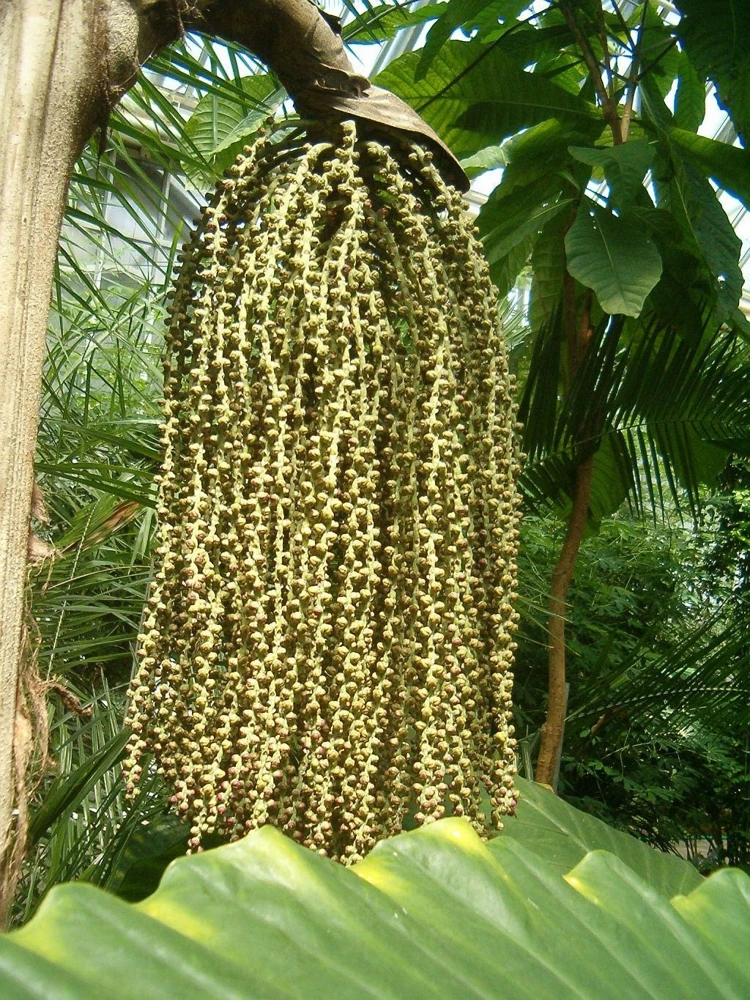
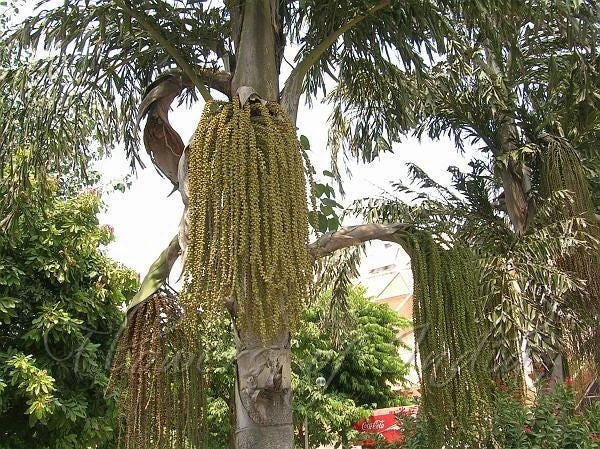
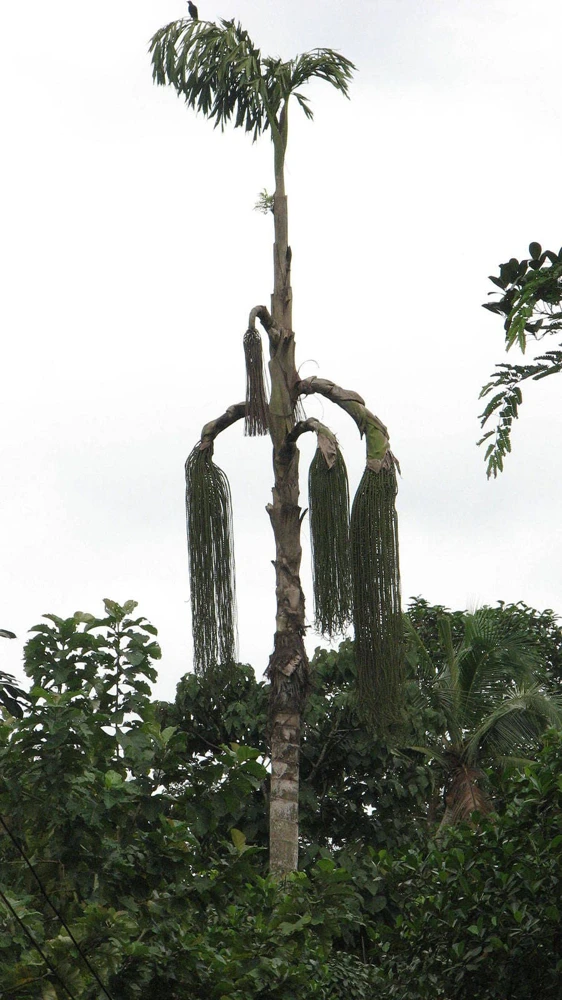
Caryota Urens Seeds – Toddy Fishtail Wine Palm – 5 Seeds – Outdoor
Original price was: 48.91 $.19.91 $Current price is: 19.91 $.
Cultivate the unique Caryota urens seeds, also known as the Toddy Palm or Fishtail Palm. These Toddy palm seeds allow you to grow a versatile plant valued for its ornamental appeal and practical uses, from sugar production to strong fibers. Perfect for USDA Zones 9 to 11.
Estimated arrival
Nov 27
Dec 02 - Dec 04
Dec 04 - Dec 09
See our Shipping Policy.
Get in touch with us via email, and our team will review your concerns.
Our Alive & Thrive Guarantee covers issues with your plants within the first 30 days. Read our Refund & Returns Policy.
-
USDA Hardiness Zone
USDA zones 9–11 -
Soil Type
Rich, well-draining, slightly acidic to neutral soil -
Sunlight Exposure
Full sun to partial shade -
Expected Planting Period
Spring to early summer
Overview
Embark on a fascinating gardening journey with Caryota urens seeds, the starting point for growing the majestic Toddy Fishtail Wine Palm. Also known by its many names, including solitary fishtail palm, toddy palm, wine palm, and jaggery palm, this plant is celebrated for both its striking ornamental qualities and its incredible versatility. While often admired for its banana-like foliage, the Caryota urens offers a wealth of resources. From its sap, sugar, candy, and even alcohol can be produced, making it a truly unique addition to any garden or homestead. These Caryota urens seeds provide an opportunity to cultivate a plant with a rich history of utility and beauty.
This remarkable palm is not just a decorative specimen; it’s a living resource. The juice from its flowers serves as a natural sugar substitute, and its stems can be processed to obtain sago starch. Young leaves and leaf buds are edible, often cooked as vegetables, and the heart of the palm is also consumed. The pith, when boiled with rice, offers another culinary use. Beyond food, the Caryota urens produces a strong, versatile fiber from its leaves, used in various applications, and its wood is traditionally employed in building construction. Even a simple leaf can be trimmed and dried to create a fishing pole, showcasing the palm’s extensive practical value. Growing these Toddy palm seeds allows you to experience the full potential of this extraordinary plant.
Key Benefits
The Caryota urens offers a multitude of benefits, making it an excellent choice for gardeners looking for both beauty and utility. Cultivating Caryota urens seeds brings a touch of the tropics and a host of practical advantages to your landscape.
- Ornamental Appeal: The unique fishtail-shaped leaves provide a dramatic and exotic look, making it a standout feature in tropical or subtropical gardens. Its rapid growth and large fronds create an impressive visual statement.
- Edible Resources: Various parts of the plant are edible, including young leaves, leaf buds, and the heart of the palm. The sap can be used to produce sugar, candy, and wine, while the flower juice serves as a natural sweetener.
- Sustainable Materials: The stems yield sago starch, and the leaves provide a strong fiber for crafts and other uses. The wood is also valuable for construction, offering a renewable resource for various projects.
- Cultural Significance: Known as the Toddy Palm or Jaggery Palm, it holds cultural importance in many regions for its role in traditional food and drink production. Growing Fishtail palm seeds connects you to this rich heritage.
- Wildlife Attraction: The flowers and fruits can attract various birds and insects, contributing to local biodiversity and creating a vibrant ecosystem in your garden.
- Versatile Uses: From culinary ingredients to building materials and fishing poles, the Caryota urens demonstrates incredible versatility, offering multiple applications from a single plant.
- Hardy in Warm Climates: Thriving in USDA Hardiness Zones 9 to 11, this palm is well-suited for warmer climates, providing a robust and resilient addition to outdoor spaces.
Plant Care & Growing Tips
Growing Caryota urens seeds into a thriving Toddy Fishtail Wine Palm requires attention to specific environmental conditions to ensure healthy development. This palm prefers a warm, humid climate and can be quite robust once established. For optimal growth, plant your Wine palm seeds in a location that receives full sun to partial shade. While mature palms can tolerate more sun, young seedlings benefit from some protection, especially in hotter climates, to prevent leaf scorch. Consistent warmth is crucial, as these palms are sensitive to frost and prefer temperatures above 50°F (10°C).
The ideal soil for Caryota urens is rich, well-draining, and slightly acidic to neutral. Amend heavy clay soils with organic matter to improve drainage, or sandy soils to enhance water retention. Regular watering is essential, especially during dry periods and for young plants. The soil should be kept consistently moist but never waterlogged, as this can lead to root rot. Once established, the palm can tolerate short periods of drought but will perform best with consistent moisture. Fertilize established palms during the growing season (spring and summer) with a balanced, slow-release palm fertilizer to support its vigorous growth. Pruning is generally minimal, focusing on removing old, dead, or damaged fronds to maintain a tidy appearance and promote air circulation. Keep an eye out for common palm pests like spider mites or scale insects, and address them promptly with appropriate organic or chemical treatments. Understanding how to care for Jaggery palm seeds from germination to maturity ensures a successful and rewarding experience.
Size & Details
The Caryota urens seeds will germinate to produce a solitary palm that can grow quite large, making it a majestic addition to suitable landscapes. In its natural habitat, this palm can reach impressive heights of 40 to 60 feet (12 to 18 meters) with a trunk diameter of up to 2 feet (60 cm). The distinctive bipinnate leaves, which give it the ‘fishtail’ moniker, can be 10 to 20 feet (3 to 6 meters) long, creating a broad canopy. These Caryota urens seeds are typically shipped in packets of 5, ready for planting. The growth rate is relatively fast under ideal conditions, allowing for a noticeable development within a few years.
Each seed has the potential to develop into a robust, ornamental palm. The palm typically flowers and fruits once in its lifetime, a process known as monocarpic, after which the main stem dies, though new offsets may emerge. This makes the cultivation of Toddy palm seeds particularly special, as each plant represents a full life cycle. When planting, consider the mature size of the palm and provide ample space for its extensive root system and wide fronds. While these are seeds, the mature plant will require significant space, making it best suited for larger gardens or open landscapes in USDA Hardiness Zones 9 to 11.
Frequently Asked Questions
- Q: How many Caryota urens seeds are included in this package? A: This package typically includes 5 high-quality Caryota urens seeds, providing multiple opportunities for successful germination and growth.
- Q: What is the best time to plant Toddy palm seeds? A: The best time to plant Toddy palm seeds is generally in spring or early summer, when temperatures are consistently warm and conducive to germination.
- Q: How tall does the Caryota urens palm get? A: The Caryota urens can grow to an impressive height of 40 to 60 feet (12 to 18 meters) in optimal conditions, with a spread proportional to its large fronds.
- Q: Is this an indoor or outdoor plant? A: The Caryota urens is primarily an outdoor palm, thriving in USDA Hardiness Zones 9 to 11. Younger plants can be grown in containers indoors in cooler climates, but they will eventually outgrow indoor spaces.
- Q: What kind of soil does the Caryota urens prefer? A: This palm prefers rich, well-draining soil that is slightly acidic to neutral. Good drainage is crucial to prevent root rot.
- Q: How much sunlight does the Caryota urens need? A: Mature Caryota urens palms prefer full sun to partial shade. Younger plants and seedlings benefit from some protection from intense afternoon sun.
- Q: Are the fruits of the Caryota urens edible? A: While parts of the palm are edible, the fruits contain oxalic acid crystals and are generally not recommended for consumption due to their irritating properties.
- Q: How long does it take for Fishtail palm seeds to germinate? A: Germination time for Fishtail palm seeds can vary significantly, often taking several months to over a year, depending on conditions and seed freshness. Patience is key.
- Q: Can I make wine from the sap of this palm? A: Yes, the sap collected from the Caryota urens palm is famously used to make a fermented beverage known as ‘toddy’ or ‘wine palm’, hence one of its common names.
- Q: What USDA Hardiness Zones are suitable for growing Caryota urens? A: The Caryota urens is best suited for growing in USDA Hardiness Zones 9 to 11, where it can tolerate the warmer temperatures and mild winters.
Be the first to review “Caryota Urens Seeds – Toddy Fishtail Wine Palm – 5 Seeds – Outdoor”
Related products




You May Like

How to Grow Passion Flower (Passiflora) for Tropical Blooms
Few climbing vines in the home garden command attention quite like the exotic Passion Flower (Passiflora). [...]
Nov

Thanksgiving Cactus Care: How to Get Thanksgiving Cactus to Bloom
Is your Thanksgiving cactus growing well but not giving you any flowers? Maybe it looked [...]
Nov

How to Grow Garlic for a Bountiful Home Harvest
Garlic (Allium sativum) is one of the most satisfying, low-maintenance, and flavor-packed crops you can [...]
Oct

Hardneck vs. Softneck Garlic: Which Should You Grow?
Have you ever stood in front of a seed catalog in mid-September, staring at dozens [...]
1 Comment
Oct

When to Plant Music Garlic: Ultimate US Fall Guide
Have you ever spent your fall weekend placing carefully chosen garlic cloves into rich, dark [...]
1 Comment
Oct

5 Best Bulbs for Fall Planting: Brighten Your Garden This Spring
Are you dreaming of a garden full of vibrant colors in the spring? The key [...]
Aug

10 Houseplants That Will Thrive in Your Kitchen
Are you tired of your kitchen feeling dull and lifeless? Want to add a little [...]
1 Comment
Aug
Reviews
There are no reviews yet.