
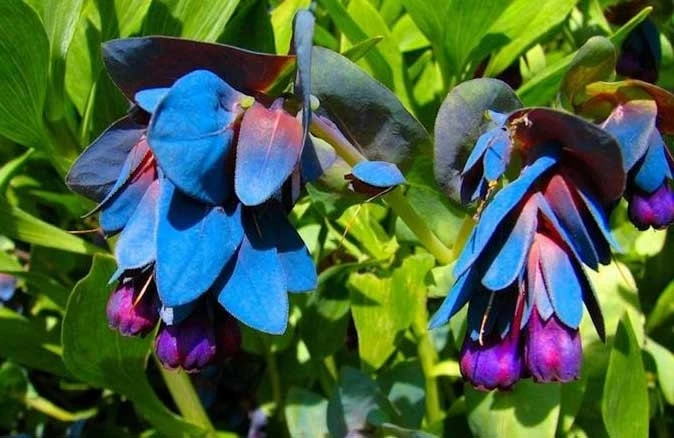
Cerinthe major Purpurascens Seeds – Honeywort Blue Shrimp Plant – 5 Seeds
Original price was: 48.91 $.19.91 $Current price is: 19.91 $.
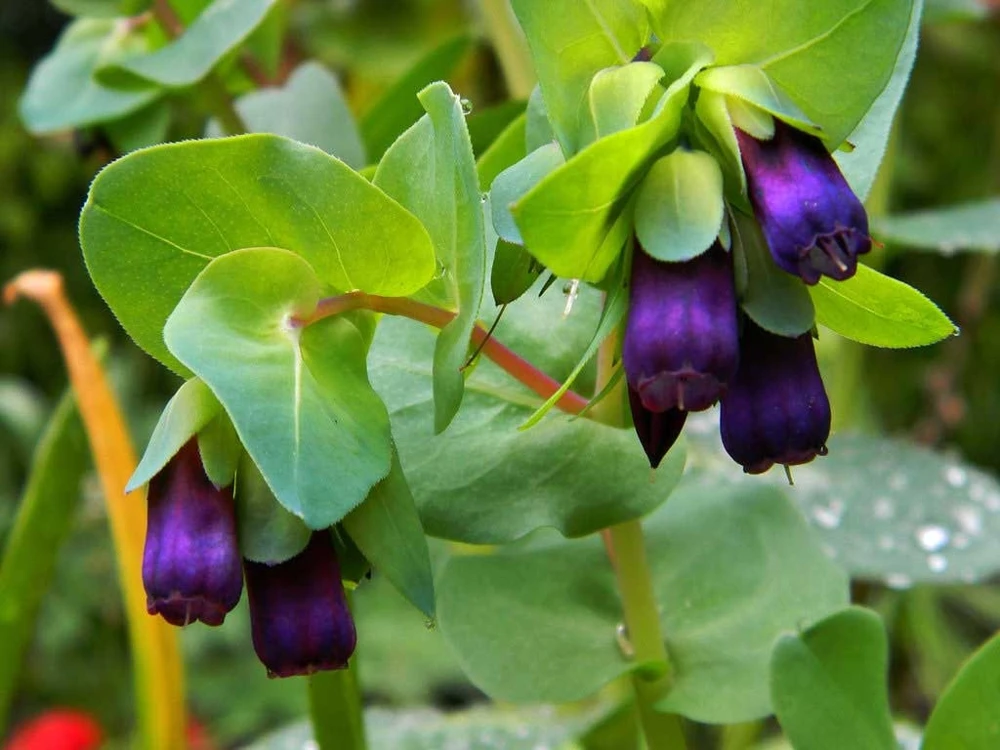
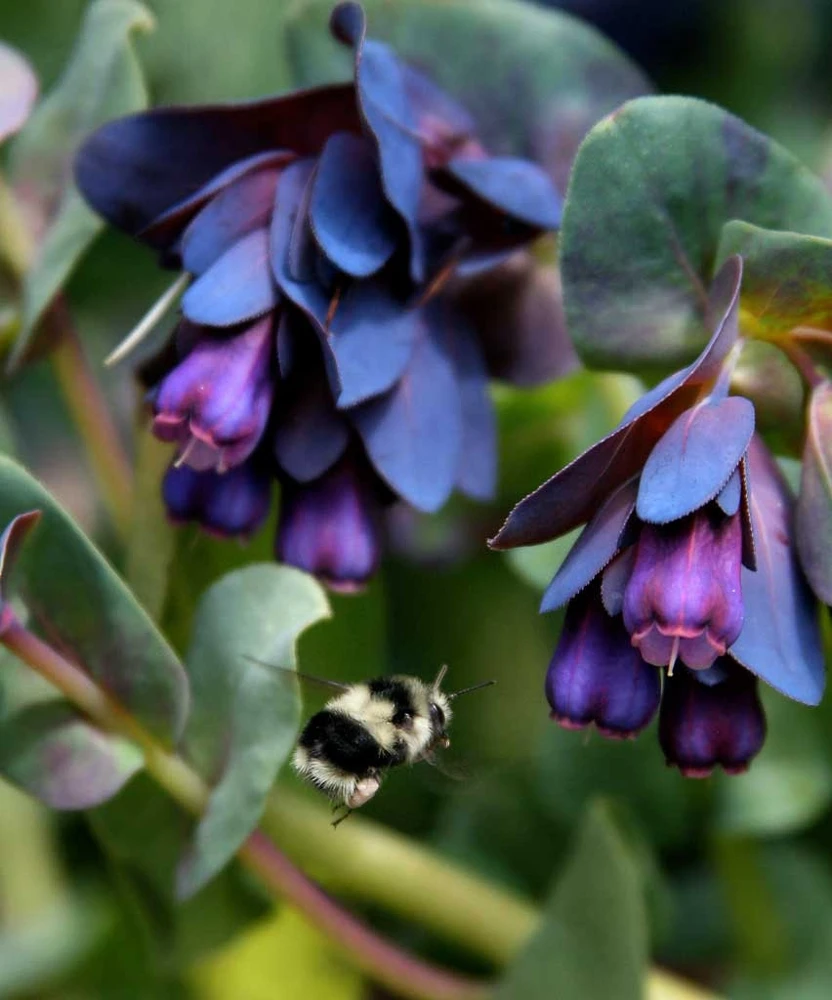
Cultivate the unique beauty of Cerinthe major Purpurascens seeds, also known as Honeywort or Blue Shrimp Plant. These annual seeds grow into stunning plants that attract bees, birds, and butterflies while naturally deterring deer. Perfect for adding a touch of vibrant blue and purple to your garden.
Estimated arrival
Nov 28
Dec 03 - Dec 05
Dec 05 - Dec 10
See our Shipping Policy.
Get in touch with us via email, and our team will review your concerns.
Our Alive & Thrive Guarantee covers issues with your plants within the first 30 days. Read our Refund & Returns Policy.
-
USDA Hardiness Zone
Annual in all USDA zones (3-10) -
Soil Type
Well-draining, moderately fertile soil -
Sunlight Exposure
Full sun -
Expected Planting Period
Spring to early summer
Overview
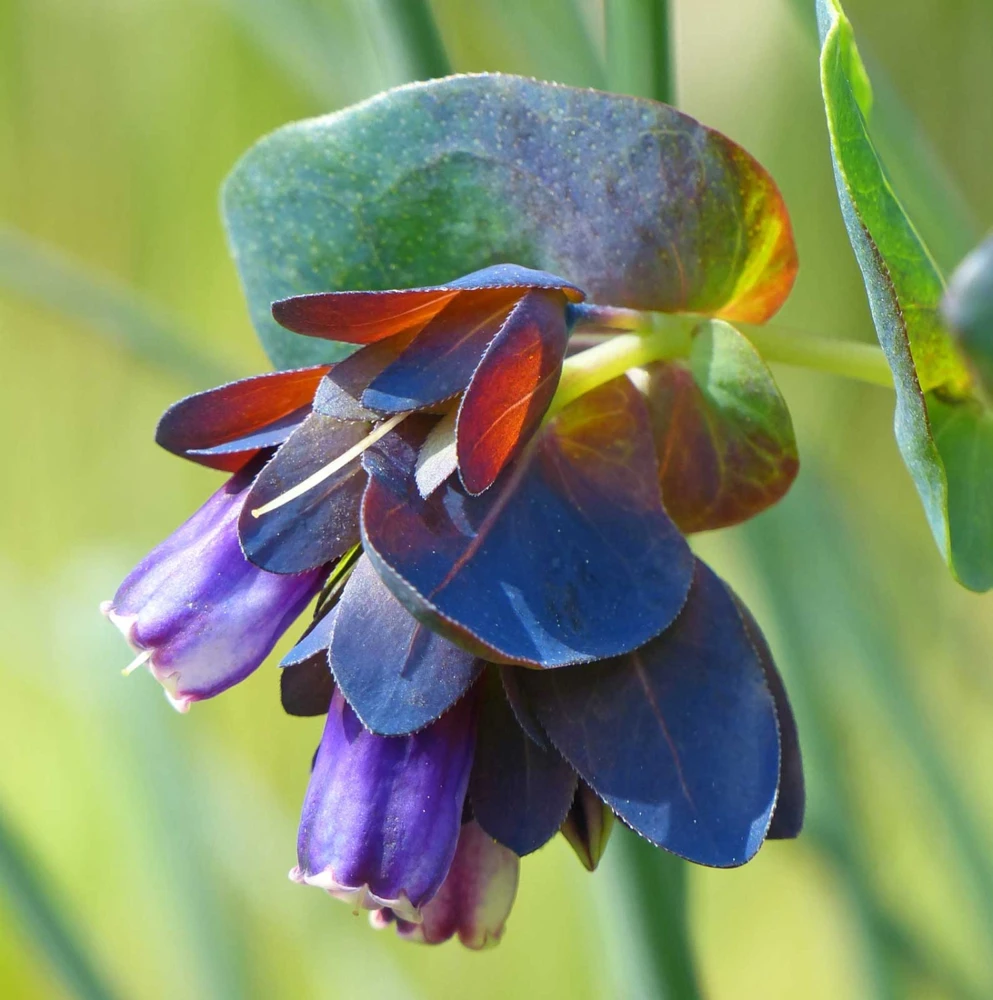
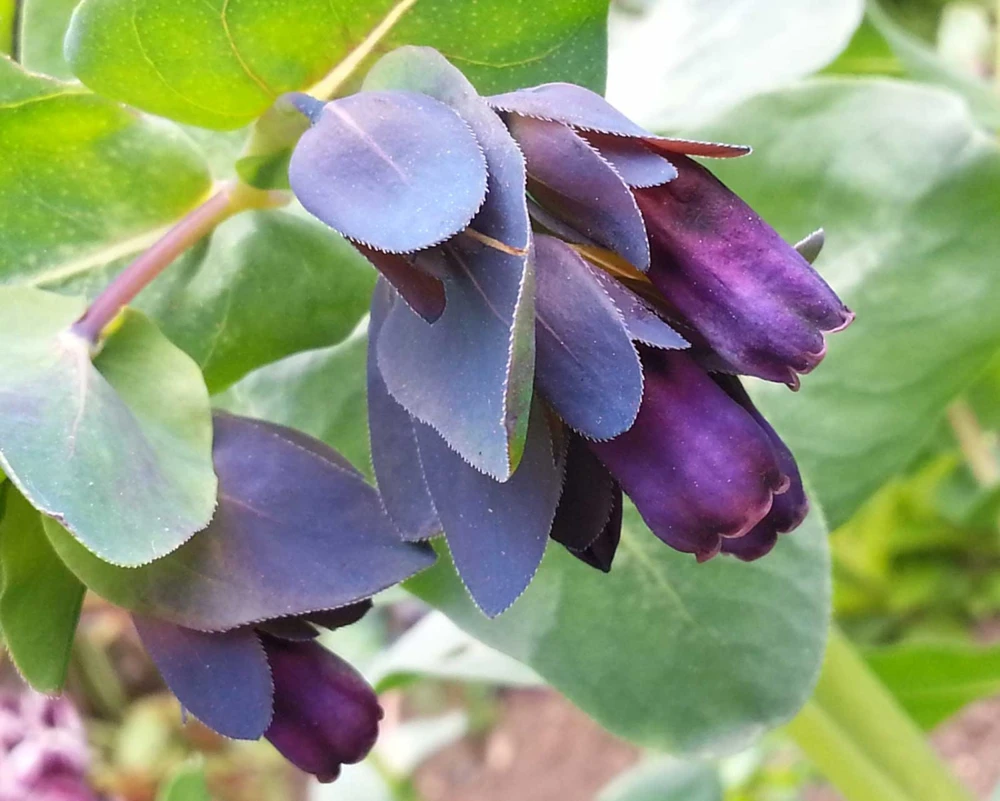
Discover the enchanting allure of Cerinthe major Purpurascens seeds, commonly known as Honeywort or Blue Shrimp Plant. This annual flowering plant is celebrated for its distinctive, pendulous, bell-shaped flowers and attractive blue-green foliage, often tinged with purple. Growing from Cerinthe major Purpurascens seeds offers a rewarding experience, transforming your garden into a haven for pollinators. Each seed promises a plant that reaches approximately 2 feet in height, making it an excellent choice for borders, containers, or naturalized areas. The unique color palette and architectural form of this plant add a sophisticated touch to any garden design, captivating onlookers with its unusual charm.
Honeywort, with its captivating blooms and foliage, is not just a visual delight but also an ecological asset. It’s a favorite among bees, birds, and butterflies, making it an ideal addition for those looking to support local wildlife. The ease of growing Honeywort seeds makes it accessible for gardeners of all skill levels, from beginners to seasoned enthusiasts. Its resilience and striking appearance ensure a vibrant display throughout its growing season. The plant’s common names, such as Blue Shrimp Plant and Blue Wax Flower, beautifully describe its unique characteristics, from the shrimp-like shape of its flowers to the waxy coating on its leaves.
Key Benefits
Growing Cerinthe major Purpurascens seeds in your garden provides a multitude of advantages, both aesthetic and ecological. These plants are incredibly versatile and bring a unique charm that distinguishes them from other annuals.
- Attracts Pollinators: The nectar-rich flowers of Honeywort are a magnet for bees, butterflies, and hummingbirds, making it an excellent choice for supporting local ecosystems and encouraging biodiversity in your garden.
- Deer Resistant: One of the most significant benefits of the Blue Shrimp Plant seeds is their natural resistance to deer. Gardeners in areas with deer populations can enjoy these beautiful plants without the worry of them being eaten.
- Unique Ornamental Appeal: With its striking blue-green, purple-tinged foliage and pendulous, bell-shaped flowers, Cerinthe major Purpurascens offers an exotic and distinctive look that stands out in any garden setting.
- Low Maintenance: Once established, these plants require minimal care, thriving with basic attention. They are relatively self-sufficient, making them perfect for busy gardeners or those new to planting.
- Versatile Garden Use: Ideal for borders, rock gardens, containers, or as a vibrant filler plant, Cerinthe seeds adapt well to various garden designs and can create stunning visual impact.
- Long Blooming Season: Enjoy a prolonged period of bloom, providing continuous color and interest from late spring through to the first frosts, ensuring your garden remains lively and attractive.
- Self-Sowing: Honeywort often self-sows, providing new plants each year without additional effort, ensuring a continuous display of its unique beauty season after season.
Plant Care & Growing Tips
Cultivating Cerinthe major Purpurascens seeds is a straightforward and rewarding experience, provided you meet their basic needs. These annuals are not particularly fussy, making them a great choice for various garden settings. To ensure successful growth, start by sowing the Honeywort seeds indoors about 4-6 weeks before the last frost date, or directly outdoors once all danger of frost has passed and the soil has warmed. Plant seeds about ¼ inch deep and keep the soil consistently moist until germination, which typically occurs within 7-14 days. Thin seedlings to about 12-18 inches apart to allow for proper air circulation and growth.
For optimal growth, Blue Shrimp Plant seeds thrive in a location that receives full sun, meaning at least 6 hours of direct sunlight per day. While they can tolerate partial shade, full sun promotes the most vibrant foliage color and abundant blooms. The ideal soil type is well-draining, moderately fertile soil. Avoid heavy, waterlogged soils, as this can lead to root rot. Once established, Cerinthe major Purpurascens is relatively drought-tolerant, but consistent moisture during prolonged dry spells will encourage better performance. Fertilize sparingly; an annual application of a balanced, slow-release fertilizer at the beginning of the growing season is usually sufficient. Deadheading spent flowers is not strictly necessary but can encourage more blooms and prevent excessive self-seeding. These plants are generally pest and disease resistant, contributing to their low-maintenance appeal. The hardiness zone for these annuals is typically not a concern as they complete their life cycle within one growing season, though they can be grown in USDA zones 3-10 as annuals.
Size & Details
Our offering includes 5 seeds of Cerinthe major Purpurascens seeds, providing a great start to cultivating this unique plant in your garden. Each plant typically grows to an approximate height of 18-24 inches (45-60 cm) and spreads about 12-18 inches (30-45 cm) wide, forming an attractive, bushy mound. The growth rate is moderate, with plants reaching maturity and beginning to flower within 8-10 weeks after sowing, depending on growing conditions. These seeds will produce annual plants that complete their life cycle in one season, providing a spectacular display before setting new seeds for potential self-sowing in subsequent years. The seeds are carefully harvested and packaged to ensure viability and successful germination, allowing you to enjoy the distinctive beauty of Honeywort in your landscape.
Frequently Asked Questions
- Q: How big does this plant get? A: Cerinthe major Purpurascens typically grows to a height of 18-24 inches and spreads about 12-18 inches wide, creating a compact yet impactful presence in your garden.
- Q: Is this an indoor or outdoor plant? A: This plant is primarily grown as an outdoor annual. While it can be started indoors from Honeywort seeds, it thrives and blooms best in outdoor garden settings.
- Q: How much sunlight does it need? A: For optimal growth and flowering, the Blue Shrimp Plant seeds should be planted in a location that receives full sun, meaning at least 6 hours of direct sunlight daily.
- Q: Is this plant easy to care for? A: Yes, Cerinthe major Purpurascens is considered low-maintenance. Once established, it requires minimal care, making it suitable for gardeners of all experience levels.
- Q: What condition will the seeds arrive in? A: The Cerinthe seeds will arrive as a packet of 5 viable seeds, ready for planting. They are carefully packaged to ensure their quality and readiness for germination.
- Q: When is the best time to plant these seeds? A: You can start the Cerinthe major Purpurascens seeds indoors 4-6 weeks before the last frost, or sow them directly outdoors after the danger of frost has passed in spring.
- Q: Will it survive winter in my zone? A: As an annual, Honeywort completes its life cycle in one growing season and will not survive winter frosts. However, it often self-sows, providing new plants in the spring.
- Q: Is this plant deer-resistant? A: Yes, a significant benefit of planting deer resistant plants like Cerinthe major Purpurascens is its natural resistance to deer, making it a great choice for gardens prone to deer browsing.
- Q: What kind of soil does it prefer? A: It prefers well-draining, moderately fertile soil. Avoid heavy, waterlogged conditions to ensure healthy growth from your Blue Shrimp Plant seeds.
- Q: How long until it blooms? A: You can expect the plants grown from Cerinthe major Purpurascens seeds to begin blooming approximately 8-10 weeks after sowing, providing a beautiful display for an extended period.
Be the first to review “Cerinthe major Purpurascens Seeds – Honeywort Blue Shrimp Plant – 5 Seeds”
Related products


You May Like

How to Grow Passion Flower (Passiflora) for Tropical Blooms
Few climbing vines in the home garden command attention quite like the exotic Passion Flower (Passiflora). [...]
Nov

Thanksgiving Cactus Care: How to Get Thanksgiving Cactus to Bloom
Is your Thanksgiving cactus growing well but not giving you any flowers? Maybe it looked [...]
Nov

How to Grow Garlic for a Bountiful Home Harvest
Garlic (Allium sativum) is one of the most satisfying, low-maintenance, and flavor-packed crops you can [...]
Oct

Hardneck vs. Softneck Garlic: Which Should You Grow?
Have you ever stood in front of a seed catalog in mid-September, staring at dozens [...]
1 Comment
Oct

When to Plant Music Garlic: Ultimate US Fall Guide
Have you ever spent your fall weekend placing carefully chosen garlic cloves into rich, dark [...]
1 Comment
Oct

5 Best Bulbs for Fall Planting: Brighten Your Garden This Spring
Are you dreaming of a garden full of vibrant colors in the spring? The key [...]
Aug

10 Houseplants That Will Thrive in Your Kitchen
Are you tired of your kitchen feeling dull and lifeless? Want to add a little [...]
1 Comment
Aug
Reviews
There are no reviews yet.